What Dog Breed Is Right for Me? 15 Vet-Reviewed Factors to Consider


In this article
Roughly 45% of American households have invited a dog into their homes, likely because pet ownership can be so fulfilling and rewarding.1 Pets give us unconditional love, protect us, and provide companionship. Many of us have fond memories of growing up with a canine best friend; however, getting a dog is a serious responsibility and is not a decision you should make lightly.
About 3.1 million dogs enter shelters yearly in the U.S. alone.2 While some reasons for their surrender are unexpected, the majority of reasons include behavioral issues, many of which could have been avoided had the owner done the proper research on the breed before they brought them home. Understanding your commitment to a new dog is imperative. With that said, review some of the best dog breeds for your lifestyle, as well as everything that you should consider before choosing a canine companion.

What Dog Breed Is Right for You?
The 5 Best Dog Breeds for Families
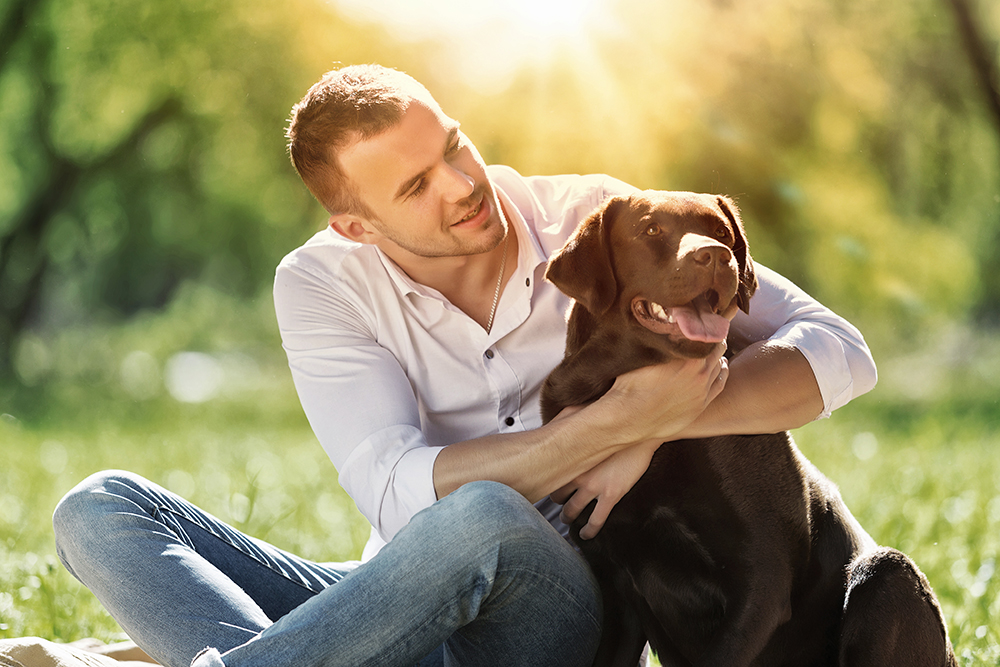
Labrador Retriever

As you probably already know, the Labrador Retriever is one of the most popular dogs in the US. These dogs are playful, outgoing, and eager to please. Plus, they’re incredibly affectionate and trainable. All of these qualities make them the perfect dog for families with children.
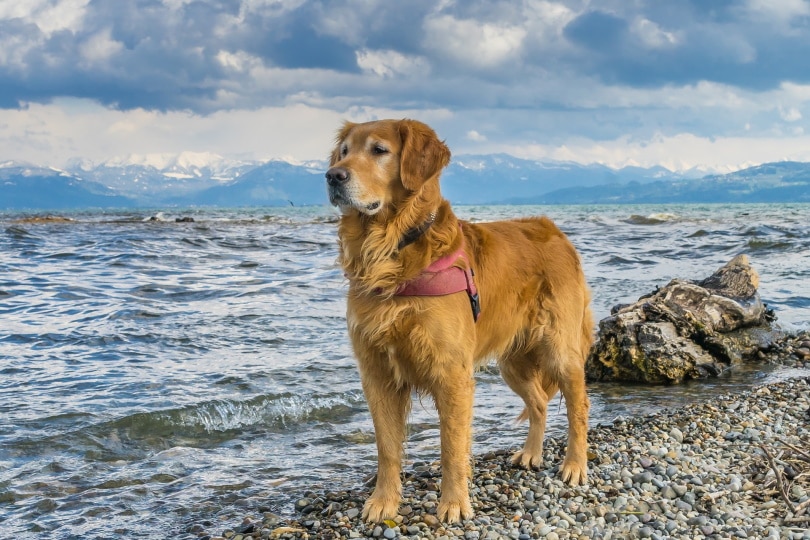
Golden Retriever

While sometimes confused with Labs, the Golden Retriever is a completely different breed but is just as family friendly. These dogs are intelligent with agreeable personalities, so they’re able to suit just about any purpose. However, they are very common to have as family companions, but they do need a bit of exercise every day to keep them healthy and happy.
Bulldog

The Bulldog is a notoriously loyal breed that is able to adapt to almost any situation. They are more than happy to spend time with families and children, all while remaining calm and friendly. They also respond well to training. However, they aren’t the most active breed, although they do benefit from regular walks.
Beagle

While this dog might not be the first breed to come to mind when you’re looking for a new family companion, the Beagle has been known to make a really easy-to-care-for pet. Beagles are at their happiest when they have company, meaning they shouldn’t be left alone for long periods of time. So, if you’ve got a big family who is able to dedicate the time to them, then they could be an excellent choice.
Pug

When you think of a family dog, the first thing that comes to mind could be a lap dog, and there’s none better than the Pug. These dogs were literally bred to be companions. With that said, they are brachycephalic, meaning that you need to pay special attention to how they’re breathing, particularly when it’s hot or while exercising. However, they are incredibly friendly and loving dogs that can thrive in apartments or country homes alike.

The 5 Best Dog Breeds for Singles
Mixed Breeds

While you might be looking for a specific dog breed, if you’re single, this is the perfect opportunity to look into rescuing a shelter dog. Most of these dogs are mixed breeds, although some people do find purebred dogs up for adoption from time to time.
Since you don’t have anyone else in the house, you’re able to provide a quiet space for these dogs to decompress and feel the safety and comfort of a forever home. They’ll get especially close with you, and isn’t that what you want as someone who’s single and looking for a companion?
German Shepherd

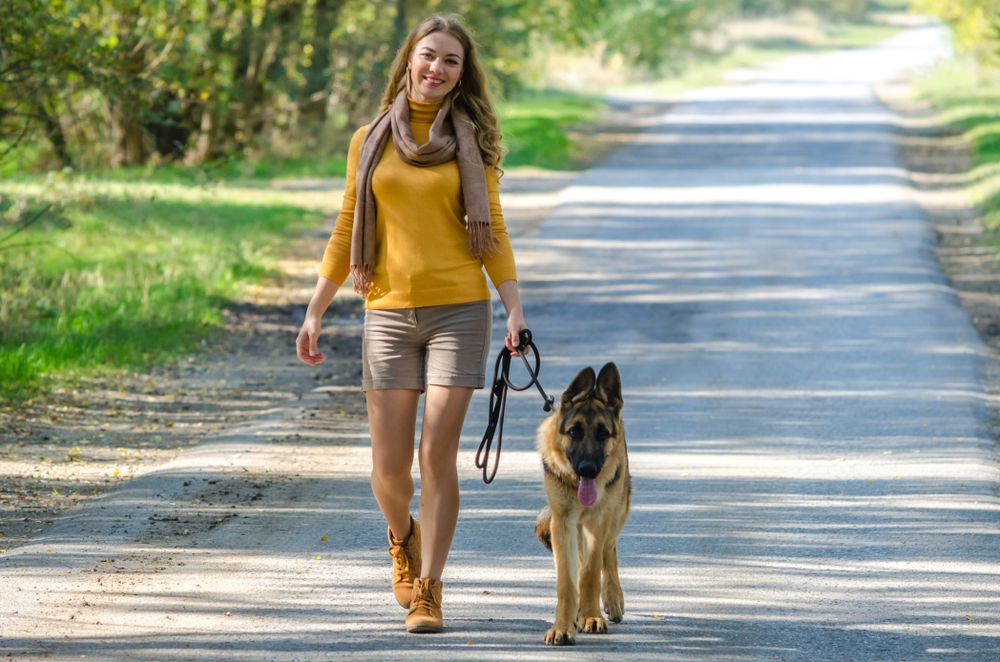
German Shepherds are known for having a protective side but are extremely faithful. Since they’re so intelligent and willing to be trained, and you likely have a bit more time on your hands to dedicate to training them than a mom of four, then you’ll know you’ll be able to nurture them into a well-socialized and well-behaved pooch. Plus, with this furry beast walking next to you, you’ll never have to be fearful of walking alone at night.
French Bulldog

We already know that French Bulldogs are incredibly cute, but they’re also very social and a true partner in crime, whether that’s hanging out at home or going out on the town (to dog-friendly locations, of course). If you’re looking for the true definition of “man’s best friend,” then this could be the breed for you. However, since they’re brachycephalic, you’ll have to be much more careful if you’re someone with a highly active lifestyle.
Yorkshire Terrier

Sometimes, it’s the little dogs with the most spunk. Yorkshire Terriers are known for being exceptional companions that can perfectly adapt to life in a small apartment. They are good-natured pups with a lot of love to offer, and they’ll likely become attached to you over time.
Boxer

Boxers are known for being fun and bright, and their size is enough to intimidate anyone. All of these things could mean that the Boxer is a perfect match for someone who’s single. These dogs love to keep their owner entertained and enjoy being by their owner’s side, although you’ll have to check for breed restrictions where you live.
The 5 Best Dog Breeds for Active Lifestyles
Border Collie

If you know anything about the Border Collie, it’s probably that these dogs seem to never run out of energy. Bred historically as herding dogs, this breed is the perfect choice for someone who lives a highly active lifestyle. They aren’t suitable for someone who goes for a walk or two every day. Instead, these dogs need several hours of vigorous exercise per day if you don’t have cows or sheep for them to herd, preferably running or some kind of agility training.
Brittany

Bred to hunt, the Brittany is an incredibly athletic dog that will thrive with an owner who regularly runs, hikes, or swims. This dog enjoys participating in anything that their humans are and almost always has a willing attitude.
Dalmatian

Did you know that the Dalmatian once ran alongside horse-drawn carriages for miles? There is even something called a “road trial” today that these dogs can compete in. Basically, that means if you’re somebody who likes to be outdoors and on the move, the Dalmatian could be a great breed to have by your side while doing so.
Vizsla

Over time, it’s become more and more common to see the Vizsla becoming a part of the family. In fact, these dogs thrive in active families and are both happy and affectionate. They’re also incredibly trainable, and they could be the perfect fit for someone who likes to be outside for a good portion of the day to do things like hunting.
American Staffordshire Terrier

The American Staffordshire Terrier is known for being intelligent and athletic, two qualities that actually help them thrive in dog sports like tracking, obedience, or agility. They are people-oriented dogs that aren’t afraid to give it their all when they’re training.
The 5 Best Dog Breeds for Sedentary Lifestyles
Maltese

The Maltese is one of the few dogs that requires very little exercise (although a walk every day is still necessary). These dogs love to curl up on the couch with their owners and be cuddled. However, they don’t do well when left alone for long periods since they suffer from anxiety-related issues. So, if you’re someone with a bit of a sedentary lifestyle and just want a dog to snuggle with, then the Maltese is an ideal choice.
Basset Hound

When Basset Hound decides to take a break from following a scent trail, it’s almost guaranteed that they’re going to be laying down and conserving their energy somewhere comfortable. They’re known as one of the most laid-back dogs out there. However, they are prone to obesity, so they still require daily exercise.
Great Dane

While completely massive, Great Danes are gentle giants with a gentle and laid-back temperament. It’s not uncommon to find them lounging around the house and waiting for a cuddle. However, like most dogs, they need at least an hour of exercise every day to keep them from getting obese. But once they’re tuckered out, this is definitely a dog who wants to relax by your side, and some will even try to curl up in your lap!
Cavalier King Charles Spaniel

The Cavalier King Charles Spaniel is a docile and sweet dog, and they’ve even received the nickname of “Velcro dogs.” This is a breed that loves to be by your side and is content with either laying in bed all day or going for a leisurely stroll.
Shih Tzu

Although these dogs do tend to be a bit more active in their puppy years, it doesn’t take long for a Shih Tzu to settle down a bit and become a lover of lazy days and snuggles. These dogs were bred to be lap dogs for royalty, so it’s no surprise that they can be couch potatoes still today.
The 5 Best Dog Breeds for Seniors
Bichon Frise

It’s not an uncommon image to see an elderly person with a Bichon Frise, and there’s a reason for that. These dogs are very small but also easy to train. Aside from regular grooming, they’re pretty low maintenance and only need a moderate amount of exercise. Considering all of these things, combined with their loving and affectionate temperament, this is an ideal breed for seniors looking for the perfect companion.
Greyhound

We know that you probably can’t imagine that a racing dog would be ideal for a senior, but most of Greyhounds are actually couch potatoes once they have finished with their daily exercise. Aside from a daily walk and the chance to run in an open space, these dogs will be perfectly content to sit next to your side. They’re also very responsive to training and are pretty easy to handle. So, if you’re a senior who prefers a larger dog, don’t count the Greyhound out!
Maltese

Similar to the Bichon Frise, the Maltese is a small, friendly dog that is perfect for a senior. They really prefer to spend most of their time in their owner’s lap and are easy to train. Plus, they’re pretty low maintenance aside from a grooming appointment once every month or two.
Pomeranian

Another common lap dog, the Pomeranian is tiny, weighing in at only 3 to 7 pounds, and is the perfect companion for a senior. They are typically pretty happy and enjoy snoozing on your lap or playing with toys.
Miniature Schnauzer

Miniature Schnauzers are surprisingly low-maintenance dogs. They don’t shed much and don’t require much grooming aside from a regular brushing and hair trim. They are also compact in size and easier to tote around while on a daily walk. However, because they like to chase a ball so much, they’re better for seniors with a more active lifestyle.
The 15 Factors to Consider When Choosing a Dog Breed
1. Time Considerations and Constraints
Time issues are one of the most common reasons that people relinquish dogs, meaning novice pet owners may not have anticipated how much time having a pup requires. While you can crate train a dog, it isn’t fair to make leaving them alone for extended periods a part of their daily routine. Factoring into this is that some dog breeds require more time with you than others or they may suffer from separation anxiety. So, if you need to be gone for long periods during the day, an affectionate and loyal breed like a Lab may not be the best fit.

2. Financial Matters
Dogs cost money, plain and simple. There’s the price you must pay to buy or adopt a pet, but the cost doesn’t end there. According to a Synchrony study, you can expect to dish out between $1,270 to $2,803 annually on a dog. That adds up to an average lifetime cost of between $19,893 to $55,132. Food will likely make up the bulk of your expenses, with larger dogs requiring more food and therefore more cost. If finances are a concern, smaller breeds may be less expensive in the food category.
Veterinary care is another vital consideration. A dog needs annual exams to monitor their health, update vaccinations, and receive preventatives for internal and external parasites. Pets may also sometimes need emergency care, which can cost you over $150 just to walk in the door of an after-hours clinic. Fortunately, pet insurance can help with some unexpected expenses. However, understanding your financial commitment is essential before you ever even consider bringing a dog home with you.
3. Commitment to Training and Socialization
You may find owning a dog is like having a toddler in the house. Research has shown they have the emotional capacity of a 2.5-year-old child. That also means dogs require a commitment to training and socialization. You must introduce your pup to new experiences to prevent fearfulness in them, and you must also train your pooch and nurture their canine manners. All of that takes time and effort.

4. Housing Issues
Housing issues are another common reason for pet relinquishment. It can be something as blatant as a no-pet policy at an apartment building, but it can also mean restrictions on the size of your dog. Some HOAs forbid specific breeds. Although well-meaning, these rules punish responsible pet owners and fail to address the real problem—irresponsible individuals.
We recommend checking with your renter’s or homeowner’s insurance policy. Some companies have similar restrictions on coverage, and it’s better to be safe than sorry when a simple phone call can give you the answers you need to know before getting a dog.
5. Exercise Needs
Dogs need daily exercise, and letting them out in your backyard often isn’t enough to keep them physically and mentally stimulated. This can encourage boredom and unwanted behaviors, such as barking or digging. Breeds vary in their energy levels, and you should research this information before you decide on a particular dog and if you’re capable of giving them the exercise they require. So, if you can’t do this, then you’re better off not getting a dog at all, or perhaps a breed with far less physical and mental stimulation requirements.

6. Kid and Family-Friendly Qualities
Some breeds are better suited to households with children, and these dogs tend to be more patient and tolerant of kids. Research has shown that children under 6 are less adept at reading canine emotions. Therefore, supervising playtime is imperative until they get older. That also means additional time constraints for you, which you should consider.
Some breeds are more protective than others. That’s a good thing if you’re looking for a guardian or watchdog. However, while some dogs are loyal, they may also be wary of strangers or intolerant of other pets. Of course, early socialization and training can help mitigate these issues.
7. Canine Intelligence
Breeds vary in their intelligence. Research has shown the Border Collie, Poodle, and German Shepherd Dog as the top canines in the smarts department. Smart pups can become bored without mental stimulation, whether through walks or interactive play. These pets can become destructive if you don’t give them something to do, so it’s a vital consideration when choosing a breed and balancing it with your time commitment.

8. Health Issues
Breeds vary in their propensity for various health issues. Many factors play a role, including selective breeding. For example, because of this trait, brachycephalic dog breeds or dogs with short faces, such as Pugs and French Bulldogs, are more susceptible to respiratory problems. Likewise, large breeds also have their own problems, such as bloat or hip dysplasia.
Buying from a seller who conducts pre-breeding health screenings is essential. You should ask to see the parents' testing results of any puppy you’re interested in getting. Other issues plaguing dogs regardless of size include orthopedic diseases and eye conditions, making checking the histories vital. If your dog is prone to certain health conditions, then understand that these could be costly to treat down the line.
9. Size
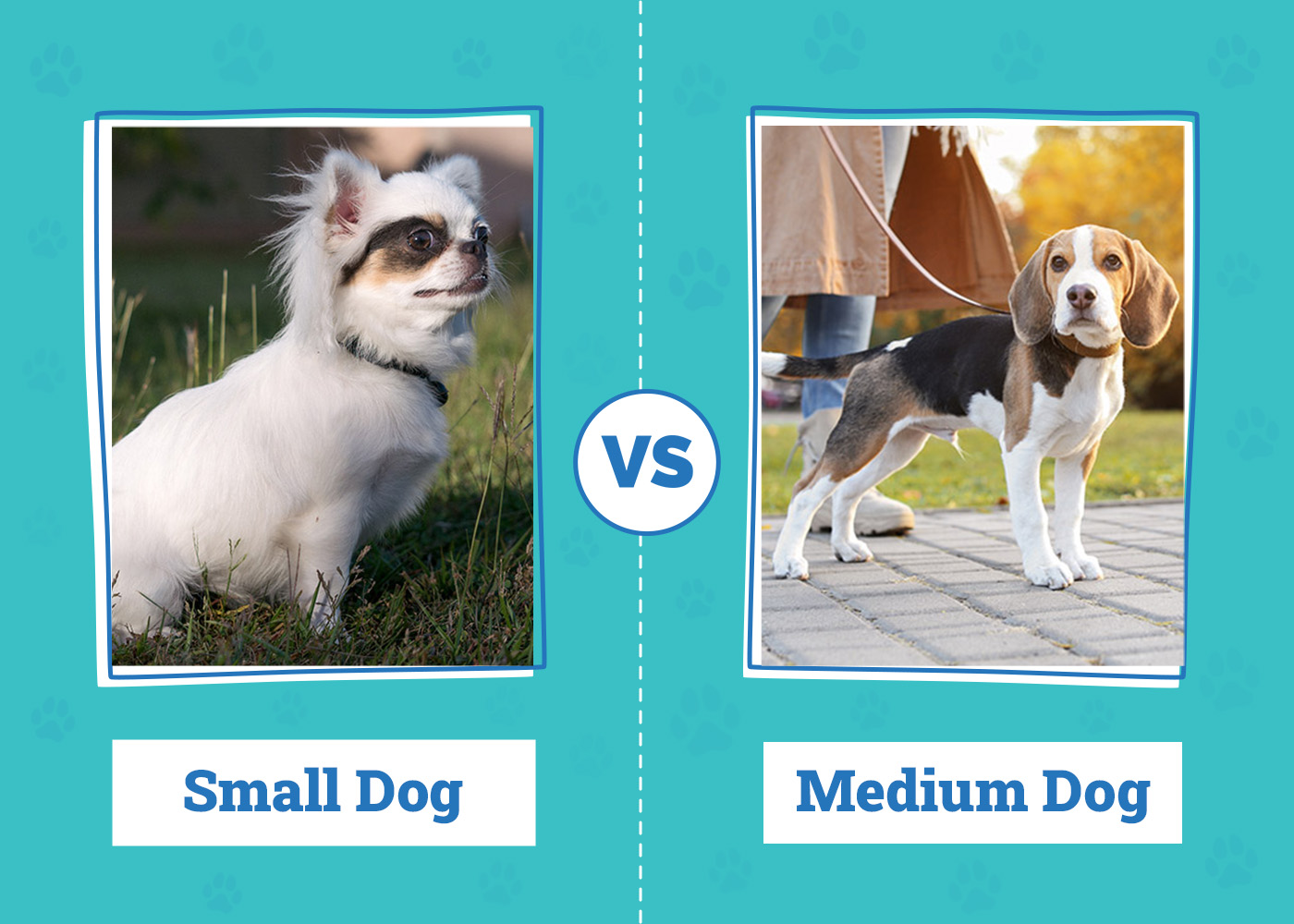
Size is an issue on both ends of the spectrum. Small breeds mature quicker, and tend to live longer, making them a lifetime commitment. Large dogs may not live as long, but they can be more expensive to care for and feed. Other considerations exist with the housing issues we’ve discussed, like if your apartment has a weight restriction or whether you have enough space for your dog to move around comfortably. You should also reflect on your ability to handle a big canine, and that applies to your children, too.

10. Bonding Potential
We’ve discussed the loyalty of some breeds. It’s common for some animals to bond especially closely with people, which can affect the dog’s behavior regarding their protectiveness. Some breeds are more aloof and aren’t as cuddly as others. Therefore, you should think about what you expect from your pet to guide you to an appropriate choice for your lifestyle.
11. Training Issues
Herding breeds and dogs used for pest control, like terriers, often have an independent streak that comes from working alone at their historical jobs. They can be challenging to train for first-time pet owners. Some dogs may have a greater propensity for nippiness, wanderlust, or a higher prey drive. Many of these behaviors are innate. Nevertheless, you should know what to expect with specific breeds.

12. Veterinary Care
Regular veterinary care is vital when you get a dog if just to keep the animal updated on their rabies vaccination. Fulfilling this need touches on your time and financial commitment to owning a pet. Be realistic about your choice. Checking the breed’s history can give you a good idea about any potential health issues. You’ll find your vet is a valuable resource for advice about the care of your new pup.
13. Breed Temperament
Breed temperament is critical in choosing which is suitable for you. Dogs vary in their sensitivity and tolerance of being alone. Some are easygoing and not excitable, whereas others make everything a drama. Some are playful and intense, while others are couch potatoes. Remember that some behaviors are instinctive, but the environment and the animal’s upbringing can also shape their temperament.

14. The Breed's Physical Traits
You should also research the physical traits of the various breeds. For example, some, like Samoyeds, shed a lot, whereas Poodles won’t shed much at all. Likewise, some dogs, such as St. Bernards, drool, whereas you won’t need to carry a towel with you if you get a Beagle or Bichon Frise. Some disreputable breeders may say their pups are hypoallergenic. Unfortunately, these animals don’t exist, and that claim is a myth. But if you have allergies, some breeds may be better suited for you than others.
15. Household Compatibility
Finally, one of the most important factors when deciding on a breed is the animal’s compatibility with your household. We’ve talked about several considerations that may strike some pups off your list. However, we recommend careful thought on this matter. Be honest about what you can bring to pet ownership and what your expectations are. The pooch’s cuteness shouldn’t be the deciding factor.
We also suggest discussing your decision with family members. Figure out who will care for your new pet. Everyone must be on the same page for training, feeding, and exercising your pup. Remember that a dog brings new responsibilities to your household, so ensure these needs are covered.
While a dog’s breed can shape a lot about their personality, it’s important to remember that all dogs are individuals and may veer from what is normal for their breed. Because of this, it’s important to not only consider a dog’s breed but also the individual dog. Most breeders and shelters will offer a trial period where you can have a test run with a specific dog to make sure they’re a good fit without committing to them upfront.

Final Thoughts
Getting a dog is a life-changing experience. The right dog will bring much joy to your home, while the wrong dog could result in relinquishment. Researching breeds is essential since they vary widely in their temperament, energy levels, and traits. It’s a serious decision and one that requires honesty and careful consideration.
Sources
Featured Image Credit: SpeedKingz, Shutterstock
Expert dog care, straight to your inbox
Vet-reviewed advice, training tips, and the best of Dogster. Free, and you can unsubscribe anytime.
By signing up, you agree to our Terms & Conditions and Privacy & Cookies Policy.
Since 2009, Chris has written on a variety of topics. Her motto with all of her writing is “science-based writing nurtured by education and critical thinking.” She specializes in scientific topics, with a special love for health and environmental topics, and of course, pets of all shapes and sizes.
Chris lives happily with her husband and three cats in the land of 10,000 lakes, writing, wining, and boating as much as she can. She and her husband, Norm, were awarded the State of Kentucky Colonel Honor for their restoration work at Mammoth Cave National Park.
Join the conversation
Ask a question, share your story, or send private feedback.