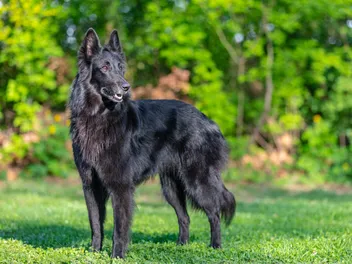
Keeshond: Info, Pictures, Facts & Traits

In this article
The Keeshond is a lively, outgoing dog breed that makes a loving and loyal companion. These medium-sized, intelligent dogs have plush coats and expressive eyes, making them irresistible to dog lovers. Originally bred in the Netherlands, this breed has stolen the hearts of many dog lovers through the centuries and continues to do so with its excellent temperament.
If you’re interested in learning all about this lovely breed, read on for more facts, information, and traits about the Keeshond.
Breed Overview
Height:
Weight:
Lifespan:
Colors:
Suitable for:
Temperament:
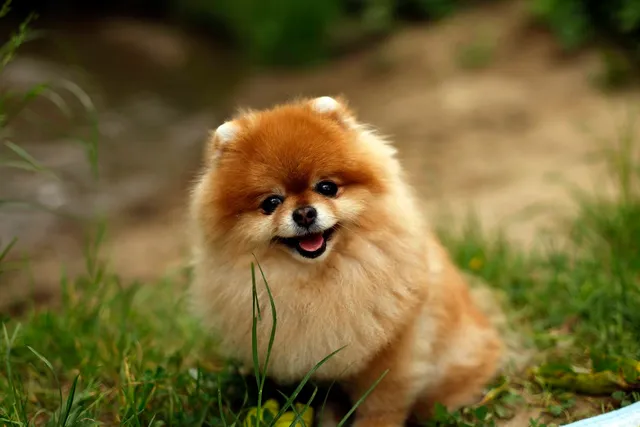
The Keeshond is a purebred dog comprised of Spitz-like dog breeds and is more closely related to the Pomeranian, the American Eskimo, the Husky, and the Samoyed. They are sometimes called Kees for short, and the plural spelling is Keeshonden; however, most refer to them as Keeshonds in the plural sense. These dogs are lively and outgoing, making them perfect family companions. They are attentive to their owners and are quick learners, making them easy to train. They also make excellent watchdogs.
Keeshond Characteristics

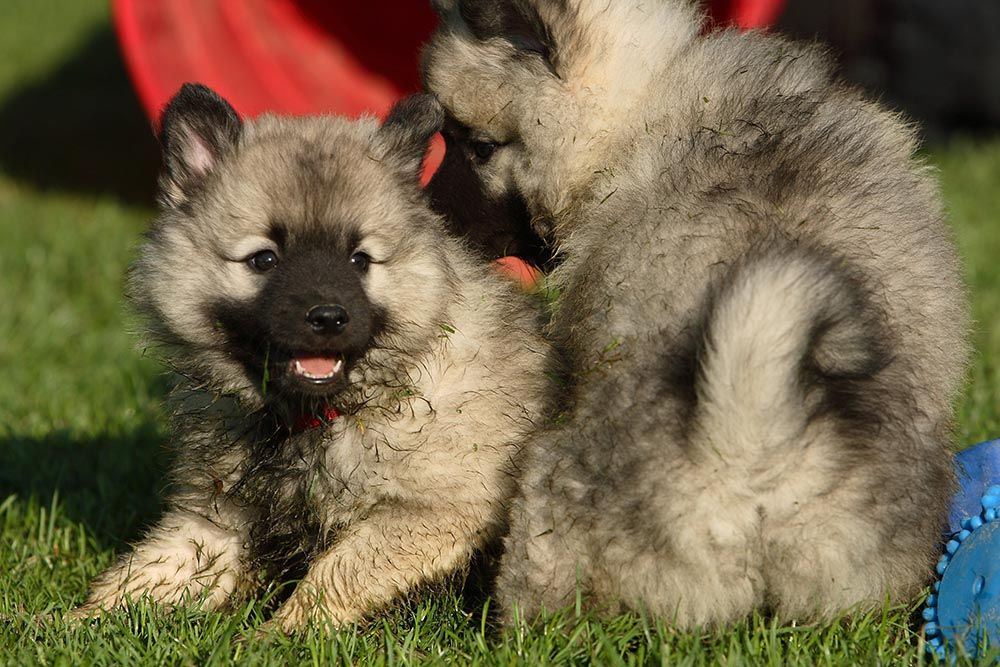
Keeshond Puppies

Before committing to this breed, know that the Keeshond requires moderate exercise with plenty of mental and physical stimulation. They are quite adaptable and can handle apartment living as long as they are adequately exercised daily, but a fenced yard is also ideal. These dogs adore their humans, and all they ask for in return is to be loved. The Keeshond is a perfect fit if you have an active family looking for a faithful, loving companion.
You can find puppies through responsible breeders. You may get lucky and find one in a shelter or rescue, as many dogs may end up in these situations due to life-changing events. If you purchase through a breeder, however, then ensure that they are reputable and provide you with plenty of information and health guarantees.
Keeshond Origin & History
The Keeshond is an ancient breed established in Holland during the 17th and 18th centuries. Known as the Dutch Barge Dog, they were commonly seen on barges traveling up and down the Netherlands' canals and rivers.
Due to political unrest in 18th-century Holland, a Dutchman named Cornelis 'Kees' de Gyselaar led the uprising and was known as the Dutch patriot. He was also known for the dog who accompanied him on barges, and the dog became a symbol of the movement. The breed was later named Keeshond, “Kees” for Gyselaar, and “hond,” meaning “dog” in Dutch.
Unfortunately, the rebellion failed, resulting in the Keeshond’s decreased popularity—owners of the breed did not want to be associated with the unsuccessful political movement. However, the breed was revived in the 1900s in England before becoming popular in the U.S. The American Kennel Club (AKC) recognized the breed in 1930, and the United Kennel Club (UKC) followed in 1936.

Temperament & Intelligence of the Keeshond 🧠
Keeshonden are known for their loving temperaments and loyalty to their owners. They are sociable dogs who thrive on human companionship and are eager to please. They make loving companions and yearn to be a part of your family. They are intelligent, and since they are eager to please, training is not difficult. They are alert, curious, and full of fun with quirky personalities. These dogs are fun-loving and are always up for playtime. They are well-mannered as well but may bark excessively if left alone for long periods of time.
Are These Dogs Good for Families? 👪
Yes! These dogs are wonderful additions to a family wanting a four-legged companion with an awesome temperament. They are all about their humans and enjoy quality time with them. They also make excellent watchdogs but are not aggressive. After a fun day of play or adventures, the Keeshond will cuddle up for snuggles.
The Keeshond does require moderate exercise, and like with many breeds, the Keeshond may become destructive if left alone for long periods; digging may be an issue if not trained out of habit.
If you’re a runner or love taking long walks, the Keeshond is the perfect companion to take along with you. They also excel in agility courses and are athletic pups. In short, the Keeshond is adaptable and will be happy just being with their humans.

Does This Breed Get Along With Other Pets? 🐶 😽
Unlike most old breeds, the Keeshond was not generally bred to hunt, so they get along well with other pets. They love to go to dog parks and have no problem mingling with other dogs. They prefer having a dog brother or sister, so the Keeshond is a no-brainer if you have a dog that gets along well with other dogs. However, the Keeshond will still require socialization to be well-mannered, but since they are smart and eager to please, they are fairly easy to train.
Things to Know When Owning a Keeshond
Food & Diet Requirements 🦴
The Keeshond does well on premium, high-quality dry dog food that doesn’t contain artificial ingredients. The first ingredient listed should be high-quality protein, such as fish, beef, or chicken. It’s important not to free-feed the Keeshond because that can lead to obesity. They do best with 1–2 cups daily, divided into morning and evening feedings.
Ensure the food is age-appropriate for your Keeshond’s age (puppy, adult, senior) and follow the feeding guidelines on the package. You can make homemade meals, but we strongly encourage you to consult your vet beforehand to ensure all nutritional needs are being met. Dogs require certain vitamins, minerals, and amino acids in their diet, and if you make meals yourself, you’ll likely need to add supplements to make the dog food complete and balanced under your vet’s supervision.
Exercise 🐕
As we know, the Keeshond requires moderate exercise. Taking your Keeshond for daily long walks or runs of roughly 35–45 minutes will keep them fit and mentally satisfied. These dogs will enjoy hiking (as long as it’s not too hot) and also love to compete in agility, which is fun for the whole family. After a nice exercise session, the Keeshond will cuddle up with you and watch TV.
Keep in mind that they are adaptable and can live pretty much anywhere. They have been known to live with humans on vast lands where they can run freely and on barges with little room. As long as they are exercised daily, the Keeshond will do just fine.
Training 🎾
The Keeshond is intelligent and highly trainable with positive reinforcement. In fact, they excel in obedience trials in addition to agility, and their eagerness to please their humans is a plus. The Keeshond will have no trouble learning basic commands like “sit,” “stay,” and “come.” After your pup has mastered these commands, you can move on to more advanced training with agility if desired.

Grooming ✂️
The Keeshond has a double, thick undercoat that requires regular grooming. Brushing the coat with a pin brush twice a week will remove dead hair and keep it in good shape. The hair around the feet and paw pads will need trimming as needed. You can bathe the Keeshond every 4–6 weeks, or you can have a professional groomer do this for you if desired.
Brush the teeth several times a week using dog-safe toothpaste, check the ears regularly, and clean them as needed with a gentle dog ear cleanser. Trim the nails once a month or as needed.
Health and Conditions 🏥
Responsible breeders will “breed out” certain medical conditions to which these dogs may be prone, meaning they only breed dogs who have been checked and cleared of certain issues that could be passed down. Because of this, you don’t see too many Keeshonds with particular health issues. However, you cannot rule out the possibility. Here’s what to look for in these dogs:
Male vs. Female
There isn’t much difference between the two sexes. Males are slightly bigger, but not enough to make a huge difference. Deciding on gender is really more dependent on your personal preference. Know that many behavioral problems can be solved by simply spaying or neutering your pup, and it’s healthier for them in the long run to prevent certain illnesses, such as testicle or uterine cancers. We recommend consulting your vet regarding the appropriate age to spay/neuter.
3 Little-Known Facts About the Keeshond
1. They Are Known as “The Smiling Dutchman”
Keeshonden are known for their lip-curled grins. Since the breed originated in Holland, the nickname “the smiling Dutchman” stuck and is still used today.
2. They Look Like They’re Wearing Glasses
Keeshonden are adorable with their fluffy coats and lip-curled grins. To add to their cuteness, the coloring and shading around the eyes make them look like they are wearing spectacles, especially with the dark line extending from each eye toward the lower ears.
3. They Make Excellent Therapy Dogs
It’s no wonder these dogs make exceptional therapy dogs, given their undeniable sweet temperaments and loving personalities. They are known for being affectionate, and they have no problem soothing the sick and injured.

Final Thoughts
Hands down, the Keeshond makes an excellent family companion and can be a welcomed addition to any active family. They are highly adaptable and can live anywhere as long as they are exercised daily. The coat requires regular grooming with occasional baths and brushing the coat at least twice a week, but this can easily be done by the owner. They are intelligent, highly trainable, affectionate, and sociable dogs who will steal your heart with their loving temperament and expressive, adorable eyes.
Featured Image Credit: stockfoto, Shutterstock
Expert dog care, straight to your inbox
News, insights, expert advice, and everything dog.

No spam — unsubscribe anytime.
By signing up, you agree to our Terms & Conditions and Privacy & Cookies Policy.
How useful was this post?
Click a star to rate. You can leave written feedback afterwards. (We read all feedback.)
Rachel Giordano is a writer and musician living in Pensacola, Florida, with her partner and their two dogs, Aero, a Border Collie/Sheltie mix and Sophie, a Boston Terrier. Rachel holds a Bachelor of Arts degree in communication and loves writing about animals of all types. When she’s not writing about pets, she loves to write suspense/thriller novels. A musician by night and writer by day, she enjoys educating the public about the needs and requirements of animals, big and small.