Get

In Your Inbox

Dogster is reader-supported. When you buy via links on our site, we may earn an affiliate commission at no cost to you. Learn more.

Can Dogs Have Persimmons? Vet-Verified Nutrition Facts & FAQ

Share

Dogster-Can-Dogs-Have-Persimmons
Disclaimer:

As with any new foods and treats, it’s always advisable to consult with your veterinarian before giving persimmons to your dog. Whether a particular food is suitable for your dog will depend on many factors including their age, activity level, health status and whether they are on a special diet.

Persimmons make a versatile addition to the kitchen and infuse foods with a delightful sweetness and unique health benefits that parents, kids, and even our pets can enjoy. Dogs can eat persimmons as an occasional treat without issue if you supply them in moderation and prepare them properly. Here’s a look at the potential benefits and risks of feeding persimmons to your dog and how you can safely offer them as a flavorful, sweet treat.

Dogster divider_v2_NEW_MAY_24_

Why Can Dogs Eat Persimmons?

Persimmons are a sweet fruit rich in nutrients that can supply several health benefits for humans and their dogs. Your canine companion should be getting all their essential nutrients from their regular, complete daily diet. However, when they eat persimmons as an occasional treat, they will enjoy an assortment of vitamins, antioxidants, and fiber which can help promote overall health and vitality.
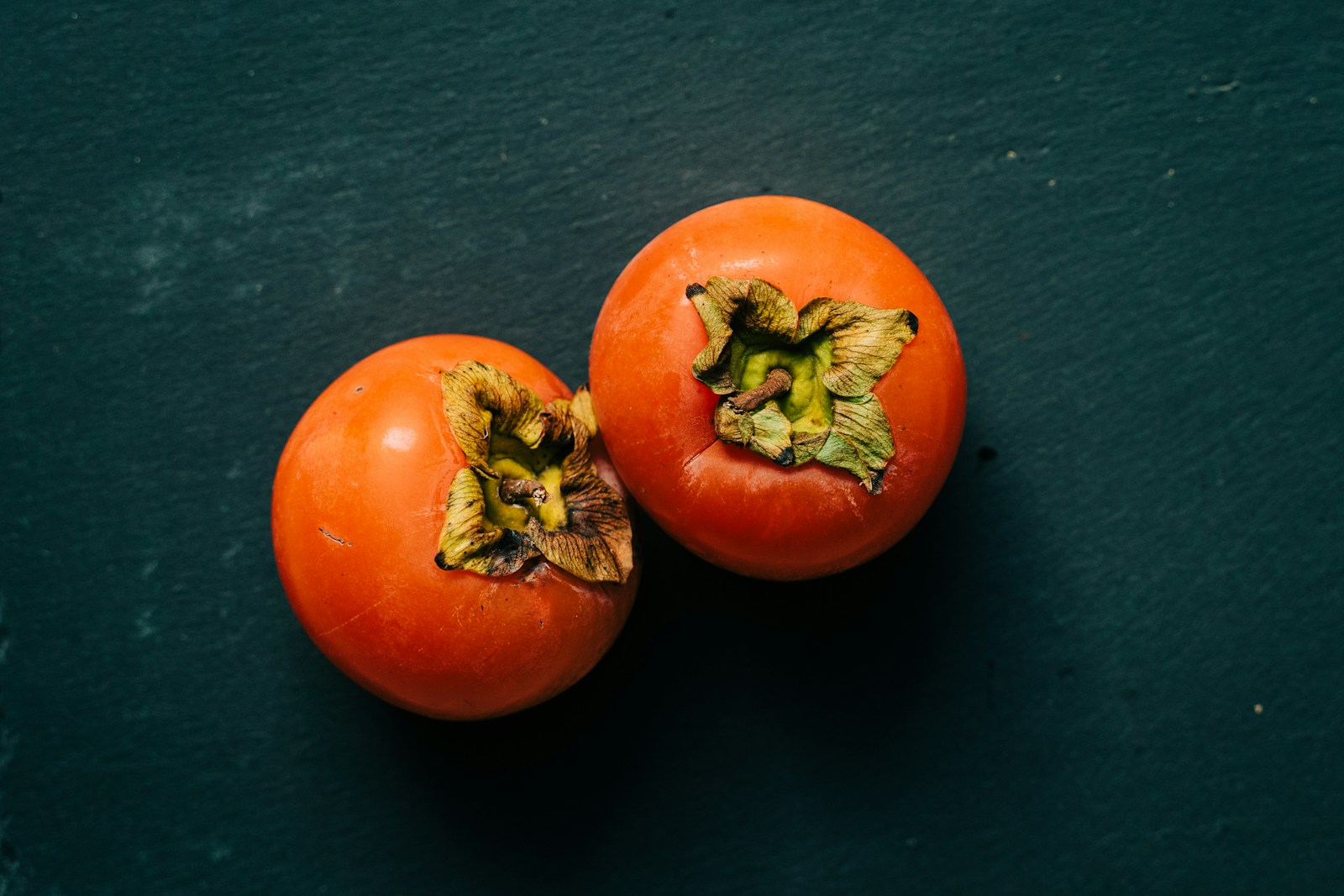
3 red persimmon on black textile
Photo by: Gabriella Clare Marino, Unsplash

1. Antioxidants

Persimmons are a source of various antioxidants, including flavonoids and carotenoids. By combating oxidative stress, antioxidants reduce inflammation, support healthy immune function, and can potentially even reduce the risk of chronic diseases.


2. Vitamin A

Vitamin A is a fat-soluble vitamin that benefits numerous organs and systems throughout the dog’s body. It supports vision, healthy skin, and reproduction.

owner petting a happy dog
Image Credit by: Bachkova Natalia, Shutterstock

3. Vitamin B

Persimmons contain generous amounts of vitamin B complex vitamins, particularly B6 (pyridoxine). Pyridoxine helps maintain healthy immune, nervous, and endocrine systems and aids red blood cell development.


4. Vitamin C

Vitamin C is not an essential nutrient for dogs, as they synthesize it in the liver, but it can be a valuable mealtime addition for dogs with certain health conditions.

Vitamin C is another immune system booster boasting antioxidant properties. It also supports collagen production, helping maintain a dog’s joint, skin, and coat health.


5. Manganese

Manganese is a trace mineral (micromineral),and is only needed in tiny quantities. It is essential for bone development and metabolism.

Happy Shih tzu dog sitting on green grass
Image Credit: Orawan Pattarawimonchai, Shutterstock

6. Fiber

Persimmons contain soluble fiber, which can be highly beneficial for promoting digestive health. Soluble fiber supports the development of healthy gut bacteria and helps absorb water, improving digestion and bowel movements.

Dogster divider_v3_NEW_MAY_24_

Dangers of Persimmons

While the sweet flesh of persimmons is safe in moderation, the skin and seeds can cause health issues for dogs if ingested. They aren’t toxic like seeds from other fruits, such as stone fruits or apples, but can cause digestion issues, particularly in smaller dogs.

Seeds and Skin May Cause Stomach Obstructions

Skins and seeds contain indigestible plant fibers that combine to form undissolvable masses in the gut called phytobezoars. Persimmon phytobezoars are well-documented in people, horses, and some other mammals and can also occur in dogs that ingest too much, especially if they eat unripe fruit.

The persimmon’s tannins combine with stomach acids and the fruit’s cellulose, lignin, and other fibrous compounds, congealing into a hardened phytobezoar. While dogs may pass them, phytobezoars often create gastrointestinal obstructions, causing signs including:

  • Vomiting
  • Diarrhea
  • Loss of appetite
  • Weakness
  • Abdominal pain
  • Severe constipation

Vets can sometimes resolve phytobezoars with an endoscopy, sending a tube down the throat to remove the mass. In many cases, they require surgical removal.

Fortunately, more tannins generally create more astringency. Astringent persimmon varieties are only edible when almost over-ripe, and dogs often dislike the mouth-drying effects too much to eat an excessive amount.

beagle dog lying on bed looking sick
Image Credit: HelgaBragina, Shutterstock

Sugar Content

Like other fruits, persimmons are high in natural sugars. Excess sugar can cause gastrointestinal upset, and if dogs are fed excessive amounts of this fruit it can contribute to weight gain and obesity.  The additional calories persimmons contain must be taken into account as part of a dog’s daily calorie intake.

Dogster divider_v3_NEW_MAY_24_

How to Give Your Dog Persimmons

If you remove the seeds and skin and only offer ripe persimmons in moderation as a once-in-a-while treat, most dogs won’t feel any adverse effects. Chop the flesh into bite-sized morsels to see if your dog likes it, and monitor for adverse reactions.

You should always check with your vet before offering persimmons as a treat and supervise your dog’s access to them to prevent overindulgence. Keep your dog away from them outside if you or a neighbor grow persimmons in the garden, and elevate the fruit bowl on the table to stop counter-surfing pets from sneaking a bite.

If you need to speak with a vet but can't get to one, head over to PangoVet. It's our online service where you can talk to a vet online and get the personalized advice you need for your pet — all at an affordable price!

PangoVet_Mention-in-Content Savings V1

How Much Persimmon Can Dogs Eat?

Persimmons can be a tasty occasional snack for dogs, but they of course lack the complete nutrition necessary to keep your dog healthy and happy. All treats, including persimmons, mustn’t account for more than 10% of a dog’s daily calorie intake. Offer them sparingly, at most once or twice a week, as a special treat.

Dogster divider_v2_NEW_MAY_24_

Conclusion

When given sparingly without the seeds and skins, persimmons are safe and can bring some immune-boosting benefits to your dog’s diet. You can give them a small piece to see how your dog likes it, and if they gulp it down without issue, you can feel confident in sharing this healthy snack with them occasionally.

See Also: 


Featured Image Credit: Estúdio Bloom, Unsplash

Want content like this delivered to you?

Sign Up For Our Newsletter

News, insights, expert advice, and everything dog

* By submitting, you agree to our Terms & Conditions and Privacy & Cookies Policy.


How useful was this post?

Click on a star to rate (you can leave written feedback after clicking submit)

Help us improve Dogster for pet parents!

Your feedback really matters.

What did you like about this post? Also how can we improve it?

Join the conversation

Leave a Reply

You’re very welcome to leave a comment or question. Please know that all comments must meet our community guidelines, and your email address will NOT be published. Let’s have a positive and constructive conversation.


Talk With A Vet Online

Peace of mind,
anywhere, anytime

Affordable vet advice

Rattlesnake Training for Dogs: 8 Vet-Approved Tips to Keep Your Pup Safe

Hiking with your dogs is one of the best ways to strengthen your bond and give you an excellent workout. One of the...

Great Pyrenees vs Newfoundland: Differences Explained (With Pictures)

The Great Pyrenees and the Newfoundland have hearts bigger than their physique and are popular companions for owners looking for large, gentle dogs....

Pit Bull Discrimination: Vet-Verified Facts & Explanation

Certain dog breeds have a general public reputation. Some dogs, like Golden Retrievers and Labrador Retrievers, have reputations for being popular companion dogs....

Dog Stomach Noises: When Gurgling Means Trouble

Your dog is lying next to you on the couch. The house is quiet. And then you hear it—a low, rolling gurrrrgle coming...

More related

How to Get a Scared Dog to Trust You: 10 Vet-Approved Tips & Tricks

Winning over a canine that has been hurt in any way, whether it be emotionally or physically, can be a real challenge. Some...

4 Adorable Cavalier King Charles Spaniel Haircuts (with Pictures)

According to the breed standard, Cavalier King Charles Spaniels aren’t supposed to have haircuts. However, if you’re not planning to take your dog...

12 Vizsla Pros and Cons: Vet-Reviewed Traits & Characteristics

If you’re thinking about getting a Vizsla, you want to learn all about them so you know exactly what you’re getting yourself into...

Do Newfoundland Dogs Shed a Lot? Vet-Reviewed Grooming Needs & Care Tips

According to AKC, the largest purebred dog registry in the world, Newfoundlands are among the largest dogs on the planet.1 This strikingly powerful...

Keep reading

Can Dogs Eat Fish? Vet-Verified Facts & FAQ

Though fish is most commonly associated with cats, many dogs love it, too. If your dog goes bonkers for a fishy treat, they’re in luck—in most cases, dogs can safely eat certain types of fish as long as they’re prepared...

Can Dogs Eat_Fish

8 Best Dog Foods for Boston Terriers in 2026 – Reviews & Top Picks

Boston Terriers are affectionate and loving dogs that make wonderful family pets. Their tuxedo black-and-white markings have given them the nickname the “American Gentleman.” If you own one of these dogs, you know how amazing they are and you want...

boston terrier dog eating from white bowl

10 Best Dog Foods for Rat Terriers in 2026 – Reviews & Top Picks

Rat Terriers are adorable, medium-sized dogs that can bring light to your world. They are compact little dogs coming in at around 13 inches tall that love to play, be loved, and are tough as nails. Like with any dog...

Rat Terrier Smiling

Why Do Dogs Eat Rabbit Poop? 11 Vet-Reviewed Reasons

Our dogs do all sorts of things that are strange to us, but one of the most bizarre and disturbing behaviors is when they eat feces. If you’ve been unfortunate enough to witness your dog eat rabbit feces, you are...

Maltese Dog Licking

Can Dogs Eat Palm Oil? Vet-Verified Facts & Info

You probably don’t have a bottle of it in your pantry. However, you probably consume palm oil every day. It’s big business, with global production for 2024 estimated at 80,194 million metric tons.¹ It has become widespread in a broad...

Can Dogs Eat Palm Oil

Can Dogs Eat Pine Nuts? Vet-Verified Nutrition Facts & Considerations

There are many pieces of misinformation floating around the web on what is and is not safe for your canine companions. One of these very topics might have to do with pine nuts. Are pine nuts toxic to dogs? No,...

Dogster-Can-Dogs-Eat-Pine Nuts

Can Dogs Eat Acai Berries? Vet-Verified Info, Benefits & Risks

Pet owners are constantly on the lookout for foods that are safe, and beneficial, to their pets. With all the new superfoods entering our lives, it’s only natural for us to be curious as to whether we can share those...

Can Dogs Eat_acai berry

Is Insect-Based Dog Food Safe for My Pet? Vet Approved Facts & FAQ

Does the thought of eating a cricket or grasshopper make your stomach churn? Despite the “yuck” factor, many bugs are protein-rich. While you may not be interested in eating bugs, your dog might be! Insect-based pet food has hit the...

French bulldog eating from a bowl

Love Dogs? So Do We! Join the Dogster Community

Stay informed with expert pet care insights delivered straight to your inbox! Discover professional guidance on animal behavior, feeding tips, trusted product picks, and much more.


Sign up for the Dogster Email Newsletter