In this article
Most dog owners will have experienced their dog pooping in the house at one point or another. When it happens as a one-off it is infuriating and unpleasant, but it isn’t necessarily anything to be concerned about. Your dog may have been startled, or it ate something that needed expelling sooner than your dog would have been let out to use the toilet. It is also quite common during and immediately after toilet training a puppy: accidents can still happen for a while after. However, if your dog has started pooping indoors regularly, it could be cause for concern and the reason certainly needs investigating.

Reasons for Indoor Pooping in the House
Dogs do not soil indoors to get their own back, as revenge, or just for fun. There is a reason that your dog poops indoors. Without proper training, your dog won’t understand that pooping indoors is bad, for example, and if it has suddenly started after years of successful outdoor ablutions, it could be a sign of illness or some environmental factor that prevents the dog from doing its business in the yard or on a walk.
The 8 Common Causes of a Dog Pooping in the House
1. Lack of Consistency in Potty Training
Housetraining, or potty training, takes time and consistency. Going a whole day without any accidents is a sign of progress, but it doesn’t mean that your dog has mastered it. You need to be consistent, and you need to continue with potty training for several months.
Get into a schedule of letting your dog out, or going for a walk, after meals and first thing in the morning and last thing at night. This schedule not only minimizes the length of time that your dog is left indoors without the opportunity to poop, but it coincides with times when they are most likely to want to go. Continue to praise and reward and do make sure that your puppy is pooping when it goes out.
Despite the adage, it is possible to train older dogs to go outside rather than inside, but it does take extra time and requires a lot of persistence and consistency.
2. Left Too Long
Most experts recommend that an adult dog should not be left longer than 6 hours at a time. Overnight, your pup may be able to go 8 hours without needing to go outside but do ensure that you let them out last thing at night and first thing in the morning. A common reason that dogs poop indoors is simply because they haven’t been given enough opportunity to poop outdoors. Get a dog door or have somebody come and let the dog out at lunchtime if you think they are struggling to last the whole day.

3. Separation Anxiety
Some dogs suffer separation anxiety, which means that they have severe feelings of anxiety when left by their owners. Separation anxiety can be more common in certain breeds of dog. Labradors, Collies, Spaniels, and even German Shepherds, are some breeds that are prone to this problem, despite being among the most popular pet dog breeds.
However, regardless of breed, any dog can be prone to this type of anxiety. Give your dog plenty of toys, including treat toys that will keep them busy for hours, and start with short bouts of separation before building up to leaving your pup for hours at a time. It is possible to combat separation anxiety in some dogs, but it can be a problem for some dogs throughout their lives.
4. Other Anxiety
Separation anxiety is just one form of anxiety that is common in pet dogs. Anxiety can be caused by fear of loud or unexpected noises. If your dog is especially protective of your house or family, it can be very anxious if it hears noises outside the house, and if you aren’t there as a means of reassurance, it is likely to be an even bigger concern for your favorite canine.
The anxiety may come when the dog is outdoors, at a time when it should be emptying its bowels. If you let your dog in the yard and don’t supervise its time, you won’t notice this anxiety, and it may not be a problem when you are outside. Such causes of anxiety could include hearing the neighbor’s dog barking or being anxious that you aren’t going to let it back into the house.

5. Didn’t Go When Outdoors
Some dogs view their time in the yard as an opportunity to wee and poop. Others enjoy breathing the fresh air and taking in the sights and sounds that they don’t ordinarily get to experience. Ideally, your dog will enjoy some of both of these outdoor benefits.
If you find that your dog is pooping not long after being outdoors, you should try and watch what they do while in the yard. If they are too busy smelling plants, they may not properly poop. Even wild animals could be causing a problem and putting your dog off doing its business.
6. Illness
Food allergies and sensitivities can cause gastrointestinal upset that includes vomiting, diarrhea, and an unexpected need to poop. Sometimes, a poorly dog simply cannot hold their poop in. Look for allergens in your dog’s food and make sure they are not picking up tidbits from anywhere else.
There are many conditions that can cause this unwanted behavior, including, but definitely not limited to, gastrointestinal parasites and inflammatory bowel disease.
Speak to a veterinarian so you can rule out any health conditions and get advice on what approach might be best to help your dog.
If you need to speak with a vet but can't get to one, head over to PangoVet. It's our online service where you can talk to a vet online and get the advice you need for your pet — all at an affordable price!
7. A Change in Diet
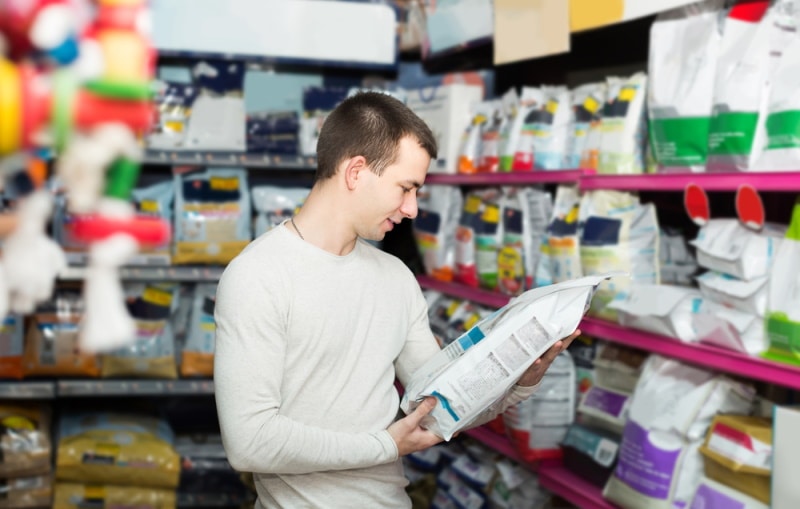
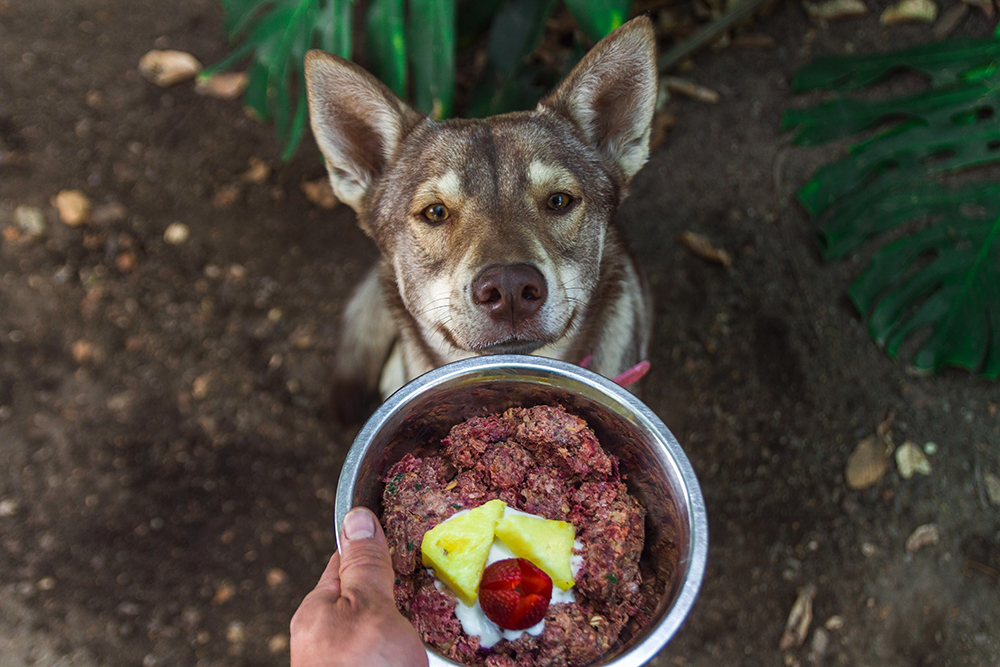
Dogs have somewhat sensitive stomachs, although it’s difficult to believe if you’ve seen your pooch rifling through the bins and the cat litter tray. A sudden change in diet can lead to intestinal upset, so if you are changing their food from one to another, you should make the change gradually.
Start by feeding a ratio of 75% old food and 25% new food for two or three days, and then 50%/50% for another two or three days. At this point, you can move to 75% new food and 25% old food and then feed just the new diet. If your dog still struggles after gradually introducing a new food, it could be allergic or sensitive to an ingredient in the new food.
8. Aging
An aging dog is more likely to have accidents in the house and these are usually caused by some condition related to getting older. Muscular atrophy, loss of sphincter tone, or even age-related dementia could make it impossible for your senior pup to get outside or to hold in their poop. There isn’t much that can be done for aging, other than changing habits, ensuring that your dog is on a life-stage appropriate diet, and being as understanding as possible.

How to Stop a Dog From Pooping in the House
Stopping a dog from pooping in the house means first identifying the likely cause of the problem, and then remedying that.
- Proper Training: Do ensure that your pup has proper and thorough potty training. Don’t assume that a few successful days means that you’ve mastered going outside to the toilet. Keep up the good work and introduce a reliable and regular schedule.
- A Reliable Schedule: Unless yours has a dog door and regular access to that door, dogs don’t have the luxury of being able to poop whenever they want, like we do. They need a reliable schedule that will enable them to hold it in until it is toilet time. Walk or let your dog out first thing in the morning, before and after you leave him for any length of time, and last thing at night, as well as after mealtimes if these don’t coincide with the rest of the schedule. Try and stick closely to the same schedule and involve other family members if you need to.
- Gradual Diet Changes: There come times when pet owners need to change their dog’s diet. Doing so quickly and without warning can cause indoor littering problems. Try to introduce a new diet over ten days to two weeks to prevent diarrhea and other intestinal complaints, and if your pup does still suffer after this time, check for potential allergens.
- Toys and Entertainment: Separation anxiety is a common cause of inappropriate littering and it can lead to other problems and behavioral issues in some dogs. Ensure your pooch has plenty to do while you’re out. Offer toys. Fill treat toys with biscuits to give them something to do. Ask a neighbor or family member to pop in and check on the dog. Even leaving a radio on could reduce anxiety and prevent pooping indoors.
- Vet Visits: If unwanted littering is related to an illness or health condition, take your dog to a vet and have them checked over. It could be a simple problem with a simple solution, but you won’t know until it is investigated.
- See also: Best Doghouses – Reviews & Top Picks
Why Is My Dog Pooping in the House?
There is always a reason why a dog is pooping in the house. It could be an emotional response, for example as a symptom of separation anxiety. It could be a physical response to a change in diet or illness. It could also be a behavioral response: if you have adopted a dog that was kept outdoors or was never litter trained, it won’t even know that it should be going outside rather than indoor
should be going outside rather than indoor. Be understanding but be consistent in training and have any potential health problems checked out as soon as possible.
Related Reads:
- What Dissolves Dog Poop in the Yard? Great Options
- How to Get Dog Poop Smell Out of Shoes — Possible Ways
- How to Get Dog Poop Smell Out of Hardwood Floors – Possible Ways
Featured Image Credit: Budimir Jevtic, Shutterstock