In this article
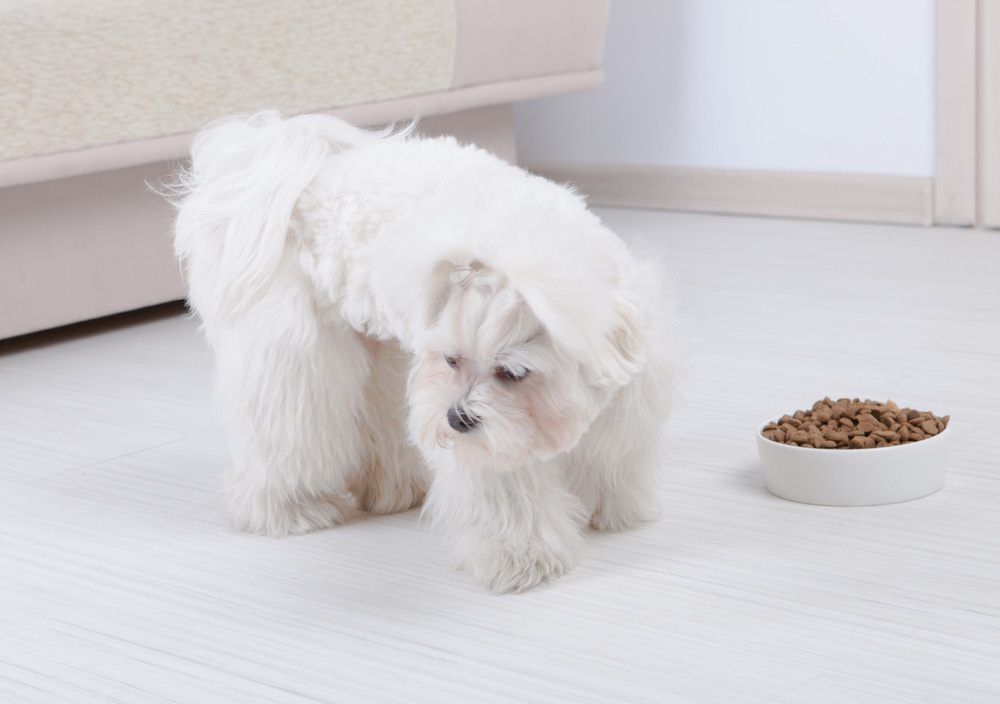
View 3 More +Not all dogs need raincoats. However, some dogs may benefit from them depending on their breed. Single-coated dogs like Boxers, Dalmatians, and Maltese don’t have a dense undercoat, making them more susceptible to the cold and wet. Therefore, they may benefit the most from an extra layer of protection when it is rainy.
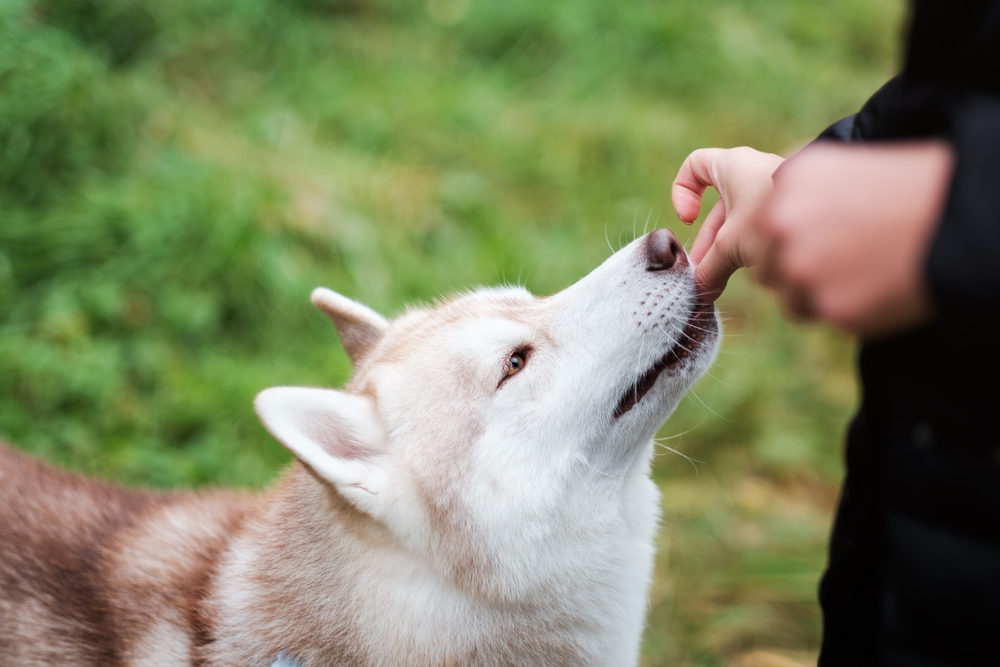
Double-coated breeds have a built-in layer of insulation underneath their top coats. Their topcoat is designed to be water-resistant and protects their insulating layer from getting wet. These dogs don’t typically need a raincoat, as they are already protected from the rain.
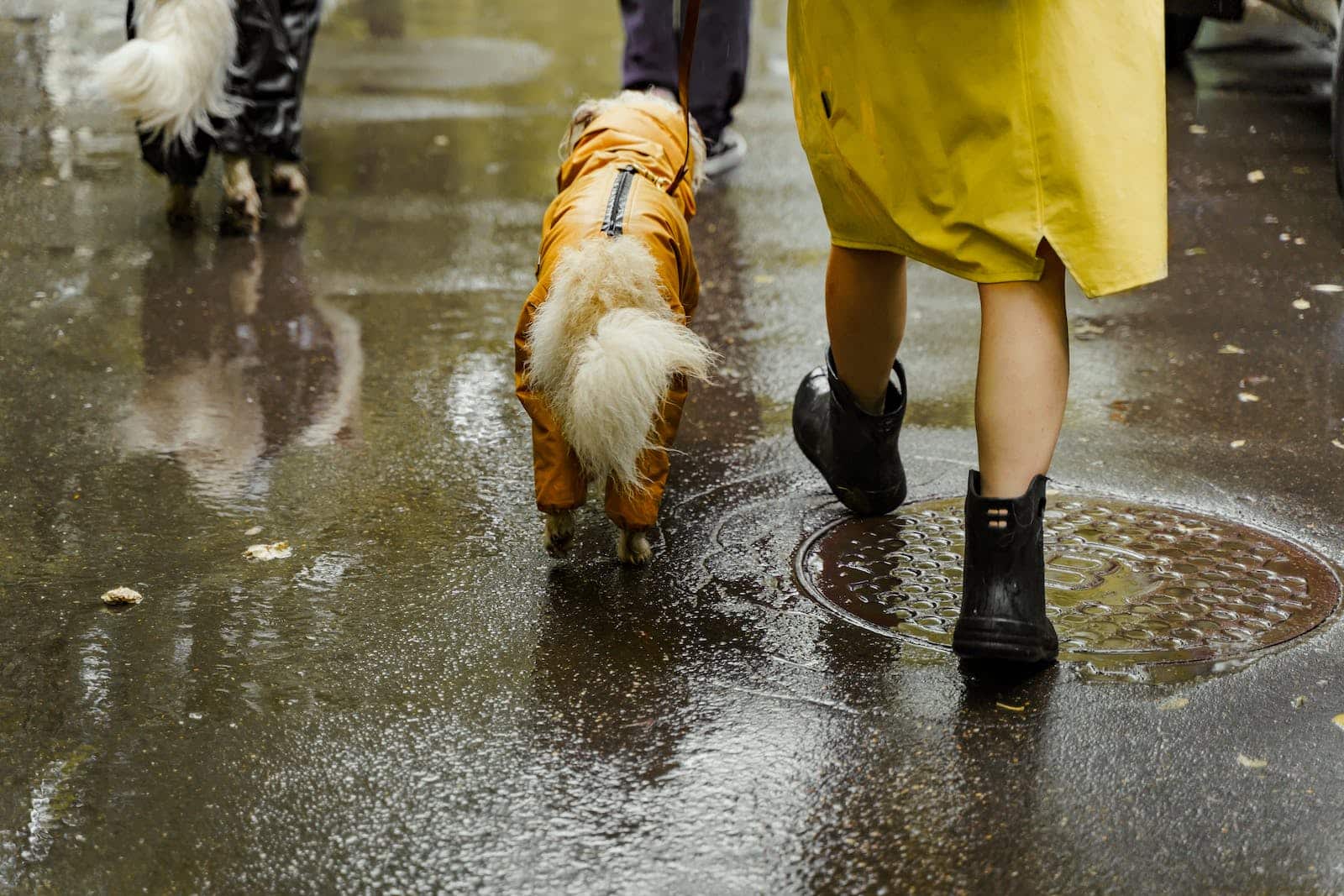
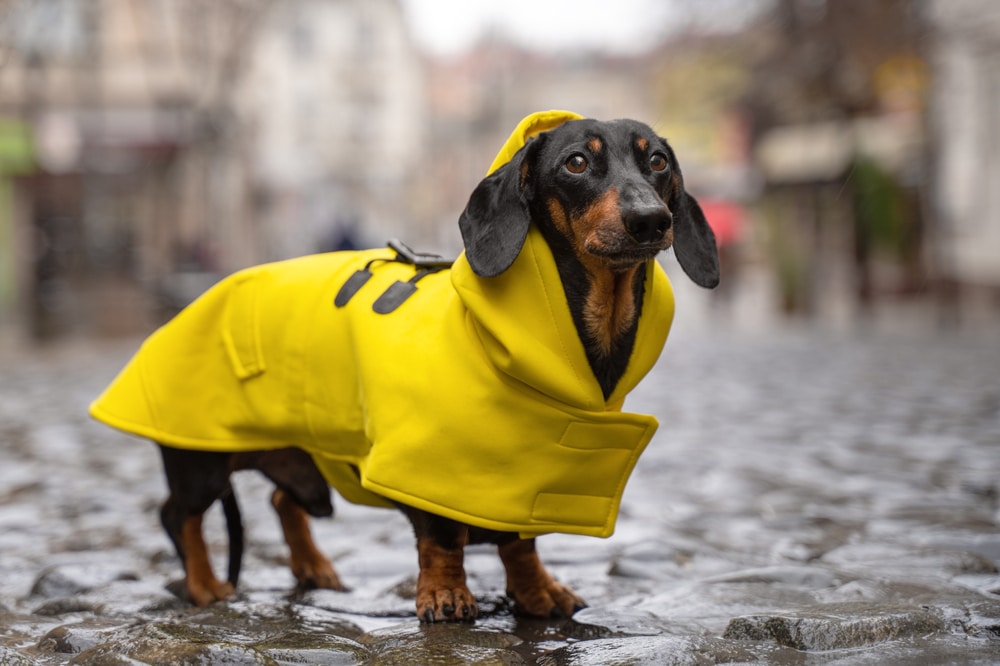
Short-legged breeds like Corgis and Dachshunds benefit from a raincoat, too. Their shorter legs bring them closer to the ground, making them more prone to getting wet and muddy. Raincoats with underbelly protection can keep them cleaner and drier.
Of course, there are some other factors to consider, too. Let’s take a look at them.

Factors for Determining if Your Dog Needs a Raincoat
Your dog’s breed is probably the most important factor to consider when determining if your dog needs a raincoat. However, that isn’t the only factor you should consider. Puppies, senior dogs, and sick dogs benefit from a raincoat more than a healthy adult dog. They are more susceptible to wet, cold weather, and the extra protection of a raincoat can be very helpful.
If you live in a climate where it rains a lot, you may need a raincoat for your dog, no matter their breed or age. On the other hand, if it rarely rains where you are or remains warm for much of the year, even a short-haired dog may not need a raincoat. Can you simply avoid going outside when it rains? If you can, a raincoat may not make much sense.
Some dogs don’t like getting wet and actively avoid using the bathroom when it rains. A raincoat may be the next best option if you can’t build a covered potty area. Smaller dogs particularly seem to fall into this category.
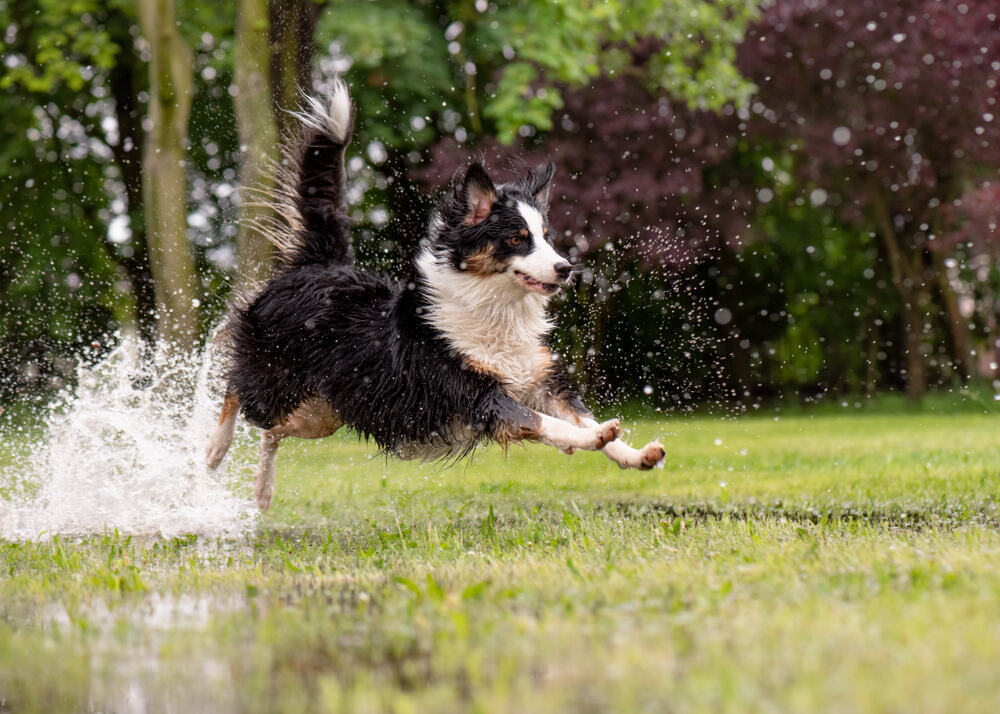
On the other hand, if your dog doesn’t mind the rain, they may not need a raincoat.
Pros of Dog Raincoats
There are several benefits to purchasing a raincoat for your dog, including:
- Comfort: Raincoats can keep single-coated, short dogs comfortable when it is raining outside. Otherwise, they can get cold and soaked pretty quickly. Just like we don’t like being cold and wet, our dogs don’t, either. Shivering and discomfort can be avoided with a raincoat.
- Cleanliness: Even if your dog doesn’t seem to mind the rain, cleaning them afterward can be a headache. Shorter dogs are especially prone to getting muddy, so having an extra layer of protection can be helpful.
- Visibility: Most dog raincoats are reflective, which makes your dog more visible to others when it rains. While this feature isn’t the main benefit of raincoats, it can make rainy walks safer.
- Extra protection: Many raincoats also offer protection from the snow, wind, and sun. They can be used in all types of bad weather.
Cons of Dog Raincoats
Of course, not everything about doggie raincoats is great! There are some downsides to consider, too:
- Cost: Raincoats are an expense you may not want to add to your dog’s care budget. A quality raincoat can be very expensive, especially for larger dogs.
- Fit and comfort: Dogs may not like wearing clothes, even more practical clothes like raincoats. A poorly fitting raincoat can restrict your dog’s movement, rubbing against their skin and causing discomfort. Dogs may dislike their raincoat more than the rain itself.
- Overheating: In warmer weather, raincoats trap heat and can lead to overheating. Even if it rains, your dog can still overheat from the raincoat. Raincoats are not breathable, and a dog cannot tell you when they are hot.
- Damage and wear: Active dogs can quickly rip and damage their raincoats. You may need to purchase another, which can be expensive. Even if you spend $100 on it, a raincoat will not last forever.
- Training: Dogs may require training to wear their coat without a complaint. Some dogs may struggle to wear them, even with plenty of training.
The 4 Things to Consider When Buying a Raincoat
If you decide to get a raincoat, buying a high-quality one is important. Otherwise, it may not work properly, fit well, or withstand regular activity.
1. Fit
The most important factor is the fit. A poorly fitted raincoat can be uncomfortable and cause chafing, and your dog may not even be able to walk in it correctly. However, most raincoats have a sizing guide. Make sure you use it and measure your dog carefully. Ensure it fits your dog well before you expect them to wear it around. Don’t force your dog to wear it if it doesn’t fit.
2. Comfort
Your dog’s comfort is also important, and choosing a material that feels soft and comfortable is vital.
3. Waterproofing
Of course, because it is a raincoat, waterproofing is also important. Make sure the raincoat is actually waterproof and protects your dog from getting wet. Water-resistant coats will help to some extent, but they won’t keep your dog completely dry.
4. Reflective Features
We recommend buying a raincoat with reflective features. In a heavy rainstorm, your dog will be hard to see. Adding reflective features makes your pup more visible to cars.
Final Thoughts
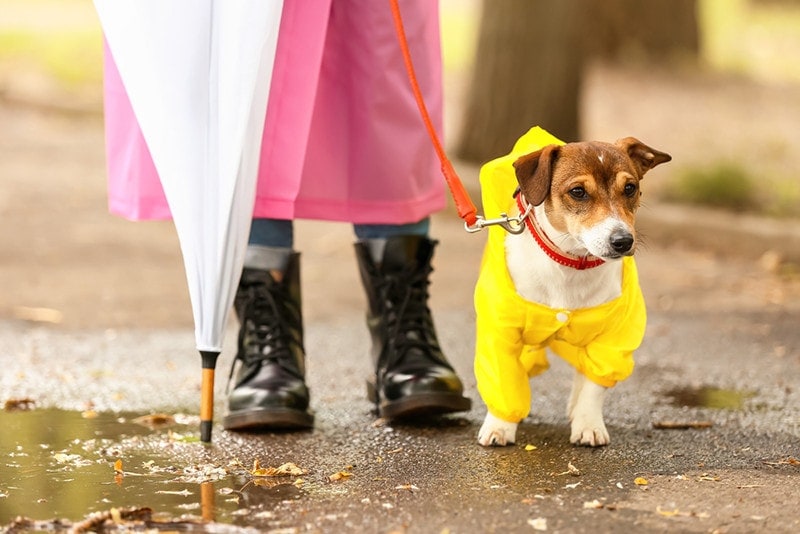
Raincoats aren’t necessary for most dogs. However, that doesn’t mean they aren’t helpful. Short-coated dogs that don’t have much protection from the rain may benefit from a raincoat, especially if they don’t like the rain. Smaller dogs often fit in this category since they’re more prone to getting chilled than larger dogs. Short dogs also benefit because their bellies are closer to the ground. They’re more likely to get muddy and wet.
If you get your dog a raincoat, it’s important to train them to wear it. Most dogs aren’t used to wearing clothes and react badly to being forced into raincoats. You can’t exactly explain that it will keep them dry, either!
Therefore, plan to do some training before you expect your dog to wear a raincoat in the rain. Some dogs may start feeling comfortable in the coat after a few days, but others may take weeks before they get used to it.
Featured Image Credit: Yaroslav Shuraev, Pexels