Why Is Breeding Dogs Bad? Vet-Verified Facts & FAQ


In this article
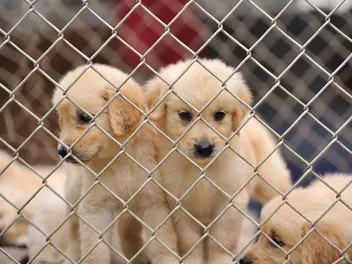
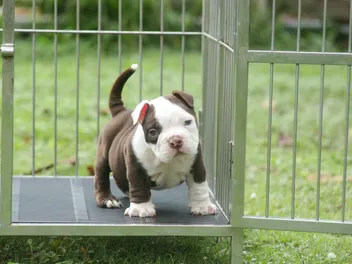
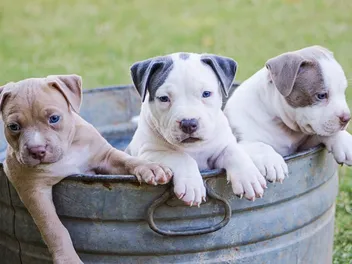
Breeding dogs is a huge controversy these days as shelters fill up with unwanted animals worldwide. However, does that mean that all breeders are inherently bad? Absolutely not. Responsible dog breeders care about and promote the health and welfare of their dogs and puppies. They aren’t in it for the money; instead, they have a genuine love for the breed and breed to improve the lineage.
However, breeding dogs irresponsibly (i.e., puppy mills, backyard breeders) is bad because it can often lead to health issues, abuse, and neglect of dogs and puppies in these situations, in addition to contributing to the overpopulation of animals in shelters and homeless dogs. Let’s learn more about backyard breeding and puppy mills versus reputable breeders so that you can form an informed opinion on the matter of breeding dogs.

What Is Backyard Breeding?
Backyard breeding is a broad term that explains certain types of breeding situations. It may arise due to ignorance where a dog accidentally becomes pregnant, in other situations people allow their dog to have a litter because they think it will be a good experience for them or their pet. In many cases dogs are deliberately bred for sale without the knowledge to breed responsibly, such as health screening for genetic defects. Backyard breeders do not meet all the needs of the mother and her puppies putting their welfare at risk.
People often use purebred dogs for financial gain. Some might repeatedly breed a few dogs, while others let their own pets have a litter every so often to make a few bucks selling them to people on sites like Craigslist.
Often, backyard breeders are unwilling to show pictures, do not have appropriate vetting completed, and seem pushy to sell you a pup. They might even advertise the dogs as a particular breed, but they wind up being a hybrid or completely different dog instead.
Let's say someone has a purebred German Shepherd. Because an owner just saw that German Shepherd puppies are going for $800 and above, they decided they wanted to breed their dog. Without pre-planning, that person finds another German Shepherd owner with an intact male. Then, they breed the two dogs without doing proper vetting and health checks and sell the puppies to any person who will give them money for them. The puppies may be unhealthy, or they may go to dog owners who aren’t equipped to care for them, and the puppy may end up in a neglectful situation, in a shelter, or on the street.
What Are Puppy Mills?
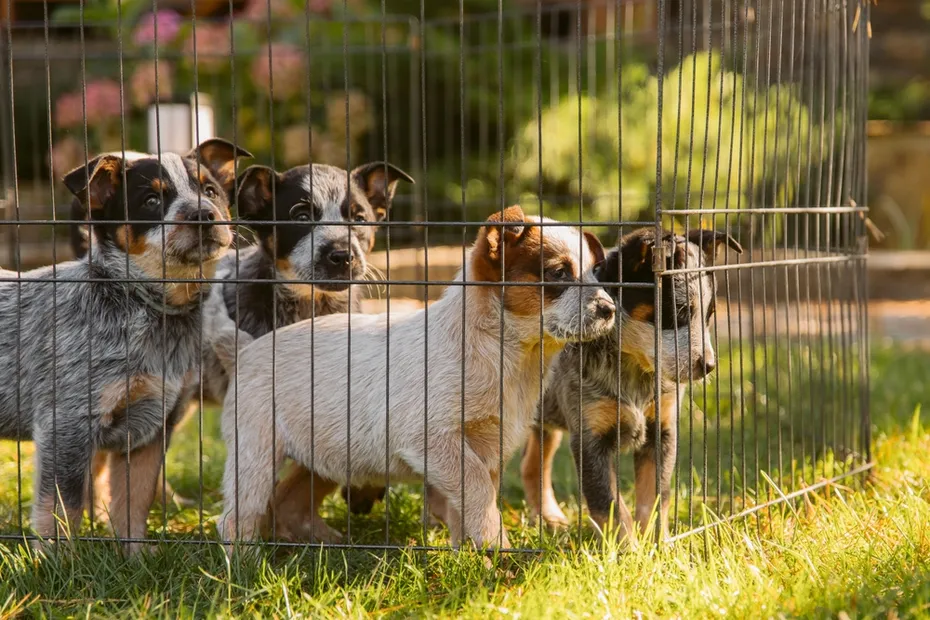
Puppy mills are facilities where dogs are explicitly bred for the purpose of selling. The health of the dogs is disregarded to maximize profits and financial gain. Dogs are used until they are deemed insufficient breeders and then they are tossed out, put into rescues and shelters, or other rehoming situations.
Often, these dogs do not get the appropriate attention and vet care and are lacking in affection and many other areas of socialization. They often don't see people aside from the very select few taking “care” of them, and they are usually locked up in a kennel or cage all day without being able to romp around.
People who run puppy mills often have dogs of multiple different breeds to choose from. The puppies are typically removed from the mothers too young and are often sold through pet stores. These puppies may seem healthy at first but become sick with a whole host of preventable issues due to the lack of health screening and veterinary care.
What Are Reputable Breeders and Why Are They Important?
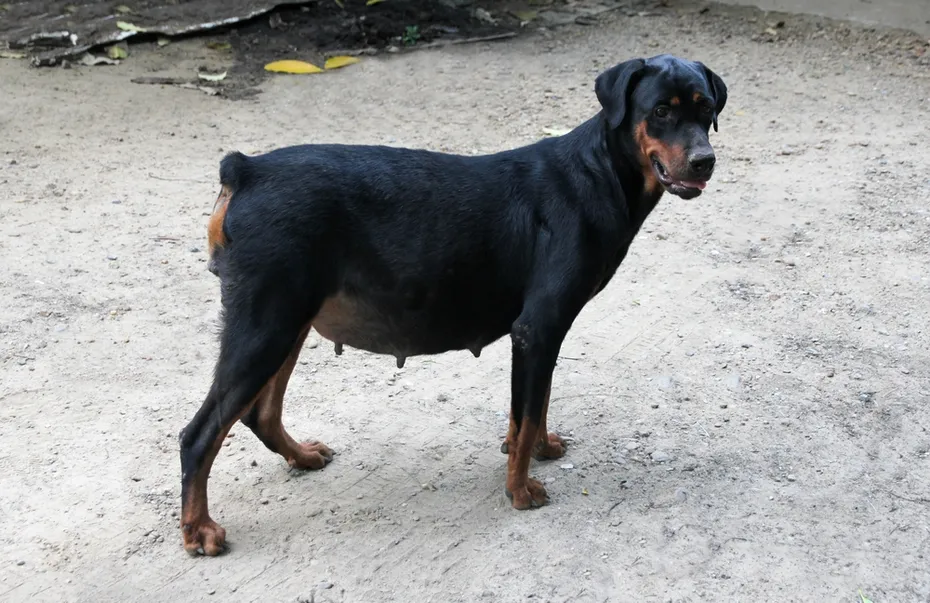
Reputable breeders are people who spend an extensive amount of time getting educated about and owning specific types of dogs. They will only breed from healthy dogs, with no behavior or health issues that meet the breed standard.
Every time they breed their dogs they make sure they do the proper health screens and genetic testing, and make sure all puppies are sound and ready for new homes before they place them.
Breeders work very hard to put their puppies in loving homes, and some breeders can be very selective and set certain requirements to protect puppies. Many even require you to sign a contract that says that if you can’t take care of the dog for any reason, you’ll return them to the breeder instead of surrendering them to a shelter or, worse, abandoning them.
Any reputable breeder will visibly put in the work, and the love they have for the breed will come through in their business without question.
How to End Backyard Breeding and Puppy Mills
Many people who advocate for animals find themselves asking this question all the time. How do we help end backyard breeding and puppy mill situations for good? The reality is, it's a long road and it's going to take us a long time to learn how to unwind it. However, that doesn't mean it's a hopeless situation or a lost cause. We can use our resources to ensure we do our part to raise awareness and end animal suffering.
Should You Breed Your Dog?
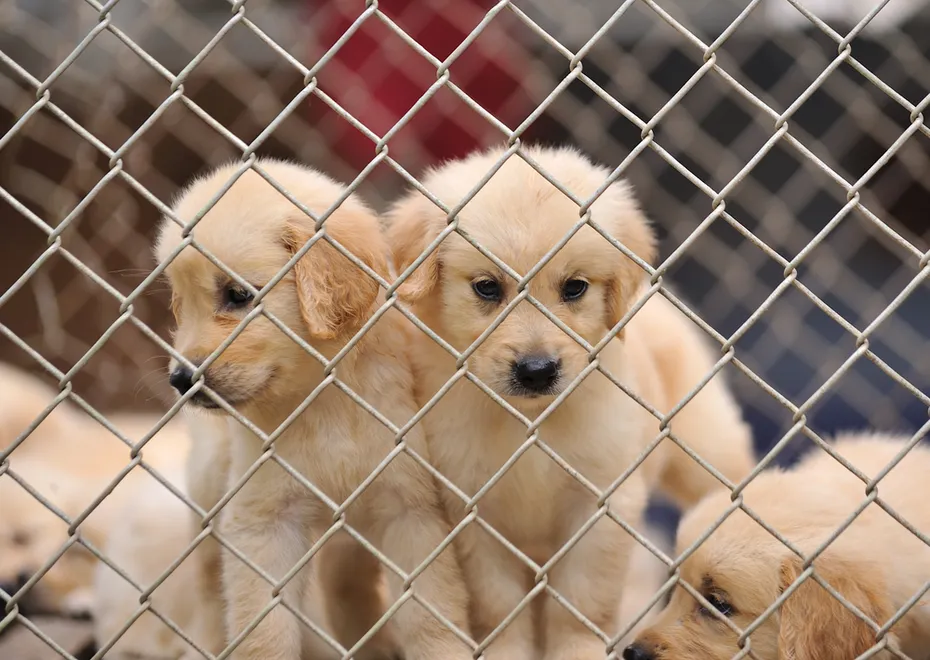
If you have a purebred dog and you've been thinking about breeding them with another dog, perhaps an owner that you know, or whatever the situation might be, it's important to realize that producing a litter of puppies is a big responsibility and not a decision to be taken lightly. We have some statistics for you to consider.
Every year, around 6.3 million companion animals enter shelters. Of these numbers, it is almost split 50/50 between dogs and cats. Over 920 thousand of all of these animals are eventually euthanized due to shelter overload or inability to place the pet. While some purebreds might find themselves in shelters, it's far less common than mixed breeds you see running around.
If you don't have the appropriate knowledge, access to vetting, accreditation, and the multitude of other factors that go into great breeding, you are potentially adding to the problem. No matter how exciting it sounds to have little puppies, it's really just not the responsible thing to do.
Becoming a Dog Breeder
If you truly love a particular breed and have a genuine interest in breeding, it's certainly a possibility. Breeding dogs can be rewarding and bring a lot of joy, but it can also be expensive, time-consuming, and even heartbreaking, particularly if you don’t have adequate knowledge. There are tons of resources online that will guide you through getting started on your breeder journey. You will need lots of time to prepare, so don't think this is a short road.
Most breeders breed dogs just because they love them and not for the financial aspect of things. Even with the overcrowding in animal shelters, there is still a place for reputable, responsible breeders who have a mission to make sure all dogs are placed with loving families.
Breeding is not for everyone, but if you are still interested, you can start to do your research and get on the road to making your dreams come true.

Conclusion
Now you have a little bit of background on what exactly makes dog breeding bad. A good, responsible breeder will work diligently to produce healthy, happy pups and will be able to provide appropriate care. So, as tempting as it is to potentially breed your own dog or buy a purebred for very cheap, it is likely coming from a very poor situation and without the best intent.
Sources
Featured Image Credit: Evgeniy Kurt, Shutterstock
Expert dog care, straight to your inbox
News, insights, expert advice, and everything dog.

No spam — unsubscribe anytime.
By signing up, you agree to our Terms & Conditions and Privacy & Cookies Policy.
How useful was this post?
Click a star to rate. You can leave written feedback afterwards. (We read all feedback.)
Ashley Bates is a freelance dog writer and pet enthusiast who is currently studying the art of animal therapy. A mother to four human children— and 23 furry and feathery kids, too – Ashley volunteers at local shelters, advocates for animal well-being, and rescues every creature in need. Her mission is to create awareness, education, and entertainment about pets to prevent homelessness. Her specialties are dogs and cats.