Why Does My Dog Hate Men? 5 Vet-Verified Reasons


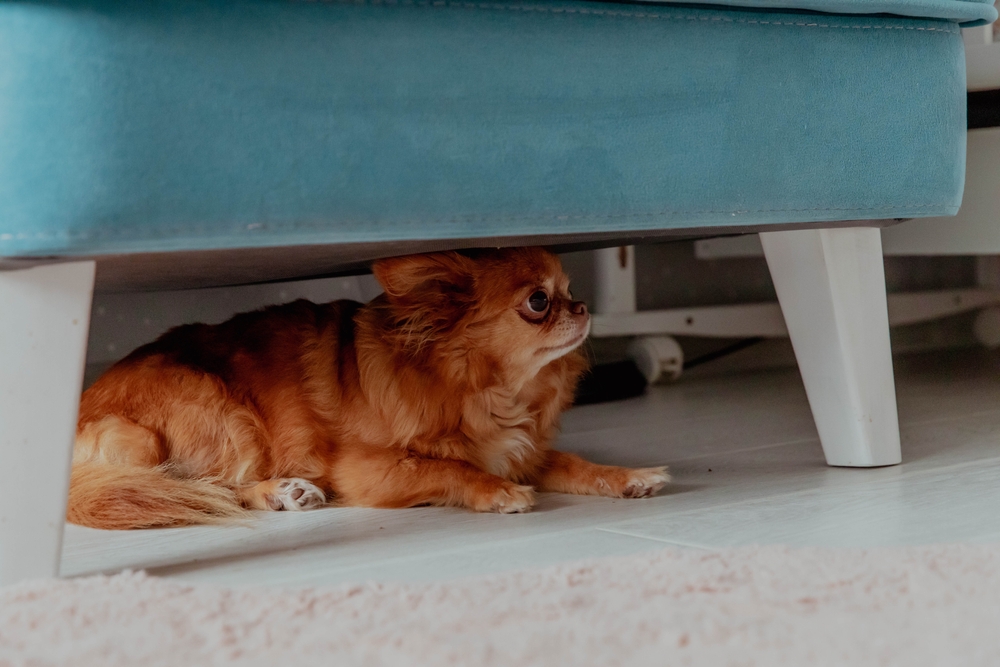
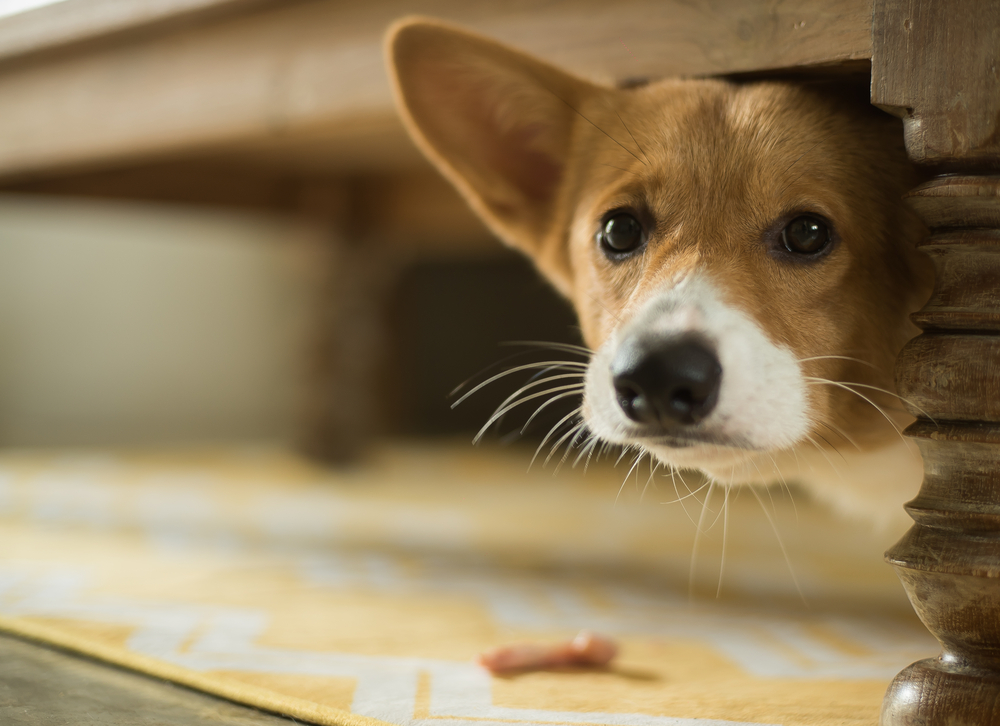
Sometimes, even calm and well-behaved dogs can develop fears that significantly change their behavior. Fear of men is a commonly reported issue in dogs and can make daily life challenging for both pets and their owners. While most of us assume that a fear of men occurs due to past trauma, this isn’t always the case. In fact, in most cases, this fear is typically the result of a combination of social and physical factors, including poor socialization during puppyhood, unfamiliar body language, deep voices, or differences in appearance.
Read on to learn more about why some dogs fear men and what you need to do to address the problem before it escalates.

The 5 Possible Reasons Your Dog Hates Men
1. Previous Bad Experiences With Men
Your dog may be fearful of men because they had a bad experience with one in the past. Maybe they had a previous male owner who abused them or a run-in with a male that turned sour. Prior bad experiences, especially if they occur during your dog’s early and adolescent fear periods between the ages of eight to 12 weeks and six to 14 months, can really stick with them and have a lasting impact on them for the remainder of their lives.

2. Lack of Socialization
Your pup could fear men because they weren’t socialized to the presence of men during the critical stages of puppyhood between three and 14 weeks. While early socialization is the most effective way to prevent these fears, adult dogs can still develop anxiety or phobias toward unfamiliar people if they have limited exposure. With patience, gradual desensitization, and positive reinforcement, even adult dogs can learn to feel more comfortable around men.
3. “Masculine” Behaviors
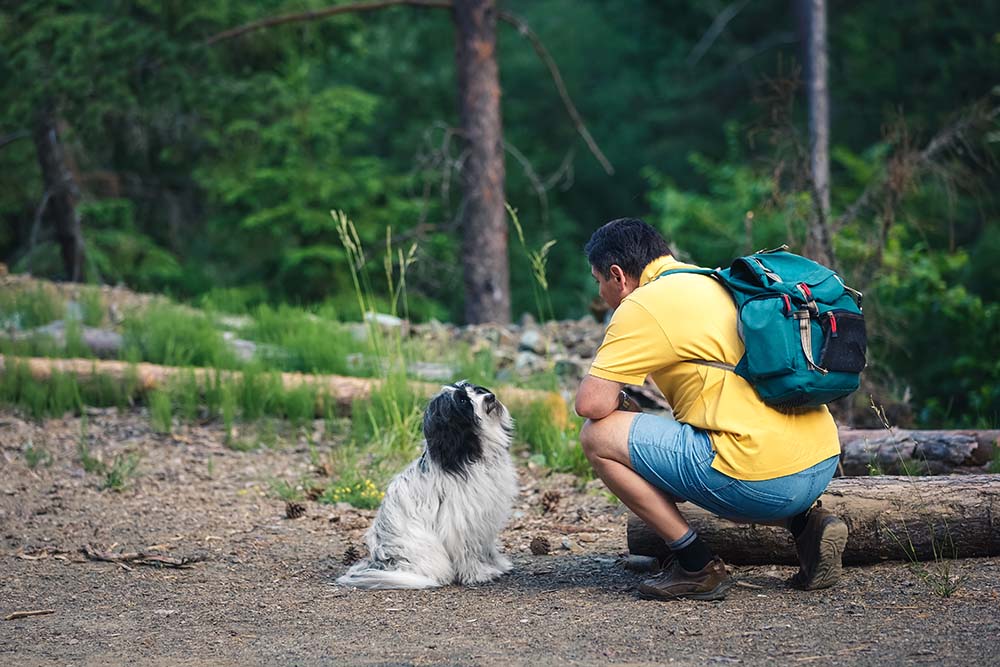
Some dogs may fear men because of their more “masculine” behaviors. Their voices are louder and deeper, they are more prone to roughhousing-type behavior than women, and their presence can be more intimidating as they walk toward or lean over your dog.
4. Physical Characteristics
Some of the physical characteristics of men can be confusing or even appear threatening to dogs that haven’t spent much time with them. For example, facial hair such as a beard can disguise the face and make it harder for a dog to read cues, potentially appearing threatening or making them feel uncertain. Additionally, some dogs misconstrue their taller and broader bodies as intimidating, especially smaller or more anxious dogs, which may cause fear or hesitancy.

5. Scent
Dogs have an extremely powerful sense of smell and may find the scents of unfamiliar men, including subtle pheromones, overwhelming or confusing. This can contribute to fear or caution, especially in dogs that were not socialized with men during critical developmental periods.
How to Ease Your Pet’s Fears
If Your Dog Isn’t Aggressive
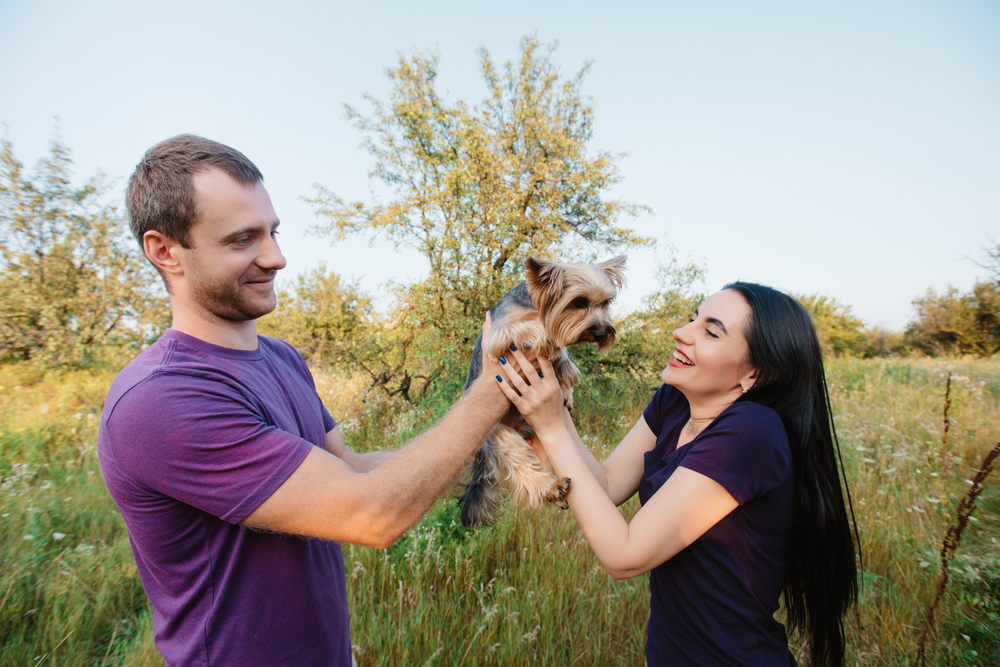
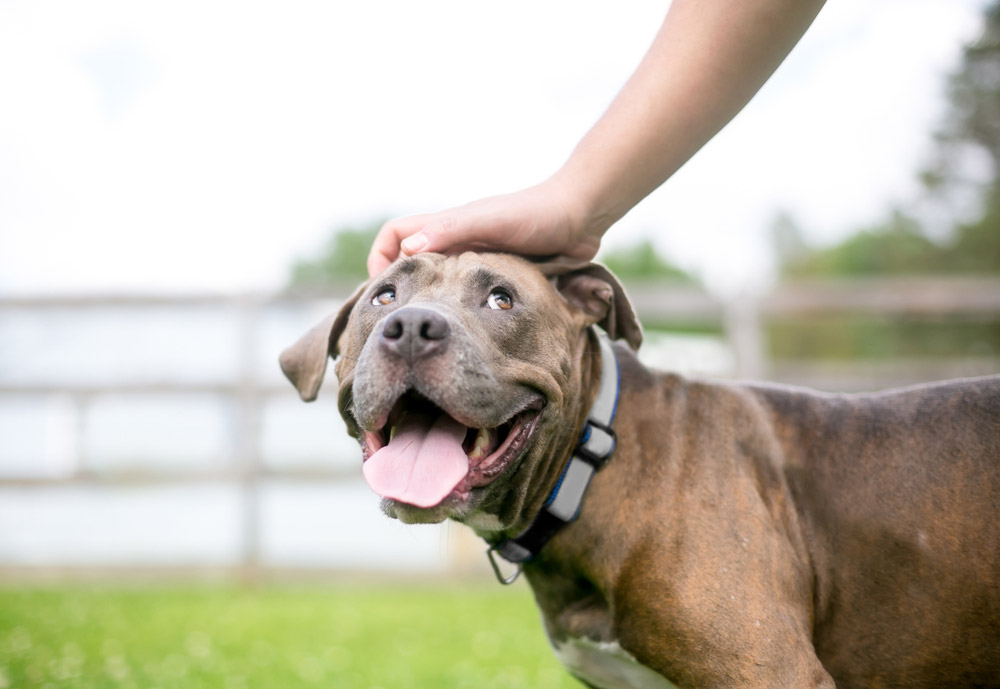
If your dog isn’t aggressive in the presence of men, a desensitization process can help them become more comfortable being around males.
Before you begin this process, it’s important to remember that you need to stay in your dog’s comfort zone. Attempting to desensitize them can backfire and even strengthen their fear if you approach the process wrong or push it too quickly. Always allow your dog to lead the training, and if you notice any signs of fear or aggression, it’s time to back off.
To desensitize your pup to the presence of men, follow these steps:
If Your Dog Is Aggressive
If your dog responds aggressively to the presence of men, we highly recommend hiring a professional dog trainer or behaviorist to address the problem.
It is also important never to physically punish your dog or yell at them. This will only further their fear of not only men but also you. It is better to contact a professional for guidance.

Final Thoughts
Your dog’s fear of men may be rooted in past trauma, lack of socialization, or perceived threats. You will need to work with your dog to heal them of this fear. However, if your pet appears aggressive in any way, we urge you to seek the help of a professional dog trainer or behaviorist. They will use their expertise to create a plan that will get you and your dog on the right track.
Featured Image Credit: Slavica Stajic, Shutterstock
Expert dog care, straight to your inbox
Vet-reviewed advice, training tips, and the best of Dogster. Free, and you can unsubscribe anytime.
By signing up, you agree to our Terms & Conditions and Privacy & Cookies Policy.
Chantelle is passionate about two things in her life – writing and animals. She grew up on the prairies of Canada surrounded by animals and as an adult, she choose to share her home with five cats, two guinea pigs, and a bearded dragon. Chantelle, her husband, and their child take great pride in being great animal parents- the ones who spend a thousand dollars on wall-mounted cat shelves so that their cats can have an indoor jungle gym all year round. When Chantelle isn’t snuggling her cats on the couch or taking pictures of them being funny, she’s outside exploring in the Rocky Mountains, binging the same shows on Netflix over and over, and reading about whatever random topic pops into her brain.
Join the conversation
Ask a question, share your story, or send private feedback.