How Old Is 4 in Dog Years? Vet-Approved Guide to Each Size of Dog


In this article
While the “one human year for every seven dog years” has been a convenient way to correlate a dog’s age to that of a human, this standard falls apart for early ages. Following that rule, a 4-year-old dog would be roughly 28 in human years, a significant underestimation for some dog breeds. The truth is that these dogs are older than expected, with 4 human years equal to 32–38 dog years.
Several factors combine to determine a dog’s functional age. We’ll explore how we calculate how old four is in dog years and what owners can do to turn back the clock.
| Size: | Age in human years: |
| Small breed (<20 lbs or less): | 32 years |
| Medium breed (21 to 50 lbs): | 32 years |
| Large breed (51 to 100 lbs): | 32 years |
| Giant breed (100+ lbs): | 38 years |
Source: Almanac.com

How to Calculate 4 Dog Years to Human Years
Based on the average canine lifespan of 10–15 years, the simple calculation of 1 year for 7 dog years is an easy way to gauge their rough age. At 10 years old, a dog would be around 70 in dog years. It's later in life and around the time they show signs of decline, so the comparison seems appropriate.
Though flawed, going by this equation at least emphasizes the need for owners to begin addressing age-related changes earlier than many might expect. At the tender age of 4, a dog is at a similar life stage to our ‘middle age’.

The Updated Method for Calculating a Dog’s Age
The current method for understanding a dog’s age in human years is slightly more complicated, but more effective for gauging a dog’s maturity. The first year roughly equals 15 dog years, while the second year covers roughly 9 dog years, so by age two, they're already the equivalent of a 24 year old human. From then on, each year equals approximately 4–5 years, depending on the dog’s size.
Small Dogs
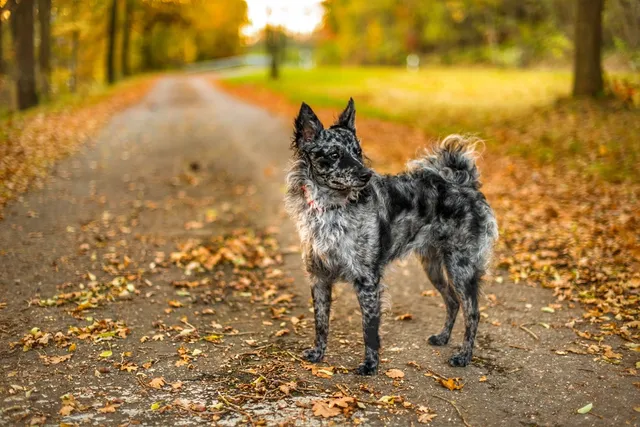
When they reach their fourth birthday, small dogs are approximately 32 dog years old. Although larger species tend to live longer than smaller animals, breeds within a species show the opposite trend. Smaller dogs typically live longer than larger breeds, and many live well beyond their average 10–15-year lifespan.

Medium Dogs
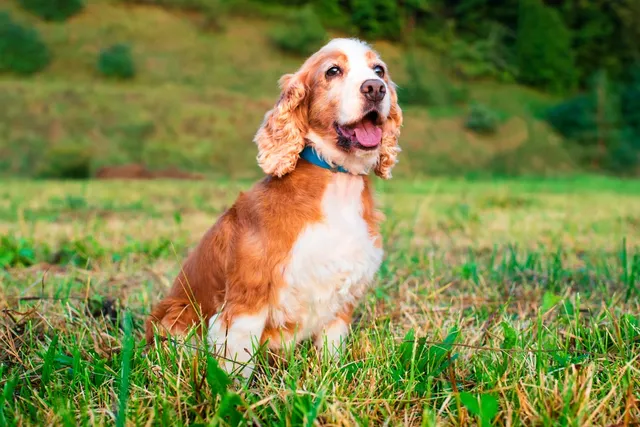
Medium-sized dogs generally live shorter lives than undersized breeds but are still among the healthiest. Many mid-sized dogs have even set records for longevity. They’re roughly the same age as smaller breeds at 4 years, with their human equivalent around 32 years.
It isn’t until they reach the end of the mature adult phase at roughly 6 years that they begin to show more advanced signs of age than diminutive breeds.
Large Dogs
Large and giant dogs are somewhat paradoxical in how they grow. In their first and second years, their human age equivalent is lower than that of small and medium breeds.
Since large breeds are significantly heavier and taller than others, they take longer to reach their adult size. Some take 2–3 years to fill out, whereas many small dogs develop their adult bodies in under a year. Behavioral maturity follows suit with many large breeds, as many stay in adolescence longer. So a 2 year old large breed dog will be similar to an 18 year old human.
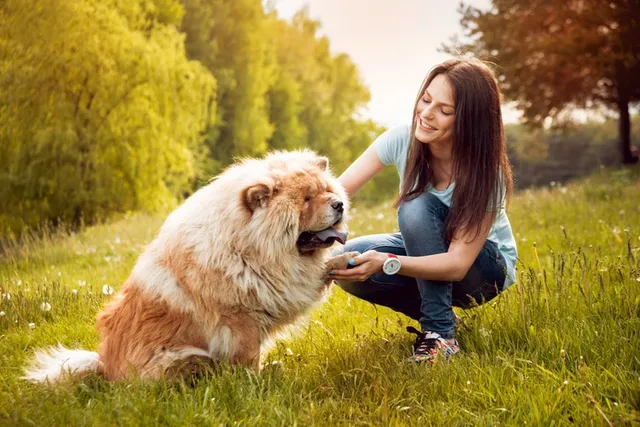
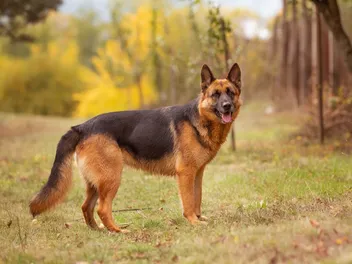
Once large dogs reach 3–6 years, the comparison shifts. They now begin showing signs of being relatively old in human years compared to small and medium dogs. Large breeds are roughly 32 years old in dog years at 4 years, while giant breeds are the oldest at 38 dog years.


Why Do Large Dogs Age Faster?
In breed comparisons, large dogs reach higher human age equivalents faster than young dogs. This generally gives us insight into their longevity and helps us estimate when a dog will likely develop disorders and die. Some giant breeds only reach an average of 5–6 years, while many small breeds live 12–15+ years.
Although small dogs have a higher metabolic rate, which would suggest more oxidative damage and a shorter lifespan, the rapid, prolonged growth rates in large dogs likely explain why they die earlier. Increased cellular damage, oxidative stress, and skeletal disorders cause faster wear on their bodies.
Unnaturally large bodies due to artificial selection for massive dogs in recent history are likely at least partially to blame. Plus, breeding processes for many of these dogs use a smaller gene pool to create larger bodies and maintain conformation, allowing for a higher chance of inherited disorders.
This doesn’t mean that an 8 year old giant breed is the equivalent of a 90 year old human. Though they are relatively ‘older’ than a smaller breed, they are not going to reach the ‘ripe old age’ of those smaller dogs.
Physical vs. Mental and Behavioral Age in Large Dogs
Physically, larger breeds age faster and are more prone to age-related bodily disorders like arthritis, cataracts, and bone cancer at a relatively young age. At the same time, behavioral and cognitive changes are not unique between breeds.
Larger dogs don’t develop age-related habits or show signs of canine cognitive dysfunction any sooner than small dogs. In essence, larger breeds don’t reach their senior years earlier than small dog breeds; they simply die younger.
The distinction is crucial for owners adapting to their dog’s changing needs.

What’s the Science Behind Dog vs. Human Years?
Since dogs mature quickly, go through adolescence, and reach adulthood within 1–2 years on average, the “7 human years for 1 dog year” is inappropriate across a dog’s entire life. Childhood is briefer for dogs than it is for humans, while adulthood is relatively long, giving us the current breakdown for determining a dog’s relative age.
Newer studies complicate matters but may provide an even finer-tuned look at a dog’s true age. A 2019 study used DNA methylation to assess genetic changes related to aging to create an equation to more accurately measure a dog’s equivalent human age.
The Life Stages of a Dog
Dogs go through several life phases featuring defining behavioral and bodily changes. At 4 years old, most dogs are reaching their peak. They’re still active while also leveling out in temperament and nearing their optimal level of memory and attentiveness. Few bodily disorders and signs of aging will appear unless the dog suffers a unique developmental issue.
- Puppy (0–6 months): Puppies go through various transitional stages in their first 6 months, with socialization and training being vital for their long-term mental and emotional health
- Adolescence (6–12+ months): Dogs experience puberty after 6 months and enter adolescence, which can last until roughly 2 years of age for large dog breeds
- Young adult (2–4 years): Dogs reach maturity by age 2, settling into more mild temperaments while retaining high energy levels
- Middle age (4–8 years): Middle-aged dogs begin slowing down and may show signs of physical disorders, highlighting the need for regular vet care
- Senior (8+ years): The later years bring even further physical changes and bodily wear, with the geriatric period after 10–12 years increasing the likelihood of mental decline and behavioral changes

Life Span by Breed Size
| Size: | Average life span: |
| Small breed (<20 lbs or less): | 10–15 years |
| Medium breed (21 to 50 lbs): | 10–13 years |
| Large breed (51 to 100 lbs): | 8–12 years |
| Giant breed (100+ lbs): | 8–10 years |
Source: American Kennel Club
Key Factors That Affect the Dog’s Aging Process
Beyond body size, factors such as a dog’s purebred/mixed status, genetics, head shape, and location can influence aging. Owners also play a critical role, as lifestyle aspects significantly affect a dog’s longevity and life satisfaction.
- Diet: A high-quality diet fit for a dog’s age and breed size supports proper development
- Training: Ongoing training throughout a dog’s life can maintain attentiveness and slow signs of mental decline
- Exercise and enrichment: Paired with a healthy diet, a daily exercise routine will maintain a dog’s body condition score, while enrichment promotes better behaviors and mental function
- Vet visits: One or two annual vet visits for physicals and bloodwork can identify disorders in their early stages, making them easier to resolve
- Grooming: Frequent teeth-brushing, nail-clipping, and coat grooming can prevent or slow several age-related diseases
- Parasite control: Staying current on preventive medications (e.g., heartworm, flea/tick) reduces exposure to debilitating pathogens and parasites

Conclusion
Dogs of virtually any breed reach their prime at 4 years old. They’re active and mature, offering owners peak obedience, health, and energy. At this age, dogs can unlock their fullest potential. Owners owe it to their pets to take advantage of this relatively short period and provide the attention, enriching activities, and bonding opportunities that will substantially impact their immediate and long-term quality of life.
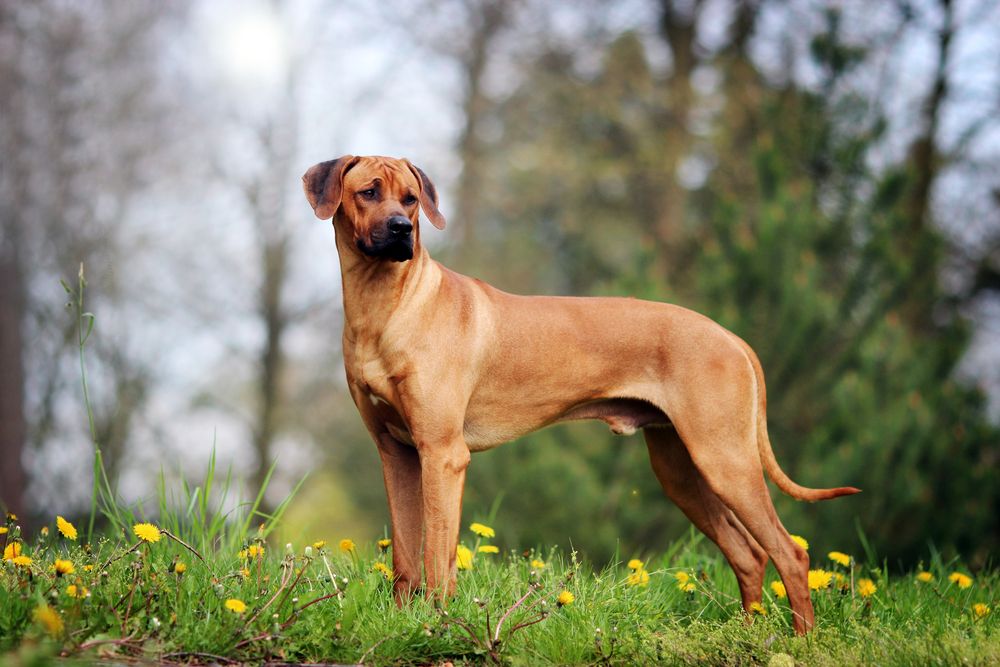
Featured Image Credit: SubertT, Shutterstock
Expert dog care, straight to your inbox
News, insights, expert advice, and everything dog.

No spam — unsubscribe anytime.
By signing up, you agree to our Terms & Conditions and Privacy & Cookies Policy.
How useful was this post?
Click a star to rate. You can leave written feedback afterwards. (We read all feedback.)
Nicole has loved animals of all sizes her whole life so it's no wonder she has dedicated her career to helping them through what she loves best: learning, writing, and sharing knowledge with others. She’s the proud mom of two dogs, a cat, and a human. With a degree in Education and 15+ years of writing experience, Nicole wants to help pet parents and pets around the planet to live happy, safe, and healthy lives.