Ursodiol for Dogs: Our Vet Explains the Usage, Dosage & Care

In this article
We hear a lot about cholesterol these days, and the effects high cholesterol can have on our health. But did you know that cholesterol can affect a dog’s health too? Gallstones are one potential complication caused by high cholesterol. Ursodiol is a medication often prescribed for dogs with certain gallbladder and liver diseases, such as gallstones or chronic hepatitis (inflammation of the liver).
This article will explain why vets use this medication, how it should be given, and what you should be monitoring to ensure the best health outcome for your dog.

What Is Ursodiol?
The technical name for ursodiol is ursodeoxycholic acid. This is a medication that was designed and invented for human use. Its use in veterinary medicine is considered “off-label”, meaning there are no FDA-approved ursodiol formulations for animals. However, there is good research behind the use of this medication in dogs; it is generally considered both safe and effective.
Ursodiol belongs to a class of medications called gallstone dissolution agents. It works by decreasing the amount of cholesterol produced by the liver. It also dissolves some of the cholesterol in bile to prevent stone formation, and it decreases toxic levels of bile salts, which reduces their detergent action. It may also protect the liver cells from toxic bile acids.
Ursodiol is prescribed for dogs with liver and gallbladder disease. It may be used for dogs with gallstones, sludge in the gallbladder, chronic active hepatitis, and hepatic lipidosis.

How Is Ursodiol Given?
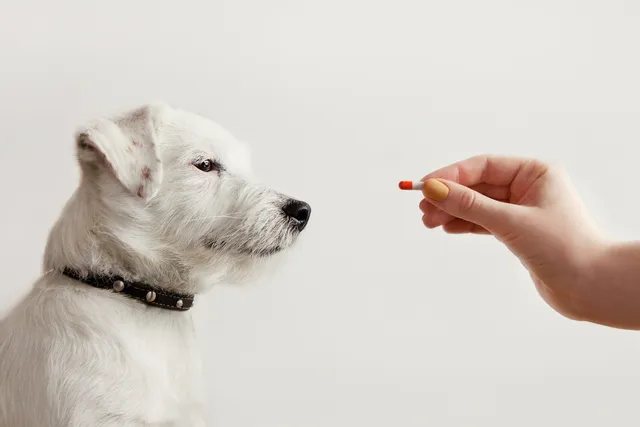
Ursodiol is given by mouth, either once or twice a day. A vet will prescribe a specific amount of this medication to give, with an appropriate label. Ursodiol is best given with food, which aids absorption. Capsules, tablets, and liquid suspension forms are available. Some forms of ursodiol will need to be compounded by a special pharmacist.
What Happens If You Miss a Dose?
If you miss a dose of ursodiol, just resume as normal when the next dose is scheduled. Do not “double-dose” or administer two doses very close together.

Potential Side Effects of Ursodiol
Ursodiol is generally a safe medication in dogs. Some dogs will develop nausea, diarrhea, and abdominal discomfort. If this occurs, stop the medication and contact the veterinarian to decide on how to proceed. If your dog is believed to be allergic to ursodiol from previous use of this medication, it should not be used. Ursodiol has not been well-tested in pregnant or lactating dogs.

Frequently Asked Questions (FAQ)
How Do I Store Ursodiol?
Ursodiol is normally stored at room temperature. Store in the original packaging. If the label recommends storing it in the fridge, then follow these instructions.
Can It Be Given Alongside Other Medications?
For the most part, yes. However, ursodiol should not be given with aluminum-containing antacids (e.g. Gaviscon), or, cholestyramine resin, both of which might bind to the drug and reduce its efficiency.

How Do We Know if Ursodiol is Working?
There may be no physical improvements in your dog, as ursodiol is often started as a precautionary or preventative medication. Regular blood tests and abdominal ultrasound (to visualize the liver and gallbladder) can be used to assess if ursodiol is working.
Conclusion
Ursodiol is a medication used to improve gallbladder health and the flow of bile. It is also used to treat some liver diseases in dogs. While its use in dogs is off-label, it is generally considered safe and effective. Ursodiol should only be used following a prescription by a veterinarian. We recommend following the label directions and contacting a veterinarian if you have any concerns.
Related read: High Cholesterol in Dogs
Featured Image Credit: Aleksandr Finch, Shutterstock
Expert dog care, straight to your inbox
News, insights, expert advice, and everything dog.

No spam — unsubscribe anytime.
By signing up, you agree to our Terms & Conditions and Privacy & Cookies Policy.
How useful was this post?
Click a star to rate. You can leave written feedback afterwards. (We read all feedback.)
Dr. Joe Mallat DVM (Veterinarian)
Joe is a veterinarian from Sydney, Australia. When he's not working, he enjoys cooking, exercising, and exploring the Australian wilderness. He has worked for 2 years at a mixed-species practice on the mid-north coast of New South Wales, treating animals of all sizes. His areas of particular interest include wound management, internal medicine, and oncology. Joe's love for the profession comes not only from helping dogs, but also from helping their parents and working with wonderful teams of people.
Joe completed his Bachelor of Veterinary Biology and Doctor of Veterinary Medicine at the University of Sydney in 2020.