In this article
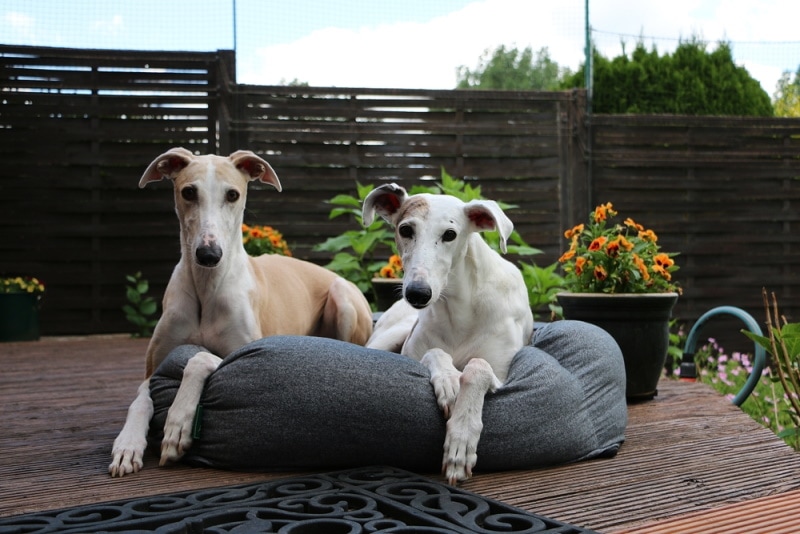
View 3 More +Sighthounds are impossible to miss thanks to their long, lean, muscular bodies. From Greyhounds to Afghan Hounds to Whippets, sighthounds are elegant dogs that were bred for very specific purposes, leaving these breeds with specific traits that are unique to sighthounds.
These dogs have efficient bodies that are built for athleticism and speed, but they aren’t the most suitable dogs for some households. Here’s everything you need to know about the world of the graceful sighthounds.

What Are Sighthounds?
Sighthounds are a group of dogs that were bred for the purpose of hunting by sight. They differ from other types of hunting dogs because of the way they hunt. Hounds hunt by scent, pointers and setters alert the hunter to game, and terriers are often proficient at chasing small game, even into burrows and small spaces. Retrievers are used for retrieving downed game, and there are a variety of dogs that are used for running down large game, like Rhodesian Ridgebacks and many bully breeds.
Sighthounds, however, are extremely fast dogs that can keep up with the fastest game, including rabbits and deer. Their bodies are built for speed, agility, and endurance, allowing them to keep up with fast game that can quickly alter its direction.
It’s nearly impossible to misidentify what breed group a sighthound belongs to because all sighthound breeds have long, lithe bodies with a delicate appearance, except for their large muscles, especially in the hips and legs.
What Are the Different Types of Sighthounds?
There are multiple breeds that fall into the sighthound breed group, but some are far more common than others. Here are some of the sighthound breeds you may spot:
Greyhound

Greyhounds are one of the most popular sighthound breeds, and many people rescue them as retired racers. These dogs can make great pets because they are happy to spend time being couch potatoes. They do best with a lot of open space to run when they need to expel energy.
They can make an excellent addition to an active household but be prepared to invest in some dog coats and sweaters if you live in a cold area.
Whippet

Whippets are medium-sized sighthounds that typically don’t exceed 40 pounds. They are similar in appearance to Greyhounds, but they are notably smaller. They are a generally healthy breed that makes great household pets due to their small size and manageable energy levels.
This is an obedient and trainable dog breed, and Whippets are known for how much they love spending time with their people.
Italian Greyhound
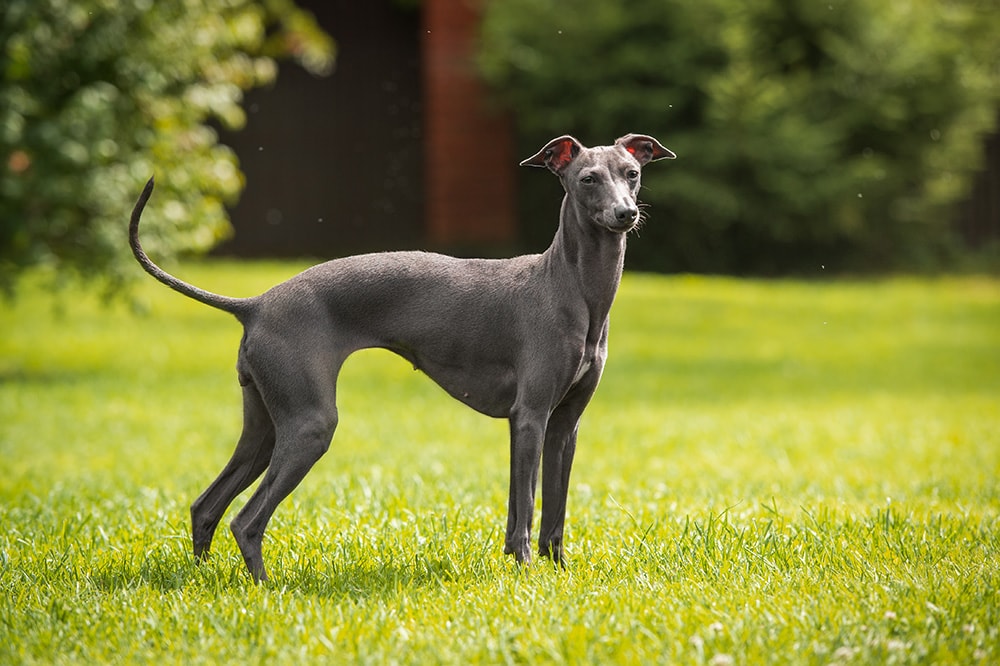
The Italian Greyhound looks like a tiny Greyhound, but they stay below 15 pounds according to the breed standard. They have an extremely delicate appearance and can be quite fragile, making them unsuitable for homes with small children or rough pets.
This is an intelligent breed that can be difficult to train due to its high intelligence and stubborn nature.
Afghan Hound

Afghan Hounds are large, longhaired dogs with a very distinct appearance. Their coat is silky and fine, and the Afghan Hound has a cute, curled tail that lacks long hair.
They are friendly, loving dogs that were bred to withstand cold temperatures, making them more suitable to cold environments than most sighthound breeds. They tend to be good with children and other dogs.
Borzoi

The Borzoi is a large, tall dog with a thick, medium-length coat. They were originally bred for wolf and fox hunting in Russia, so they can be quite fearless and are suitable for cold environments.
Males can reach up to 100 pounds, so they aren’t a suitable breed for apartments and small homes without fenced yards.
Pharaoh Hound

The Pharaoh Hound has an elegant body that is stockier and heavier in appearance than most sighthound breeds. They are medium to large dogs, with males reaching up to 60 pounds.
As the name implies, the Pharaoh Hound originated in Egypt, and this breed is extremely old, with some estimates putting its ancestors as old as 5,000 years. This breed is often confused with the Ibizan Hound, but the Pharaoh is smaller than the Ibizan.
Irish Wolfhound

Irish Wolfhounds are extremely large dogs, with large males standing up to 3 feet at the shoulder and weighing close to 200 pounds. They are gentle giants known for their patience and loyalty.
Modern Irish Wolfhounds date back to the 19th century when breeding programs were initiated to reestablish the believed extinct ancient Irish Wolfhound breed. Due to their extremely large size, these dogs are often plagued with joint problems and short lifespans.
What Types of Jobs do Sighthounds Have?
Today, there are very few jobs that sighthounds are needed for. Dog racing is a popular sport in many areas still, and Greyhounds are typically the breed used for this purpose. Some people may still use sighthounds for hunting purposes, but the use of dogs for hunting is illegal in many areas.
Sighthounds may be used to help with pest control on large properties since they enjoy chasing down small game like rats, raccoons, and even snakes. This generally isn’t recommended, though, due to the risk that wildlife can pose to the dog and the fact that there are more humane methods of vermin control available.
- Come in a wide variety of sizes and coat types
- Usually have gentle and patient temperaments
- Most sighthound breeds are intelligent
- Often happy to be couch potatoes
- Low-maintenance coats for most sighthound breeds
- There are sighthounds bred for every type of temperature range
- High prey drive
- Poor recall once they see game
- Often not suitable for homes with small pets, including cats
- Depending on the breed, may be sensitive to extreme temperatures
Frequently Asked Questions
Will My Sighthound Chase My Cat?
Yes, it’s very likely that your sighthound will chase your cat. In some cases, they have been known to kill smaller animals, including cats. Proper introductions can reduce the risks of this happening, but due to the instinct to chase fast things on sight, it can be difficult to fully train this behavior out of your sighthound.

My Sighthound Looks Skinny. Is This Normal?
Visible hip bones and ribs can be very normal in many sighthound breeds. A vet will be able to guide you to determine if your dog is at a healthy body weight, but some vets may be unfamiliar with the appropriate body type for some sighthounds.
Sighthound breeders and watching videos of show sighthounds may be able to help you get an idea of the appropriate body type for your dog.
If you need to speak with a vet but can't get to one, head over to PangoVet. It's our online service where you can talk to a vet online and get the personalized advice you need for your pet — all at an affordable price!
Do Sighthounds Enjoy Chasing Things?
Yes, they love to chase things because it is instinctual for them. If you’ve heard that dog racing is cruel, the concerns surrounding dog racing are primarily related to the care and environment of the dogs and not the racing itself.
Many sighthound owners do lure coursing with their sighthounds to burn energy and support their instinctual desire to chase game.
Do Sighthounds Live Long Lives?
Unfortunately, the lifespan of a sighthound is highly variable based on the breed. Like most dogs, smaller sighthound breeds tend to live longer lives than larger breeds. Small sighthound breeds, like the Italian Greyhound, can live up to 15 years, while giant sighthounds, like the Irish Wolfhound, can live lives as short as 6 years.

Conclusion
Sighthounds are beautiful and interesting dogs that can make excellent pets. Some breeds have higher exercise needs than others, so it’s important to make an honest evaluation of your home and lifestyle before bringing a sighthound home.
You also should become educated on the potential health concerns associated with the breed of sighthound that you choose to get. There are a variety of health conditions that impact sighthound breeds, from joint issues to heart diseases and arrhythmias. Knowing these risks before you bring a dog home will help you select a healthy pup and know what conditions to keep an eye out for.
Featured Image Credit: Bianca Grueneberg, Shutterstock