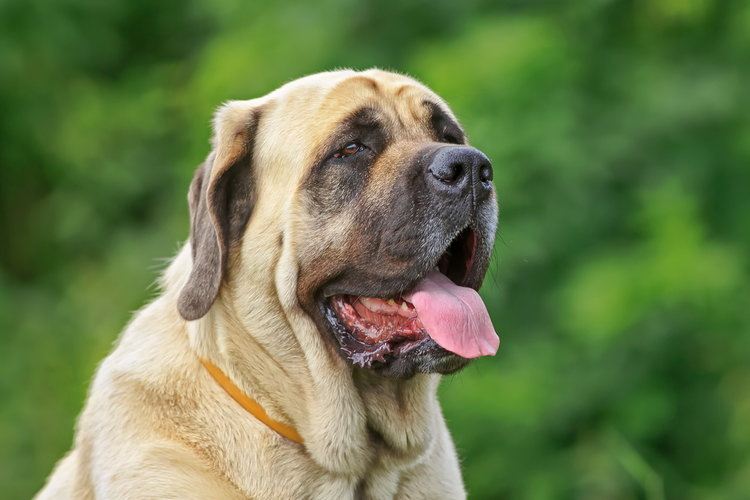
With its impressive size and stately appearance, the English Mastiff often sparks interest among dog enthusiasts. But as with every breed, they come with their own pros and cons that need to be considered.
So, if you’re considering adopting an English Mastiff, it’s crucial to weigh these factors. Let’s explore 10 essential pros and cons to help you make an informed decision.

English Mastiff Pros
1. Gentle Giants
English Mastiffs, despite their imposing size, are incredibly gentle and affectionate. They’re often referred to as “gentle giants” because of their kind, loving nature. They’re great with families and show immense love and loyalty toward their human companions.
Their calm and patient demeanor makes them perfect companions, especially for families with children. However, due to their size, it’s always advisable to supervise interactions between young children and English Mastiffs.

2. Low Exercise Needs
Contrary to what one might think due to their size, English Mastiffs are not high-energy dogs. They require moderate exercise, typically a couple of walks per day. This makes them relatively low maintenance in terms of exercise compared to more energetic breeds.
However, this doesn’t mean they’re completely sedentary. Regular exercise helps to maintain their health and keeps their weight in check.
3. Excellent Guard Dogs
Despite their gentle nature, English Mastiffs make excellent guard dogs. They are instinctively protective of their family and home, and their size alone can be a deterrent to any potential threats.
These dogs don’t typically bark unless necessary, so when they do, it’s a strong sign that something is amiss. Their loyalty and protective instincts make them great assets for home security.

4. Great With Other Pets
English Mastiffs generally get along well with other pets. They are sociable creatures and are typically very accepting of other dogs and cats in the household.
However, like any dog, it’s important to socialize them from a young age to ensure they grow up to be friendly and well-adjusted adults. This sociable nature makes them a great choice if you already have other pets at home.
5. Good With Strangers
While they are protective, English Mastiffs aren’t typically aggressive toward strangers. They’re reserved and generally behave well around unfamiliar people, provided they don’t sense a threat.
This friendly nature makes them suitable for households that frequently have guests over, as they are less likely to be overly protective or aggressive.

English Mastiff Cons
1. Size and Space
The English Mastiff is one of the heaviest dog breeds out there. They can weigh up to 230 pounds and stand at 36 inches at the shoulder! This massive size means they require adequate living space.
Small apartments or houses with tight spaces might not be suitable for these dogs. If you’re living in a small space, then you might want to reconsider adopting an English Mastiff.
2. Health Concerns
Large breeds like the English Mastiff tend to have more health issues, mainly due to their size. They are prone to conditions like hip and elbow dysplasia, obesity, heart conditions, and more.
Additionally, their life span is typically shorter compared to smaller breeds, often around 6 to 12 years. If you’re thinking of bringing an English Mastiff into your home, be prepared for potential health concerns and vet visits.
If you need to speak with a vet but can't get to one, head over to PangoVet. It's our online service where you can talk to a vet online and get the advice you need for your pet — all at an affordable price!
3. Training Difficulties
English Mastiffs are intelligent, but they can also be quite stubborn, which might make training a bit challenging. Consistent, firm, and positive reinforcement training techniques work best.
As puppies, they’re pretty eager to please, so starting the training process early can help mitigate future stubbornness. However, this stubbornness can make training an English Mastiff a little more demanding than other breeds.
4. Grooming Requirements
While English Mastiffs are not the most demanding dogs in terms of grooming, they still have some unique needs. They have a short but dense double coat that sheds moderately all year round and heavily during the shedding season.
Regular brushing is required to keep their coat in good condition and manage shedding. They also drool quite a bit, which can be a bit messy and may require frequent clean-ups.

5. Separation Anxiety
English Mastiffs are very family-oriented and love being around their human companions. As a result, they can suffer from separation anxiety if left alone for extended periods. This can lead to destructive behaviors like chewing or digging.
Therefore, if you work long hours or travel frequently, an English Mastiff may not be the best fit for your lifestyle.
Top Tips for English Mastiff Care
English Mastiffs are unique creatures with their own specific needs and tendencies. Here are a few crucial care tips to keep these gentle giants happy, healthy, and well-adjusted.
Balanced Diet and Regular Exercise
Feeding your Mastiff a balanced, nutritious diet is key to maintaining their overall health. Due to their size, they require a diet high in quality protein and balanced fats. A diet specifically formulated for large breeds is usually the best option. However, because Mastiffs are prone to obesity, portion control is crucial.
Regular exercise is also important. Despite their low-energy demeanor, Mastiffs still need daily exercise to maintain a healthy weight and muscle tone. A couple of short to moderate walks a day is usually sufficient.
Regular Vet Visits
Due to their susceptibility to certain health issues, regular vet visits are important for Mastiffs. Early detection of problems like hip dysplasia, heart conditions, or obesity can make a significant difference in the prognosis and treatment of these conditions.

Grooming and Hygiene
Regular grooming is essential for maintaining the Mastiff’s coat. A good brushing once a week can help to control shedding and keep their skin healthy. They don’t usually need frequent baths, but when they do, using a shampoo designed for dogs with short, dense fur is beneficial.
And don’t forget about their drooling habit! Having a rag handy to wipe their mouth regularly can help keep both your Mastiff and your home clean. Regular tooth brushing and nail trims are also important for their overall hygiene.
Training and Socialization
Start training and socialization from an early age. Mastiffs are intelligent but can be stubborn, so consistent, positive reinforcement training methods are key. Also, early socialization with other dogs, pets, and people can help your Mastiff grow into a well-behaved, sociable adult.
Provide Companionship
English Mastiffs are family dogs, and they thrive on companionship. They don’t do well when left alone for long periods. If you have to leave your Mastiff alone, consider providing engaging toys or puzzle feeders to keep them entertained. Some families find that having another pet can also help to alleviate any separation anxiety.
Taking care of an English Mastiff can be a wonderful experience, but it requires commitment and understanding of the breed. These tips will hopefully provide a helpful starting point for anyone considering welcoming one of these gentle giants into their home.
Final Thoughts
English Mastiffs are loving, protective, and low-energy dogs, which are great traits for some families. However, their large size, health concerns, and potential for stubbornness can pose challenges.
It’s important to consider these pros and cons carefully before deciding to bring an English Mastiff into your home. With the right environment and care, these gentle giants can make excellent and rewarding companions.
Related Reads:
- How To Groom a Mastiff: 10 Expert Tips
- Is an English Mastiff Hypoallergenic? Vet-Verified Facts & FAQ
Featured Image Credit: Michal Ninger, Shutterstock