What Causes Weight Loss & Diarrhea in Senior Dogs? Vet Explained Health Facts
In this article
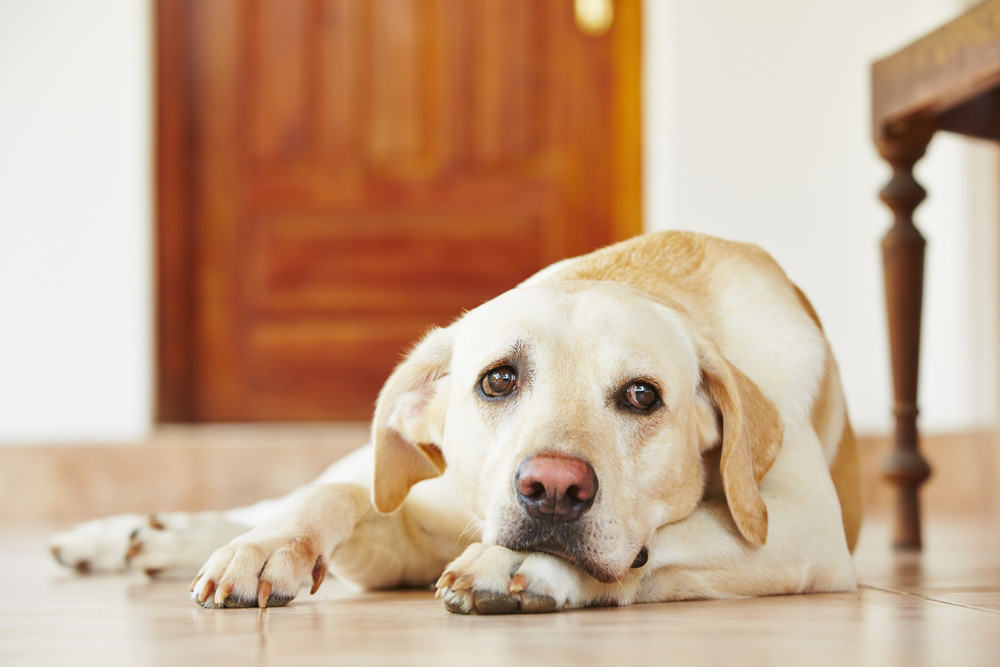
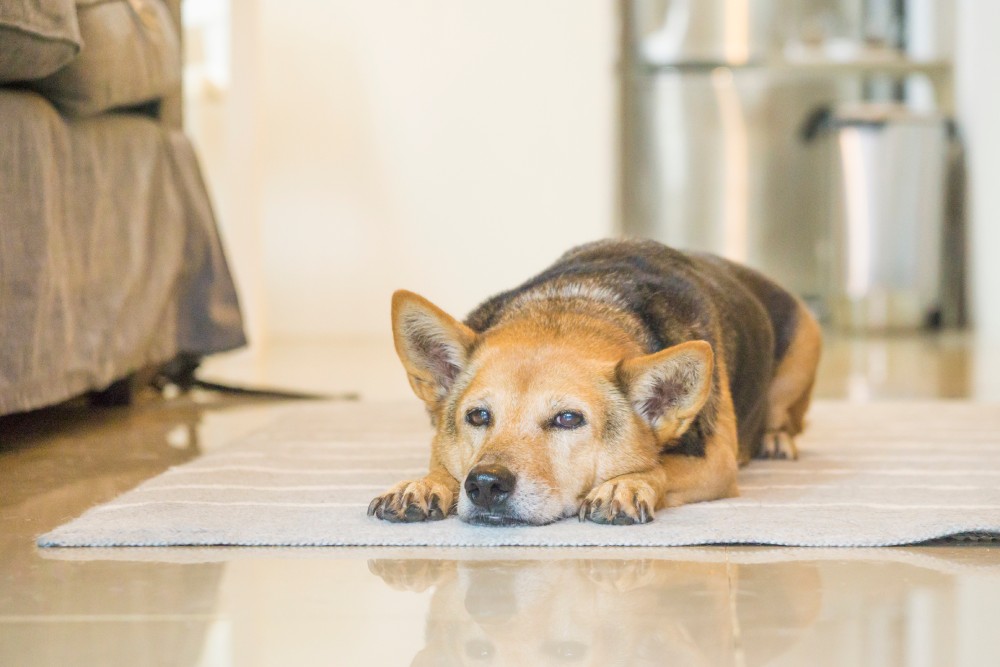
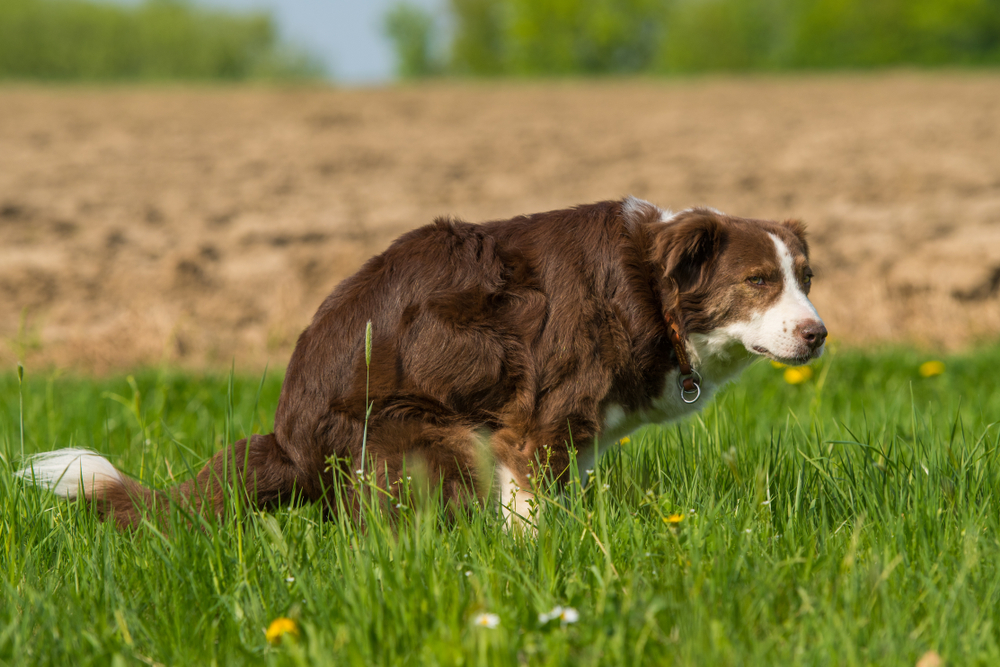
Nobody likes dealing with diarrhea, especially when it’s plaguing your aging canine companion. But what can be even more concerning is if your senior dog also starts losing weight. In combination, weight loss and diarrhea in a senior dog can have various causes, many of which can be serious. These include inflammatory bowel disease, pancreatic insufficiency, food allergies, an infection, or even cancer.
We delve into this topic here to help you find the reason for your dog’s weight loss and diarrhea so your pup can better enjoy their golden years.

The 8 Common Causes of Weight Loss and Diarrhea in Senior Dogs
There are many possible causes of weight loss and diarrhea in dogs. Keep in mind that this list just scratches the surface of possibilities, so be sure to seek veterinary attention for a proper diagnosis.
Speak to a veterinarian so you can rule out any serious health conditions and get advice on what approach might be best to help your dog.
1. Inflammatory bowel disease
This is when the intestines become so inflamed that they have a hard time absorbing nutrients. What you get is chronic diarrhea that can lead to weight loss over time because the dog simply can’t absorb the required nutrients.
2. Exocrine pancreatic insufficiency
The pancreas is a major player in the production of digestive enzymes to help break down food. Sometimes, as a dog ages, pancreatic cells can shrink or become damaged by chronic pancreatitis, causing them to decrease production. What happens next is that digesta can pass through the system without being fully broken down and absorbed. Chronic diarrhea and weight loss can then ensue.
3. Chronic pancreatitis
We can relate exocrine pancreatic insufficiency to pancreatitis, which is when the pancreas becomes inflamed. One case of pancreatitis can cause diarrhea but is unlikely to lead to weight loss. However, if this happens repeatedly over time, it can damage the pancreatic cells so they no longer produce digestive enzymes. Be aware that dogs that experience one case of pancreatitis may be more prone to future cases.
4. Food allergies/intolerances
Dogs can develop allergies to food ingredients that they have eaten without trouble for many years. When this happens, their digestive system has a reaction to the food that can lead to diarrhea, vomiting, and stomach pain. If they continue to eat the food with these issues, it can lead to weight loss.

5. Digestive imbalance
A dog’s gut is a wonderful concoction of good bacteria, called the microbiome, that aid in digestion, immune function, and absorption of nutrients. If that balance gets out of whack due to diet, an infection, or medications, it can result in diarrhea and over time, weight loss.
6. Infections/parasites
Many germs and worms can affect a dog’s digestive system, more so in senior dogs that have decreased immune function. Any bacterial, viral, or parasitic infection can result in a disruption to digestion that can bring on diarrhea and weight loss.
7. Cancer
Many types of cancer can lead to weight loss and diarrhea in senior dogs.
8. Other organ issues
The health of a dog’s digestive system is in the hands of many organs, not just the stomach and intestines. Pancreatic issues can cause diarrhea and weight loss, and so can liver and kidney diseases and diabetes, to name a few.

What to Do for a Senior Dog With Weight Loss and Diarrhea
The previous list can give you an idea of the variation in causes of weight loss and diarrhea in senior dogs. Nearly any issue from the mouth to the anus can lead to these signs, so you’ll want to see a veterinarian to help you on this diagnostic journey.
Expect your vet to run blood work, a fecal sample, and potentially, X-rays, and ask you questions about what you’re feeding your dog, their appetite, and any other signs that you’ve noticed.
From there, your vet can recommend a treatment plan aimed at the underlying disease. This may include a diet change, deworming, antibiotics, enzyme supplements, surgery, or probiotics. Don’t take a wait-and-see approach for a dog with weight loss and diarrhea. The sooner you can treat your pet, the better.
How Do You Know If Your Senior Dog Is Suffering?
Diarrhea and weight loss are two things that definitely don’t boost a dog’s quality of life, but most of their causes are fixable. See your veterinarian to determine the reason for your dog’s weight loss and diarrhea, and follow any treatment plan that they recommend.
Some causes will need lifelong management, which may include a diet change or medication that needs to be given with every meal. Others can be cleared up with one round of antibiotics, probiotics, or a dewormer.
Then, there are certain cases that can’t be cured, such as specific types of cancer. In these situations, it’s best to work closely with your veterinarian to determine the best course of action to keep your pup as comfortable and as happy as possible. You’ll want to watch for signs like inappetence, lethargy, or severe discomfort to determine if your dog is suffering.

Conclusion
Aging presents a unique set of challenges for our canine companions, including weight loss and diarrhea. Your dog will need your and your veterinarian’s help to determine the cause and best course of treatment so they can live out their golden years in the best way possible.
Sources
Featured Image Credit: Brad K Covington, Shutterstock
Expert dog care, straight to your inbox
Vet-reviewed advice, training tips, and the best of Dogster. Free, and you can unsubscribe anytime.
By signing up, you agree to our Terms & Conditions and Privacy & Cookies Policy.
Dr. Chyrle Bonk DVM (Veterinarian)
On top of caring for animals and writing for veterinary publications, Dr. Chyrle Bonk owns a small cattle herd! When she’s not busy with those things, she can be found somewhere enjoying the Idaho outdoors with her husband and two kids. Dr. Chyrle Bonk received her Doctor of Veterinary Medicine (DVM) from Oregon State University in 2010.
Chyrle has practiced in a mixed animal clinic for over a decade. She also writes for various veterinary websites and magazines, like Dogster!
Join the conversation
Ask a question, share your story, or send private feedback.