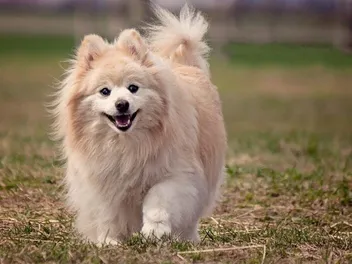
13 Interesting Facts About Small Dogs You Need to Know


Some people love big dogs. They are better equipped to deal with rough play and many larger breeds are perfectly aware of their size and the impact that it can have on small children, earning breeds like the Great Dane the moniker of gentle giant. In contrast, smaller dogs have a reputation for being yappy with some being described as having little dog syndrome, meaning that they will square up to and cause trouble with some of the biggest dogs in the park.
But, there are pros and cons to dogs of all sizes, and, below, we look at a few interesting facts about small dogs, some of which might tip the scale in their favor with potential owners.

The 13 Interesting Facts About Small Dogs
1. They Can Suffer from “Small Dog Syndrome”
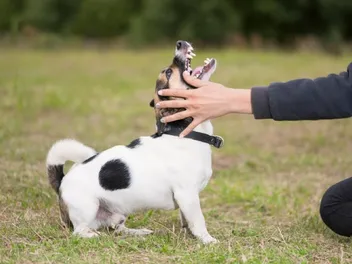
Small dog syndrome is a combination of characteristics and behaviors displayed by some small dogs that are in contradiction to their size, and possibly meant to over-compensate for the fact they are smaller than most other dogs. It tends to include excessive barking and even snapping, usually at much larger dogs.
While some people find this amusing, it could be a sign of fear from your little dog and it can be dangerous if your Chihuahua tries to pick a fight with a Mastiff, for example.

2. They Are More Fragile Than Big Dogs
Big dogs are good for rough play, and they tend to be able to shake off minor knocks, although there are exceptions. Small dogs are much more fragile, and they can be prone to accidental injuries caused by seemingly innocuous incidents.
Even picking up a small dog is more fraught with danger than attempting to pick up a bigger dog, while the more fragile trachea and neck of small breeds, means greater care is required when using a leash and collar. Small dogs, especially fluffy ones, also look more like cuddly toys, which means children are more likely to poke, prod, and attempt to play with them as they would with a stuffed animal. It’s up to you to educate little ones and make sure they don’t incorrectly handle your small dog.
3. They Have Long Lifespans
While some big dogs have lifespans of fewer than ten years, smaller dogs tend to have much longer lifespans with many small dogs living as long as 18 or even 20 years.
However, just because a breed has a lifespan this long does not guarantee that the dog will live 20 years. Ensure a good diet and regular exercise, as well as regular vet visits and routine vaccinations, to give your dog the best chance of a long, healthy, and happy life.
4. Small Dogs Are Prone to Patella Luxation
The patellar is the kneecap and when in the correct position, it sits smoothly within the groove at the end of the femur. Luxation means that the kneecap usually pops in and out of the joint. It can lead to considerable discomfort and be very painful. It is possible to operate on the dog and have a chance at fixing the problem, but this can prove very costly if you don’t have suitable pet insurance, and it doesn’t guarantee that the problem will be completely fixed.
Although certain breeds, including some large breeds, are more likely to be affected by this than others, smell breeds in general are at higher risk of patella luxation.

5. They Can Be Prone to Tracheal Collapse
Another condition that small breeds are prone to is tracheal collapse. The trachea is a small tube that keeps the airways open. Collapse means that the airway folds in like a wet paper straw, making it more difficult to breathe. It can lead to coughing, respiratory distress, and even lung infections, and it is believed that it may be a genetic condition with many small breeds suffering.
Small dogs with this condition can benefit from using a harness rather than a collar and leash as pressure on the neck flares up the irritation.

6. Small Dogs Can Easily Be Overfed
Obesity is a major problem for dogs, and it is generally caused by a combination of too little exercise and too much food. All owners should weigh their dog’s food to ensure they aren’t overfeeding, but while a slight increase in the amount you feed a big breed won’t add too many calories to a diet, even a few extra pieces of kibble for a small breed can be enough to cause it to add pounds in weight every year and eventually lead to obesity.
Do measure food and also ensure that your little dog is getting enough daily exercise to burn off the calories in their diet.
Dog Calorie Calculator
Recommended Daily Calories

The exact amount of calories an individual animal needs to maintain a healthy weight is variable and influenced by many factors including genetics, age, breed, and activity level. This tool is meant to be used only as a guideline for healthy individuals and does not substitute veterinary advice
7. Small Dogs Take Up Less Space
Some dogs love to sprawl out when they’re relaxing, but no matter how much a Yorkshire Terrier spreads itself, it will never cover an entire couch. A Great Dane, on the other hand, can take up an entire corner couch and still have to hang its legs over the edges.
Small dogs might have big characters, but they do not take up as much physical room as big breeds. This is one reason why they are popular with owners who live in apartments.

8. They Make Better Lap Dogs Than Big Dogs
Owners looking for lap dogs would be better off looking at small breeds. Not only do they fit more easily on your lap without causing dead legs, but many small breeds were bred to be lap dogs, so they not only tolerate it, but they also actively look for this kind of close relationship with their owners.
9. They Cost Less to Feed Than Big Dogs
Small dogs eat much less than giant breeds and less than medium to large dogs. Some small breeds will eat as little as half to one cup of dry kibble a day, whereas some large breeds can consume five cups of food per day, potentially even more if they are very active dogs.
Because they eat substantially less than big dogs, the cost of buying food is lower. You’ll also likely spend less on treats, and even some medications, although other costs like insurance and training costs still add up.

10. They Can Be Bullied by Other Pets
Small dogs can be bullied by other pets. If you have a very small dog breed, even large cats can pick on them and bully them a little. Obviously, some cats will still pick on bigger breeds, but if a bigger dog picks on a Boston Terrier, they can do quite a lot of damage, which is less likely when a cat tries to bully a Saint Bernard.
Take introductions slowly and ensure all pets have areas they can disappear to. It will make the process go more smoothly and hopefully prevent too much bullying. Although ideally a very small breed of dog will not live with, or be unsupervised around, a very large breed.
11. They Can Be Easier to Handle
Although you shouldn’t get in the habit of always picking up your dog and moving them where you want them to go, the fact that you can pick up a small dog and carry it around can be convenient.
If they point blank refuse to go into the vet’s office, you can pick them up. If your little dog gets tired halfway around a walk, you can pick them up and carry them home rather than trying to coax them around the last few blocks. That being said, we don’t recommend letting your guard down if your small dog appears aggressive, their bites can still do damage!

12. Many Were Bred as Companion Dogs
Many big dog breeds were bred as guardians, hunting dogs, and other working dog roles. While some small breeds were originally bred for ratting or other specific purposes, others were bred as companions. Their size made them popular because they could be carried, left on a lap, or even put in a bag and carried around.
Companion dogs don’t need as much exercise as working dogs, and they may not need the same level of mental stimulation, but they can be a lot more demanding of your time and attention. Such breeds are more prone to separation anxiety, which means you can’t simply ignore them.
13. The Chihuahua Is the Smallest Dog Breed
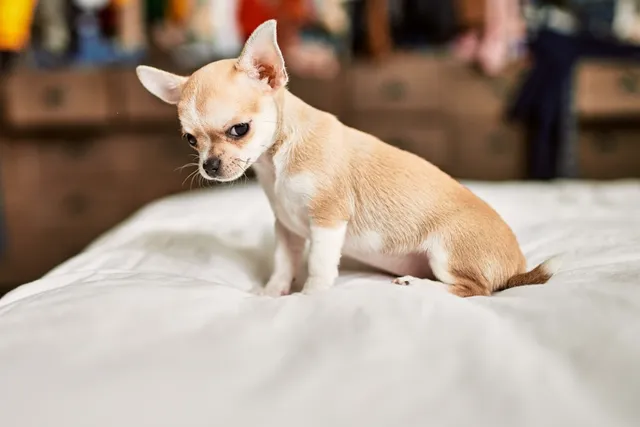
When it comes to small breeds, there are a lot of popular choices. The Boston Terrier and the French Bulldog, for example, are two of the most popular breeds of dog. But, for those potential owners who are looking for the smallest possible dog breed, the Chihuahua is the choice. They typically grow to around 8 inches tall and weigh less than 6 pounds, which is less than most domestic breeds of cat.

Conclusion
Small dog breeds are convenient, cost less to feed, and, at least in terms of walks, are lower maintenance than their giant and large counterparts. They also tend to have a much longer life expectancy. However, they can be clingy, suffer from small dog syndrome, and might be bullied by other dogs and even cats.
Sources
Featured Image Credit: KDdesign_photo_video, Shutterstock
Expert dog care, straight to your inbox
Vet-reviewed advice, training tips, and the best of Dogster. Free, and you can unsubscribe anytime.
By signing up, you agree to our Terms & Conditions and Privacy & Cookies Policy.
Matt is a freelance writer from the UK. He lives with his partner and daughter, as well as two cats and one dog. A data analyst by profession, Matt moved from numbers to words more than 15 years ago and has been writing ever since. Having volunteered at a local animal sanctuary, he has a lot of experience with dogs, cats, and horses. Matt has also kept bearded dragons, a variety of birds, fish, guinea pigs, hamsters, mice, and rats. His daughter has adopted the same passion for animals, keeping and breeding snakes. A geek at heart, Matt is a member of a local board gaming group and regularly forces his family to “enjoy” board games with him at home.
Join the conversation
Ask a question, share your story, or send private feedback.