Is Straw Good for Dog Bedding? Vet-Reviewed Benefits & Maintenance Tips


In this article
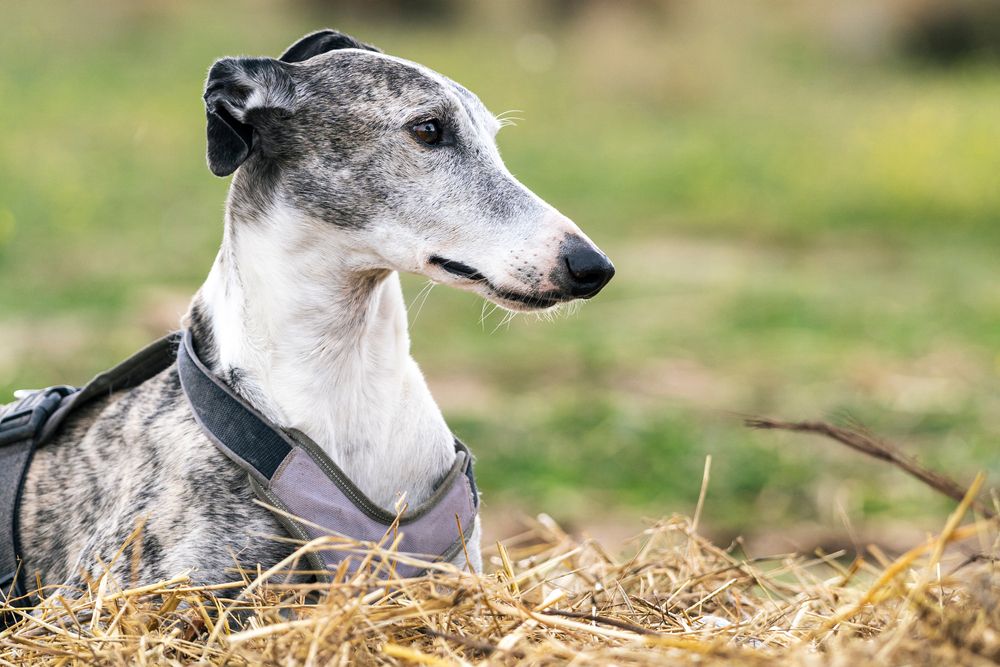
View 4 More +When setting up an outdoor dog house, it’s important to line it with good bedding. Bedding helps dogs stay warm and dry and can prevent moisture from soaking into the doghouse's floorboards. Straw is one type of bedding material that may be used in this way, for the same reasons it is used as bedding for many other animal species; it’s inexpensive, readily available, and, when used correctly, can keep an outdoor kennel insulated and dry.
Straw isn’t the type of material you’d want lining your dog’s bed indoors, and blankets, towels, and mattresses are much more suitable. However, for dogs that spend much or all of their time outside, such as working, guard, or herding dogs, it’s important to provide them with a clean, comfortable place to rest their heads.
We’ll go over the advantages and disadvantages of using straw and how to maintain straw bedding. Once you weigh the pros and cons, you’ll be able to decide if straw is the right type of bedding to keep your dog cozy outdoors.

The Benefits of Straw Bedding
Straw is a natural byproduct of cereal grasses. It’s the dry, hollow stalk that remains after the grains and chaff have been removed from the grass. It’s commonly used as bedding for livestock, including cows, sheep, and pigs, as well as smaller pets like rabbits and guinea pigs.
For dog bedding, straw is one of the more affordable options; plus it’s eco-friendly. By using straw, you’d be reducing your carbon footprint by making use of a natural, biodegradable byproduct of grains.
Straw also acts as an insulator and can keep dogs warm. It absorbs moisture, helping keep dogs dry, but it can also become quite wet and heavy, and needs to be replaced regularly after rain or snow. Therefore, it’s usually more ideal to use in drier climates.

Are All Straws Safe For Dogs?
Not all straws are made equal. Pine straw is typically used as mulch, not bedding. It is not recommended for dogs, as it comes with certain health risks.
Potential Risks of Pine Straw
It’s also worth noting that pine straw offers very poor insulation properties. These risks outweigh the benefits of pine straw, and therefore, it’s best to seek alternative straw sources for your dog.

A Note About Puppies
Puppies have a knack for curiosity and biting strange items, and it’s easy to imagine a curious puppy chewing at straw and unknowingly end up with a sharp object lodged in their throat as a choking hazard. Straw generally isn’t recommended for puppies for exactly this reason.
Straw is also often used for insulation in the colder months, which puppies may not tolerate very well to begin with. It’s therefore best to house puppies indoors during such seasonal shifts.
Difference Between Straw and Hay
Straw is sometimes confused with hay, as they can look similar. Both are also sold at animal feed and supply stores. The main difference between straw and hay is that straw is used for bedding while hay is used for food. Straw is the dry and hollow husk that remains after grains have been harvested, while hay is dried grass or legumes that are used as animal feed.
That being said, hay can also be used as bedding for your dog, as long as it is free from undesirable weeds or other woody material. Cedar shavings (not powder or flakes) are occasionally used as bedding material too, with the added benefit of providing some protection against many biting insects, including fleas. However, cedar oil can cause skin irritation in some dogs and may be toxic if swallowed in large amounts. Therefore, cedar shavings or chips are better suited as an underlayer rather than a primary bedding substrate.
Choosing the Right Type of Straw for Dog Bedding
Different types of straw will have different advantages and disadvantages. Wheat straw is very popular, but tends to be the most brittle and breaks easily, with sharp ends that can be uncomfortable or even be hazardous to eyes. Barley straw lasts somewhat longer, but oat straw tends to be more absorbent. Since you have several options to choose from, think about your budget and the climate that you live in to determine which type of straw would best fit your circumstances.
When shopping for straw, look for something that feels soft, with a moisture content between 15%–20% for good absorbency. Avoid straw that feels dry and brittle. Not only are they uncomfortable, but the dust from any breakage can cause respiratory problems and allergies.
The straw you choose for your dog should have the following characteristics.
Checklist for Selecting Straw For Your Dog

How to Maintain Straw Bedding for a Doghouse
When using straw as dog bedding, it’s important to replace it regularly. Straw can trap moisture and cause odor and mold, especially when it’s hot and humid or rainy outside. Straw is mainly used as exterior insulation for dog houses. A thick layer of straw can be tucked underneath elevated dog houses to help retain heat inside.
In some cases, you can use straw as an interior bedding. However, it requires more maintenance, as leaving it unattended will make it susceptible to mold or mildew.
It’s also recommended to fluff straw bedding inside the doghouse daily. The frequency of switching it out will depend on the type of hay you use and the climate. Some straw bedding can last several days, while others need to be replaced every other day.
Conclusion
If you’re looking for ways to keep your dog clean and warm outdoors, straw is an affordable and eco-friendly option, and it works well as exterior insulation for a dog house. However, it’s important to keep in mind that if it’s not maintained properly, it will cause mold and attract pests. Straw is easier to maintain if you live in warm and dry areas that get little rain. It’ll take more effort if you live in places that are humid or get a lot of rain or snow. Straw is also not recommended for puppies, as it may pose a choking hazard for them. Think about the texture and dust content, make sure there are no harmful oils or chemicals in the straw you choose, and always keep it fresh and dry.
Sources
Featured Photo Credit: j_rueda, Shutterstock
Expert dog care, straight to your inbox
News, insights, expert advice, and everything dog.

No spam — unsubscribe anytime.
By signing up, you agree to our Terms & Conditions and Privacy & Cookies Policy.
How useful was this post?
Click a star to rate. You can leave written feedback afterwards. (We read all feedback.)

Jessica is a freelance writer who spends bigger part of her day researching and writing while her furry companion Cavapoo, Nora, snoozes beside her. She loves dogs, pets and animals because there’s so much to learn from them, and they do so much for us. As a dog mom, she understands the strong connection that pet parents have with their pets. So, she loves sharing helpful information that pet owners can use to better understand their beloved pets. When she isn't writing, you may find her walking dogs, tending to her plants, or drinking her nth cup of coffee.