How to Train a Dog at Home: 8 Simple Tips (Vet Approved)


Training is an important part of raising your dog to be a well-behaved member of canine society. Some pet parents enroll their dogs in puppy basic training and obedience classes, but these aren’t options for everyone. So, many dog owners train their dogs at home. If you want to begin training your dog at home, you’ll want to ensure you’re prepared before you begin.

Preparing to Train Your Dog at Home
Training your dog at home requires extra effort, but it’s easier with the right concepts and tools.
Understand How Dogs Learn

Dogs are a lot like toddlers: They care about immediate consequences. While some intelligent breeds can understand short, simple words, most dogs respond more to their owner’s tone than their words.
When it comes to canine intelligence, there are three versions that most dog experts recognize. These include:
- Adaptive
- Instinctive
- Working/Obedience
Adaptive intelligence refers to how your dog learns from their surroundings and environment to solve problems, and instinctive learning occurs when your dog acts and learns based on the instincts that they were born with.
During training, working/obedience intelligence is what you will deal with the most. It refers to how well dogs understand and obey the commands that you give.
If you are worried about your dog behavior, we suggest you speak with a vet
Supplies You’ll Need
Training accessories are essential. Before you begin training your dog, make sure you have the following on hand:
- Treats
- Leash and collar
- Water and water bowl (if you plan on training outdoors when it’s hot)

The 8 Tips to Train Your Dog at Home
Training your dog at home doesn’t have to be complicated. The eight simple steps here can help raise your dog into a well-behaved, intelligent companion.
1. Find a Secluded Area

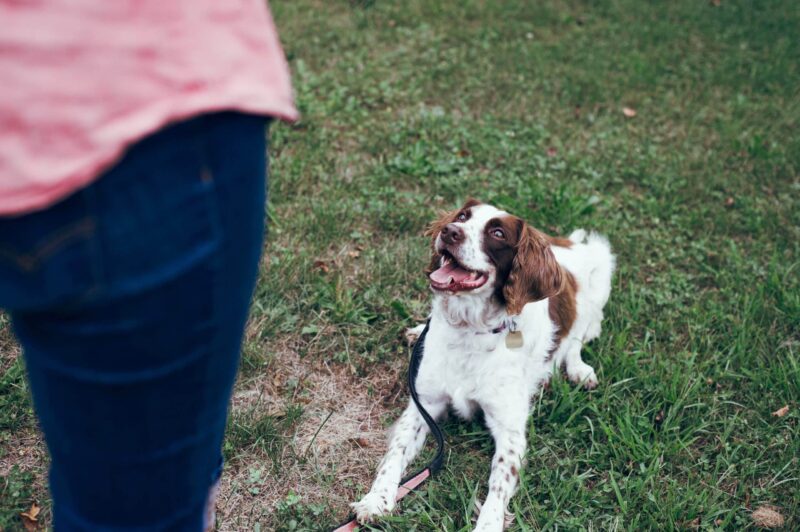
Look for a space indoors or outdoors that is enclosed and private. When training at home, you must find a place with limited distractions. Dogs don’t have the best attention spans (remember, they’re like toddlers), and minimizing interruptions will set your dog up for success.
2. Start With the Basics
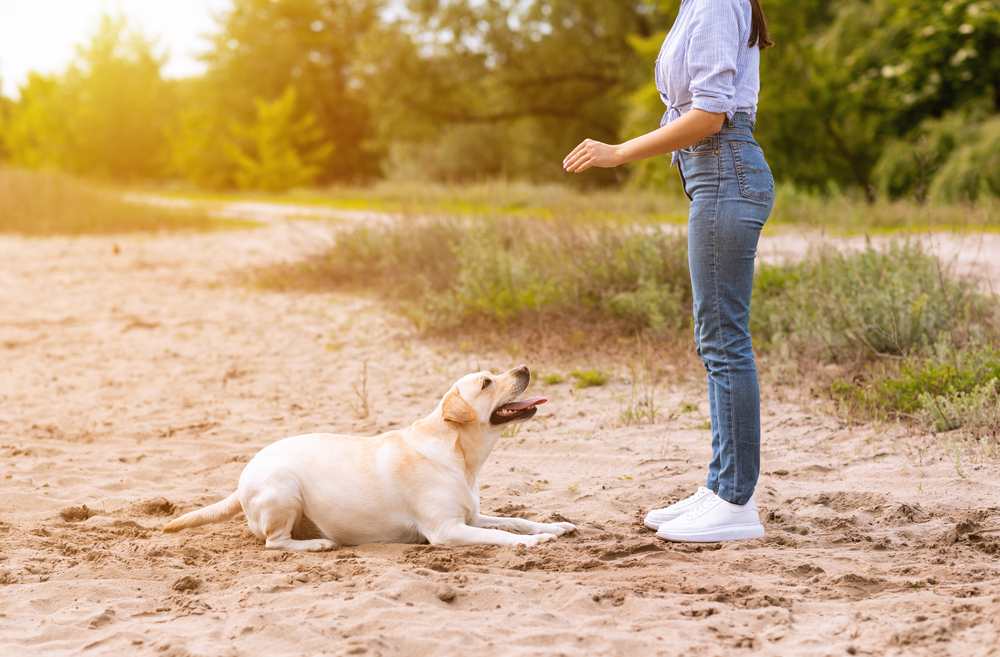
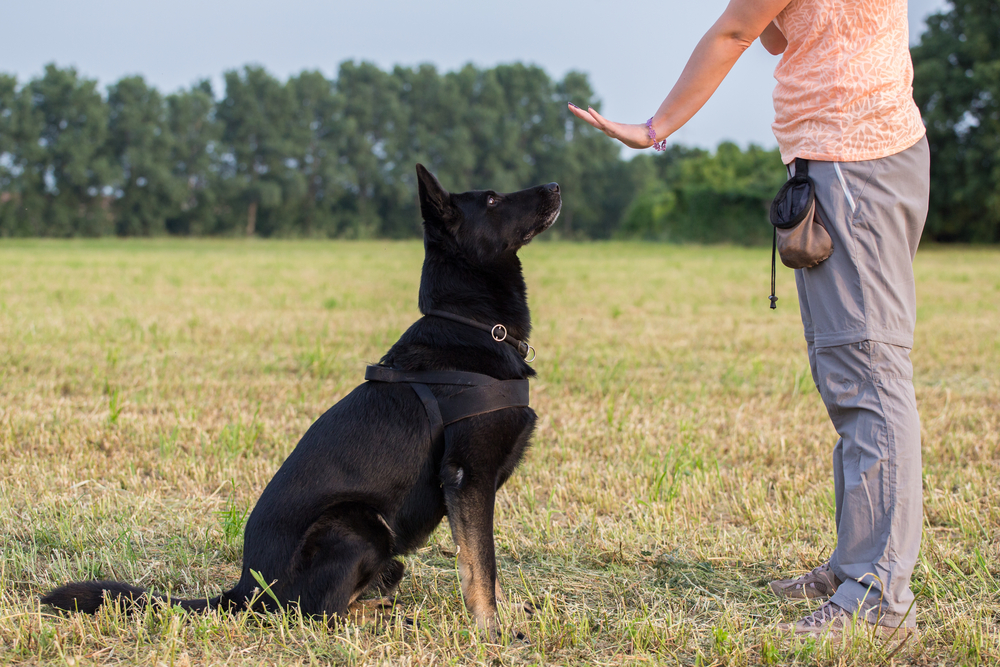
Don’t jump to shaking hands or other complex tricks immediately; it will only confuse your dog. Instead, it’s best to start with the basics. According to the American Kennel Club, there are five foundational commands that you should begin with.
- Come
- Heel
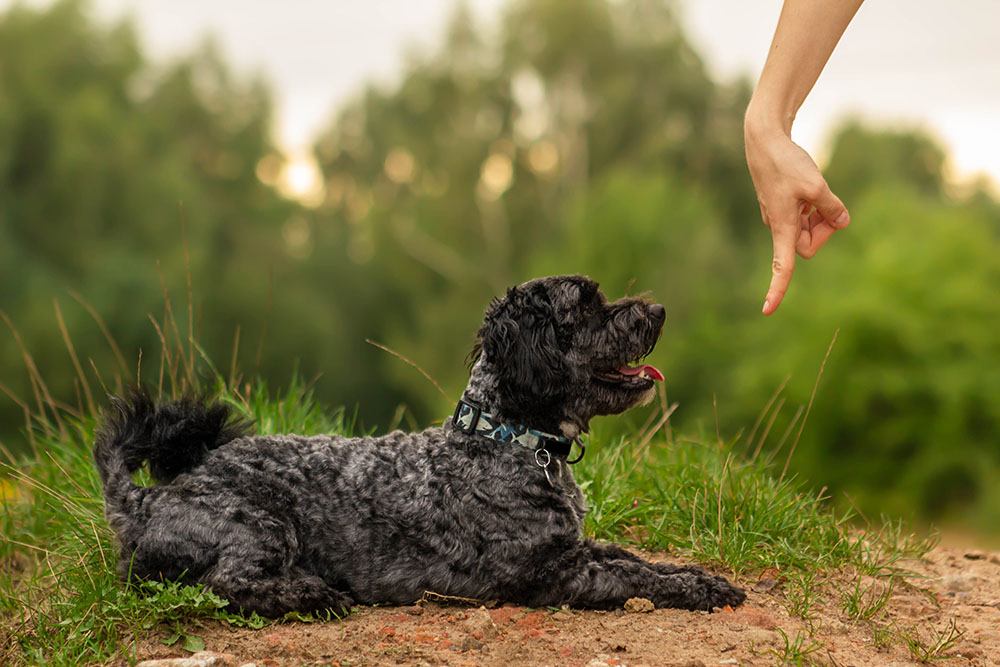
- Sit
- Stay
- Down
Working on these commands will create a good foundation for your dog. Once the basics are established, you can build from them to teach other, more complicated tricks.
3. Be Consistent With Cues and Expectations
When you start teaching your dog a new command, pick a cue ahead of time, and be consistent with it. If you change your verbal cues from day to day, you will only confuse and frustrate your dog. They won’t be able to form an association between the command and the behavior you expect of them.
In addition to your verbal cues, you should be firm with your expectations. During the learning process, you must be consistent with the behavior that you reward. If you reward your dog for no reason, you aren’t encouraging them to learn good behaviors.
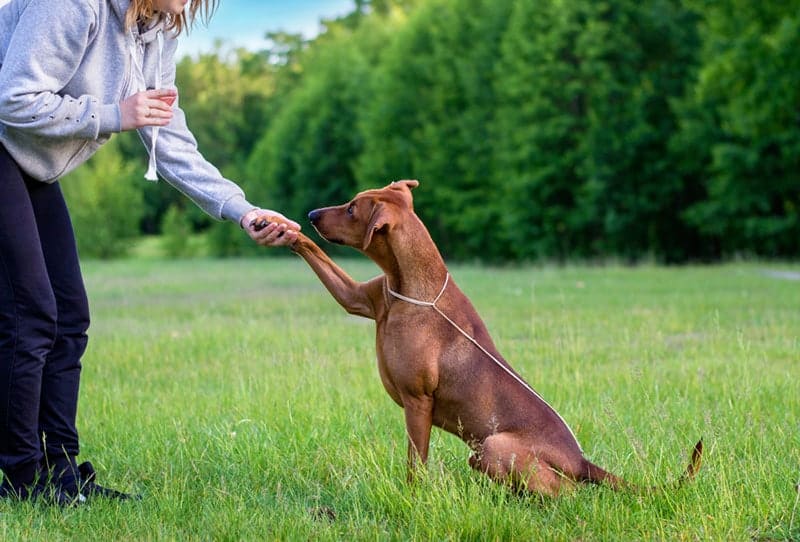
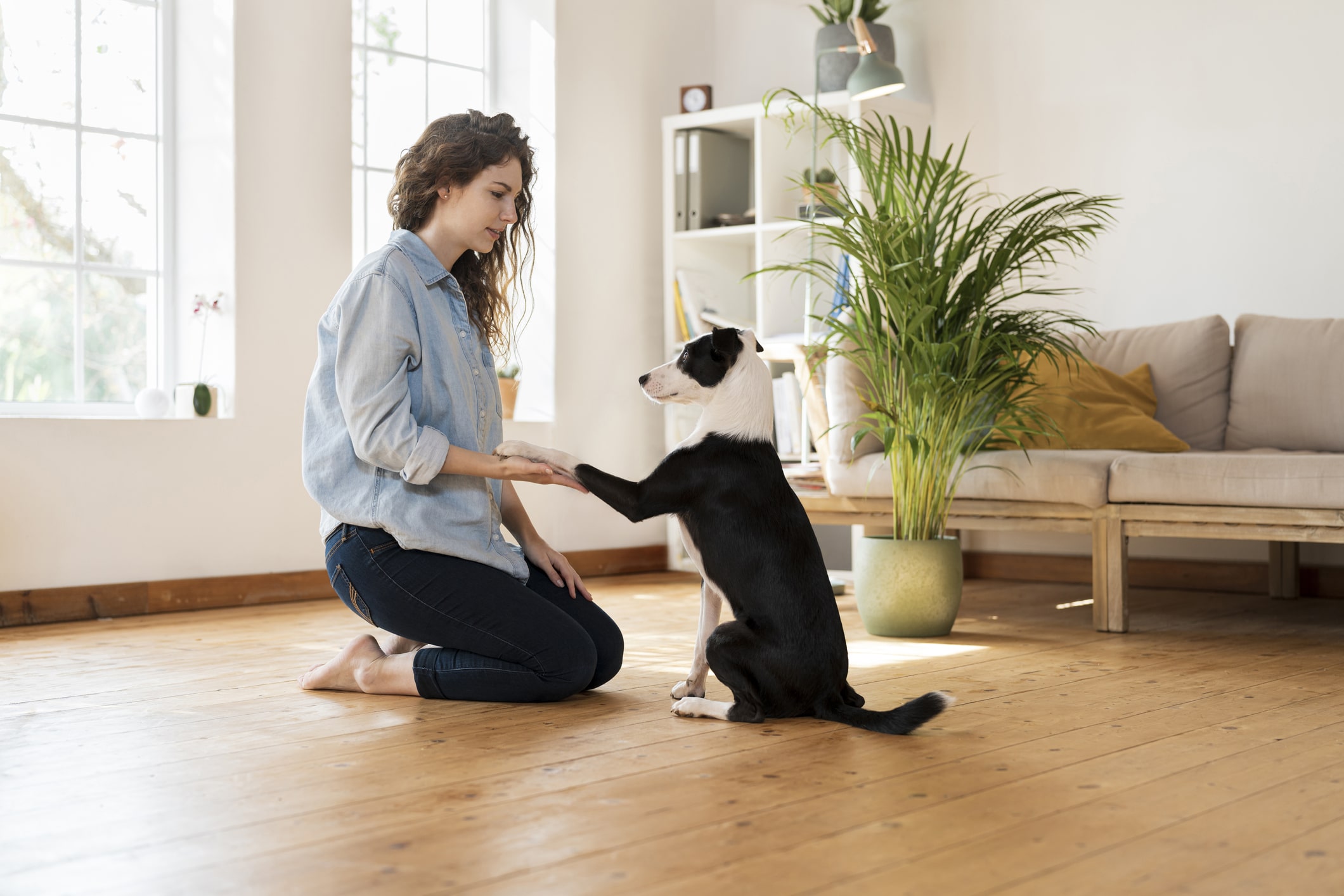
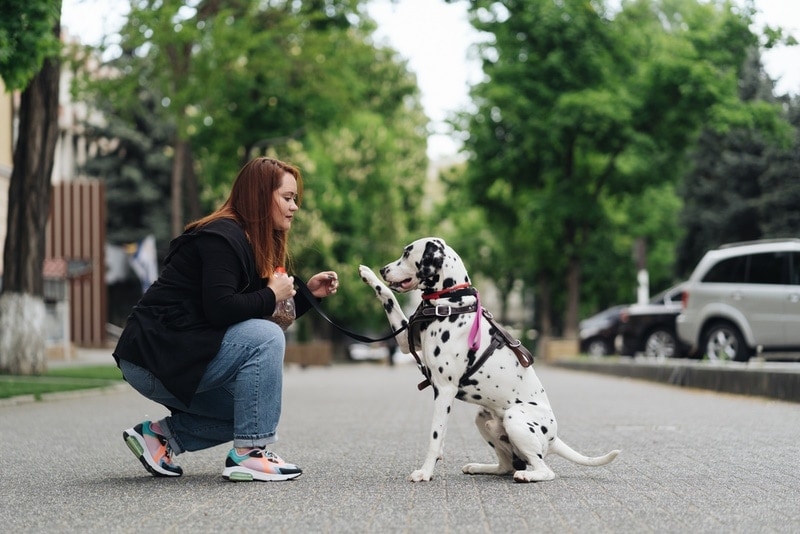
For example, if you are training your dog to give you their paw, don’t give them a treat if they sit down first. This will only create confusion. Consistency is critical; you should know for sure what you want from your dog and reinforce the small steps toward the desired behavior. If your dog lifts their paw off the ground, that is a step toward your goal, so it is fine to reinforce it when you are beginning the training for this particular behavior. However, you should raise and adjust your criteria as your dog progresses toward the final goal. But never reinforce an offered behavior that is not what you’re asking for.

4. Focus on One Task at a Time
During training sessions, focus on one task at a time. If you’re training your dog to sit, don’t shift halfway through to train them to heel. This can confuse your dog and set back the training. In fact, since you are also new to this process, it is best to only train one behavior at a time, as this will make it easier for you and your dog. Do not start teaching a new command until your dog has mastered the previous one and successfully responds to the cue.
Likewise, keep training sessions short. Dogs have small attention spans, and long training sessions aren’t productive. Fifteen minutes or less is the ideal length for a training session.
5. Reward Good Behavior

If your dog does something right, recognize them for it! Rewarding good behavior is an effective way to encourage your dog to behave the way you want them to. Treats, praise, and pets are highly motivating, so your dog will be eager to please.
Even better, rewards make training a fun experience for your dog. That way, when you want to train them again in the future, they will be much more willing to learn.
Consistency is essential when giving rewards. If your dog performs a desired behavior, reward them for it. However, don’t give them the reward until they complete the behavior to the level that you know that they have learned to perform.
6. Establish Consequences for Poor Behavior
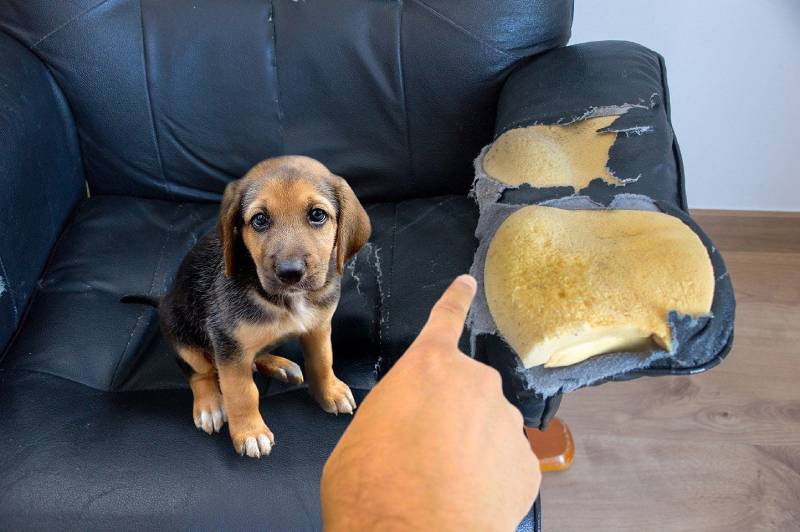
Reward-based training is highly motivating, whereas punishments can destroy your dog’s confidence. However, that doesn’t mean your dog shouldn’t have consequences for poor behavior.
You can correct your dog without punishing them. For example, if your dog nips at you when they want attention, ignore them or remove yourself from the room. This teaches them that there are consequences for undesired behavior.
7. Train in Multiple Places

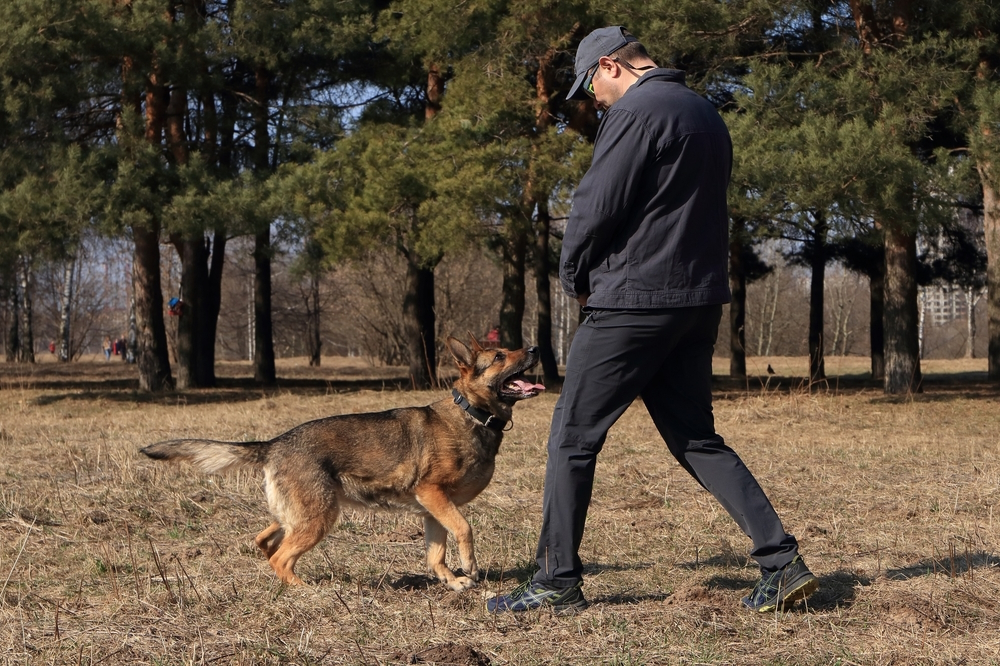
When training your dog at home, it’s a good idea to vary the places you train every now and then. If you usually train in the backyard, try training in the front yard. This variation can help your dog to understand that no matter what environment you are in, they still need to listen to you when you give a command.
Some dog owners complain that their dogs listen to their commands when training in the backyard, but when they’re at the park, it’s like they’ve forgotten their training.
Your dog doesn’t fully understand that the command is not specific to the environment. By changing your environment for training, you can teach your dog that commands should be obeyed no matter what their surroundings look like.
8. Be Patient
One of the most important aspects of training your dog is to stay patient. Your dog is more in tune with you than you may think, so much so that your emotions can affect your dog’s mood. If you’re happy, your dog will be happy. If you’re stressed, your dog will be anxious.
During training, do your best to keep your emotions in check. If you frequently become frustrated, your dog can pick up on it and may begin to dread training. This can derail your progress and your relationship with your dog, as they will be much less willing to train if they think it will be a miserable experience.
Conversely, if your emotions are collected and positive, your dog will be eager to learn.

Final Thoughts
Training a dog for the first time can feel overwhelming, but following the simple tips in this article can make it much easier. With the right supplies, environment, and attitude, you can train your dog to obey you and to behave well. Even if the training starts rocky, remember that your dog is happy to spend time with you. If you can both stay happy during the process, training will be much easier as time goes on.
Related Read:
Sources
Featured Image Credit: Corey Terrill, Shutterstock
Expert dog care, straight to your inbox
News, insights, expert advice, and everything dog.

No spam — unsubscribe anytime.
By signing up, you agree to our Terms & Conditions and Privacy & Cookies Policy.
How useful was this post?
Click a star to rate. You can leave written feedback afterwards. (We read all feedback.)
Pets are Jordyn’s passion, especially cats. Whenever she has the opportunity, she loves to learn about animals and share her knowledge with everyone. She is devoted to her mischievous tabby cat named Jack and works hard to buy him his favorite toys and treats. Discovering new ways to better care for her pet is always on the top of her to-do list, and she is eager to help pet parents everywhere who have similar pursuits. In her free time, she loves to write, read, and take long walks. She has a creative spirit, which often helps her to come up with funny cat names.