Top 11 Tips to Become a Great Dog Walker (Vet Reviewed)


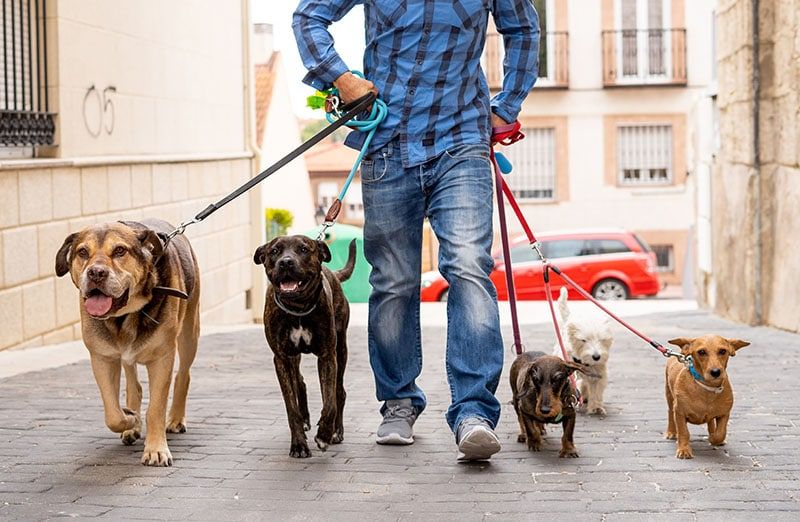
Whether you're planning a side hustle or a new day job, dog walking is a rewarding business for animal lovers. Who wouldn't want to get paid for walking dogs and getting exercise while you're at it? While the trade definitely has its perks, there are a few things that you'll need to know before you begin. Additionally, you'll need to take the time to seriously assess personal factors, such as your time and health, before you commit, to ensure that dog walking is the right job for you.

The 11 Tips for Becoming a Great Dog Walker
Before setting off to become a dog walker, it's crucial to consider your experience with dogs before setting your rates or taking on clients. Having a solid understanding of dog behavior, leash handling, and basic obedience can help you manage walks more safely and confidently. If you’re newer to working with dogs, you may want to start with fewer clients or gain experience by volunteering or assisting an established dog walker before building a full schedule.
1. Consider Your Strengths and Limitations
While you might have heard that you can do anything you set your heart to, your prior commitments and health may not allow dog walking. Certain health conditions that limit how much you can exercise in a day or that don't allow for strenuous activity during extreme weather add considerations that will need to be addressed before you begin. While they don't necessarily disqualify you from the job, you'll need to ensure that you can work safely by firmly establishing your hours of availability and planning walks around extreme weather conditions when possible, avoiding the hottest and coldest parts of the day, or making any other modifications.
Alternatively, if you have a job where your shift hours fluctuate depending on the week, you might not be dependable at certain times. Consistency, responsibility, and reliability are job requirements for a dog walker. Also, of course, if you start something, you want to do it wholeheartedly.
Additionally, if you plan to work as a professional dog walker, it’s important to consider the business side of things. This may include registering your business according to local regulations, keeping track of income and expenses, and ensuring you are operating legally in your area. You should also look into liability insurance, which can help protect you financially in case a dog is injured, lost, or causes damage while in your care. These steps add professionalism to your service and provide both you and your clients with greater peace of mind.
2. Establish Your Schedule and Stick to It

Take a close look at how you spend your time now. Honestly ask yourself if you can add anything else to your schedule. If the answer is yes, proceed to the next step. If not, consider what adjustments you could make, or revisit the idea when your schedule allows more flexibility.
3. Research Local Rates
If you have friends who are in the business, you might ask what they charge clients to get an idea of a fair price. If you're not comfortable with doing that, check websites like ThumbTack to see the going rates in your area. Dog walking rates vary by location, but can often range from about $15 to $30 per 30-minute walk in many urban areas. If you work a minimum-wage job, that sounds like great pay! However, you have to remember that you'll be paying for your own gas if you travel, as well as any other business-related expenses that can chip into your profits.
4. Consider How Far You're Willing to Travel

Ideally, you'll find clients in your own neighborhood so you can keep your business expenses at a minimum. However, that's not always possible if you live in an extremely rural area or a place where there's not a demand for dog walkers. In that case, you'll need to calculate how far you're willing to travel so you can still make a profit.
5. Decide If You Want to Use a Third-Party App or If You'll Be Walking Solo
Third-party dog-walking apps like Rover can help you get your foot in the door by providing you with clients and letting you communicate and send money safely. However, they also take a certain chunk of your earnings, which means you may need to either mark up your services or accept a partial loss of income.
6. Find Your Clientele

Your neighborhood within walking or biking distance is the best place to start. You might consider going door to door where it is permitted and appropriate in your area, passing out business cards or talking to any neighbors you see on the street and asking them to spread the word. If you're looking out of your walking range, go to places in your community that encourage small businesses or attract pet parents. Think of the local coffee shop that has a community bulletin where you can advertise your services or the pet store where you might ask if you can leave a stack of business cards at the counter. Remember to always be polite and friendly and ask permission before you leave anything at a place of business.
7. Always Arrange a Meet and Greet With Clients and Their Dogs Before You Take the Job
Congratulations! Receiving your first job offer is an exhilarating experience. Before you hurriedly accept, however, you should always try to meet the dog and their owner together before you go on a walk. As a dog walker, you'll likely be going into other people's houses with or without them there. You'll need to make sure they seem trustworthy before you commit. Additionally, some dogs may become territorial, anxious, or even aggressive if a stranger sets foot on their turf without their human present. You should help the dog build a positive association with you during the initial meeting, ideally with the owner present to support calm interactions.
8. Ask for Relevant Medical Information
While you don't necessarily need a copy of the dog's medical records, you should definitely ask for relevant health and exercise information. For example, if you're walking a brachycephalic or an older dog, you might need to know what their expectations are for exercise. Occasionally, you might be in charge of an animal with a health condition that requires extra care, so make sure to double-check whether medication is required and who is responsible for administering it.
This also requires a more than basic level of skill and awareness, especially if you are expected to administer medication. You should only agree to give medication if you are properly instructed by the owner and feel confident doing so safely and correctly. In addition, it’s important to understand common health issues that can occur during walks, such as paw injuries, exhaustion, dehydration, or signs of heatstroke. Being able to recognize early warning signs and respond appropriately can help keep the dog safe and may prevent a minor issue from becoming an emergency. The dog is your responsibility while they're in your care, which isn't a job to be treated trivially.

9. Arrive on Time and With Everything You Need
When you show up for the job, make sure you arrive on time and pack essentials like poop bags and plenty of water. Ask the pet parent ahead of time if the dog needs a certain harness or leash or if you'll need to supply your own. If you are transporting dogs by car or van, make sure the vehicle is safe, secure, and comfortable for them. This includes having proper restraints or crates when needed and ensuring the vehicle is well-ventilated. In warmer weather especially, air conditioning is important to prevent overheating and keep the dogs comfortable and safe during transport.
10. Communicate Efficiently
Good communication with the client is also essential. You should clearly confirm expectations before each walk, including routines, feeding or medication instructions, and any behavioral notes about the dog. During ongoing work, it’s important to provide updates when necessary and report any concerns promptly, such as changes in behavior, appetite, stools, or health. Clear and consistent communication helps build trust and ensures the dog receives the best possible care.
Whether you use a third-party app or call or text your clients on your own, communication is the key to success in this business. Pet parents want to know that their fur babies are safe and that the job is getting done effectively. Plus, they enjoy seeing cute pictures of their adventures.

11. Start a Social Media Account for Your Business
Since you're probably already taking pictures of the dogs you're walking, you should consider starting a social media page for your business where you can display photos of you and the dogs having a great time. Of course, always ask the owner's permission before posting pictures of their dogs.
Conclusion
Dog walking requires a consistent schedule, certain knowledge about canines and skill, adequate physical capacity, and of course, a love of all things canine. If that sounds like the ideal job description for you, implement these tips to help you succeed in the business and keep up the good work.
See also: My Dog Keeps Sitting While Walking
Sources
Featured Image Credit: SB Arts Media, Shutterstock
Expert dog care, straight to your inbox
News, insights, expert advice, and everything dog.

No spam — unsubscribe anytime.
By signing up, you agree to our Terms & Conditions and Privacy & Cookies Policy.
How useful was this post?
Click a star to rate. You can leave written feedback afterwards. (We read all feedback.)
Brooke Norris has 2+ years experience as a freelance writer. She graduated from University of North Georgia with a B.S. in Media Studies, and is intrigued by the idea of storytelling across different mediums. Currently she lives in New Orleans, Louisiana, with her husband and four pets. When she isn’t writing, you’ll probably find Brooke petting her dog, Tuggles, or one of her three cats, Satura, Rosie, and Demelza. They follow her around the house as she gardens, cooks, brews coffee, and otherwise makes their house a home.