12 Dog Sitting Tips for a First Time Sitter: Vet-Approved Guide


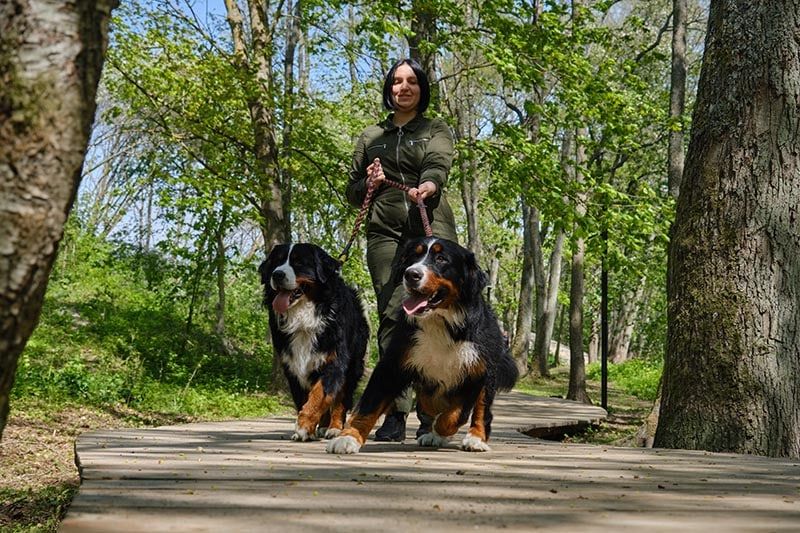
Dog-sitting is an enjoyable and rewarding job. However, your first few jobs can feel overwhelming because dog owners are entrusting you with a significant responsibility. Feeling first-day jitters is normal, and being prepared can help immensely with calming nerves and remaining professional with your dog-sitting clients.
Our 12 dog-sitting tips are here to make sure you have all your bases covered. You will be sure to make a strong impression on your clients and have a fun and safe time with their dogs.

The 12 Dog Sitting Tips for Beginners
1. Schedule a Meet-and-Greet
It is common practice to schedule a meet-and-greet with the dog owners before you begin dog sitting. Meet-and-greets are helpful for all parties for a variety of reasons. First, they help you get a better picture of the dog’s temperament and behavior. They also give the dog a chance to become familiar with you.
Make sure to go to meet-and-greets with questions prepared. Ask about any allergies, health conditions, and medications and how the dog behaves or reacts around other dogs. Include questions about the dog’s preferences and their favorite activities.
Meet-and-greets are also a great opportunity to be clear about what you can and can’t do as a dog sitter. For example, if your dog-sitting services don’t include housekeeping, then mention it to the dog owners.
And after the meet and greet, it’s a good idea to research more about the breeds that you’re going to be dog-sitting. While all dogs have their individual temperaments, researching the breed as a whole is a good way to learn about certain tendencies that are common in the breed.

2. Confirm the Dog’s Daily Routine With the Owners
Being away from their owners is a significant and uncomfortable change for dogs. Sticking to their daily routine can help dogs feel safer and more at ease while their owners are away. Therefore, make sure to ask dog owners about what a typical day looks like for their dogs. Even sticking to a general time frame and sequence of events can help dogs feel less anxious.
3. Establish an Emergency Safety Plan
While it’s unlikely an emergency situation will occur while you’re dog-sitting, it’s still important to be prepared just in case. Make sure you obtain the dog’s veterinarian contact information. Ask the dog owners what they would prefer for you to do in case of an emergency and who you should contact first. You can also inform them of your own safety procedures that you have for emergency situations.
Emergency plans can feel awkward to bring up, but it’s an essential conversation to have with all dog owners. You can help them feel at ease by first mentioning that establishing emergency plans is a standard part of your dog-sitting protocol and that you have this conversation with all dog owners.
4. Consider Insurance
Anytime you’re starting a business, it’s a good idea to have some kind of insurance to protect yourself in the event that something happens. You should have liability insurance so you are covered if the dog in your care is injured, causes injury to someone else or damages their property.
Some things are unpreventable, but it’s always good to have coverage so that you don’t have to pay out of pocket for accidents or injuries that may occur to the dog. Dogs can also become stolen or lost, so having pet sitting insurance can help cover these often unforeseen but unfortunate circumstances.

5. Prepare Your Own Supplies
Make sure to bring your own set of basic dog supplies. Even if the dog owners have shown you where they keep all their dog care items, you never know if they might have a low supply or have run out.
Some helpful items to add to your supply list include doggy poop bags, an antibacterial spray, and pet wash wipes, which are especially helpful because they can help clean dogs that may have gotten into a mess after spending time outside. Many dogs feel hesitant or resistant to getting baths from someone they don’t know well. So, pet wash wipes can help them stay clean until their owners return home.
If you are looking for the perfect product to clean your dog's sensitive areas, Hepper's Wash Wipes are our recommendation, plus it's a great on-the-go option. These premium wipes are thick and durable enough for the toughest of paw messes, while still being soft enough to use on your dog's ears or eyes. Formulated with pet-friendly, hypoallergenic ingredients they are the ideal product for all dogs of all ages, skin conditions, or sensitivities.

- Gentle Care For All Pets - Infused with moisturizing hypoallergenic ingredients & enriched with cucumber & aloe fragrance for healthier fur, coat & skin, the ultimate dog and cat cleaning wipes
- Deep Cleans From Head to Tail - Tackle the toughest dirt & messes with our extra strong pet wipes for dogs, cats and other pets while being gentle on sensitive areas like the face, ears, butt & paws
- Freshness On The Go - Each dog grooming wipes pack contains 30 counts of premium dog wipes that leaves your pets fresh. Packed in resealable packaging, keeping the cat wipes fresh & ready whenever
At Dogster, we’ve admired Hepper for many years and decided to take a controlling ownership interest so that we could benefit from the outstanding designs of this cool pet company!
6. Dog-Proof Your Home
Some dog-sitting jobs may need to take place at your own home, either due to your preference or the dog owner’s preference. In that case, you’ll want to dog-proof your home. Make sure that any unsafe food items are put away, and that the dog or puppy can’t chew on cords or other dangerous objects.
Also make sure that you block off access to rooms that you don’t want the dog to be in and that you put away any valuable objects while the dog is in your home.
7. Bring the Dog’s Favorite Treats or Toys With You
Establishing trust with the dog is key to a successful dog-sitting experience. Ask the dog owners what their dog’s favorite treats are and what kinds of toys are their favorite. Bringing a new toy or bag of treats can show the dog that you’re a non-threatening, friendly person. Always be mindful of any food allergies and sensitivities and check the treats’ ingredient lists to ensure they’re completely safe for the dog to eat.

8. Let the Dog Approach You
The best-case scenario is to arrive at the dog’s house on the day that the dog owners are leaving. Having the dog owners greet you in their home will reinforce that you’re a friend of the family.
However, it’s also fairly common in dog sitting to be given a key and enter the house on your own. If this is the case, make sure to enter the home calmly and call out the dog’s name in a gentle, friendly tone. Give the dog space and allow them to approach you first. It’s normal for dogs to take some time to get used to dog sitters and warm up to them.
9. Remain Calm and Patient
Stick to the dog’s daily routine when you’re dog-sitting. Go about your day as scheduled, even if the dog isn’t engaged. If the dog doesn’t eat their food, you can put it away for a few minutes before setting it down again.
Acting normal can help dogs adjust to your presence and feel more comfortable a little faster. Showing impatience or frustration will only drive dogs further away from you and cause them more distress.
Try offering the dog treats and engaging in playtime with their favorite toys. However, if the dog is hesitant or resistant, don’t force it. You can try again later, and most dogs are eventually won over if you offer them their favorite snacks.
10. Pay Extra Attention When You’re Outside
Dogs can act differently when someone other than their owners is walking them. Therefore, it’s important to give your full attention to the dog when you’re outside and to pay attention to your surroundings. Dogs may try to chase smaller animals or can end up eating something off the ground.
It’s best to avoid other dogs when you’re going on walks, even if the dog owners have stated that their dog is friendly. Other dogs may not be as friendly, and if you aren’t familiar with the neighborhood, you won’t know which dogs are friendly and which aren’t.
Some dog owners will minimize any aggressive behaviors, but the safest thing to do is avoid interactions with other dogs. The only exception would be when the dog owners have named specific dogs that their dog is used to being around.

11. Send Regular Updates to the Owners
No dog owner will refuse to receive updates on how their dog is doing. Before the dog owners leave, establish if email or text is their preferred method of communication and how often they would like to be updated. Remember to take a few pictures or short videos of the dog every day. Write a quick summary of what the dog did and send it along with the photos at the end of each day. Dog owners will feel reassured and more at ease from these daily updates, and it will also build more trust in you.
12. Remember to Ask for Referrals
Word of mouth is one of the best ways to receive more clients. So, don’t forget to ask the dog owners to refer you to their family and friends or to leave a positive review on your online dog-sitting profiles. A natural way to request referrals is by including it on a dog-sitting summary note that you either email or text the dog owner after dog-sitting. The note can state how much you enjoyed being with their dog and name one or two highlights of the experience. Add a request for referrals and your review links at the close of your note. Make sure also to let the dog owner know that you’d be happy to dog-sit again if they ever need in the future.
Conclusion
Clear communication is key with dog-sitting jobs. It’s important to ensure dog owners communicate their dog’s care needs with specificity. It’s equally important to communicate the level of care you can provide clearly. Sending daily updates to dog owners will also help them feel more at ease while they’re away from their dogs. Along with communication, do your best to come prepared. Bring your own emergency supply kit and keep all important information in one place so that you have quick and easy access to them. Doing these things will help you take the best care of the dog that you're dog-sitting and ensure they feel safe and secure while their owners are away. See Also:
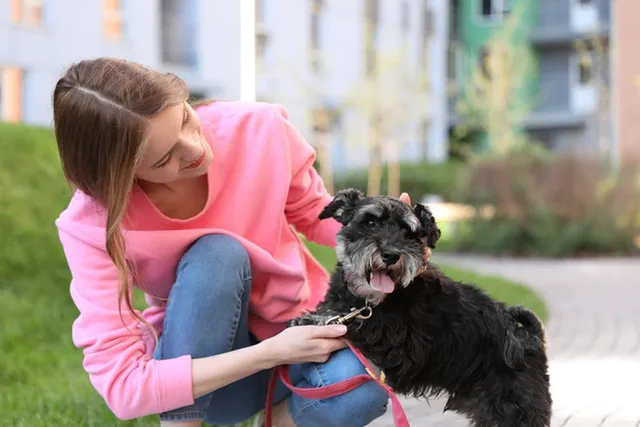
Featured Image Credit: tugol, Shutterstock
Expert dog care, straight to your inbox
News, insights, expert advice, and everything dog.

No spam — unsubscribe anytime.
By signing up, you agree to our Terms & Conditions and Privacy & Cookies Policy.
How useful was this post?
Click a star to rate. You can leave written feedback afterwards. (We read all feedback.)
Jessica is a freelance writer who spends bigger part of her day researching and writing while her furry companion Cavapoo, Nora, snoozes beside her. She loves dogs, pets and animals because there’s so much to learn from them, and they do so much for us. As a dog mom, she understands the strong connection that pet parents have with their pets. So, she loves sharing helpful information that pet owners can use to better understand their beloved pets. When she isn't writing, you may find her walking dogs, tending to her plants, or drinking her nth cup of coffee.