Dogster is reader-supported. When you buy via links on our site, we may earn a commission at no cost to you. Learn more.

Dog Health & Care

Where Do Dogs Like to Be Pet? 3 Vet-Approved Steps to Satisfaction

Jordyn Alger
By Jordyn Alger · Reviewed & fact-checked by Dr. Amanda CharlesVet Approved
Dr. Amanda Charles
Reviewed & Fact-Checked byDr. Amanda CharlesBVSc MRCVS (Veterinarian)
Dr. Amanda Charles, a 2002 graduate from Liverpool University, has built a prolific career in small animal medicine. She is passionate about providing pet owners with reliable and current information, enjoying the varied aspects of veterinary work. Outside the clinic, Amanda's life is filled with the energy of her two young sons, her spirited Cocker Spaniel, along with a spunky Ragdoll cat.View authorThe information is current and up-to-date in accordance with the latest veterinarian research. Learn more
Updated on June 17, 2026
Share
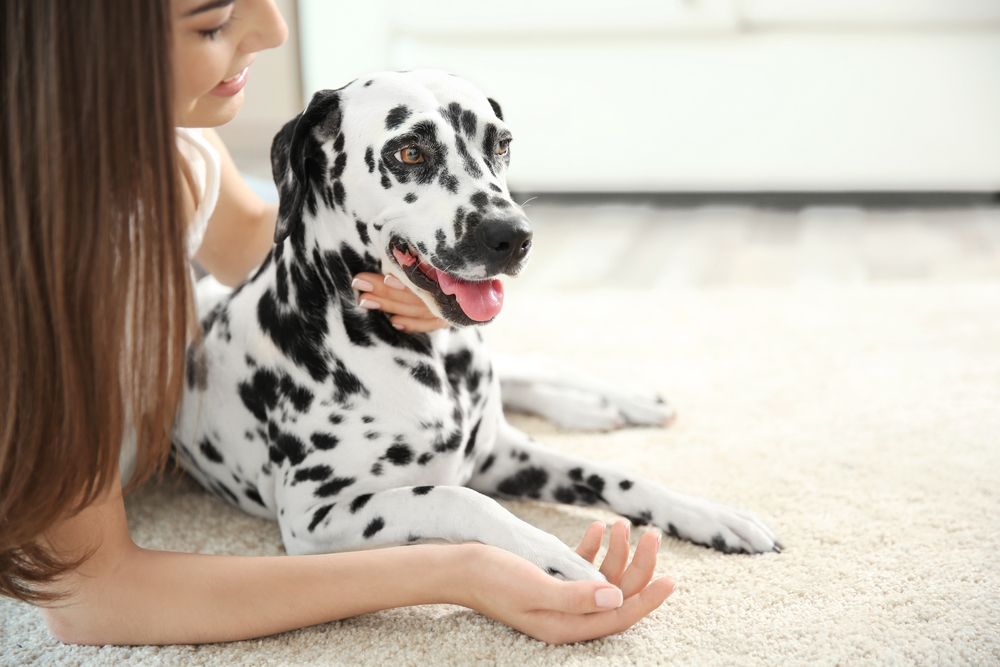
Owner with her dalmatian dog lying on a carpet

For most dog lovers, when an adorable, tail-wagging dog is within sight, there’s an immediate pull to hurry over and pet them. While most dogs respond well (and often enthusiastically) to some affectionate petting, not all do. And sometimes, that has to do with how you pet them.

To ensure that you are petting your dog properly, you must know their boundaries. In this article, we discuss how you can respect your dog’s boundaries in terms of when and where they want to be petted.

divider dog paws 2 oct 2024

The 3 Steps to Petting a Dog

1. Wait for the Dog to Initiate Contact

Image Credit: RavenaJuly, Shutterstock

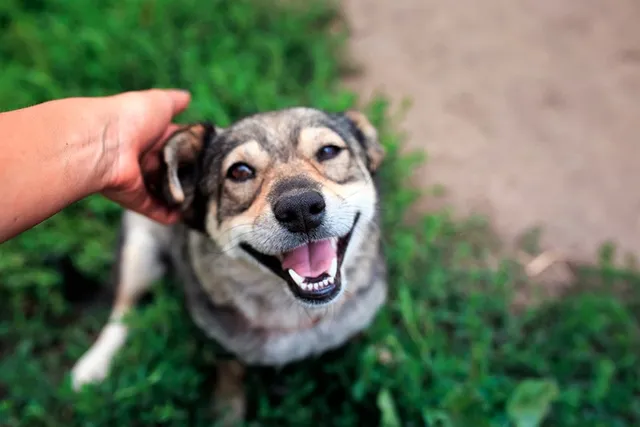
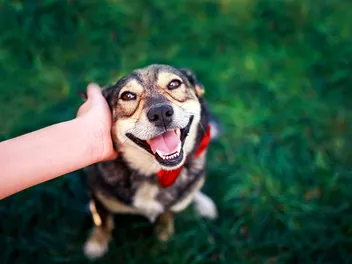
The easiest way to ensure that you respect your dog’s boundaries is to allow them to approach you rather than the other way around. If your dog comes to you for attention, it is likely that they will be eager to be petted. Dogs that do not initiate contact (especially unfamiliar dogs) should have their space respected.

That said, if you want to pet your dog, you don’t always have to wait for them to approach you passively. You can stand a few feet away from your dog, crouch low to the ground, and invite them to approach you. If your dog is comfortable and confident with you, they will probably be able to read your body language well enough to realize that you are inviting them.

If the dog is unfamiliar or timid, turn your body to the side when inviting them over. This can make you appear less threatening. If they approach, you can gently and slowly pet them. If they attempt to evade your hand, they likely don’t want to be touched. Try again later or when they are feeling more comfortable.


2. Make Sure the Dog Wants to Be Pet

Image Credit: Kseniia Grigoreva, Shutterstock

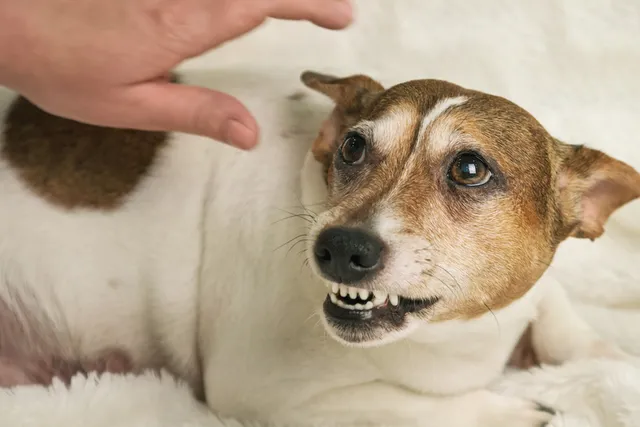
Even if a dog approaches you, that doesn’t always mean they want to be touched. Before petting them, pay close attention to their body language to gauge their willingness to be petted. A friendly, receptive dog typically has relaxed body language with their ears slightly back and their tail positioned at mid-level height.

Their tail may wag in a swinging motion. A dog may sniff you to investigate you, and if they stick around, that is a good sign that they are willing to engage.

However, even these signs of friendly body language don’t guarantee that a dog wants to be petted. If you attempt to pet a dog and they flinch back, don’t push the issue.


3. Focus on the Best Petting Spots

You are free to use this image but please link back to Dogster.com for accreditation

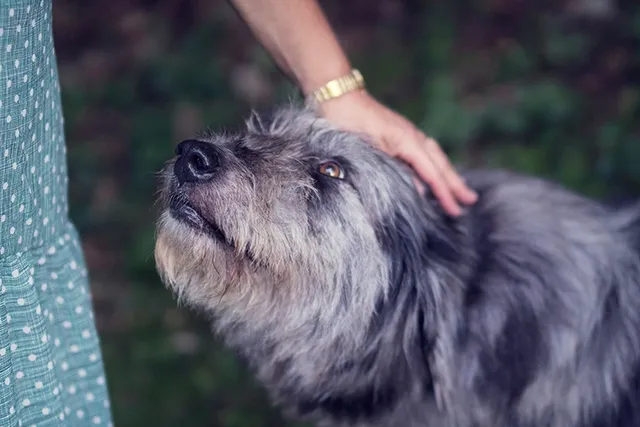
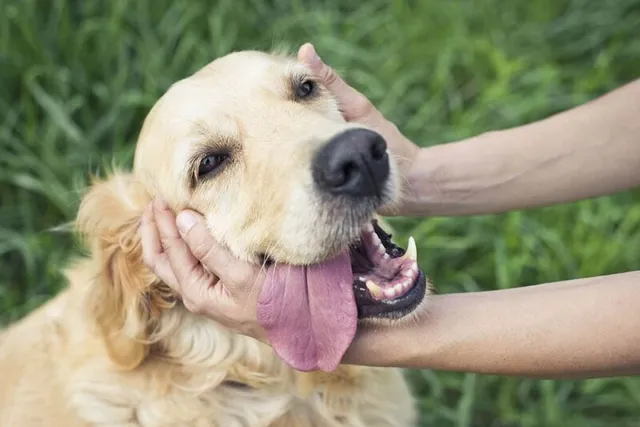
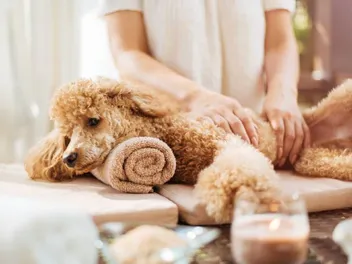
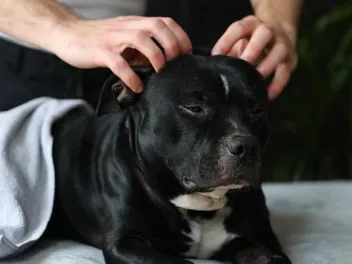
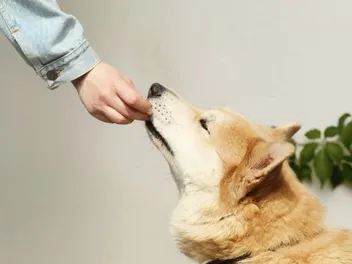
Once a dog has approached you and allowed you to touch them, make the most of the opportunity by only petting pleasant spots. Petting places your dog doesn’t like may make them wary of being petted by you. Typically, dogs enjoy being petted around the shoulders, chest, and the base of the neck. The more you know your dog, the better you'll be able to learn other areas that they prefer to be petted. Common areas include beneath the chin or at the base of the tail. Avoid touching the bulk of the tail. Other areas to avoid include the top of the head, the muzzle, the legs and paws, and the ears. When petting your dog, start with slow, gentle touches. The experience should be pleasant and calming. If your dog appears to be interested in more playful, vigorous scratching, you can gradually change the tempo of your petting. Pay attention to your dog’s body language to determine when they have had enough petting or if they want you to slow back down again.

divider dog paws 2 oct 2024

Final Thoughts

Petting a dog does not have to be rocket science. By paying close attention to your dog’s non-verbal cues, you can determine how comfortable they are with physical contact. Once you’ve evaluated their willingness for affection, you can pet them and focus on their favorite spots. Petting is a great way to bond with your dog, and doing it right can strengthen your connection even more.

Sources

Featured Image Credit: Africa Studio, Shutterstock

Want content like this delivered to you?

News, insights, expert advice, and everything dog

Jordyn Alger
Authored by

Jordyn Alger

Why You Should Never Pat a Dog on the Head: Reasons & Understanding Canine Behaviors

Why You Should Never Pat a Dog on the Head: Reasons & Understanding Canine Behaviors

It's a classic first response to see a dog and immediately want to pet them. The pups seem to evoke reactions in us that make our cuteness meter go off the cha…

Ashley Bates
By Ashley Bates · 2 weeks ago
My Dog Doesn't Like to Be Touched: What Should I Do? Vet-Verified Tips

My Dog Doesn't Like to Be Touched: What Should I Do? Vet-Verified Tips

As loving dog parents, we want to interact with our dogs in a tactile way, so it can be disheartening when your dog is reluctant to be touched or petted. The r…

Kit Copson
By Kit Copson · 2 weeks ago
Why Do Dogs Like to Be Petted? 5 Vet-Verified Reasons

Why Do Dogs Like to Be Petted? 5 Vet-Verified Reasons

Most people know that dogs like to be petted. In fact, most people’s first instinct when introduced to a dog is to pet them. But few people actually know why d…

Kristin Hitchcock
By Kristin Hitchcock · 2 weeks ago
Will Petting Reduce Stress in My Dog? Vet-Reviewed Facts & FAQ

Will Petting Reduce Stress in My Dog? Vet-Reviewed Facts & FAQ

Most owners love to cuddle with their dogs and pet them as a sign of love and affection. This activity feels good to humans and makes them more connected to th…

Visnja Radosavljevic
By Visnja Radosavljevic · 2 weeks ago
June 17, 2026

Do Dogs Like Ear Rubs? Vet-Approved Care Tips

It’s almost universal among dogs. You pet their head, sliding your hand down to give your pup’s ears a good rub, and your pooch suddenly seems like they’re on…

Chris Dinesen Rogers
By Chris Dinesen Rogers
Do Dogs Like Ear Rubs? Vet-Approved Care Tips
June 17, 2026

Dog Massage: Vet-Approved Techniques & How to Guide

Massage isn’t just about making us feel pampered; it benefits us physically and mentally. It focuses on the muscles, tendons, skin, ligaments, and connective t…

Keri-Beth Clur
By Keri-Beth Clur
Dog Massage: Vet-Approved Techniques & How to Guide
June 17, 2026

Do Dogs Like Being Picked Up or Held? Vet-Verified Facts & Tips

Whether a dog likes to be picked up or held depends on the breed and their unique personality. Some dogs enjoy being picked up and cradled. Others, especially…

Jessica Rossetti
By Jessica Rossetti
Do Dogs Like Being Picked Up or Held? Vet-Verified Facts & Tips
June 30, 2026

6 Vet-Verified Benefits of Massaging Your Dog (With Techniques You Can Try)

The bliss and relaxation that follow a massage are unforgettable, but massages have more to offer than just relaxation, and it’s the same for our dogs. Dog mas…

Nicole Cosgrove
By Nicole Cosgrove
6 Vet-Verified Benefits of Massaging Your Dog (With Techniques You Can Try)
June 17, 2026

Why You Can’t Pet Service Dogs: 3 Surprising Reasons

As a community of animal lovers, we all know how difficult it can be to resist the urge to cuddle a service dog. Dogs are lovable enough, but there is somethin…

Nicole Cosgrove
By Nicole Cosgrove
Why You Can’t Pet Service Dogs: 3 Surprising Reasons
June 17, 2026

Can Dogs Feel Their Tails? Vet-Verified Facts & FAQ

Dog tails contain nerves and pain receptors. Therefore, dogs can absolutely feel their tails. If you’ve ever accidentally stepped on your dog’s tail, you under…

Kristin Hitchcock
By Kristin Hitchcock
Can Dogs Feel Their Tails? Vet-Verified Facts & FAQ
June 17, 2026

3 Benefits of Hand Feeding Your Dog: Vet-Approved Facts

Hand-feeding your dog isn't something that you may have ever thought of, especially if your pup doesn't have any issues that make it difficult for them to eat…

Nicole Cosgrove
By Nicole Cosgrove
3 Benefits of Hand Feeding Your Dog: Vet-Approved Facts
June 17, 2026

How Much Attention Do Dogs Need? Vet-Approved Care Facts

Everyone knows dogs want all the attention they can get, but the amount they need isn’t always apparent. Dogs require a healthy blend of social engagement and…

Nicole Cosgrove
By Nicole Cosgrove
How Much Attention Do Dogs Need? Vet-Approved Care Facts

Love Dogs? So Do We! Join the Dogster Community

Stay informed with expert pet care insights delivered straight to your inbox! Discover professional guidance on animal behavior, feeding tips, trusted product picks, and much more.

You may opt-out at any time. View our Privacy Policy for more information.

The Dogster app on a phone