How Protective Are Pitbulls? Potential Causes & Vet-Approved Tips to Train Them


In this article
View 2 More +Pitbulls are highly renowned for their endurance, muscular bodies, and high energy levels. They often make great family pets because of their loyal and affectionate nature.
Due to their working background and strong physical traits, some people perceive Pitbull dogs as protective, especially toward their families, or even intimidating. Their protective instinct allows them to be alert and watchful, but their behavior varies widely depending on individual personality, genetics, training, and socialization. Like most dogs, a Pit Bull’s reaction to perceived threats is influenced by their individual temperament and upbringing rather than breed alone.
This article will explore the protectiveness of Pitbulls and why they make such great guard dogs. Read on to learn more.

The Protective Nature of Pitbulls
When most people hear the word “Pitbull”, they often associate it with an aggressive and dangerous dog that should be avoided at all costs. These perceptions are often influenced by misinformation or incomplete understanding of the breed.1
While they may bark or alert to unfamiliar sounds or visitors, this behavior varies widely between individual dogs and is influenced by training and environment. Many Pitbull dogs can form strong bonds with people, including children, but interactions with children should always be supervised and depend on the individual dog’s temperament and training.
Some Pitbulls may show protective behaviors, but they are not consistently bred or reliably suited for guarding compared to traditional guardian breeds, such as Rottweilers and German Shepherds.
Fortunately, early training and socialization can help the dogs distinguish between harmless situations and real threats, thus allowing them to respond appropriately.

What Makes Pitbulls So Protective of Their Loved Ones?
Now that you know that a Pitbull is likely and willing to protect the owner against all kinds of threats, despite not being one of the best guard dog breeds, let's look at some of the reasons why this breed is overly protective.
1. They Are Extremely Loyal
Pitbull dogs can form strong attachments to their owners, but levels of loyalty and protective behavior vary widely between individual dogs. Like many companion breeds, they often enjoy being near their owners and may show interest in unfamiliar situations, but this does not always reliably translate into classical protective behavior.

2. They Are an Affectionate Breed
Most people usually consider Pitbulls to be large cuddle machines. Despite the popular misconception that this dog can be very dangerous, Pitbulls enjoy nothing else as much as they enjoy giving and receiving cuddles. Pit Bull dogs can be affectionate with their families, but levels of sociability and physical affection will vary widely between individuals.2
3. They Are Intelligent
Pitbulls are a highly intelligent breed with an instinct to protect their territories as well as their owners. These dogs, like all breeds, vary widely in temperament, and their behavior is shaped by genetics, training, and environment
When faced with unusual or stressful situations, dogs may respond in different ways, such as freezing, barking, growling, seeking their owner, or attempting to escape, depending on the individual. Their responses are based on instinct and learning rather than deliberate reasoning or decision-making.

4. They Are Confident and Courageous
Pitbull dogs, like many breeds, can vary in confidence and energy levels depending on genetics, upbringing, socialisation and training. Some individuals may show persistence in challenging or stimulating situations, but this is not unique to the breed and does not predict aggressive or confrontational behavior. Behavior in stressful or conflict situations is highly individual and influenced by environment, socialization, and training rather than a fixed breed trait.
5. They’re Family-Oriented Dogs
As aforementioned, this dog breed can easily form strong bonds with their forever families. If you take a new Pitbull puppy to your home, it will basically consider anyone who lives under your roof to be part of its family. Pitbulls form strong bonds with the people they live with and often become attached to their household over time.
Like all dogs, their responses to unfamiliar people or situations vary widely depending on their temperament, training, and socialization, and should not be assumed to be protective or confrontational.
Tips for Keeping Your Pitbull Safe and Happy
1. Ensure Everyone Is Safe
It’s important to always ensure that all visitors, children, and other pets are kept safe and that your dog is well-behaved and under control in social situations. Proper socialization, supervision, and clear boundaries help reduce the risk of unwanted or stressful interactions for everyone involved.

2. Utilize Obedience Training Techniques
You can also train your dog to follow basic commands such as “stay," “leave it," “come,” and “sit.” These obedience skills help improve communication and allow better management of your dog in both private and public settings. While training can reduce the risk of unwanted interactions, safety also depends on proper supervision, socialization, and environment management.
3. Socialize Your Pitbull
Common behavioral issues in dogs, including fear or reactivity, can be influenced by a lack of proper socialization, along with other factors such as genetics and past experiences. Thankfully, you can socialize your Pitbull by taking it for walks, organizing visits to the dog park and play dates, as well as taking them to new places at a gradual pace. This helps them become more comfortable and confident around other people and unfamiliar environments over time. Dogs are often less reactive in familiar situations with known people, but behavior can still vary depending on the individual dog and context.
4. Do Not Use Punishment During Training
When training your Pitbull puppy how to protect your household members, avoid punishment techniques. These methods can make your Pitbull fearful, stressed, and insecure. Instead, utilize positive reinforcement techniques such as offering praise and giving rewards when they do something desirable.

5. Train Your Dog Not to Accept Treats from Strangers
Teaching a dog to avoid taking food from unknown people can be a useful safety skill in some environments. Dogs may be food motivated, so it is important to reinforce reliable recall and impulse control with consistent training. While rare safety risks can exist, such as someone trying to poison your dog, serious incidents involving food from strangers are uncommon.
Conclusion
Pitbulls are very remarkable dogs that are full of loyalty and affection, and tend to make strong bonds with their families. Therefore, whether you are a newbie or an experienced Pitbull owner, with proper care, training, and socialization, this canine companion will reward you and your family with boundless love and an unwavering commitment.
Sources
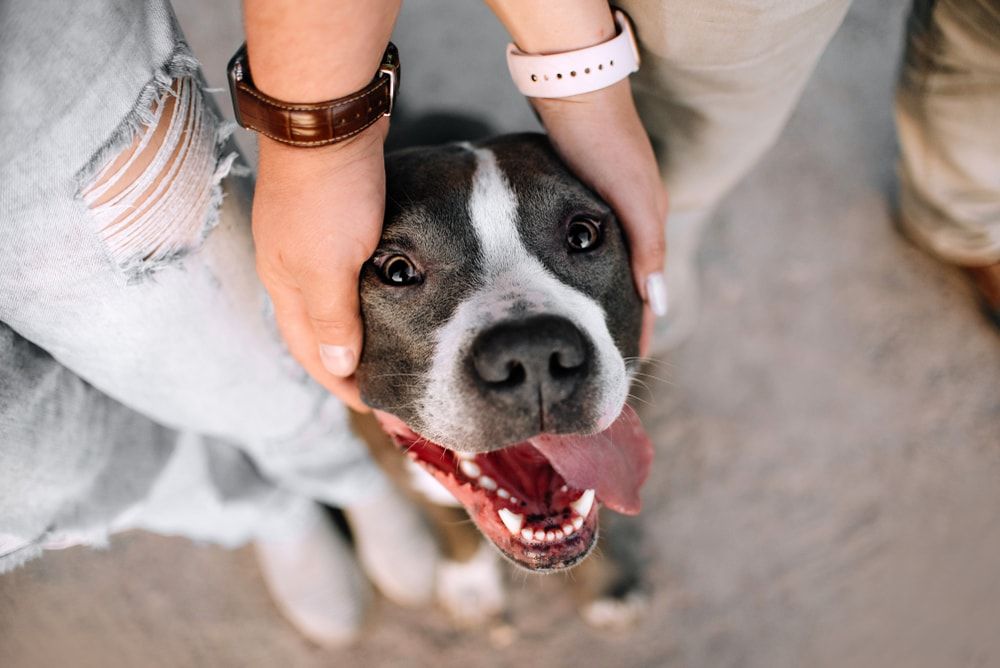
Featured Image Credit: Ksenia Raykova, Shutterstock
Expert dog care, straight to your inbox
News, insights, expert advice, and everything dog.

No spam — unsubscribe anytime.
By signing up, you agree to our Terms & Conditions and Privacy & Cookies Policy.
How useful was this post?
Click a star to rate. You can leave written feedback afterwards. (We read all feedback.)

Nicole has loved animals of all sizes her whole life so it's no wonder she has dedicated her career to helping them through what she loves best: learning, writing, and sharing knowledge with others. She’s the proud mom of two dogs, a cat, and a human. With a degree in Education and 15+ years of writing experience, Nicole wants to help pet parents and pets around the planet to live happy, safe, and healthy lives.