How to Properly Store Dog Food: 14 Vet-Approved Tips


In this article
Proper storage for dog food is vital for maintaining its flavor and nutritional value. Like human food, improperly stored dog food can go stale and invite bacteria, mold, insects, and rodents. However, many people could use a bit of help when it comes to storing their pets’ food, especially new owners.
Read on to learn how to properly store your dog’s food! We also answer common questions about dog food to help you be better informed.

Properly Storing Dog Food in General
1. Seal the Bag
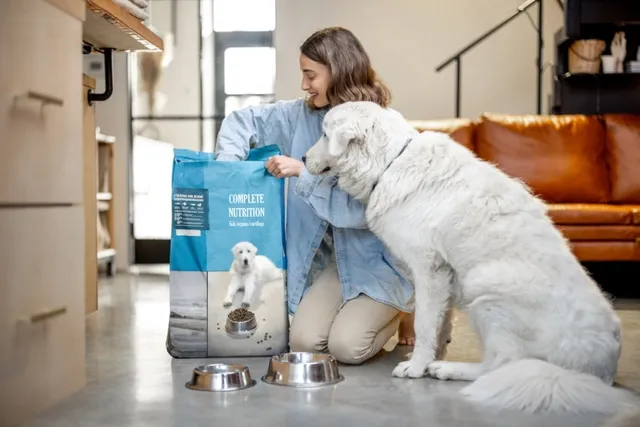
When you open a new bag of dog food, seal it afterward. Remove as much air from the bag as possible before rolling the top of the bag to seal it and using a chip clip or tie to prevent it from reopening.

2. Follow the “First In, First Out” Ruler
Follow the “first in, first out” rule as best as you can, which means using up older bags of food before opening any new ones. Following this rule can help you stay ahead of expiration dates and keep your pet’s food as fresh as possible.
3. Avoid Humidity and Heat
High humidity and heat can spoil dog food and enable bacteria and mold to grow. Store the food away from moisture-prone areas and heat sources if possible. You also want to keep it out of any direct sunlight.

4. Check for Pests
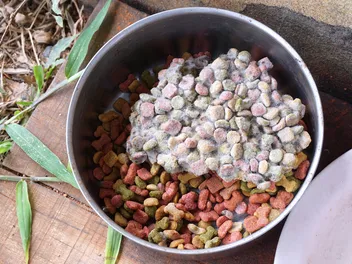
Regularly inspect the food for any signs of pests. Insects can get through even a tiny hole in the bag, and in rare cases, they are already in the food when you buy it. Inspecting it is critical to ensure that your pet isn’t eating contaminated food.
5. Monitor Your Dog’s Reaction
Sometimes, food can go bad or have ingredients that disagree with your dog without us knowing about it, so monitor your dog’s reactions when they are eating. A sudden disinterest in eating or problems with their digestive tract, including diarrhea, can be an indicator that something is wrong with their food.

6. Monitor for Spoilage
Always sniff the dog food before serving it, as this can help you learn how it’s supposed to smell. If it smells off or you notice changes in its appearance, there is a good chance that it is spoiled, so replace it with something fresh.
7. Use by Expiration Date
Don’t purchase food that is already expired, and use any food that you have before its expiration date. Smell and examine food when you open it, because on rare occasions, food can go bad before its expiration date.

8. Seal Canned Food
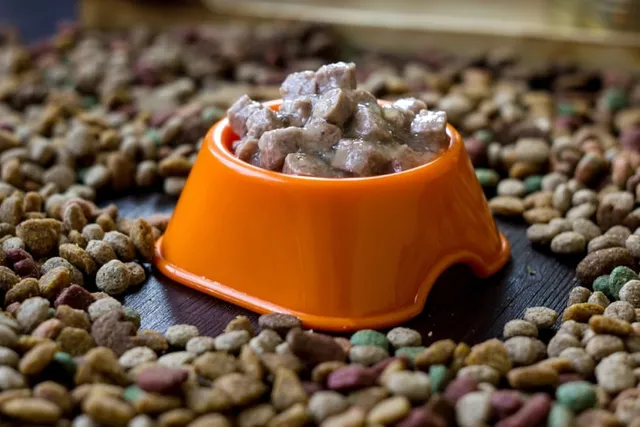
If you’re feeding wet food to your dog, seal and refrigerate unused portions immediately. Use a plastic pet food lid designed for cans, and use up the leftovers within a few days.
9. Check for Recalls
Regularly check for recalls on your dog food brand on the FDA website.

Properly Storing Dog Food in Plastic Containers
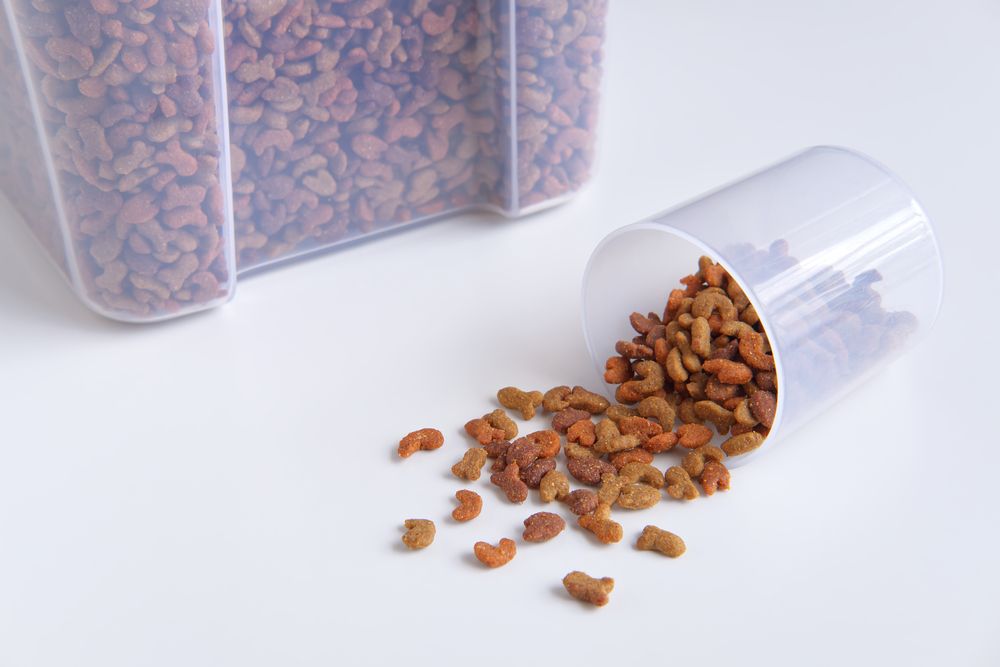
10. Choose Appropriate Containers
Storing food in airtight containers that will help maintain the food’s freshness for longer and keep out any insects.
11. Store the Food in a Cool, Dry Place
Like with bagged dog food, keep your dog food-filled plastic container out of direct sunlight and away from heat sources. Heat and light can reduce the lifespan of the container and reduce the effectiveness of the seal. Warmth might also cause the food to spoil even when sealed.

12. Keep It in Its Original Packaging
When possible, keep the food in its original packaging. Keeping the food in its original packaging also helps you retain important information, including the batch number, expiration date, portion size chart, and ingredients list.
13. Regularly Clean the Container
Clean the storage container thoroughly between refills to prevent fat and oil buildup, especially if you can’t keep the food in its original packaging. Use a mild detergent, and ensure that the container is completely dry before adding new food.

14. Freeze Extra Portions
If you have the space, freezing plastic containers can help partition a larger amount into smaller portions. Frozen dog food can last several months in the freezer and only requires a short time to thaw and bring up to room temperature to be ready for your pet to eat.

Frequently Asked Questions
Is It Safe to Mix New Dog Food With Old Dog Food in the Same Container?
It’s better to keep new and old food separate so it’s easy to track freshness. Older food can also contaminate new food, so follow the “first in, first out rule”.
How Long Can Wet Dog Food Stay in the Fridge After Opening?
Canned wet dog food is usually good for 1 to 2 days after opening, as long as you keep it covered in the refrigerator.
Can I Leave Dry Dog Food Out for My Dog All Day?
Dry food can stay out several hours without worry if the bowl is clean and dry and you place the food in an area away from sunlight and other heat sources.
Summary
Properly storing your dog food is not difficult, and it can help it taste better and ensure proper nutrition. Store it in a cool, dry place, away from any heat sources and moisture. Use the oldest food first, squeeze the air out of the bag, and seal it with a tie or clip after each use.
Plastic containers can be a great way to preserve freshness, and they can also make it easy to freeze any extra dog food, which can help keep it fresh longer. When serving wet food, remove any uneaten portions immediately, and store it in the fridge with a lid to prevent it from drying out. Finally, check the food for insects and mold before serving. Other signs that the food is not good include a foul odor and a change in color.
Sources
Featured Image Credit: Apisit Hrpp, Shutterstock
Expert dog care, straight to your inbox
News, insights, expert advice, and everything dog.

No spam — unsubscribe anytime.
By signing up, you agree to our Terms & Conditions and Privacy & Cookies Policy.
How useful was this post?
Click a star to rate. You can leave written feedback afterwards. (We read all feedback.)
Ed Malaker is a seasoned writer who has contributed to a wide range of blogs covering everything from tools to guitars, and pets to fitness. When Ed isn't writing, he is usually making DIY projects around the house or working in the garden.