Do Alaskan Malamutes Shed? Vet-Verified Grooming & Care Guide


In this article
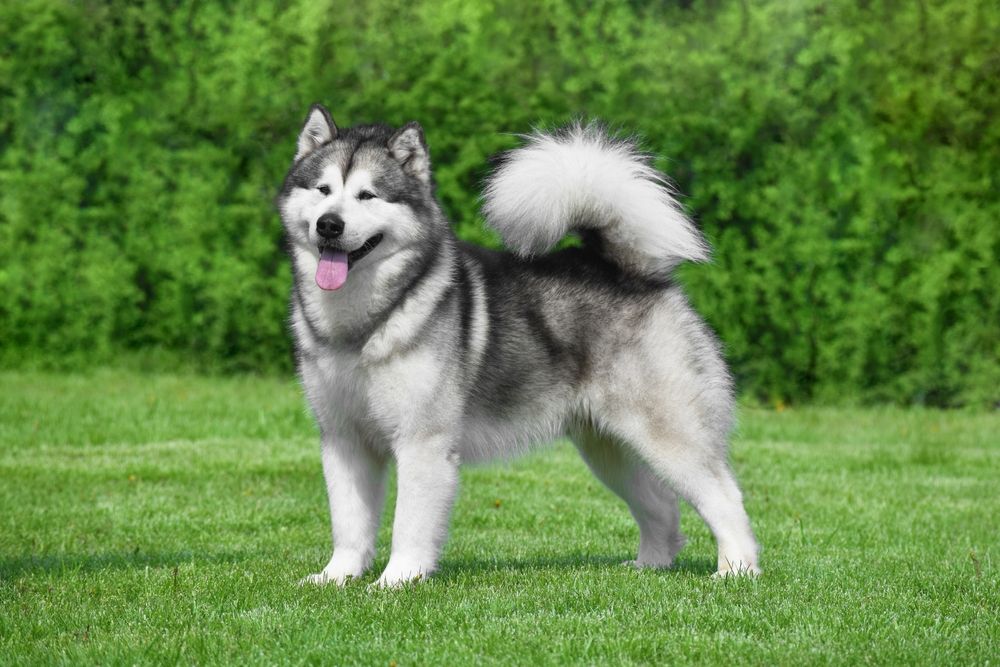
The Alaskan Malamute is an ancient breed developed in Northwestern Alaska. The Mahlemut people developed the dog for sledding, which is evident in the breed’s muscular and powerful body. Unsurprisingly, this pooch is incredibly tolerant of extreme cold temperatures, thanks in large part to their coat.
The Alaskan Malamute has a medium-length, dense double coat that traps heat close to the animal’s body to keep them warm. That’s a good thing during the winter when the weather is frigid, but it’s another matter when summer temperatures climb into the 60s in some Alaskan cities such as Fairbanks.
Like Nordic breeds, the Alaskan Malamute sheds a lot seasonally when they blow their undercoat, but they shed regularly throughout the rest of the year as well.

The Alaskan Malamute’s Coat
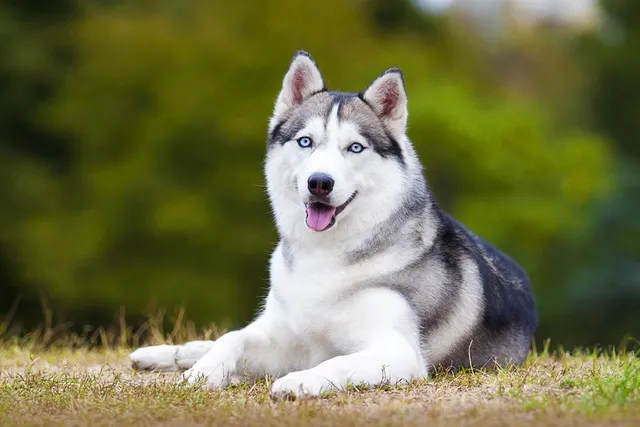
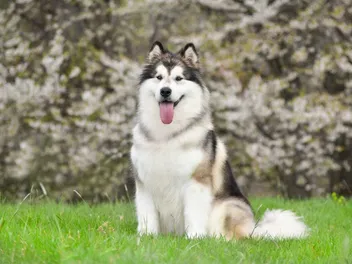
The Alaskan Malamute is a large-breed dog, with males weighing 85 pounds or more. Their coat is one of the breed's defining features. It is thick, coarse, and relatively dense with a wooly undercoat. Trust us when we say that they shed a lot. The result is cotton-like bundles of fur when they blow their undercoat. You can easily pull tufty clumps from your pet’s coat as they start to loosen, although a pin/slicker brush does a better job.
One concern with this breed is fungal or bacterial infections developing because of the animal’s dense coat and matting. It is important to dry them well after a bath or time in the water to reduce the risk of infections. We recommend examining your dog for signs of infection, such as hair loss, bare spots, or redness. However, these pups usually do an excellent job of keeping themselves clean and smelling fresh, making them almost cat-like in their grooming.

Factors That Can Affect Shedding
Several things can affect how much your Alaskan Malamute sheds. Some reasons are medical with varying treatments, while others are easily remedied with guidance from your vet. There are many factors that can affect the hair growth and loss cycle including environmental conditions, seasons, health, nutrition and individual genetics.
Alaskan Malamutes have been shown to be more prone than many other breeds to the hormonal condition hypothyroidism (underactive thyroid).1 This can cause hair loss and poor coat condition as well as other signs such as lethargy and weight gain.
Another condition that Alaskan Malamute can develop with greater frequency than other breeds is Alopecia X or “Coat Funk”. Research is still ongoing to elucidate all the factors involved but the condition results in large areas of alopecia (hair loss).
Parasites, skin infections, food and environmental allergies may also increase shedding. Your vet can identify these issues with testing and recommend a treatment plan for a resolution. Nonetheless, we understand how hair loss can be particularly distressing for pet owners with a dog known for their luxurious coats.
Preventable and Treatable Factors
Your Alaskan Malamute may shed more than usual if they have fleas or ticks. The former can cause flea allergy dermatitis in sensitive pets. Using a parasite preventive can avoid these issues and the distress they may cause. An infestation requires treating the pet and eliminating the pests in your home to solve the problem. If fleas are a concern contact your veterinary clinic for advice on suitable products to use.
Proper nutrition is essential for the growth and development of your pet. It’s also vital for your dog’s skin and coat health. We recommend giving your pet a diet appropriate for their size and life stage to ensure their nutritional needs are met. Your vet can offer additional advice about your Alaskan Malamute’s food and supplementation as necessary.
Stress is an often-overlooked issue with pets that can manifest unexpectedly, including abnormal hair loss. Other signs often occur with the abnormal shedding, such as inappropriate elimination and changes in behavior. We suggest monitoring your pet for signs of distress to identify and mitigate the effects.
Another factor is the environment. If you keep your Alaskan Malamute indoors a lot during the winter, your pup may shed more since the animal doesn’t need the extra warmth from the undercoat. Humidity is another issue, as dry conditions may affect your pup’s skin, leading to hair loss. Remember that your pooch is adapted for the cold—within reason.

Grooming an Alaskan Malamute
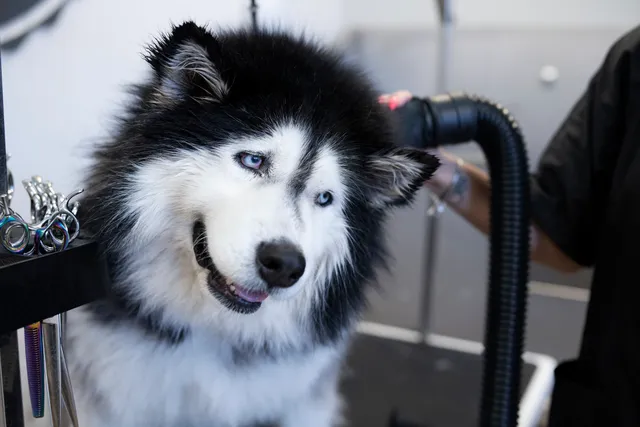
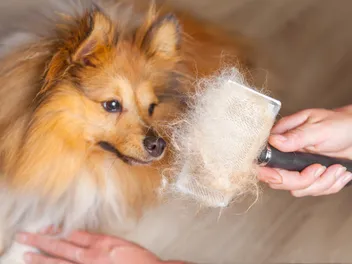
The dense coat of the Alaskan Malamute requires regular grooming to keep the dog looking their best. It’s also a matter of health to help remove the undercoat during shedding to prevent skin infections. Regular brushing will ensure it doesn’t become an overbearing chore since it’ll keep mats under control. We recommend using treats to make the task easier for you and more enjoyable for your dog.
Malamutes are usually kept with a natural coat and don’t undergo shaving or other haircut types as some breeds do. You will need a couple of different types of brushes to keep this double thick coat in tip top condition. Starting with a slicker brush for use several times a week will help remove loose hairs. Moving on to an undercoat rake will help to get to the wooly undercoat. Many Malamute guardians attest to the usefulness of a Grey-Hound comb during heaving shedding too. It may be necessary to carefully clip some of the hair from the paws if they are getting matted between the toes or trapping dirt and snow. Nail clipping will also be needed regularly.
You should brush your dog multiple times per week. However, you should do it even more frequently when they are actively shedding.
Red Flags Associated With Excessive Shedding
Alaskan Malamutes shed a lot compared to other dogs. If you haven’t had one before, the amount may surprise you. We also mentioned the texture of the hair you’ll find. While they’ll lose the single guard hairs, the most noticeable are the clumps of wooly undercoat. You may even see them hanging off of your pet’s body. However, you should also keep a lookout for signs of a skin condition, including the following:
- Bald patches
- Excessive itching
- Redness
- Excessive licking
- Ear infections
- Changes to appetite or thirst
- Weight gain or weight loss
These signs may point to skin or health problems which require further investigation. We suggest observing your pup’s comfort level. If they seem stressed or uncomfortable, we recommend discussing the issue with your vet to rule out other problems.
Final Thoughts
The Alaskan Malamute sheds a lot to remove the undercoat they don’t need during the warmer months of the year, but these dogs shed moderately throughout the rest of the year anyway. However, abnormal shedding is a warning sign that requires further investigation. The difference is the presence of other red flags indicating a problem.
Sources
Featured Image Credit: Hanna Borysenko, Shutterstock
Expert dog care, straight to your inbox
News, insights, expert advice, and everything dog.

No spam — unsubscribe anytime.
By signing up, you agree to our Terms & Conditions and Privacy & Cookies Policy.
How useful was this post?
Click a star to rate. You can leave written feedback afterwards. (We read all feedback.)
Since 2009, Chris has written on a variety of topics. Her motto with all of her writing is “science-based writing nurtured by education and critical thinking.” She specializes in scientific topics, with a special love for health and environmental topics, and of course, pets of all shapes and sizes.
Chris lives happily with her husband and three cats in the land of 10,000 lakes, writing, wining, and boating as much as she can. She and her husband, Norm, were awarded the State of Kentucky Colonel Honor for their restoration work at Mammoth Cave National Park.