How High Can Pitbulls Jump? Vet-Approved Tips to Prevent Them From Scaling Fences


The Pitbull is undoubtedly one of the most misunderstood breeds. They are muscular, athletic, and stout. Even though they are often portrayed negatively, many Pitbull-type dogs can be affectionate and loyal companions when properly trained, socialized, and cared for, although temperament always depends on the individual dog rather than the breed alone.
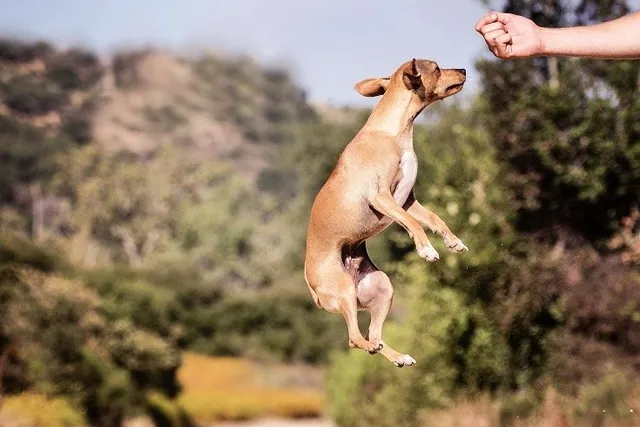
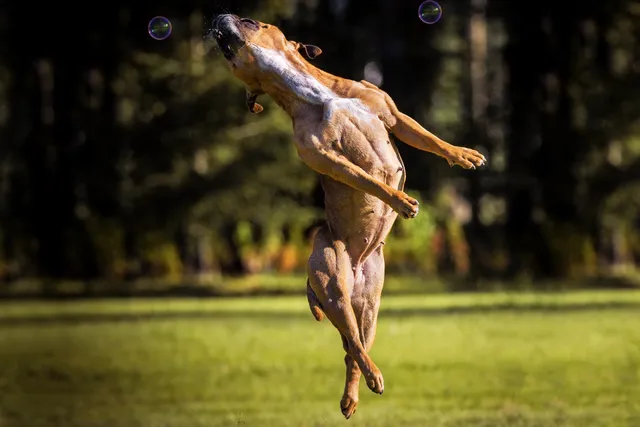
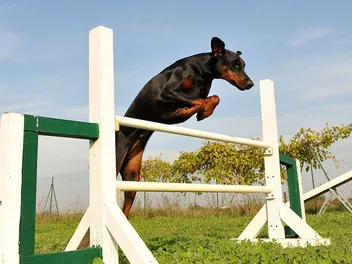
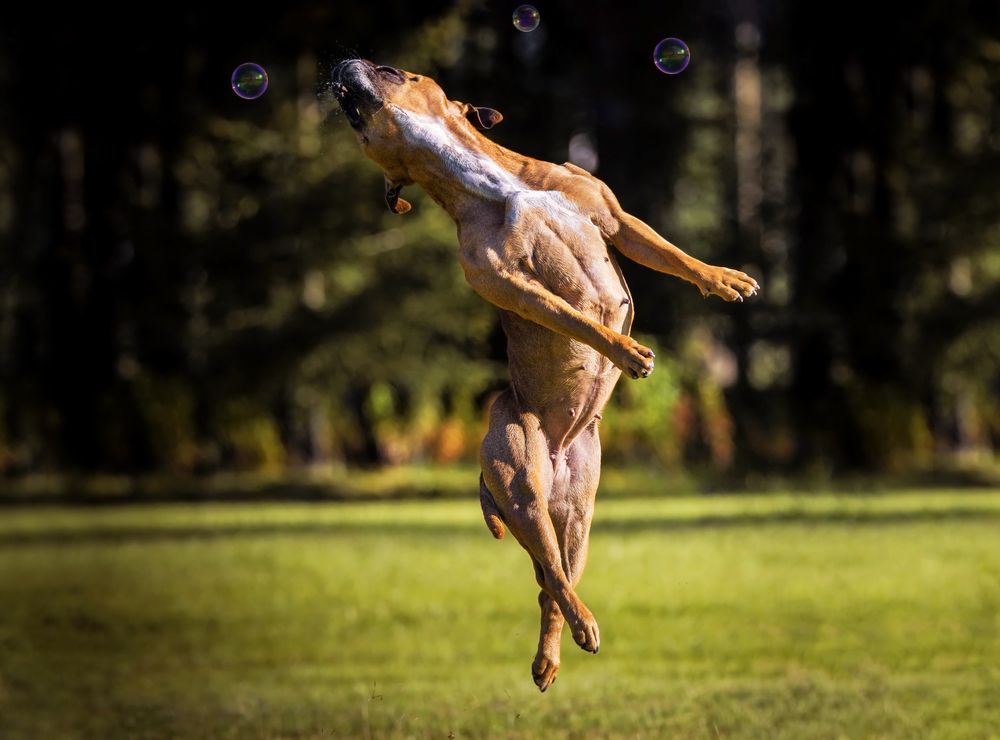
Given their strong physique, they can jump quite high, which may be intimidating, even if they are just jumping on you to say hello! So, how high can they jump? A Pitbull-type dog may be able to jump around 4 to 5 feet, though individual ability can vary depending on size, training, and physical condition.
Read on to learn more about the Pitbull’s jumping abilities and how you can keep them safe on your property and with others.

How High Can a Pitbull Jump?
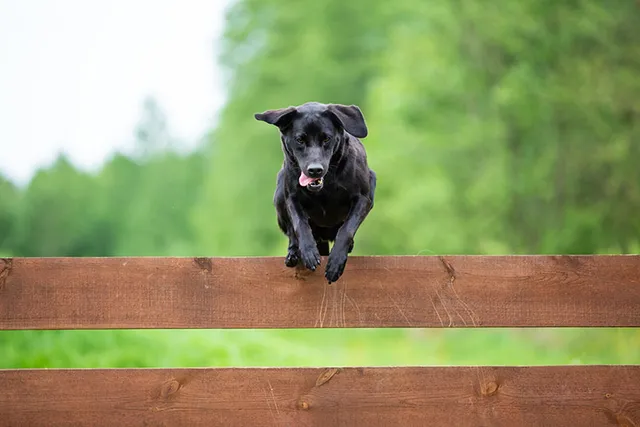
Jumping is a renowned Pitbull skill, and sometimes, this skill can be undesirable, especially if you’re worried about your dog jumping the fence in your backyard. Not all Pitties will jump a fence, but some may not have the ability to control the urge if there is something that piques their interest on the other side. High prey drive, curiosity, or lack of training can increase the likelihood in some individuals.
Therefore, ensure that your fence is at least 6 feet in height to offer the best protection against your Pitbull jumping it. Chain-link fences may require additional modifications, such as coyote rollers or extension barriers, rather than full replacement.
Remember, some Pitbulls can jump even higher than 4 to 5 feet. A 2015 New York Post feature comparing a pit bull’s leap to NBA-level athleticism helped popularize just how explosive their jumps can look, but these examples are not official records and often reflect unique, unstandardized demonstrations rather than typical ability.1 Most athletic dogs can clear several feet of height, but extreme record-level claims are usually anecdotal or context-specific rather than formally verified.
Here, we created a comparison chart of other breeds so you can put your dog's jumping abilities into perspective.

| Pitbull | 3–5 feet |
| Great Dane | 2–4 feet |
| Rottweiler | 3–4 feet |
| Greyhound | 4–6 feet |
| Doberman Pinscher | Up to 6 feet |
| Golden Retriever | 3–5 feet |
| Border Collie | Up to 6 feet |

Why Do Pitbulls Jump Fences?
If you’re concerned about your Pitbull jumping the fence or are having behavioral problems with your dog jumping on people when they come to your home, don’t fret, as you can train them not to engage in this behavior. But first, it’s essential to determine why your Pitbull loves to jump, to aid in the training process. Here are possible reasons.
1. Boredom
A bored Pitbull—or any bored canine, for that matter—can get into mischief if not exercised both mentally and physically. A rule of thumb is that a mentally and physically stimulated dog is a happy dog. Basically, a well-exercised and mentally stimulated Pitbull-type dog is generally less likely to engage in unwanted behaviors like fence jumping, though training and proper supervision are also important.
Take your Pittie on walks each day, or engage them in a game of fetch. In case of rain or other bad weather, play with your Pittie indoors with their favorite toy.
2. Anxiety or Fear
Some dogs are fearful of unexpected noises, such as fireworks, thunder, children yelling while playing, and other similar sounds. If your Pittie has been known to jump the fence, ensure that you keep them inside during such events if possible.
If you're concerned about your dog's behavior, we suggest you speak to a vet.
3. Hunting Instincts
Some Pitbull-type dogs may have a stronger prey drive than others. If they become focused on chasing a squirrel, bird, or other small animal, they may attempt to jump or climb a fence in pursuit. Proper supervision, training, and secure fencing can help reduce the risk of escapes. A fence around 6 feet high may help deter many athletic dogs, though determined jumpers may still require additional safety measures or training.
4. Mating/New Friends
You may notice increased roaming or escape behavior if an unspayed female dog is in heat or if an unneutered male detects a nearby female in heat. Spaying or neutering can help reduce hormone-driven behaviors and may lower the risk of certain reproductive health conditions. Some Pitbull-type dogs enjoy interacting with other dogs and may become excited when they see unfamiliar canines. Early socialization, training, and controlled introductions can help your dog remain calm and well-behaved around other pets. Having another dog for company can help your Pitbull have less of a desire to meet other dogs, and if adding another dog is out of the question, ensure that you socialize your Pittie to get them used to seeing other canines.


How to Prevent Your Pitbull From Jumping Fences
1. Ensure the Fence Is at Least 6 Feet High
Many standard chain-link fences are around 4 feet tall, which may not be sufficient for some athletic dogs. If your Pitbull-type dog is prone to jumping or climbing, consider using a taller fence, around 6 feet high, or adding privacy panels or fence extensions to reduce visual distractions and improve security.
2. Fence Additions and Training
If you cannot install a taller privacy fence because of cost or neighborhood restrictions, you may consider alternatives such as fence extensions, coyote rollers, supervised outdoor time, or professionally guided boundary training. Some owners also use invisible or electric fencing systems, though these may not be suitable for every dog and should be combined with consistent training and supervision, not to cause fear or discomfort. Training takes time and patience, but with consistency and positive reinforcement, many dogs can learn better fence manners and impulse control.

3. Distract the Behavior
An effective way to keep your Pit from jumping the fence is to create a distraction. A Pitbull allowed to bark, leap, and charge the fence may be more prone to jumping it. Try distracting these behaviors with a toy, training cue, or indoor activity when they begin focusing on distractions outside the yard. Alternatively, bring your Pittie inside; this will help if they become overstimulated. Consistent management and positive reinforcement can help teach better behavior around fences and outdoor distractions.
4. Keep Your Pit Exercised
Regular exercise and mental stimulation can help reduce unwanted behaviors like fence jumping while supporting your dog’s overall health and well-being. Daily walks, training sessions, and games such as fetch or tug-of-war can help keep your Pitbull-type dog physically and mentally engaged.

Related Read: How Fast Can Pitbulls Run?
Summary
Pitbull-type dogs are often athletic and energetic, so secure fencing and consistent training can help prevent unwanted jumping or escape behaviors. Redirecting your dog when they become overstimulated near the fence and providing regular exercise can also help reinforce calm behavior.
Many owners use fences around 6 feet high for added security. If your current fence is shorter, additional measures such as fence extensions, privacy panels, supervised outdoor time, or professional training may help reduce escape attempts.
See Also: When Does a Pitbull Go Into Heat?
Sources
Featured Image Credit: Magnus Ronding, Shutterstock
Expert dog care, straight to your inbox
News, insights, expert advice, and everything dog.

No spam — unsubscribe anytime.
By signing up, you agree to our Terms & Conditions and Privacy & Cookies Policy.
How useful was this post?
Click a star to rate. You can leave written feedback afterwards. (We read all feedback.)
Rachel Giordano is a writer and musician living in Pensacola, Florida, with her partner and their two dogs, Aero, a Border Collie/Sheltie mix and Sophie, a Boston Terrier. Rachel holds a Bachelor of Arts degree in communication and loves writing about animals of all types. When she’s not writing about pets, she loves to write suspense/thriller novels. A musician by night and writer by day, she enjoys educating the public about the needs and requirements of animals, big and small.