In this article
There are many reasons why someone might want to get a dog that is full of energy. Energetic dogs are typically fantastic working dogs because they can work for long hours without needing a break. Some people want a sporting dog that can compete in swimming, obedience, or agility competitions. Other people want a dog that they can take hiking, biking, kayaking, or swimming. In each case, you will want a dog with an above average battery size that will allow them to keep up with you and your lifestyle. It’s also important to be aware of which dog breeds are likely to need a lot of exercise in case this isn’t something you are able to provide.
If you are looking for a dog with plentiful amounts of energy, there are a number to choose from. Here are 15 of the most energetic dog breeds in the world.

How Energetic Dog Breeds Are Categorized
This list of the most energetic dog breeds is largely made up of active working dogs. Working dogs were bred to have plenty of energy to complete their jobs throughout the day, and they typically have higher drives and more energy than non-working dogs. Working dogs include hunting dogs, herding dogs, and swimming dogs. Any dog that was designed to complete a specific physical task will have more energy than a dog that was not.
From the working dogs, we chose the ones that were bred to do a job for a long period of time or the dogs that were the most powerful and, therefore, had to have a large amount of energy to fuel their strength. Each of these dogs can spend hours outdoors and would make great companions for active owners, but they will not be well suited to apartment life or a slower-paced lifestyle.
The 15 Most Energetic Dog Breeds
1. Border Collie
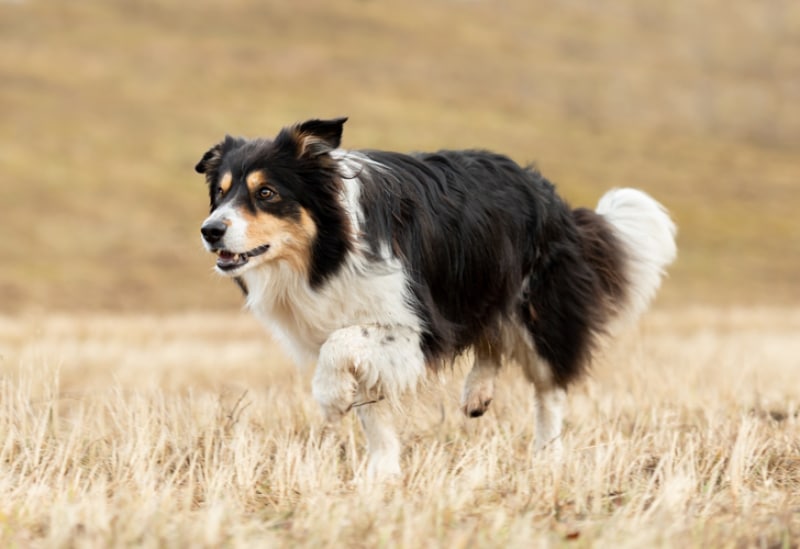
| Height: | 18–22 inches |
| Weight: | 30–55 pounds |
| Lifespan: | 12–15 years |
There is perhaps no dog better known for its boundless energy than the Border Collie. Border Collies have a fascinating history. They are the result of multiple different herding dogs from around the ancient world. Border Collies were bred out of a mixture of ancient Roman herding dogs, which were stocky and heavy, with more nimble Viking sheepherders. The result is the Border Collie, a beautiful and intelligent dog that has the ability to work from sun up to sun down and seemingly enjoy every second of it. These dogs are some of the most energetic in the world, and they make great working dogs, sporting dogs, and companions for active people.
Be aware that these athletic canines can become frustrated, destructive, and even aggressive if their bodies and minds are not properly exercised, so before welcoming one into your home, make sure you will have plenty of time and energy to devote to them.
2. Belgian Malinois
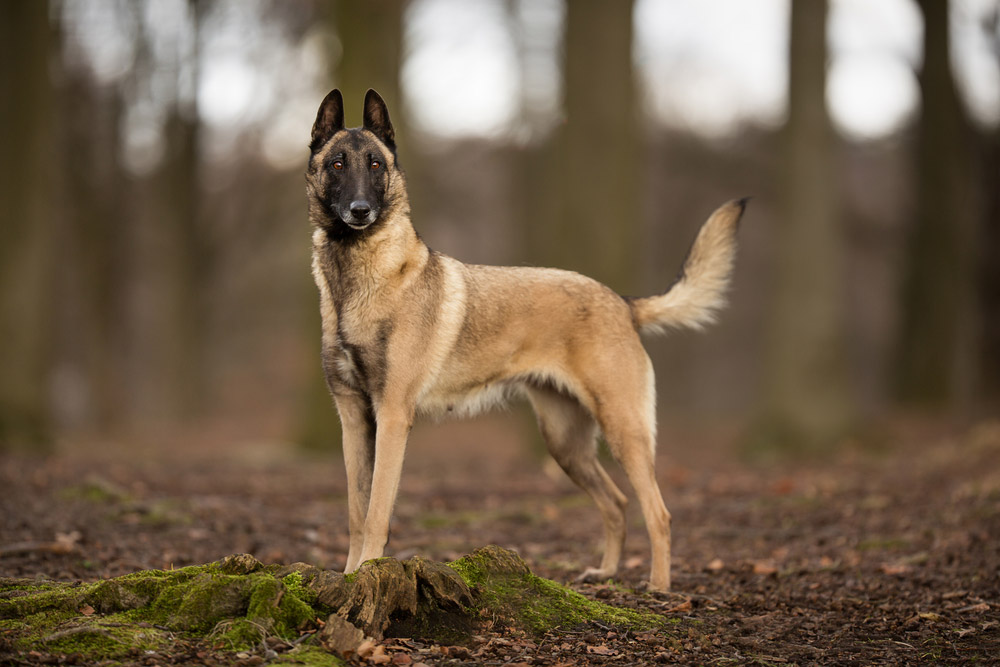
| Height: | 22–26 inches |
| Weight: | 40–80 pounds |
| Lifespan: | 14–16 years |
The Belgian Malinois is one of the most versatile and energetic dogs around. These dogs are adroit working dogs that can do a variety of different jobs with a high level of skill. Belgian Malinois work as police dogs, port authority dogs, search and rescue dogs, and military dogs. To do all of these different types of jobs, the Belgian Malinois has to have a healthy motor.
Belgian Malinois need to be on their feet for hours at a time. The AKC warns people that the Belgian Malinois is so energetic that daily walks will not be enough to sate it. You will have to add ample numbers of activities or jobs into their daily routine in order to burn off their excess energy.
3. Dalmatian
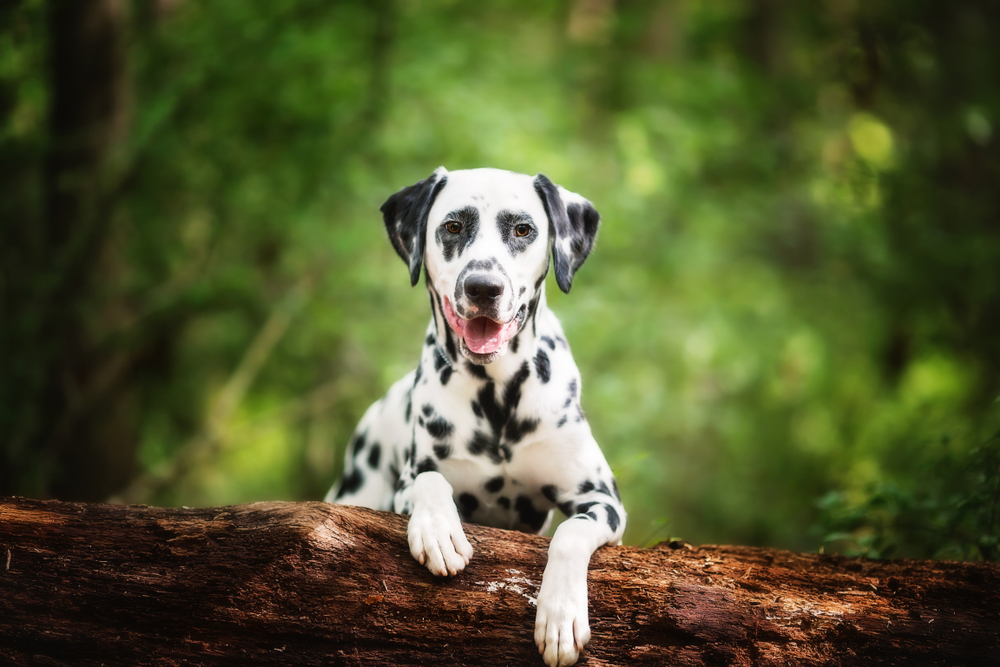
| Height: | 19–24 inches |
| Weight: | 45–70 pounds |
| Lifespan: | 11–13 years |
In addition to adorable spots and an instantly recognizable visage, Dalmatians have a ton of buoyant energy. The reason for these deep energy reserves can be traced to the Dalmatians’ original job. Dalmatians were once known as “coach dogs.” Their job was to accompany stagecoaches and protect them from bandits or predators. (Stagecoaches were horse drawn carriages used to transport goods during the 18th and 19th centuries.
The Dalmatian is still the logo for Wells Fargo, which started as a stagecoach company.) This led to Dalmatians having to walk long miles alongside numerous horses for hours at a time. Very few dogs are as comfortable around horses as Dalmatians, and few dogs can walk for as long as the Dalmatian.
4. Brittany Spaniel
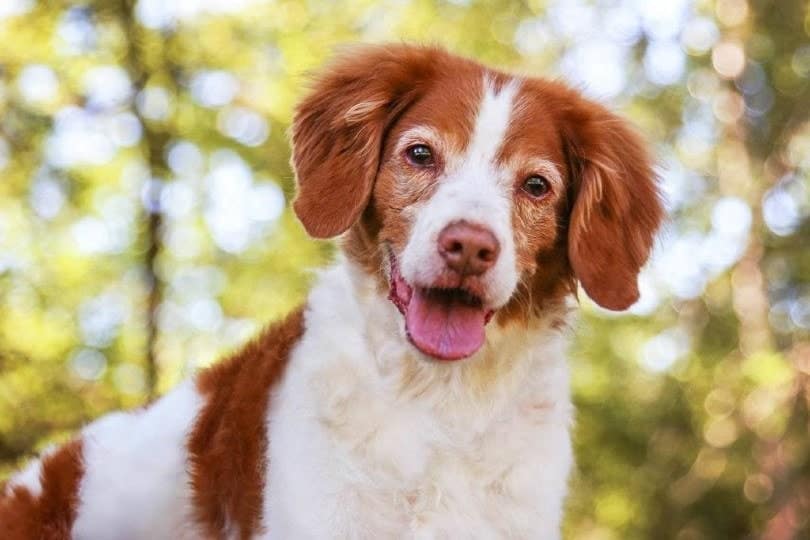
| Height: | 17–21 inches |
| Weight: | 30–40 pounds |
| Lifespan: | 12–14 years |
The Brittany Spaniel is named for the region of France that carries the same name. The Brittany Spaniel occupies a middle ground between small Spaniels and larger Setters. Like their other European relatives, the Brittany is a spritely gundog designed to spend many hours out on the trail with their favorite humans.
Brittany Spaniels will need plenty of walks, structured activities, or sports to keep them happy. The adept hunting prowess and energy of the Brittany make it an excellent companion for sports like agility, hunting, and obedience. The Brittany Spaniel is prized for its medium build, beautiful coat (which can come in over 10 different color combinations), and friendly disposition.
5. Australian Shepherd
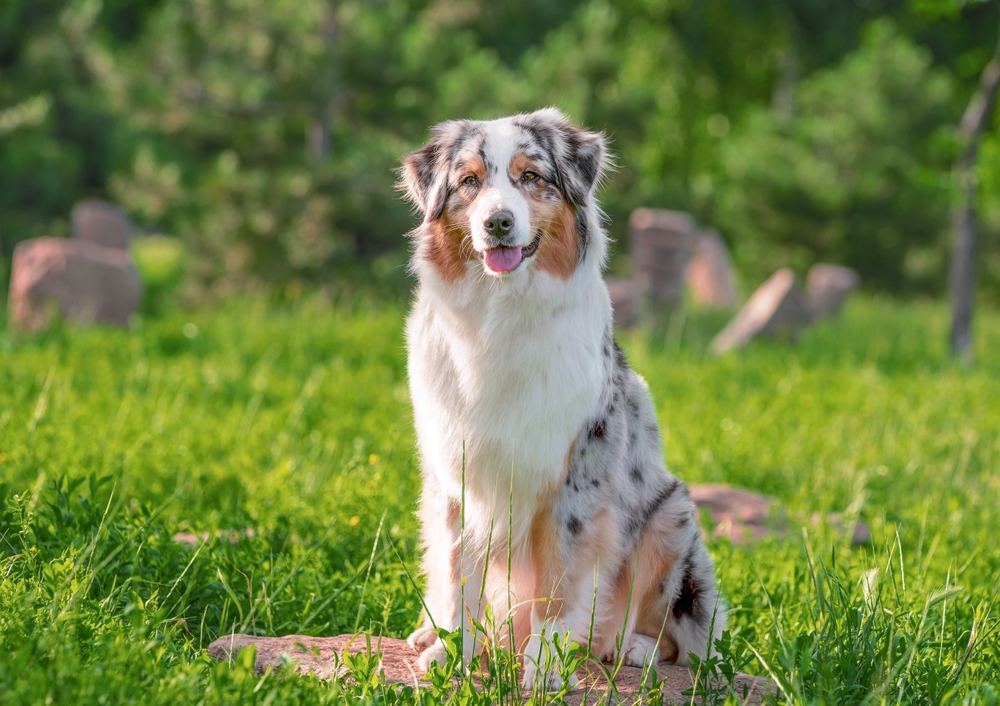
| Height: | 18–23 inches |
| Weight: | 40–65 pounds |
| Lifespan: | 12–15 years |
The Australian Shepherd is one of the most popular dogs in the United States. People love its personality, its coat, and its exuberance. Recently, these dogs have been bred to be smaller and smaller into a new designer breed called the Miniature Australian Shepherd. Whether you get a large Australian Shepherd or a miniature Australian Shepherd, these dogs have huge reserves of boisterous energy.
Australian Shepherds are known for being a part of the American rodeo and are often seen chasing horses and cows around. They are close companions to cowboys and are used to life on the road and long hours working on ranches or in front of crowds. Experts say that Australian Shepherds need 2 to 3 hours per day of time to run around to burn this energy off.
6. Australian Cattle Dog
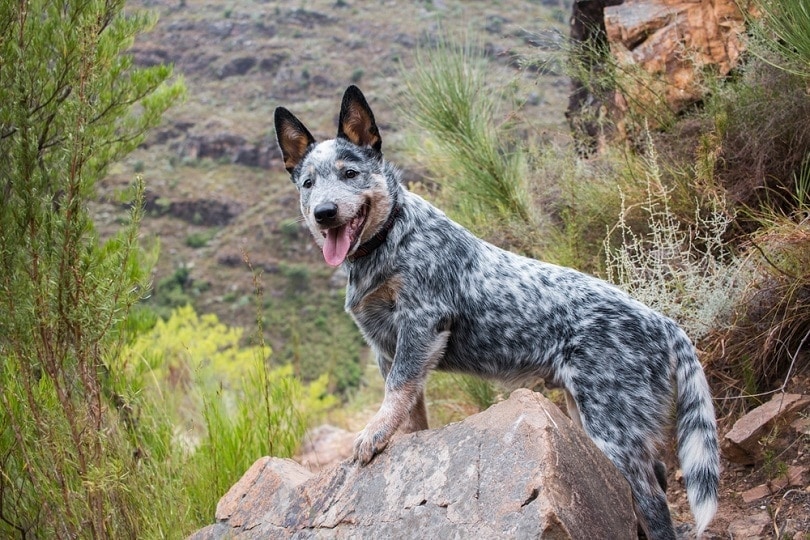
| Height: | 17–20 inches |
| Weight: | 35–50 pounds |
| Lifespan: | 12–16 years |
Australian Cattle Dogs were bred to be herding dogs. These dogs are meant to herd cattle over long pastures all day long. The American Kennel Club suggests that the best place for an Australian Cattle Dog is on a working farm. This is one of the only environments where the Australian Cattle Dog can get the proper amount of exercise and mental stimulation.
For people who want an Australian Cattle Dog but do not have farm animals that need herding, daily runs are suggested in addition to daily walks and structured activities. Australian Cattle Dogs can also thrive with other jobs, like daily agility training, but they do need some sort of job to keep them at their best. If that doesn’t tell you how much energy the Australian Cattle Dog has, nothing will.
Much like the Border Collie, these tireless dogs have a reputation for becoming frustrated and aggressive if not given the right amount of stimulation.
7. Siberian Husky

| Height: | 20–24 inches |
| Weight: | 35–60 pounds |
| Lifespan: | 12–14 years |
The Siberian Husky is well known for its impressive stamina and strength. With their origins in pulling heavily laden sleds across the arctic wastelands and competing in impressive sled racing, these thick-coated dogs have both strength and speed. Their wolf-like appearance has made them popular pets, and they love being part of a family.
Being very pack-oriented dogs, they need a strong leader and plenty of mental and physical stimulation to keep them from becoming frustrated and unruly. You should also be prepared for these beautiful dogs to howl, sing, and scream the house down when they want food, exercise, or attention.
8. German Shorthaired Pointer
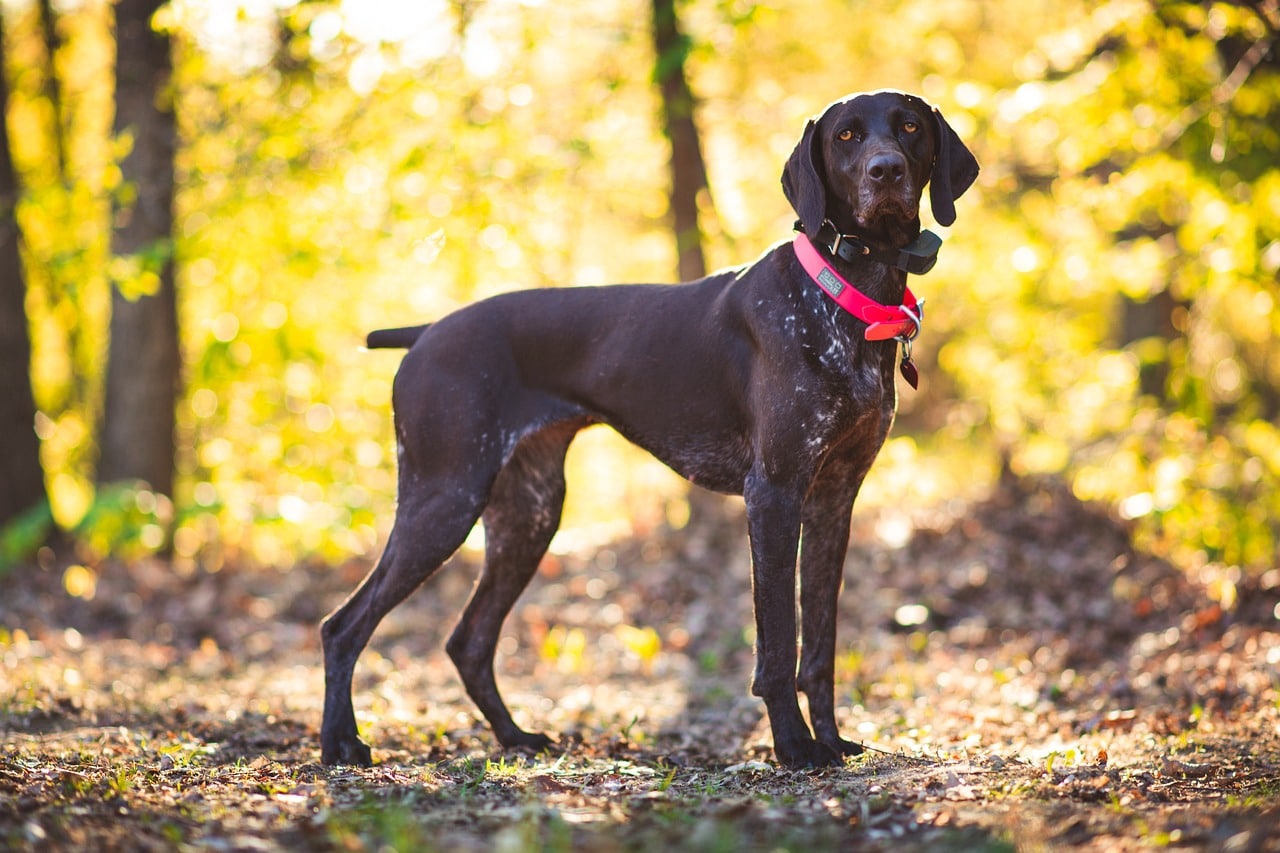
| Height: | 21–25 inches |
| Weight: | 45–70 pounds |
| Lifespan: | 10–12 years |
German Shorthaired Pointers are incredible family dogs. They adore their owners, are sweet with young kids, and are typically good with other pets. This lures many people into ownership, but they also have strenuous exercise needs.
German Shorthaired Pointers love working out with their human owners, so if you are looking for a dog to work out with, this is a winner. However, German Shorthaired Pointers need rigorous exercise at least once per day, which can include running, swimming, hiking, or running alongside a bike. If you are not willing to work out with your German Shorthaired Pointer every day, you might want to pick a dog with a little less energy.
9. Jack Russell Terrier
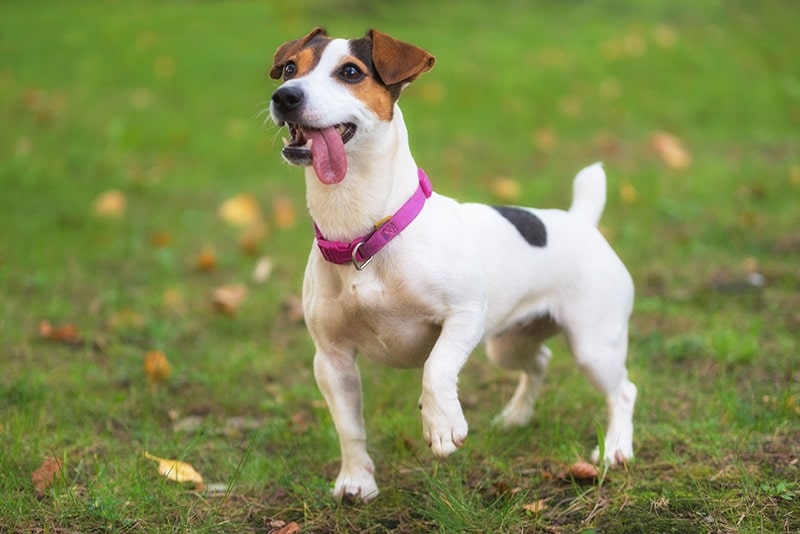
| Height: | 10–12 inches |
| Weight: | 9–15 pounds |
| Lifespan: | 12–14 years |
There are few dogs known for their energetic nature, like a Jack Russell Terrier. These dogs are tiny energizer bunnies that can run circles in the yard for hours at a time. In fact, Jack Russells have been reported to be able to play fetch from sun up to sun down without losing energy or interest. Jack Russell Terriers need both ample mental and physical stimulation, or they will unleash this boundless energy inside your home with terrifying results.
Jack Russell Terriers are named after a man by the name of Jack Russell, but breeding disagreements have left it out of the good graces of the AKC. It was instead replaced by the Parson Russell Terrier, which is almost as energetic as the Jack Russell.
10. Weimaraner
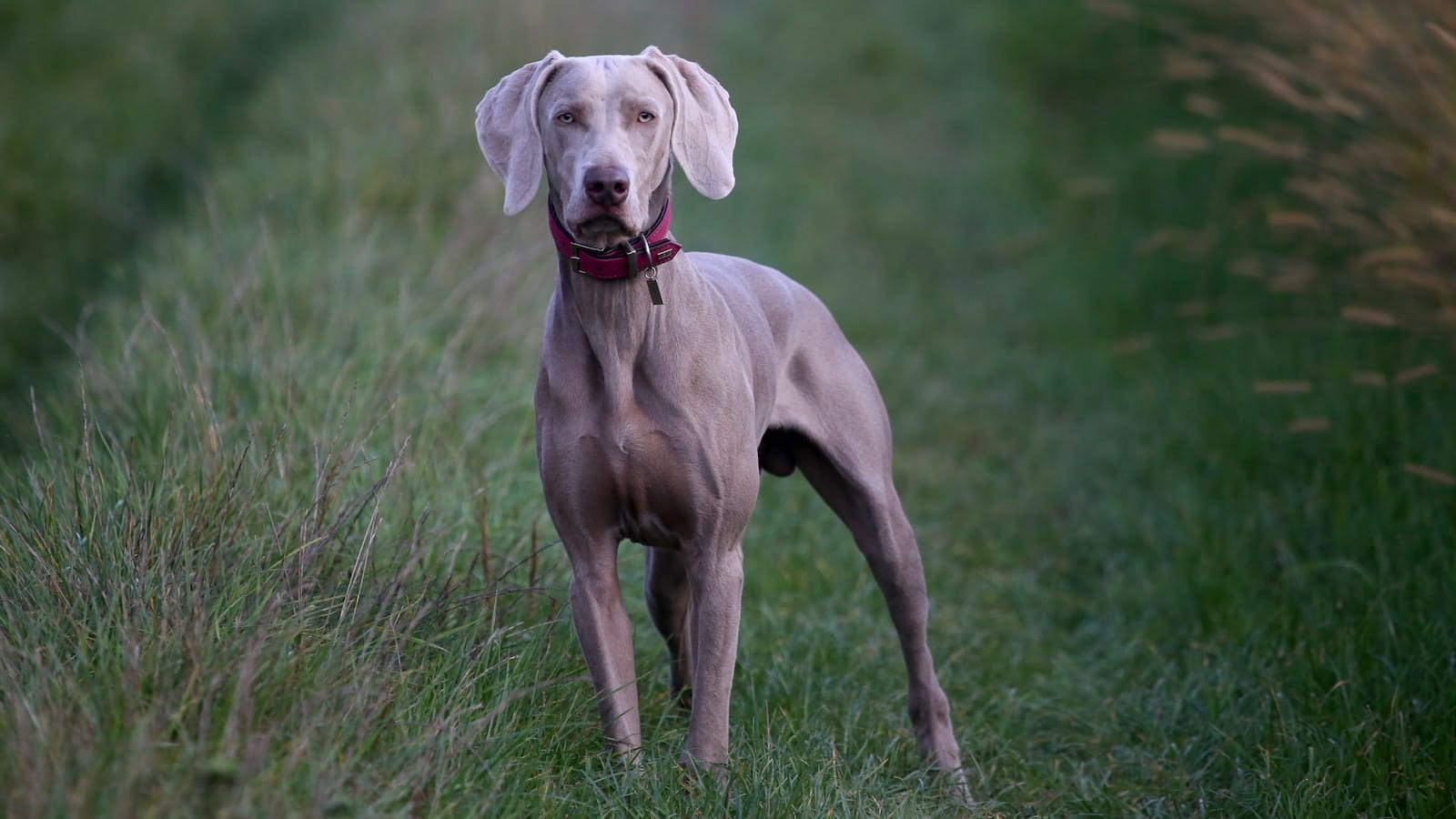
| Height: | 23–27 inches |
| Weight: | 55–90 pounds |
| Lifespan: | 10–13 years |
Weimaraners are known for their rich gray and silver coats and deep pools of energy. Experts suggest that merely walking a Weimaraner is not enough. Weimaraners do best when they can get up to a full-blown sprint during their exercise.
The American Kennel Club doubles down on this idea and says that “a tired Weimaraner is a good Weimaraner.” These warnings should tell you just how much energy these dogs possess. Weimaraners are coveted for their beautiful and unique coats, but few people realize how bouncy these dogs can truly be without proper exercise.
11. Vizsla
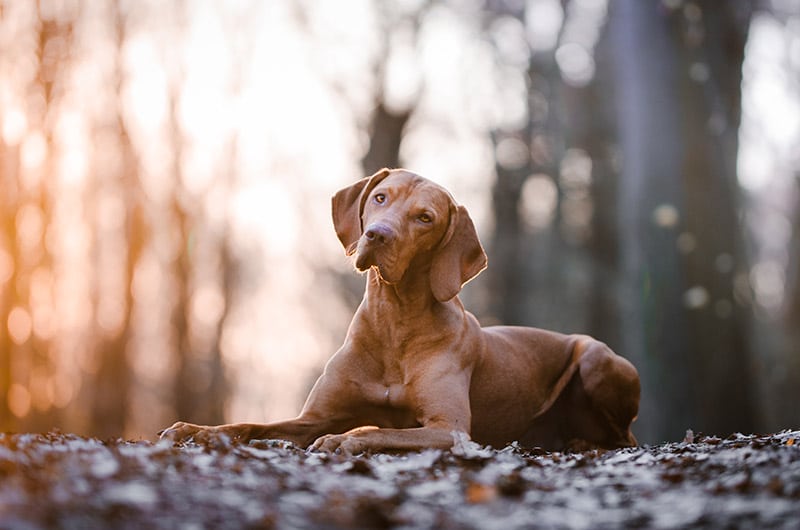
| Height: | 21–24 inches |
| Weight: | 45–60 pounds |
| Lifespan: | 12–14 years |
The Vizsla is a Hungarian hunting dog bred to spend many hours a day out in the field, hunting and following people on horseback. The Hungarian people were descended from the Magyar people, who were adept cavalrymen. The Vizsla is also descended from this equestrian past. This means that the Vizsla has deep reserves of energy that help it work hour after hour, day after day.
The Vizsla remains a popular hunting dog, and it continues to grow in popularity due to its versatility and beautiful coat. The Vizsla only came to the United States in 1950, but today, it stands as the 35th most popular dog due to its appearance, personality, and energy.
12. Rhodesian Ridgeback
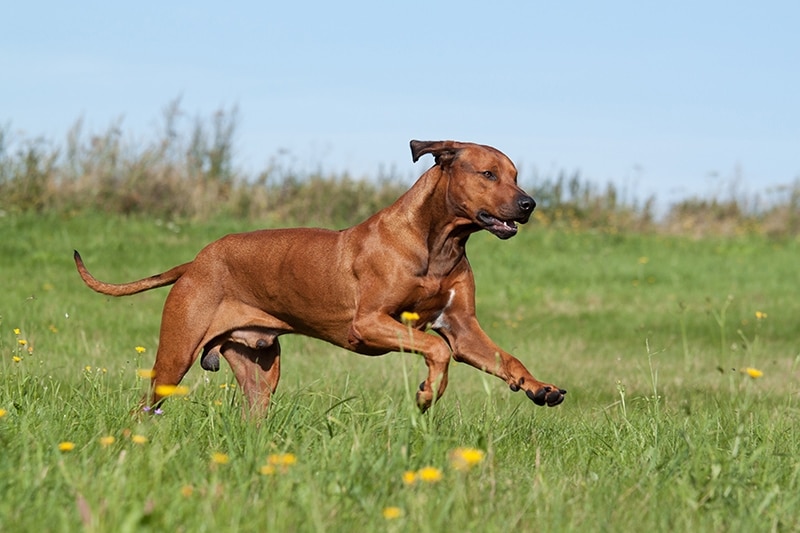
| Height: | 24–27 inches |
| Weight: | 70–85 pounds |
| Lifespan: | 10–12 years |
Rhodesian Ridgebacks were bred in Africa as adept hunting dogs. The Rhodesian Ridgeback was a blend of native African dogs and European dogs brought to the continent by Dutch and English settlers. The result was a powerful and rangy hunting dog that was used to help hunt lions.
The Rhodesian Ridgeback can spend hours a day trotting outside since they were bred to accompany hunters on horseback. They were also known to fend off baboons and leopards in the African bush. Today, Rhodesian Ridgebacks are primarily loving companion dogs, but they retain a fierce history and boundless energy.
13. Springer Spaniel
| Height: | 19–20 inches |
| Weight: | 40–50 pounds |
| Lifespan: | 12–14 years |
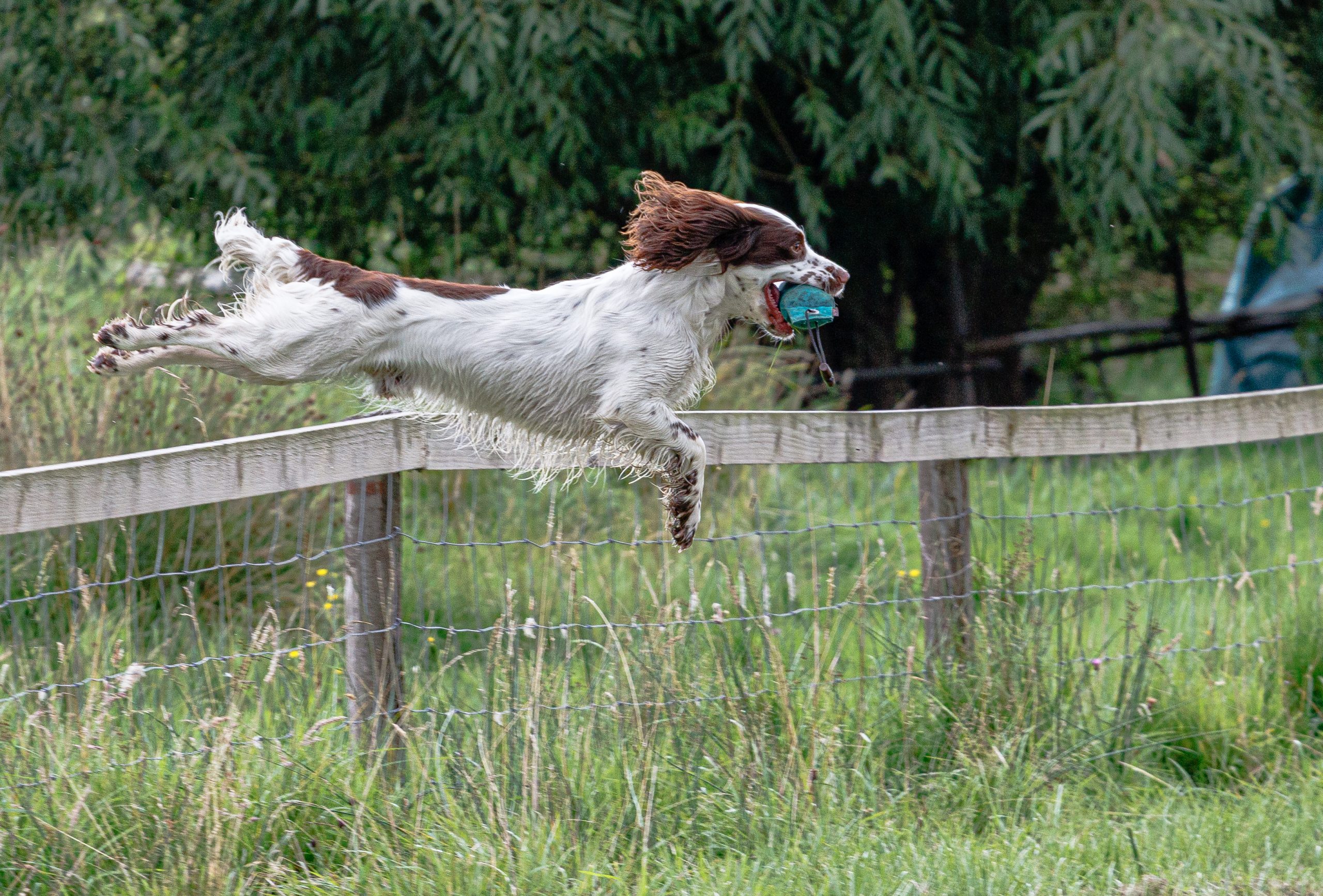
As the name might suggest, these dogs are ready to spring into action at all times. The English Springer Spaniel is high energy, highly trainable, and high on the list of popular working and companion dogs. A favorite hunting companion used to flush out and retrieve pheasants and grouse, these loyal canines have gradually made their way from farmhouse kennels to living room floors. They make wonderful pets, but they are prone to obesity if not given enough exercise. They also have a high incidence of hip dysplasia, so it is vital to take care of their joints by keeping them lean and not overdoing it when it comes to exercise.
14. Irish Setter
| Height: | 25–27 inches |
| Weight: | 60–70 pounds |
| Lifespan: | 12–15 years |
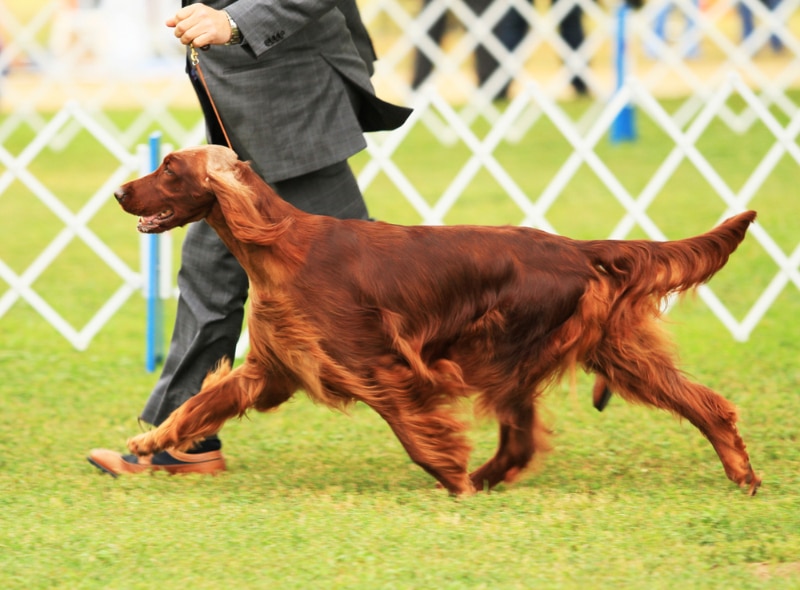
Irish Setters are regal gundogs that are described as being swift, active, and high-spirited. As gundogs, the Irish Setter was bred to go out on the hunt and spend long hours outdoors alongside people. That makes them great companions for runners or hikers. Irish Setters are very people-motivated, so they would love to do activities alongside you.
These dogs are great candidates for canine sports such as obedience, tracking, and agility. Irish Setters need plenty of daily activity to keep them happy and healthy.
15. Redbone Coonhound

| Height: | 21–27 inches |
| Weight: | 45–70 pounds |
| Lifespan: | 12–15 years |
The Redbone Coonhound is an interesting hunting dog known for its deep red color and sturdy frame. The Redbone Coonhound has a very structured energy curve. These dogs love to go out on the trail and can spend hours walking alongside you without getting bored or tired. Then, the Redbone Coonhound is more than happy to lay around for a couple of days.
These dogs are super laid back at home and are absolute beasts out on the trail. This allows you to get into a routine or on a schedule with your Redbone Coonhound easily. For example, if you like to go hiking a couple of times per week, you can readily slot your Redbone Coonhound into your preferred lifestyle. If you need to take a few days off to rest and relax, your Coonhound will be down for that as well.
Active vs. Energetic vs. Hyper
When looking into energetic dog breeds, you are likely to come across a variety of different words to describe the dogs. People will usually say a dog is active, energetic, or hyper, but they are each a little different. Some people will use these words interchangeably. This article uses active and energetic interchangeably. Hyper is a little different.
Hyperactive dogs are usually excitable and distracted and will explode with short bursts of energy when they get excited. Hyperactive dogs might not have the energy, stamina, or desire to be energetic or active. Energetic and active dogs like physical activity, and they will need to participate in structured activities like swimming, running, and hiking. Hyperactive dogs might become excitable when someone comes home, but they might not have the stamina to go on a long hike. Being hyper is usually about behavior and mental stimulation rather than physical energy levels and stamina.
Which Dog Is the Most Energetic?
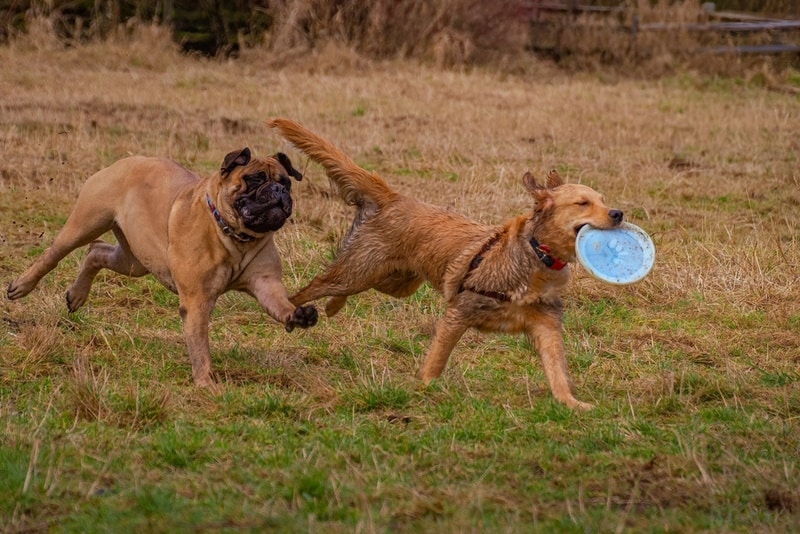
There is no definitive answer to which dog is the most energetic. All individual dogs are a little bit different from one another. All of the dogs on this list are highly energetic and were bred for various jobs that increased their stamina and love of physical activity. Some dogs were bred to swim, and others were bred to run. Some of the dogs were bred to have short bursts of intense activity followed by long periods of rest, and others were bred to have a constant pace for hours on end.
These differences and the variability between individual dogs mean that you cannot point to one single breed and declare it the most energetic. Everyone will have their own opinion, and there are plenty of anecdotal stories that people will point to in order to support their claim as to which dog is the most energetic, but there is no scientific consensus.
Conclusion
These dogs represent some of the most energetic dogs in the world. Each dog was bred for a job, typically hunting or herding. These needs have made it so that these dogs have boundless energy and a drive to exercise. These dogs are great for active families or someone looking for a dog who will go on outdoor adventures or work out with them. You should not set your heart on one of these breeds unless you are willing to meet their ample exercise needs.
Featured Image Credit: Ammit Jack, Shutterstock