In this article
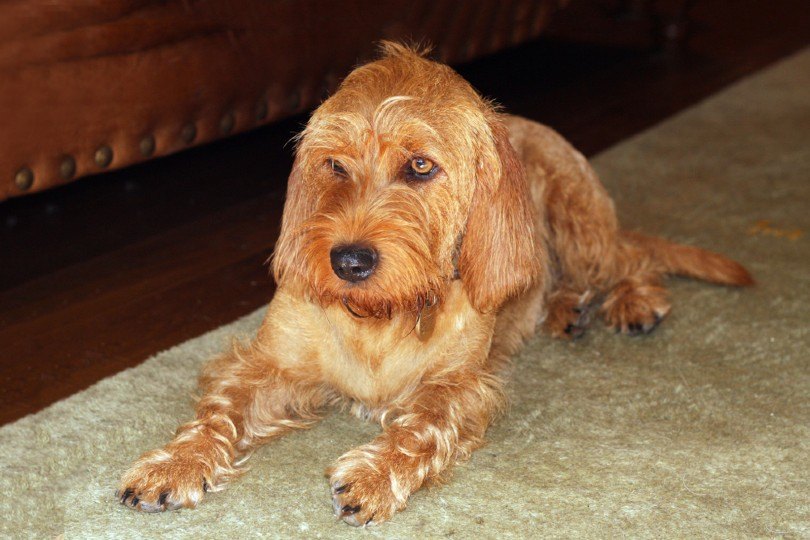
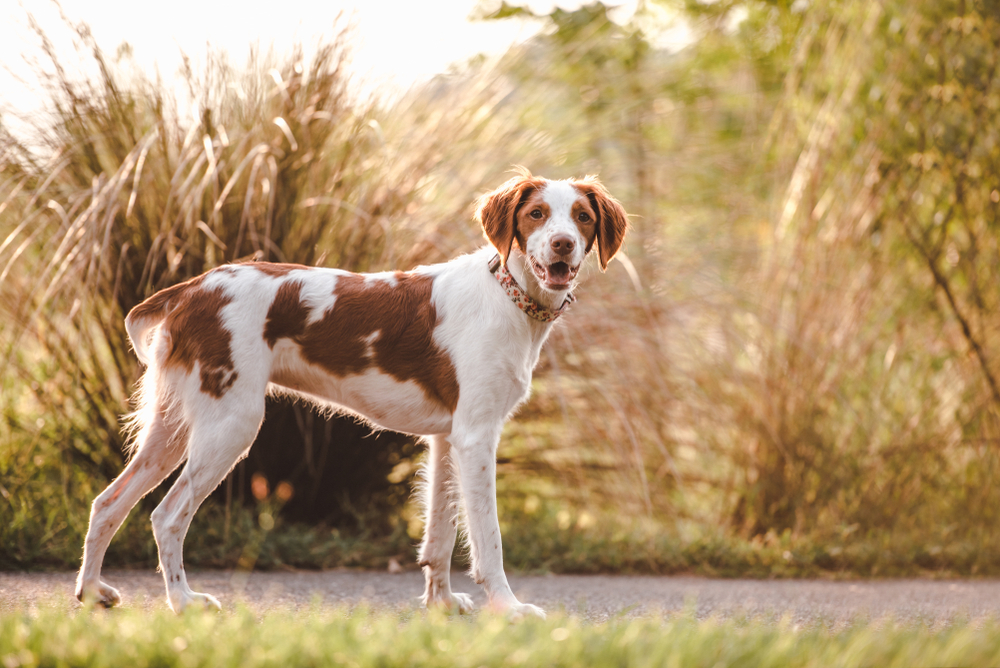
View 8 More +Dependable, versatile, and imbued with tireless energy, the French Brittany is a small but zesty pointer that originated centuries ago from hunters in the west of France. Throughout history, the French Brittany has been prized as a versatile and eager-to-please hunter that was fast and fierce when out in the fields pursuing game birds but had no trouble switching off at the end of the day and being a gentle and patient companion at home.
To this day, the French Brittany’s dependable, people-oriented nature has remained deeply ingrained, and they—as well as mixes of the breed—are beloved companions to many. In this guide, we’ll share essential information on how to care for your French Brittany.
Breed Overview
Height:
18.5–20.1 inches
Weight:
30–35 pounds (average)
Lifespan:
12–14 years
Colors:
White & orange, white & black, white & liver, tricolor, piebald, roan (FCI breed standard—AKC breed standard colors differ)
Suitable for:
Active families that enjoy the outdoors
Temperament:
Friendly, dependable, chirpy, energetic, sporty
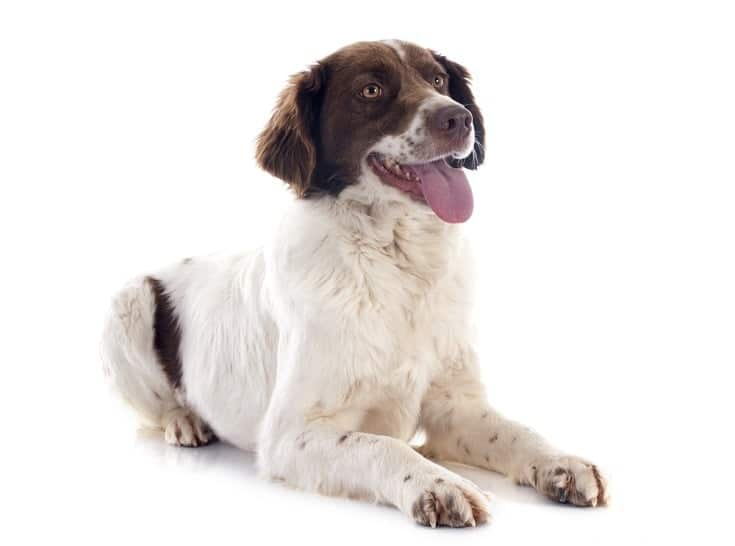
There are two types of French Brittany: the original Epagneul Breton (French Brittany) and the American Brittany, but both types are of the same breed. The American Brittany is typically larger and heavier, but the French Brittany is generally said to be a more effective gundog that sticks more closely to the hunter. In addition, the breed standards differ somewhat in Europe and America.
For example, the Federation Cynologique Internationale (FCI) lists the maximum height as 20.1 inches, whereas the American Kennel Club (AKC) allows for up to 20.5 inches maximum.1, 2 In addition, the AKC mentions black coloring as a fault, while the FCI does not. Another noticeable difference is that French Brittany dogs have shorter noses.
French Brittany Characteristics

French Brittany Puppies

The first thing you’ll notice about French Brittany puppies and French Brittany mixed-breed puppies is that they’re incredibly cute. One of the standout traits of this dog is the soft expression and gentle face, both of which are common characteristics of dogs that were originally developed as bird hunters.
As puppies, French Brittany dogs are incredibly endearing not only because of their cute faces, but also because their curiosity, vivacity, and intelligence shine through from the get-go. Despite their small stature, these pups are highly energetic and want to investigate absolutely everything.
Be sure to supervise your pup closely to make sure they don’t try and chew on potentially dangerous items, as this is a common form of exploration for puppies. French Brittany dogs typically respond well to positive training and socialization, and puppyhood is the very best time to start.
As for where to get your new best friend from, we recommend checking with rescue organizations to see if there are any French Brittany dogs or mixes available that need a new home. If you have made the decision to go to a breeder, be very cautious about who you choose to purchase a puppy from—make sure they’re in good standing.
Temperament & Intelligence of the French Brittany 🧠
“Well-balanced” is one of the best adjectives to describe a French Brittany. These dogs are full of spark and have a keen sense of adventure, but they’re also known for being very sweet and family-oriented. As we touched on further up, these traits go back centuries to the breed’s early development as a hunting dog that could also be a great companion.
Whether a French Brittany dog goes to a single-person home or a multiple-person home, they tend to do best with active companions who will make sure they get ample daily exercise. If the person or people they’re with enjoy doing outdoor activities like hiking and jogging, even better.
French Brittany dogs also often do well in obedience and agility events due to their high energy and trainability, so that’s certainly an option if it’s your thing.
Are These Dogs Good for Families? 👪
When adequately socialized and treated with respect, the French Brittany is a devoted and kind-natured companion for children. Since they love to be active and very much enjoy interactive play sessions, this aligns perfectly with the family vibe when there are kids around, so a French Brittany will fit right in.
However, this all depends on how well you train and socialize your dog around the children by making sure they have only positive experiences together. Bringing a dog into a family is a learning experience for everyone, and children also need to be shown how to interact with the dog in a gentle and respectful way.
Does This Breed Get Along with Other Pets? 🐶 😽
Yes, but you can’t just bring a new dog home and expect everyone to immediately get along like a dream. This can certainly happen, but some animals are more anxious about meeting new furry friends than others, and some even feel threatened by the new arrival. Prepare carefully for the new dog’s arrival and introduce them to other pets gradually and under close supervision.
Depending on the dog’s personality and your other pets’ personalities, it can take very little time to several weeks or even months for them to become comfortable in each other’s company. The key to making sure this happens is to create positive associations, and there are many ways to work on this.
For example, when your pets are getting to know each other but haven’t progressed to face-to-face meetings yet, you may want to try feeding each animal at the same time on the opposite sides of a door or pet gate, as this helps them associate each other with an experience they enjoy.
Things to Know When Owning a French Brittany:
Food & Diet Requirements 🦴
Unfortunately, picking food for a dog isn’t as easy as popping to the supermarket and grabbing any formula. It’s essential to put some thought into the formula you choose based on how heavy your French Brittany is, how old they are, and whether or not they have any health conditions or special dietary needs (e.g. due to food sensitivities or allergies). If you’re not sure, you can ask your vet for advice.
In addition, bear in mind that different brands have different serving guidelines. Carefully check the packaging to ensure your dog receives the most appropriate portion size for their weight, as piling on too many pounds can lead to other serious health conditions over time. Obesity in dogs can be responsible for conditions like heart disease, cancer, arthritis, and diabetes.
As well as providing appropriately sized food servings each day, your French Brittany needs access to clean water at all times.
Exercise 🐕
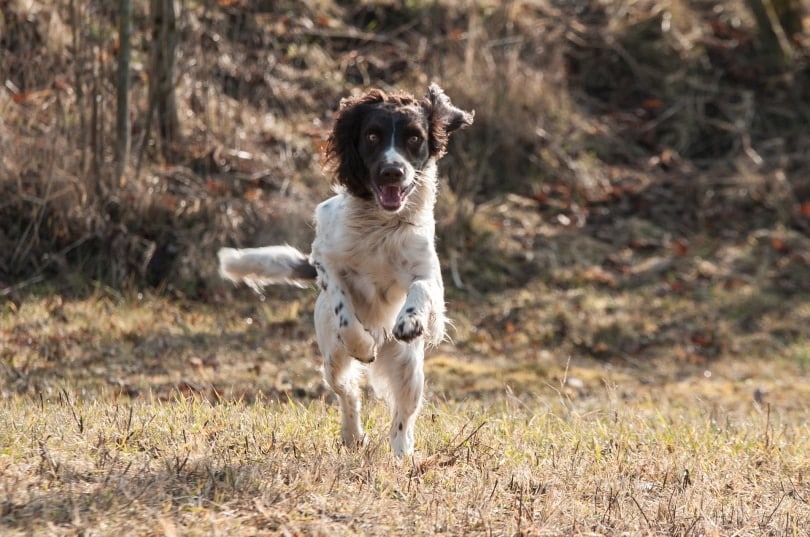
Having been developed to hunt, the French Brittany is far from shy about exercise; these little firecrackers love nothing more than a game of fetch, a good roam in a secure area, or hiking at the side of their favorite human.
You can do a multitude of fun activities with your French Brittany in addition to taking them for daily walks, which is why they’re so well-suited to people who love the outdoors and lead an active lifestyle. Interactive toys are also popular with these clever dogs.
Daily mental stimulation and physical exercise are very important for keeping your French Brittany’s stress levels low and getting those happiness hormones flowing—a bored, under-exercised French Brittany is a very unhappy dog.
Training 🎾
The French Brittany’s high intelligence and eager-to-please disposition make for a very trainable and adaptable dog, though they can also be “drama queens” and overreact when they feel pushed too far.
French Brittany dogs can be sensitive to the pressure of training sessions, especially when training for hunting purposes. Brittany dog parents may notice this quirk when obedience training their companion dogs.
Plenty of patience, repetition, and consistency can help the French Brittany ease into what they’re supposed to be learning. Positive reinforcement is also essential to training a French Brittany, so find out what motivates them, whether that be treats or a toy, and involve this in training sessions as well as plenty of praise and encouragement.
Grooming ✂️
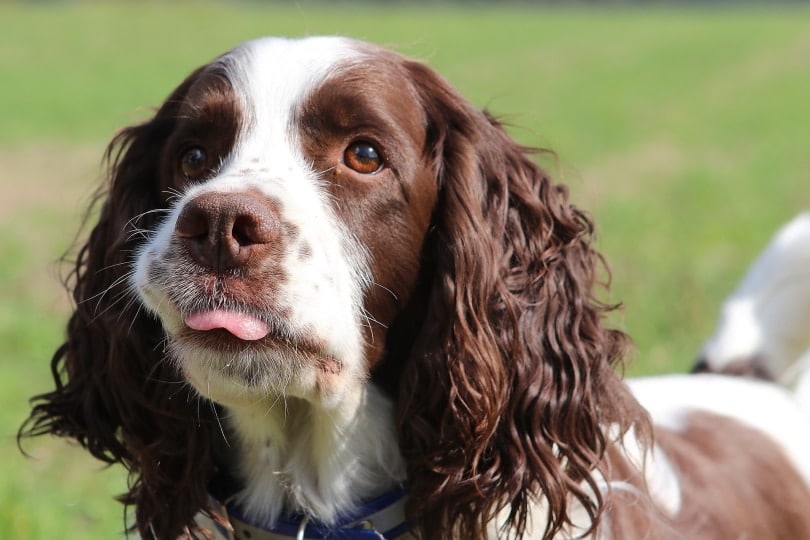
The French Brittany is a moderate shedder and has an easy-to-maintain wavy double coat. The grooming routine for this breed is as simple as brushing them weekly to help keep the coat in good condition and looking after their nails and teeth. Keeping the nails trimmed (avoid cutting into the quick!) helps keep the dog comfortable and daily tooth brushing can help keep dental diseases at bay.
Health and Conditions 🏥
While there isn’t a laundry list of conditions the French Brittany is known for and despite their being considered a generally healthy breed, they’re still at risk of certain hereditary diseases. If you buy a dog from a breeder, be sure to ask for proof that they’ve conducted health screenings on the dogs they breed and are known for putting the health and welfare of their dogs above all else.
- Minor skin conditions
- Hip dysplasia
- Cataracts
- Hypothyroidism
- Epilepsy
Male vs Female
As for physical traits, male French Brittany dogs are often slightly bigger than females, but not by much. Character-wise, there are no personality traits specific to male or female dogs because canine personalities are very diverse. However, you may spot certain behaviors if your dog is not neutered (male dogs) or spayed (female dogs).
For male dogs, these behaviors may include being especially territorial, fighting with other male dogs, becoming harder to manage, and urine marking. For female dogs, hormonal behaviors related to the heat cycle may include irritability, clinginess, and restlessness. They also experience vulval bleeding and may urinate more often. Neutering and spaying can help reduce these kinds of hormonal behaviors.
3 Little-Known Facts About the French Brittany
1. The Brittany Is a Popular Breed in the U.S.
In addition to being popular in Europe, it appears that the U.S. has a special affinity for this sparky breed. These dogs are registered as “Brittany” by the American Kennel Club, which drops the “French” part of the name entirely. The Brittany is ranked number 28 out of 201 breeds in the AKC’s popularity ranking.
2. French Brittany Dogs Aren’t Born Short-tailed
Though often seen with short tails, French Brittany dogs are born with long tails (with some exceptions). Sadly, these dogs’ tails—along with other gundog breeds—are often docked, a controversial practice that involves cutting off part of the tail.
3. French Brittany Dogs Were Once Popular with Working Class Hunters
According to Gun Dog Mag, working-class hunters once favored the French Brittany because, with their small size and tendency to be cooperative with the hunter, they were adept at poaching small game on upper-class estates.
Final Thoughts
French Brittany dogs go back a long way, and the dogs we know today are the result of years of development for very specific traits—traits that continue to make these dogs much loved today. The French Brittany combines speed, agility, and a solid work ethic with grace, cheerfulness, and a gentlemanly disposition.
They make fantastic companions for anyone willing to show them the love they deserve.
Featured Image Credit: Tanya Consaul Photography, Shutterstock