How to Run With Your Dog: Step-by Step Guide


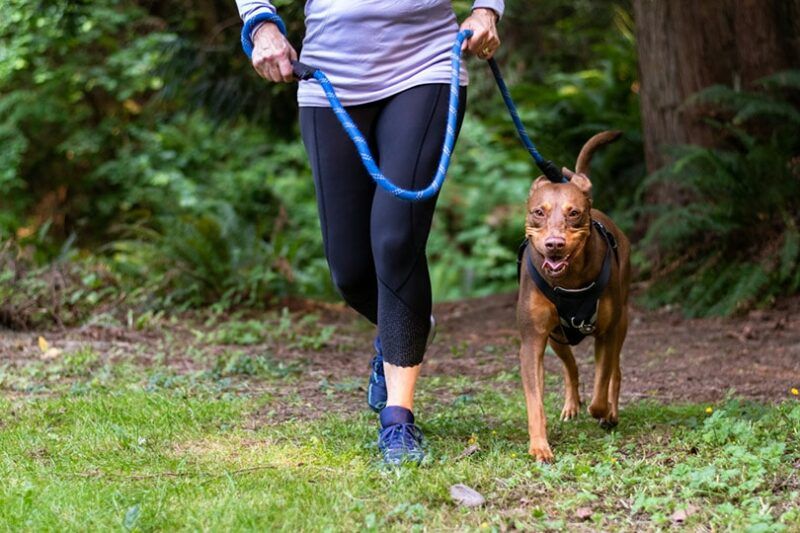
We often hear doctors and health experts stressing the importance of regular exercise for optimal health. Well, the same holds true for our four-legged furry friends. That's right, dogs benefit tremendously from daily exercise just as we do, so it only makes sense to partake in some of these activities with them.
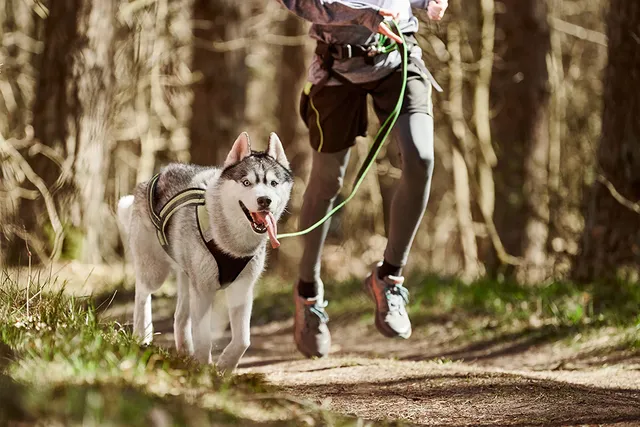
One of the best ways you can do this is to simply go running with your dog. However, before heading out to the trails, it's essential to know the do's and don'ts when it comes to running with your dog. In this article, we'll provide you with a 6-step guide on how to start running with your dog so that it's safe and fun.

How to Run With Your Dog
1. Consider Your Dog's Breed
Be sure to also consider your dog's breed. For example, small dog breeds, such as Jack Russell Terriers and Poodles, won't be as well suited for long runs as larger breeds such as Golden Retrievers, Huskies, and Dalmatians. And then there are breeds such as Shih Tzus, Pugs, and French Bulldogs that, because of their short noses and brachycephaly, should avoid running altogether.

2. Make a List of Running Gear
It's helpful to have a list of everything that you need for taking your dog out on a run for the first time. This list should include a quality leash or harness, hands-free hip leash, water, rain gear, paw pad booties, as well as poop bags for when your dog has to go.
Make sure that the leash is short enough to prevent the dog from running out into traffic and long enough to keep a good distance between you two; anywhere between 4 to 6 feet should work fine. If you decide to go with a harness, be sure that it fits perfectly and isn't pinching the dog or pulling excessively on their shoulders or hind legs.
The harness shouldn't restrict the dog's movement and should be secure enough to prevent it from falling off during the run. It's also a good idea to purchase a dog first aid kit and keep it in your car.
3. Find Awesome Running Locations
Try to find local preserves or parks with dirt trails, as these areas have grounds that are easy on your dog's joints and yours. If you only have access to asphalt running locations, be sure to start off with short distances to ensure that your dog doesn't develop fatigue or paw pad irritation. Do not run your pet in hot weather when the asphalt is hot as it can cause paw burns.
It may be a good idea to check your dog’s paws several times during a run just to be on the safe side. When choosing your running location, always check to see if the trail or park requires leashes and if there is any potentially dangerous wildlife to be aware of. For example, local parks and forest preserves may have foxes or mountain lions, which can spell danger for both you and your dog.

4. Check Local Weather Conditions
Certain times of the year may not be ideal for running with your dog, as extreme temperatures and conditions can easily cause dogs to suffer from injuries and medical emergencies. Check the weather forecast for the day and stay in if temperatures are below 55 degrees or above 88 degrees Fahrenheit. Generally, if the weather is too hot or cold for you, then it'll be too hot or cold for your dog. If you can’t walk barefoot outside then don’t expect your dog to do the same.
5. Start Slowly to Build Up Endurance
Start off slowly when running with your dog to ensure that you're going at a comfortable pace for your furry friend. Always perform a 5 to 10 minute warm-up to help reduce the risk of injury and to get your dog acclimated to running along with you at a comfortable pace. During the run, monitor your dog for signs of overexertion, weakness, or general lethargy. Things to look out for include dark red gums, heavy panting, drooling, or vomiting. If you notice that your dog is stopping or refusing to continue the run, never force it.
Simply give your dog time to rest or end the run altogether. Also, note that your dog may want to use the bathroom before the run, so be sure to give them time to walk around, sniff the area, and make a pit stop if they need to.
6. Make Sure That Your Dog Is Healthy
It's always best to first check with your veterinarian to ensure that your dog is in a good state of health before starting a running regimen. Factors that can affect your dog’s ability to run include pre-existing health issues or conditions such as arthritis, laryngeal paralysis, collapsing trachea, heart disease, and obesity. The type and extent of any health condition will also affect the length of time and speed at which your dog can run.
If your dog is recovering from an injury or infection, you will want to wait until they have a complete bill of health before heading out for a jog. You'll also want to make sure that the dog is old enough and big enough to go for a run with you. A young pup that's still growing may not have the stability in their bones and joints to go for extended runs and may be at risk of potential injury and developmental joint problems. This is especially true for large and giant breed puppies.
If you're concerned about your dog's health we suggest you speak to a vet.

In Summary
So there you have it, folks. Hopefully, this guide has given you everything you need to embark on an enjoyable and healthy run with your pooch. Running with your dog can be one of life's greatest joys, and it can help you and your dog burn off those sweet treats!
Featured Image Credit: knelson20, Shutterstock
Expert dog care, straight to your inbox
News, insights, expert advice, and everything dog.

No spam — unsubscribe anytime.
By signing up, you agree to our Terms & Conditions and Privacy & Cookies Policy.
How useful was this post?
Click a star to rate. You can leave written feedback afterwards. (We read all feedback.)
Nicole has loved animals of all sizes her whole life so it's no wonder she has dedicated her career to helping them through what she loves best: learning, writing, and sharing knowledge with others. She’s the proud mom of two dogs, a cat, and a human. With a degree in Education and 15+ years of writing experience, Nicole wants to help pet parents and pets around the planet to live happy, safe, and healthy lives.