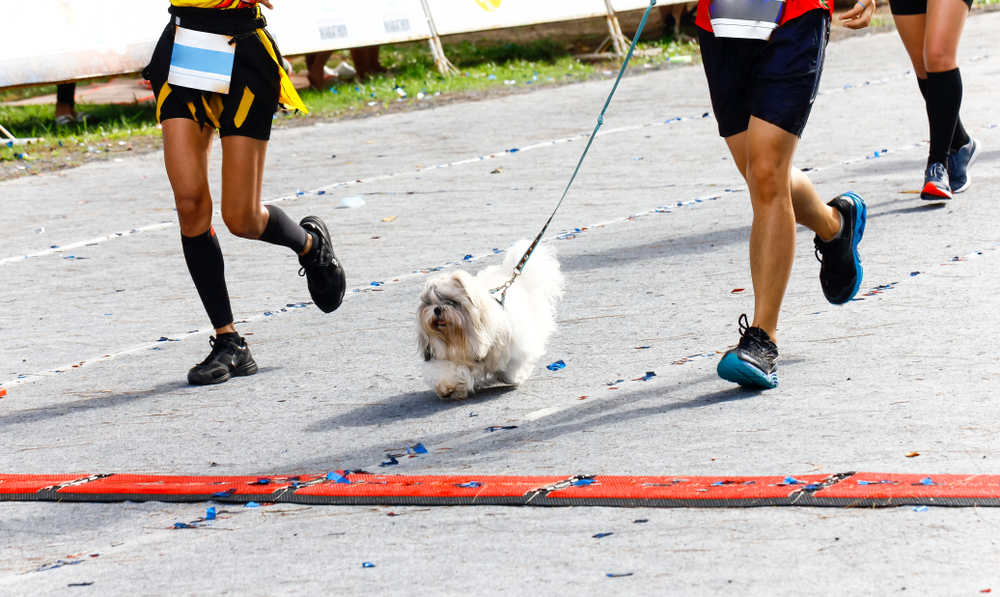
Many people participate in 5K runs every year. It is one of the most common road running distances, especially for those new to jogging and running. People engage in this activity for many reasons, including managing stress, staying healthy, and controlling weight, and it only makes sense to want to bring your canine bestie along to enjoy the fun.
Research has shown that exercise stimulates the release of endocannabinoids, which essentially are molecules that work to maintain balance in the body and brain. Canines also have endocannabinoid systems, and are also able to experience the so-called runner’s high 1. So, with that said, taking your dog on your run may give your pet the same lift. However, just like a human, your dog likely can’t run a 5K without any sort of training first, so let’s dive into some tips for this below!

The 17 Tips for Training Your Dog to Run a 5K With You
1. Get an OK From Your Vet and Doctor
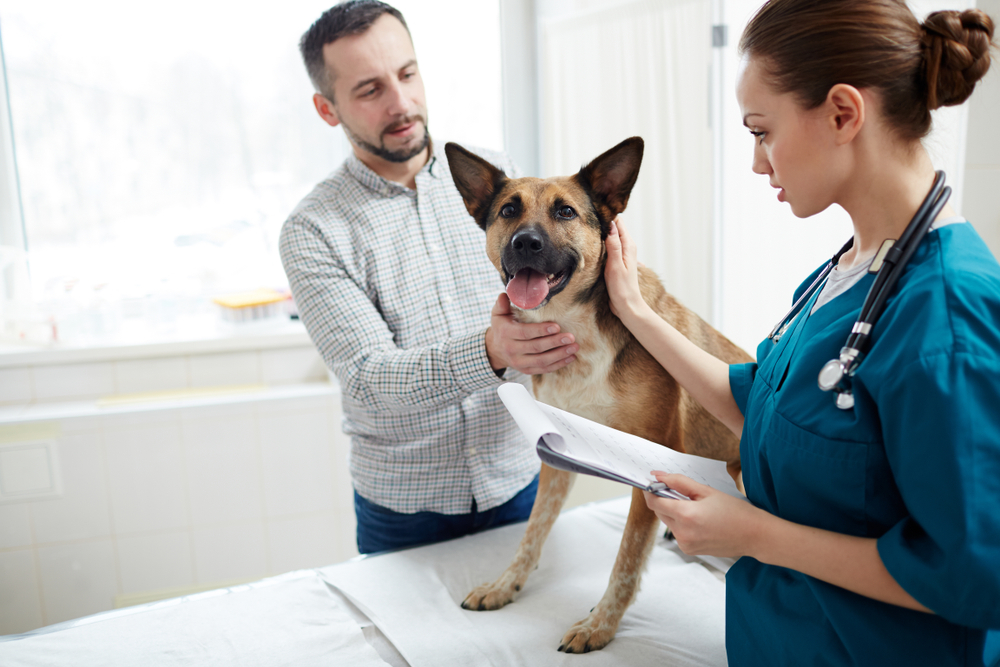
If running is new to you or your pup, you should get yourself and your pet an exam and medical OK to embark on your new adventure. Remember that dogs can get cardiovascular disease and other health conditions, just like people, and getting checked out before you run is the safe way to make sure both of you can handle the demands on your bodies.
If you need to speak with a vet but can't get to one, head over to PangoVet. It's our online service where you can talk to a vet online and get the advice you need for your dog — all at an affordable price!

2. Ensure Your Pet Is Old Enough for the Workout
Dogs mature at different paces, with small breeds becoming adults long before large canines. Injury risk exists with running. Therefore, it’s essential to begin training with your dog once they are fully mature. It makes sense since this endeavor involves intense training. Getting in shape for the run involves workouts three to four times weekly, and a puppy may not be able to keep up with the demands. If you’re unsure about if your dog is old enough to run such distances, reach out to your vet for advice.
3. Choose a Dog-Friendly Race
We recommend finding a dog-friendly event before you start training to ensure it’s possible in an area near you. Organizers may provide the extra supplies you need when running with your pup, such as waste bags and water bowls. It’s also an excellent way for your pet to meet new friends, both canine and human. You may find these 5K routes are better choices for dogs and traverse more manageable paths that are paw-friendly.
4. Assess Your Running Path
Undoubtedly, you’ll use a set route, if not the actual one of the race, to train. We recommend walking it to get the lay of the land and note any potential hazards. You should also pay attention to the traffic patterns. If you walk it enough, you’ll figure out when it’s least busy. You may even meet some fellow runners with whom you can train.
5. Start to Train Your Dog
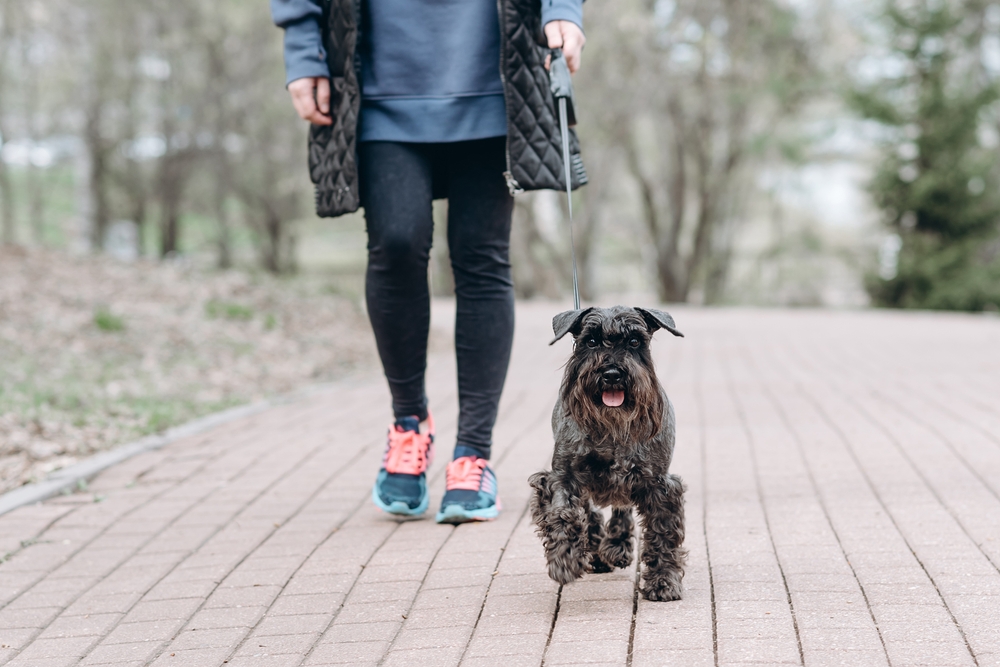
You must train your dog so that your pet knows what to do during the race. Emphasize teaching your dog to heel and practice a recall command. Your pooch must be spot-on with these lessons to avoid becoming a distraction to your running goals. Time is another factor. The average time for a 5K is roughly 30 to 40 minutes. Get your pup used to being on the go for about this time—or faster!
6. Start Slowly
We recommend starting your training slowly. Don’t push your pup too hard, as it should be a positive experience. Of course, treats make any activity fun. Pay attention to any signs of fatigue or distress and adjust your efforts accordingly. Undoubtedly, running a 5K is a new way for your pet to explore the outdoors, so it’ll take some time to figure out this new routine.
7. Run During Cooler Hours
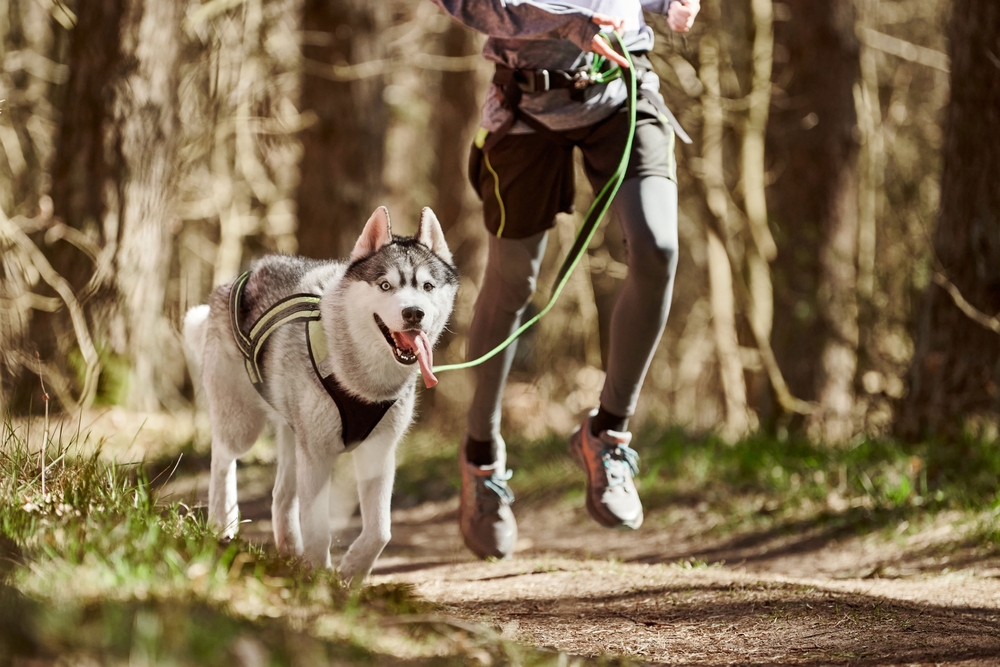
Dogs do have some adaptations to help manage their internal temperature when they start to get warm from exercising. However, their thermoregulation is very poor when compared to humans, and they can quickly overheat if it’s too warm outside. Their ability to sweat is very limited when compared to us, and even though panting does help them regulate their temperature to some extent, they’re still not well adapted to running in warm or high temperatures that humans can easily manage.
Therefore, we suggest training your dog at times when the temperatures are cooler to make it less uncomfortable. The assessment of your running route will help you choose the best time slot to take to the trail. The best time to train your dog is in the early morning and the late afternoon/early evening.
8. Pack Waste Bags
Just because you’re training doesn’t mean responsible pet ownership falls by the wayside. Pack waste bags to have with you while training. We suggest keeping a fanny pack filled with the necessary supplies you’ll need. That way, you’ll always have them on hand in case of a pit stop.

9. Ensure Your Pup Remains Hydrated
You probably have a water bottle with you as you train. Your canine partner also needs to stay hydrated. You can tuck a collapsible bowl in your fanny pack to give your pup a welcome drink when they’re tired. Avoid letting your dog drink from puddles, as the water may contain intestinal parasites like Giardia. If your pet is panting excessively, take a break in the shade.
10. Figure Out Where the Closest Vet Is
Before the race, ensure you figure out where the closest veterinary clinic or hospital is. This information is very important in the unfortunate event that your dog experiences heat stress or a heat stroke, as it will save you valuable time during an emergency.
11. Warm Up and Cool Down Before Training
We recommend following the same routine that you use for training for a 5K that you do without your canine companion. That means a short warm-up with a slow jog and the same as part of a cool-down. It’ll help ease you both into the activity and help your body recover from the workout. Again, you should make training a positive experience that both you and your pup can enjoy.

12. Monitor Your Pet’s Performance
Monitor your dog’s performance throughout your training. Don’t stop after your dog has picked up the routine. Instead, watch how well your pet responds as you increase your speed to get to your goal time. Remember that you’re a team, so keeping your partner in mind is essential since your finish depends on both of you.
13. Ensure Your Dog’s Vaccinations Are Updated
You’ll likely find that dog-friendly events expect pets to be up to date on their vaccinations. The organizers may even require proof. Depending on where you reside, the vaccinations required in order to be eligible for the race will vary. It’s best to check these beforehand and ensure that your dog is up to date on their vaccinations.
Dogs may experience a few days of lethargy and a transient fever after being vaccinated. As such, vaccinating them a day or two before the event might not be the best idea since your pup might not be up for a 5K race when they’re not feeling their best.
14. Check Your Pet’s Paws Regularly as You Train
Training may put a greater strain on your pup’s paws, particularly if you run on pavement. You should check them occasionally for irritation or redness. Monitor your pooch for excessive licking of their paws or limping. Your vet can prescribe a topical medication to help your dog’s paws heal. Make sure their nails are trimmed regularly as well, if they’re not already being filed down by running on pavement, that is.

15. Use Interval Training to Build Endurance
Interval training is an excellent way to build endurance so you and your dog can go the distance. It allows you both to reach this figure safely without overly taxing your body. Remember that overtraining makes you and your pet more susceptible to injuries. You should begin training 8 or preferably 12 weeks before the run.
16. Don’t Feed Your Pup Before the Race
You and your pet shouldn’t eat before the run to avoid gastrointestinal upset. It may increase the risk of life-threatening complications, such as gastric dilatation and volvulus (GDV). We recommend discussing your plans with your vet to determine the best race-day plan. You should also take the same precautions when the race is done. Encourage your dog to eat slowly by splitting the meal.
17. Have Fun!
The most important thing about preparing for your run is to have fun. Don’t obsess about your finish time. The real reward is doing the 5K together with your canine companion. Keep your pup focused on the race with treats and your enthusiastic praise.
Conclusion
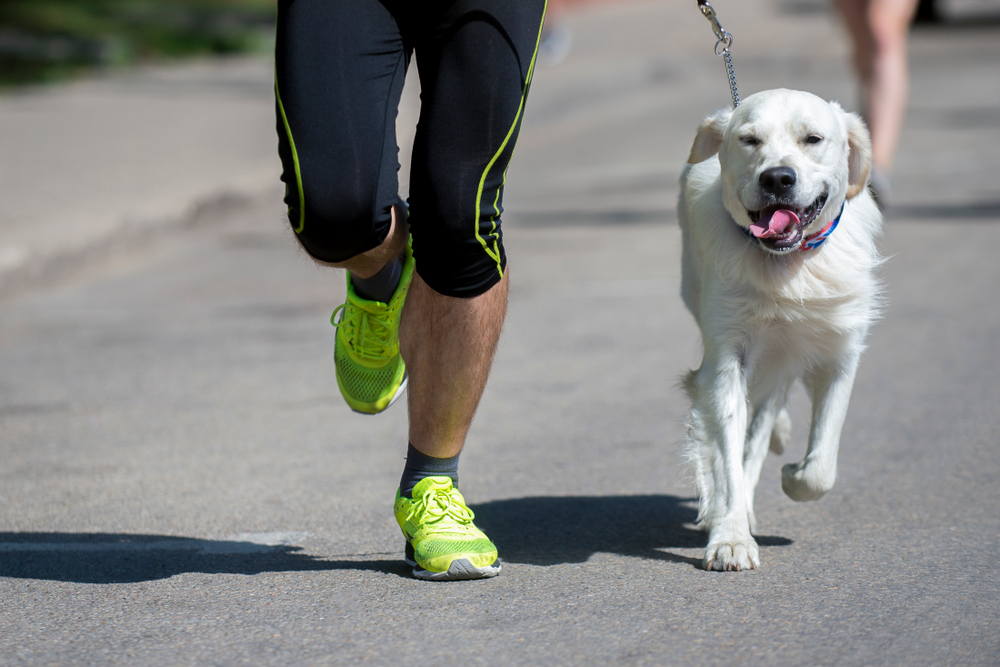
Doing a 5K with your dog is an excellent way to bond with your pet. It means frequent training sessions that you can use to reinforce your pet’s canine manners. The run will benefit you and your pooch with welcome exercise that can improve your cardiovascular and mental health. It’ll also provide enrichment for your pet and opportunities to socialize with other canines. So, as long as you get the OK from your vet, use these tips to start training today!
Featured Image Credit: singkam, Shutterstock
 The 17 Tips for Training Your Dog to Run a 5K With You