Do Greyhounds Make Good Pets? Facts & Care Tips


In this article
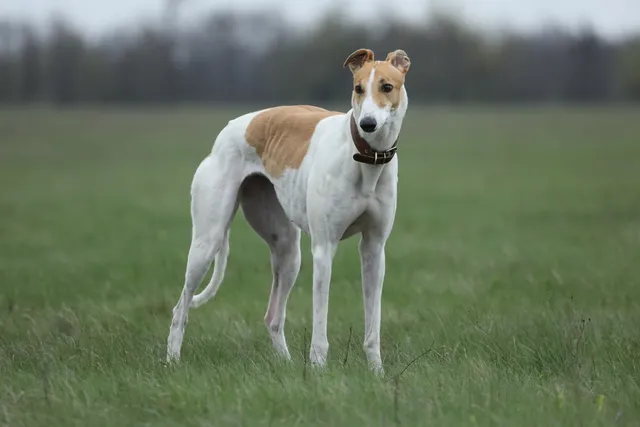
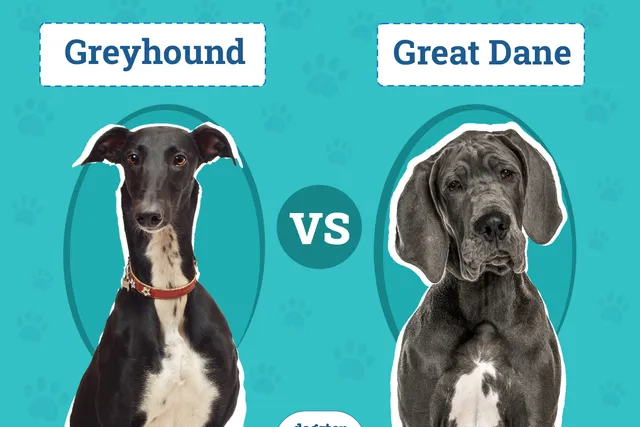
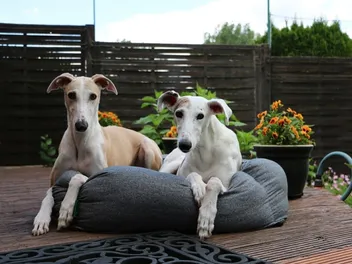
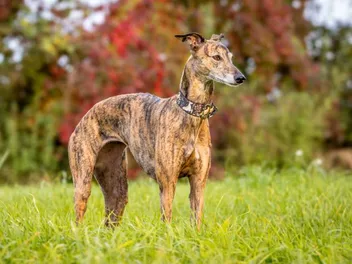
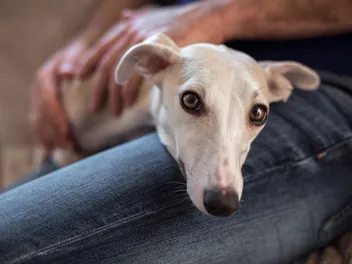
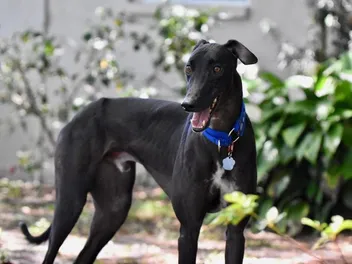
Popularized by Greyhound racing, Greyhounds can make great pets for families and dog lovers. These dogs are intelligent, affectionate, easygoing, and clean. Though considered a large breed, Greyhounds are slender and don’t throw their weight around like some other large dogs.
If you’re considering adding a Greyhound to your household, learn more about the breed’s temperament, lifespan, health, and physical and emotional needs to see if it’s a good fit for you.

Greyhound History

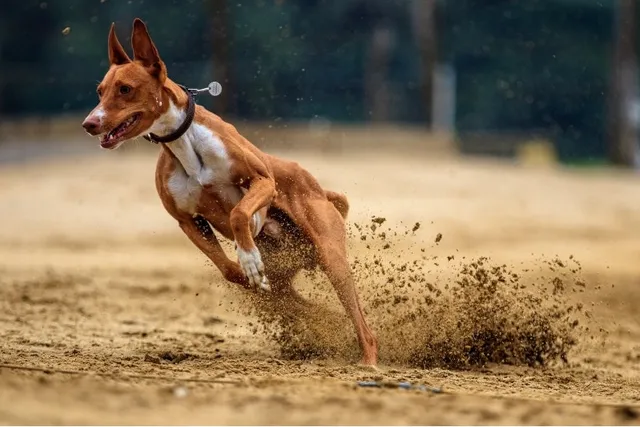
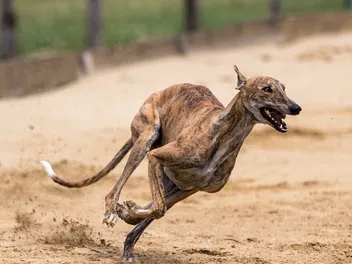
For thousands of years, Greyhounds have been bred to hunt by sighting and outrunning their prey. The Greyhound is the world’s fastest breed of dog and can reach speeds of up to 40-45 mph in just a few strides. Because of this, Greyhounds became a popular racing and coursing dog in the UK and the U.S.
Greyhound racing is a popular competitive sport that quickly gained attention as part of the gambling industry, similar to horse racing. Animal rights and animal welfare groups protest the commercial Greyhound racing industry, and after retiring, young Greyhounds are often put up for adoption as household pets.
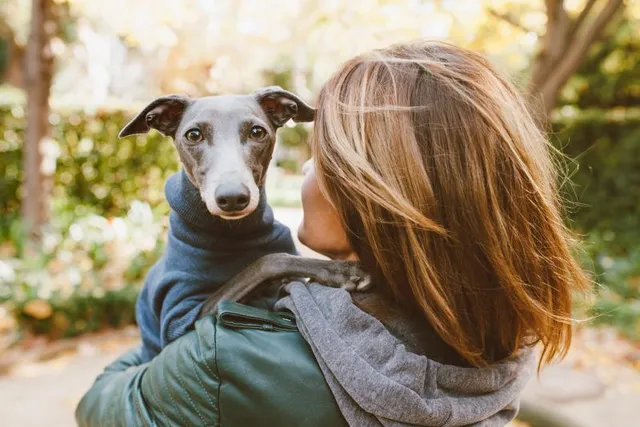
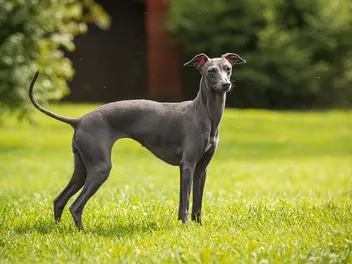
Greyhounds are tall and slender dogs, but the term “greyhound” may refer to sighthound-type dogs, such as the Italian Greyhound.
Greyhound Temperament
Greyhounds are relaxed, friendly dogs that love socializing with humans and other pets. Since most pet Greyhounds come from a racing background, they’re accustomed to being around other dogs and humans. They’re also highly trainable since basic training is necessary for racing.
Despite being known for sport and speed, Greyhounds don’t require a lot of exercise. Your Greyhound may love going on a jog with you, but it’ll be just as happy to sleep all day. That said, a Greyhound on a cable run or tether will run endlessly, so it’s best to keep them on a leash or in a fenced area. If your Greyhound runs and gets lost, it may have difficulty finding its way back home due to a strong prey drive and poor recall in some individuals.
Greyhounds are quite vocal and expressive. They growl, whimper, yodel, and smile to communicate. These behaviors can serve different functions depending on context, and may reflect a range of emotional states. Aggression and territoriality are generally uncommon but can occur.
Greyhound Grooming Needs

Greyhounds are smooth-coated dogs with very little body fat. They are naturally odor-free, even when wet, and tend to stay clean on their own. Your Greyhound will need the occasional bath and brushing, but it’s a low-maintenance dog.
In addition, your Greyhound will need regular nail trimming, ear cleaning, and teeth cleaning. Fortunately, those with a racing background are often accustomed to handling. If your Greyhound is wary of grooming, you can take it to a professional groomer or veterinarian for nail, ear, and dental maintenance.
Greyhound Climate Needs
Greyhounds have minimal body fat, thin skin, and a short, smooth coat. Because of this, they are sensitive to both heat and cold and are generally best suited to indoor living environments. In winter, your Greyhound will need a fleece coat. In extreme temperatures, you may also want to use boots to protect your dog’s paws.
On cooler fall or spring days, your Greyhound may benefit from a light jacket when going outside. Follow the general rule that if you’re cold, your Greyhound is cold, and dress it accordingly.
Greyhound Health Conditions
Greyhounds are generally considered a relatively healthy breed compared to many purebred dogs, but they are not free of genetic or inherited conditions. Some conditions, such as hip dysplasia and osteoarthritis, can occur and may be influenced by genetics, aging, and activity history, including in ex-racing dogs. Other common health concerns include hypothyroidism, inflammatory bowel disease, epilepsy, and blood-clotting disorders.
Because of their low body fat, Greyhounds are sensitive to anesthesia. Your vet should be aware of the anesthesia protocols for greyhounds.
Purchasing or Adopting a Greyhound

Retired racing Greyhounds are the easiest to find and come with the benefits of early training and socialization. Plenty of animal shelters and rescue groups offer Greyhound adoption. When you adopt, you’ll have detailed information about the dog’s history, temperament, and health or behavioral concerns. Plus, you’ll meet an adult dog, so you’ll know the dog’s personality in advance.
If you’re set on a puppy, you can find Greyhound breeders all over the country. Be sure to choose a reputable breeder who allows you to meet the puppy and the parents. Unfortunately, you can’t be sure if your puppy will have health or behavioral problems, and you’ll need to do all the training yourself. Also, you’ll be responsible for vaccinations, spaying and neutering, and other veterinary care. When you adopt, your dog will be fixed and up to date on vaccinations.
Conclusion
If you want a clean, friendly, and affectionate dog for you and your family, a Greyhound is an excellent choice. These large breeds are safe and gentle, appropriately lazy, and happy to be around their human and pet companions. Though Greyhound ownership comes with some special considerations, such as a fenced-in yard and a seasonal dog wardrobe, it’s a small concession to have a loyal and lovable companion.
Looking for more suggestions? Try:
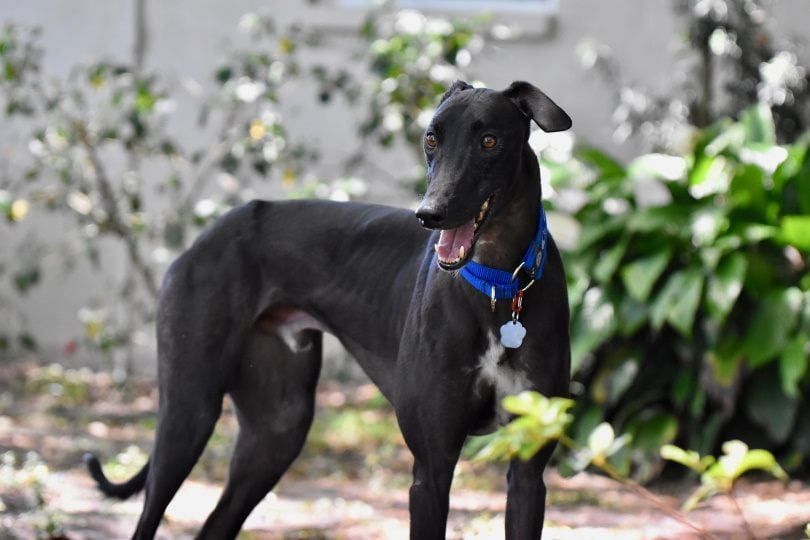
Featured Image Credit: Akiko Campbell, Pixabay
Expert dog care, straight to your inbox
News, insights, expert advice, and everything dog.

No spam — unsubscribe anytime.
By signing up, you agree to our Terms & Conditions and Privacy & Cookies Policy.
How useful was this post?
Click a star to rate. You can leave written feedback afterwards. (We read all feedback.)
Ollie is a zoologist turned freelance animal writer living in South Australia with his partner Alex and their mini zoo consisting of their eldest, a rescue dog named Pepper, many aquatic creatures, and their cat Steve. Ollie has a Master's degree in wildlife biology but became a freelance animal writer in 2020 and hasn't looked back. He loves sharing what he has learned with pet parents around the planet.