Do Dogs Like Kisses? Communication, Signs & Alternatives

In this article
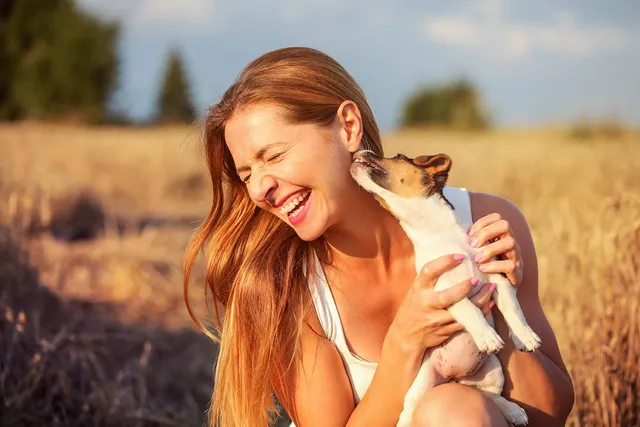
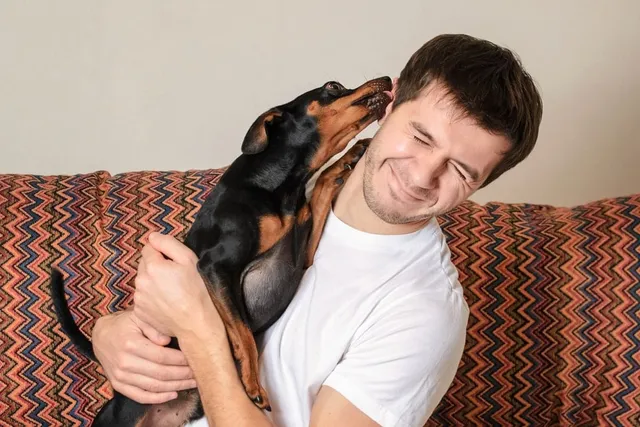
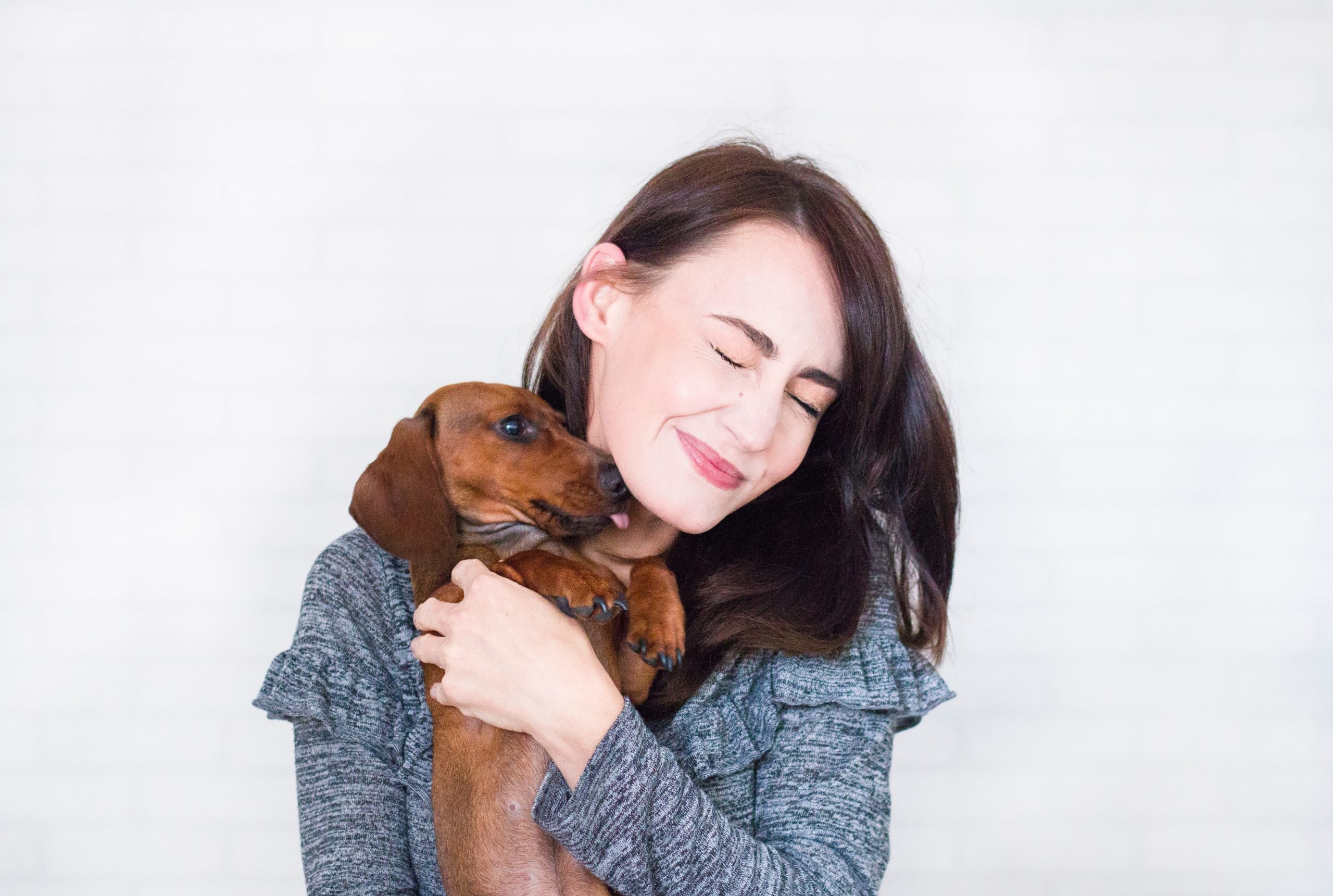
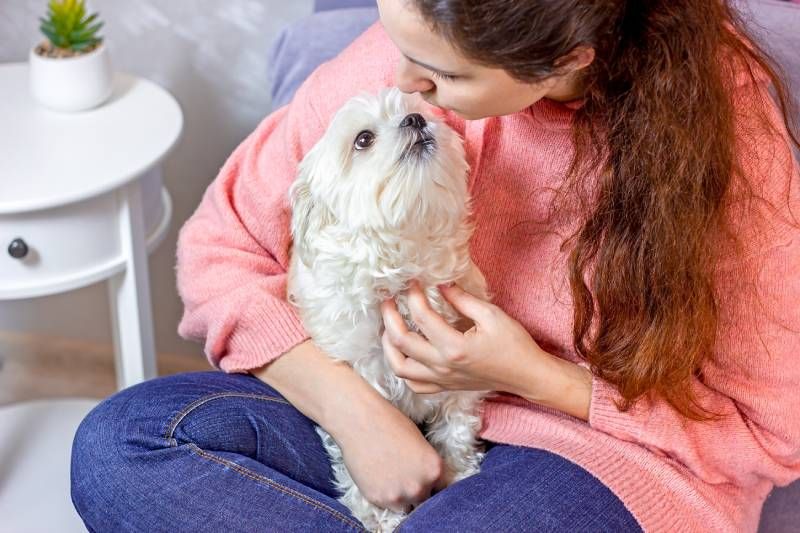
Dogs have been our loyal companions for centuries, providing unconditional love and companionship. You might be tempted to return the same favor to your dog through kissing. But have you ever wondered if dogs truly enjoy receiving kisses from us? Unfortunately, not all dogs like kisses.
Dogs have unique ways of expressing and interpreting affection; Kissing is not one of them. Therefore, understanding canine communication and perception is key to deciphering their response to kisses.
This article will delve into the fascinating world of canine communication, explore how dogs perceive kisses, and discuss alternative ways to show affection that dogs are more likely to enjoy.

How Do Dogs Communicate?
A dog's way of communicating with each other and humans is unique. Before deciding whether your dogs like kisses, it is important to learn how dogs communicate. Understanding canine communication is crucial to comprehending how dogs perceive and respond to human gestures such as kisses.
Through Body Language and Facial Expressions
Dogs primarily communicate through their body language and facial expressions. You’ll notice this by observing their posture, tail position, ear movement, and facial features.
For example, a relaxed and loose body with a gently wagging tail usually indicates a contented and friendly dog. On the other hand, a stiff body, raised fur, or a tucked tail may suggest fear or aggression.
Similarly, a dog's facial expressions, such as relaxed eyes and an open mouth, often indicate a calm and friendly disposition. In contrast, narrowed eyes and bared teeth can signal discomfort or aggression.

Through Scent
Dogs have a highly developed sense of smell. This enables them to gather information about their environment and other animals. Your dog will use their sense of smell to recognize familiar individuals, detect emotions, and identify potential threats.
When it comes to kisses, the scents associated with kisses, such as breath or fragrances, may affect their perception of the interaction. Your dog may find certain scents unpleasant or overwhelming, which can influence their response to kisses.
Vocalization
Dogs also convey different messages using vocalizations. They can bark, growl, whine, whimper, and howl. By paying attention to these vocal cues, you can better understand your dog's comfort level and whether they like it when you kiss them.
For example, observe whether your dog barks or growls during or after a kiss. This may indicate discomfort, anxiety, or a desire to communicate something. Therefore, respect their boundaries and give them space.
How Do Dogs Perceive Kisses?
Dogs perceive and interpret kisses differently. Of course, they do not have the same cultural and social context that humans have regarding kisses. While humans often view kisses as a loving and affectionate gesture, a dog might see a kiss as an invasive or even threatening gesture.
So, what influences how dogs perceive kisses?
Instincts and Experiences
A dog with negative encounters or traumatic experiences may associate certain physical gestures, including kisses, with fear or discomfort.
This also includes dogs with a more reserved or independent temperament. They may not appreciate or enjoy the proximity and physical contact of kissing.
Personality
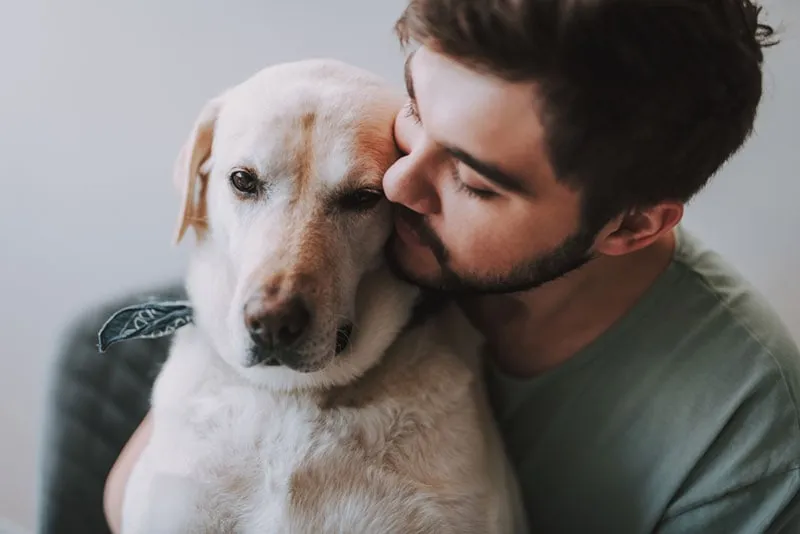
Dogs have a unique personality that influences their perception of human interaction. For example, some dogs may be more outgoing and sociable. Therefore, they will be more receptive to physical affection and may enjoy the closeness and attention that comes with it.
On the other hand, more reserved and independent dogs tend to guard their personal space and may not appreciate the physical contact involved in kissing.
Upbringing and Socialization
How you raise and socialize your dog plays a significant role in shaping their perception of physical contact, including kissing.
For example, suppose you expose them to positive and gentle handling from a young age, along with proper socialization. In that case, they will be comfortable with various forms of physical affection. Conversely, if they had limited exposure to positive interactions or experienced trauma or negative encounters from a young age, they may be more wary or anxious about such physical contact.
Your Shared Bond
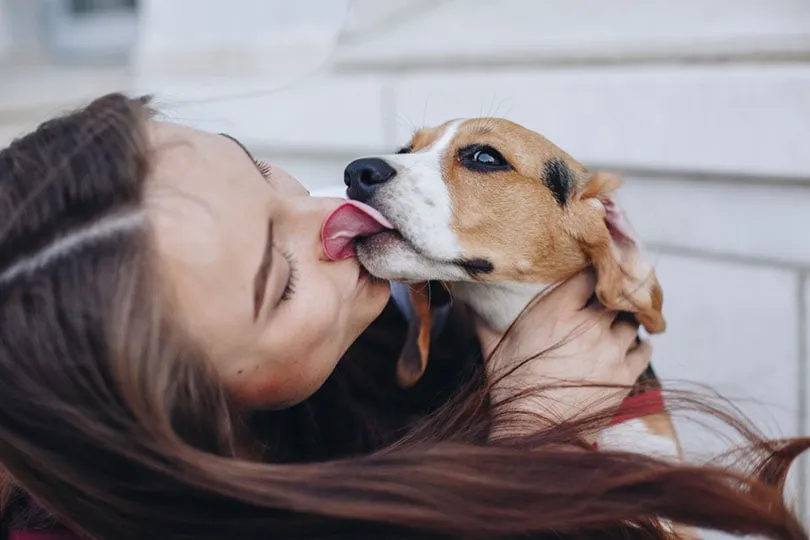
The bond and trust between you and your dog will greatly influence how they perceive and respond to kisses. If you have a strong bond, they will feel secure and will likely be receptive to kisses. A deep sense of trust and a positive history of interactions contribute to a dog's comfort level with physical contact.
Individual Preferences
Dogs also have unique preferences and comfort levels concerning physical contact. Some dogs may enjoy kisses and view them affectionately, while others may find them intrusive or unpleasant. Therefore, respecting a dog's preferences when engaging in physical interaction is important.
How to Tell When Your Dog Doesn’t Like Your Kisses
Dogs that don’t enjoy kissing will usually display signs of discomfort or stress. It is important to recognize these signs to ensure your canine’s well-being during physical interactions. Your dog may not always explicitly communicate their discomfort, so it is crucial to also pay attention to their body language and behavior.
The following are common signs indicating a dog may feel uncomfortable or stressed.
Their Body Language Is Off
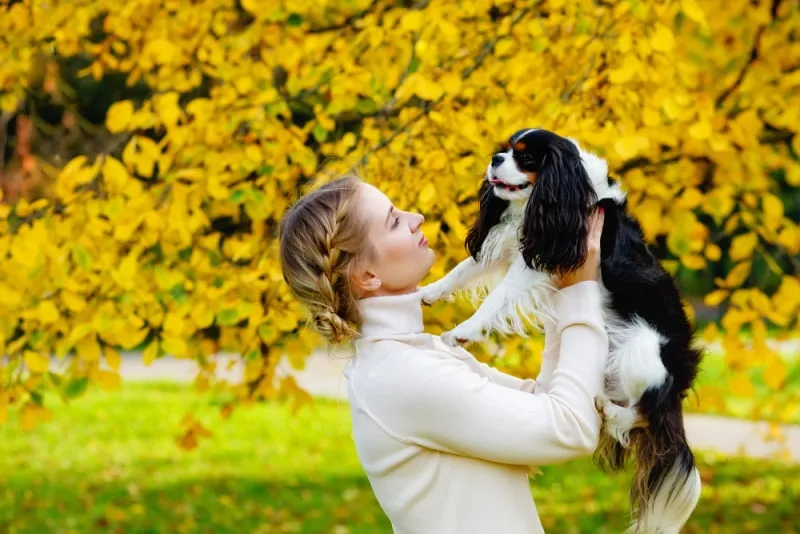
One of the best ways to read your dog’s discomfort towards your physical advances is to read their body language.
Look out for signs such as a tense or stiff body posture. A dog that is uncomfortable with kisses may also flatten their ears against their head or tuck them tightly back. Whale eye, where a dog shows the whites of their eyes while looking away, is also a sign of unease or stress.
Finally, your dog may lick their lips or yawn excessively to cope with anxiety or stress, tuck their tail, or hold it low between the legs.
Avoidance Behaviors
Your dog might exhibit avoidance behaviors when they don’t like the direction of your physical contact. For instance, if your dog is uncomfortable, he will turn his head or body away from you when you try to kiss him.

Stress Signals
Excessive panting can indicate stress or anxiety, especially when unrelated to physical exertion or heat. Excessive drooling during or after kisses can indicate nervousness or stress.
Freeze or Aggression
Sometimes, a dog may freeze or display aggression when feeling overwhelmed or threatened by kisses. This can include growling, snapping, or biting. Do not ignore this cue, as it can lead to a disastrous outcome.
Alternatives to Kissing Your Dog
Showing affection to dogs is important to building a strong bond and nurturing a positive relationship. There are alternative ways to express love and affection that are more likely to be enjoyable and comfortable for your canine companion. Consider the following.
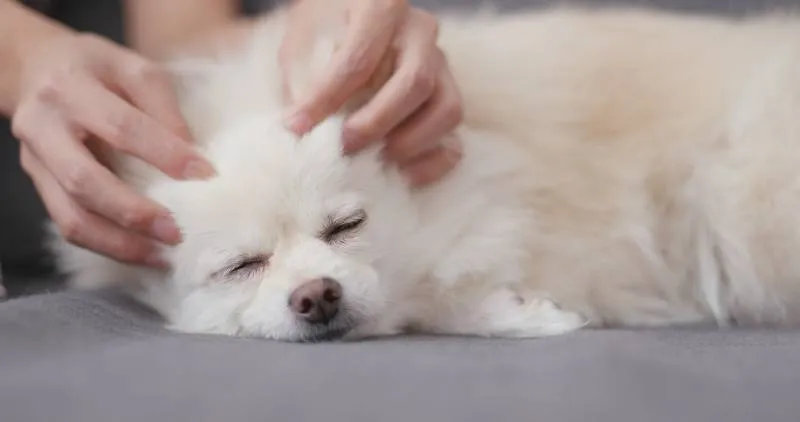
Give Them Gentle Petting and Massages
You can use gentle petting and massage as a way to show affection. Many dogs enjoy this act.
Start stroking their back, chest, or sides with slow, calm movements. Make sure to pay attention to the areas they find most pleasurable. Remember to be mindful of their body language and ensure they are comfortable.
Praise and Encourage Your Dog
Dogs thrive on positive reinforcement and verbal praise.
When expressing your affection, use a warm, soothing tone combined with words of encouragement, such as "Good boy/girl!", “Who’s a good boy/girl,” or "You're such a good dog."
Verbal communication and a cheerful attitude can make dogs feel loved and appreciated.
Engage in Play
You could also play with your dog to bond and show affection. Try participating in activities your dog enjoys, such as playing fetch, tug-of-war, or interactive games, which are great for bonding and physical exercise.
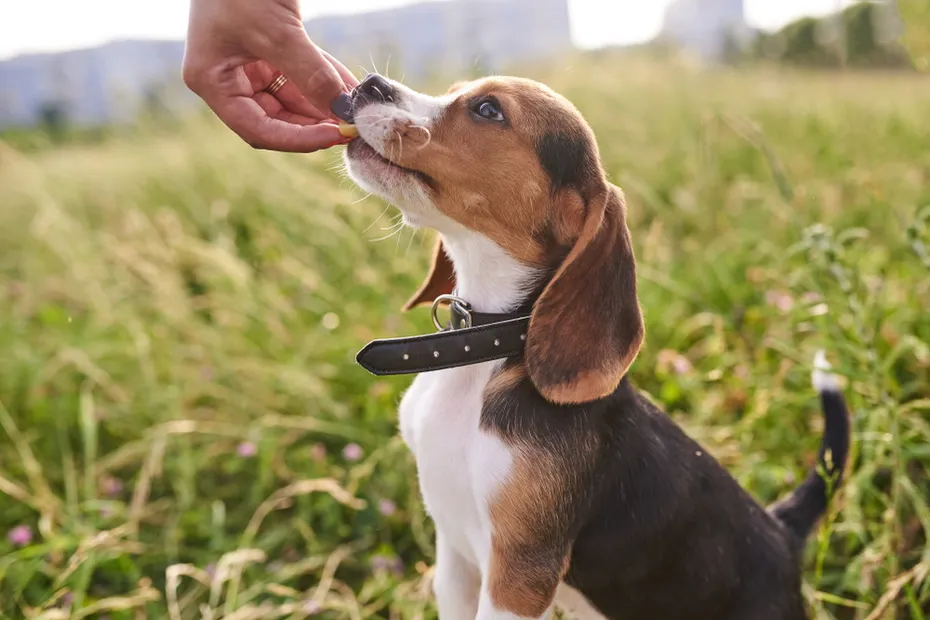
Offer Treats and Rewards
Treats and rewards are an effective way to show affection and reinforce positive behavior. Use small, healthy treats to express your love and appreciation. Reward your dog when they exhibits desirable behavior or responds to your cues or commands.
Spend Quality Time With Your Dog
Dogs crave quality time and attention from their human companions. Setting aside dedicated time each day to spend with your dog will be incredibly meaningful and reassuring. You could walk, explore new environments together, or sit quietly.
Respect Their Personal Space
Respect your dog's need for personal space and allow them to approach you for affection on their terms. Some dogs may prefer to cuddle up next to you or lean against your legs to seek comfort and closeness. By respecting their boundaries, you create an environment where your dog feels safe and secure.
Final Thoughts
Not all dogs enjoy kissing. If you plan to show affection to your dog, understand canine communication. Learn their body language and vocalizations to tell whether it’s their thing.
Your dog's dislike for kissing has nothing to do with you as an individual. Instead, it is likely due to the dog's personality, upbringing, and preferences.
Respect their boundaries and comfort levels when engaging in physical affection and try to recognize any signs of discomfort or stress, such as tense body language or avoidance behaviors. This will allow you to adjust your interactions and try alternative ways to show affection.
You may be interested in: International Pet Groomer Appreciation Day
Sources
Featured Image Credit: KatMoy, Shutterstock
Expert dog care, straight to your inbox
News, insights, expert advice, and everything dog.

No spam — unsubscribe anytime.
By signing up, you agree to our Terms & Conditions and Privacy & Cookies Policy.
How useful was this post?
Click a star to rate. You can leave written feedback afterwards. (We read all feedback.)
Nicole has loved animals of all sizes her whole life so it's no wonder she has dedicated her career to helping them through what she loves best: learning, writing, and sharing knowledge with others. She’s the proud mom of two dogs, a cat, and a human. With a degree in Education and 15+ years of writing experience, Nicole wants to help pet parents and pets around the planet to live happy, safe, and healthy lives.