
In this article
View 3 More +Heartworm disease is a devastating and yet almost entirely preventable parasitic infection in dogs. While you might be familiar with the condition, did you know heartworm can cause long-term effects that can affect your dog for the rest of its life?

Heartworms
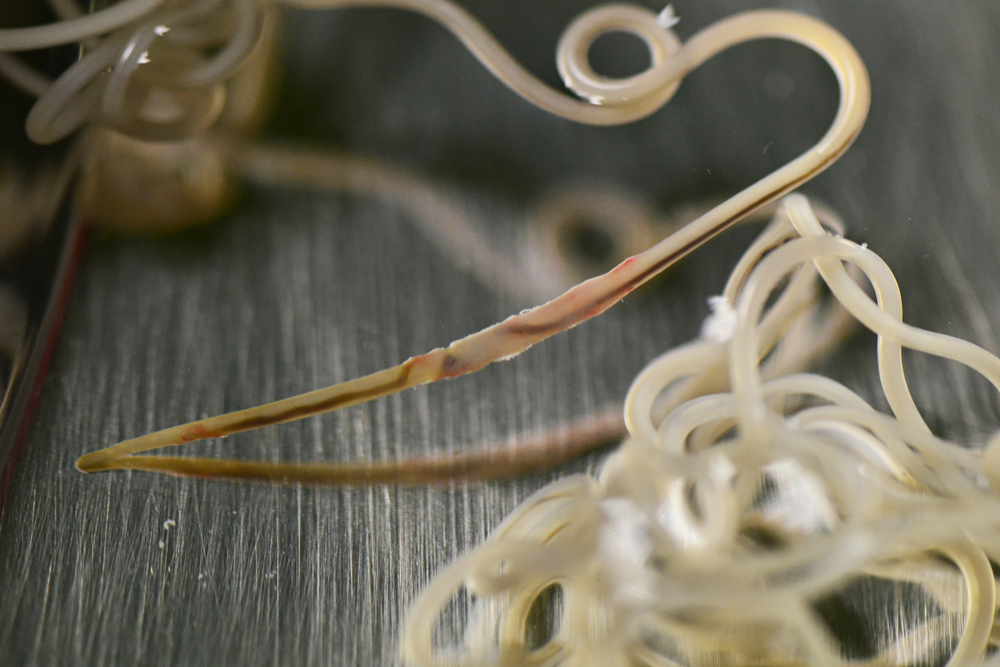
Heartworms are parasites transmitted by mosquitoes. Veterinarians have diagnosed heartworms in every state. When a dog is bitten by a mosquito infected with heartworm microfilaria, the parasite develops to its adult stage in the bloodstream before it matures into an adult heartworm living within your dog’s heart, lungs, or certain blood vessels. These worms can become a foot long, taking up valuable space in your dog’s body.
If your dog is not on heartworm prevention and becomes infected with heartworms, these parasites can live for 5 to 7 years. That’s a long time to cause damage to the heart and surrounding vessels.
Long-Term Changes From Heartworms
Heartworms can cause several significant changes and result in lifelong damage, including:
- Vascular inflammation
- Thickening of the pulmonary arteries
- Obstructive disease
Let’s dive into some of these changes. It takes six months from the time of infection for a dog to treat positive for heartworms. Before that occurs, your dog can develop changes to the blood vessels around the heart.
With exposure to heartworms, your dog’s body produces an inflammatory response within the arterial walls, known as arteritis. Over time, the blood vessels become dilated. Your veterinarian might describe the change on radiographs (X-rays) as tortuous vessels.
Because of the changes in the walls of the blood vessels, there are several possible consequences:
- Aneurysms
- Blood clots
- Even blockage of smaller vessels
The heartworms also occupy valuable space within the heart and surrounding blood vessels. They can block your dog’s normal blood flow, particularly if you have a smaller dog or one with many heartworms.
Over time, fluid can start to accumulate outside of the blood vessels, causing tissue edema. This contributes to the cough that many heartworm-positive dogs develop. It also reduces how well your dog’s lungs can oxygenate blood because the edema can reduce the effectiveness of the diffusion of cases across the blood vessels.
Unfortunately, heart failure is also possible. The worms can enlarge the heart due to their impact but can also contribute to hypertension or elevated blood pressure. This pressure increase typically affects the right side of the heart and the vena cava.
In addition to fluid accumulating in the lungs, your dog may develop fluid in its abdomen, known as ascites. This fluid can make it hard for your dog’s lungs to expand, further impacting its cardiovascular and pulmonary functions.
If your dog has a significant heartworm burden, they are at risk of caval syndrome. The blood flow through the blood vessels is blocked with this condition.
Signs associated with it include:
- Respiratory distress
- Anemia
- Liver and kidney damage
- Collapse
If you are concerned about the health and well-being of your pet, seek veterinary advice for the best course of action.
If you need to speak with a vet but can't get to one, head over to PangoVet. It's our online service where you can talk to a vet online and get the advice you need for your dog — all at an affordable price!

Treating Heartworms
In most cases, dogs should be treated for heartworms. The exception is dogs with such severe end-stage disease that treating the heartworms would likely be deadly. (In these cases, the dogs usually only have a short time left, so the goal is to maximize their comfort.)
The American Heartworm Society has guidelines for treating heartworm disease in dogs1. The most important thing when your dog has heartworms treated is to restrict its activity. As the worms die off during treatment, they decompose and break up. The fragments of the worms travel to blood vessels in the lungs, where they can act as an embolism. Typically, they are just resorbed, but the process can take several weeks to months.
When your dog is diagnosed with heartworms via a blood test, your veterinarian will generally confirm the test and recommend screening tests to check for underlying organ changes, including baseline blood work and chest radiographs (X-rays).
The most common course of treatment starts with a 28-day course of antibiotics called doxycycline. The dog is treated for a month after treatment. They then receive an injection of melarsomine. They wait another month and receive two injections of melarsomine 24 hours apart.
When your dog gets the melarsomine injections, they will be on a steroid, prednisone, to decrease inflammation. The injections are often painful, so your veterinarian may recommend pain medication and sedatives.
Heartworms are largely preventable in dogs. There are several forms prevention takes:
- Oral monthly tablets, such as Interceptor and Simparica Trio
- Proheart injections are given every 6 or 12 months
- Topical products like Advantage Multi
Your dog needs to receive these medications on a regular schedule. If you are late, your dog could be infected even by a day. Your veterinarian can help determine which is the best option for your family. Remember that many topical preventions are only flea-prevention products, not heartworm prevention, so you’ll want to ensure your dog is covered for both.

Frequently Asked Questions (FAQ)
Does heartworm disease affect a dog’s lifespan?
Heartworms can drastically decrease your dog’s life expectancy. They can cause heart and lung damage, as well as issues with other organs, such as the liver and kidneys.
Is heartworm damage reversible in dogs?
Many of the changes to your dog’s body caused by heartworms are not reversible and can cause lasting damage. Blood vessels and heart enlargement will not change even if the heartworms are gone. Medications like steroids can decrease inflammation, but not necessarily all the arteritis.

Conclusion
Heartworms are found throughout the United States and cause significant damage to our canine family members. Prevention is essential to prevent lasting damage and prevent chronic changes from occurring.
Featured Image Credit: SeventyFour, Shutterstock