America's Most Popular Dog Breed Is Also One of the Unhealthiest


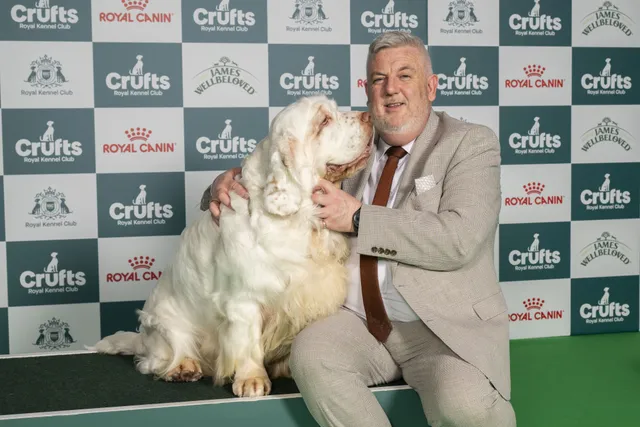
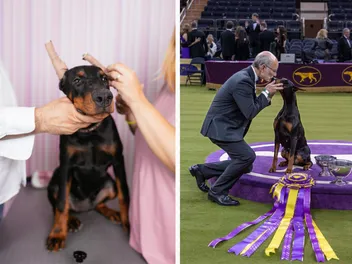
We’re now 3 for 3 in the category of disappointing canine accolades with the French Bulldog being announced as America’s most popular dog breed for the fourth year in a row. From a cropped and docked Doberman taking out the top prize at the Westminster Dog Show in February, to a Clumber Spaniel, whose eyelids were so heavily folded it could barely see its way around the arena, winning Best in Show at the Royal Kennel Club’s world famous Crufts Dog Show in March, it has been a disheartening start to the year in terms of canine welfare.
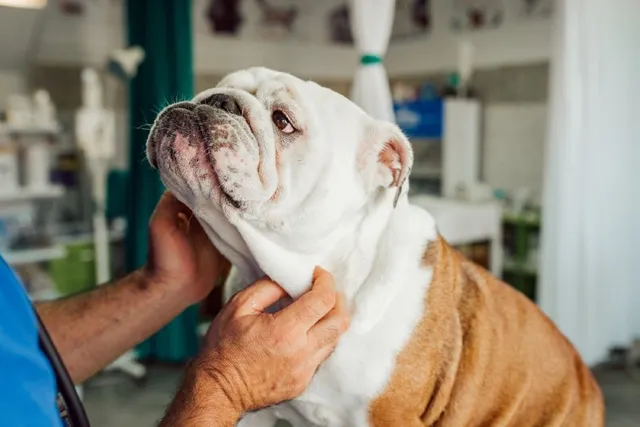
When the American Kennel Club (AKC) released their 2025 breed registration figures last month, very little had changed in the top 10 since the last time we saw the rankings, or the time before that. One notable change is that the Dachshund has knocked the Poodle from the top five this year as their popularity continues to climb, in spite of the fact that their most notable physical feature is also their greatest weakness. Thousands of spinal surgeries are performed on these elongated backs each year, with many Doxies euthanized or left permanently paralyzed as a result of intervertebral disc disease (IVDD). Similarly, Frenchies may be exceedingly cute and cuddly, but they are also notoriously plagued with health problems.


Now, please don’t misunderstand; we’re not anti-dog breed here at Dogster, but we are first and foremost, pro dog health. Whilst we strongly encourage all prospective pet parents to visit dog rescues and animal shelters as their first choice when looking for a new family member, we also support ethical dog breeding, and that is breeding in such a way that prioritizes the health and wellbeing of the animals involved. Some countries, like Norway and the Netherlands, have introduced bans on the breeding of dogs with certain features, most notably those with brachycephalic skulls, like the Pug and French Bulldog. These bans have been put in place to prevent the suffering of animals, and while it might seem like an extreme solution to the problem, it does show that animal welfare is a high priority in these countries. There are, however, ways to improve welfare without causing the extinction of breeds.
When we look at some of the more extreme examples of breed characteristics like the flat-face of the Frenchie, the long back of the Basset Hound, or skin folds of the Shar-pei, we need to remember that these dogs started out with less pronounced defining features. Over the last century, selective breeding from smaller gene pools led to the exaggeration of these features to what we see today, and as the physical characteristics of each breed changed, so did their breed standards. The trouble is that decisions about genetics, anatomy, and physiology were being made by people who, in many cases, had very little knowledge of biology or the consequences of those decisions. Fortunately, we now understand so much more. In order to preserve the breeds we love, we need to ‘de-exaggerate’ those extreme features by only breeding individuals with healthy and robust features, and petition our kennel clubs to update the breed standards to match.

Purists may look upon the longer muzzle of the lovely Frenchie above and protest that this dog must not be a pureblood, and they could be right, but more importantly, is that not a reasonable price to pay if the dog is much healthier for it? Equally, this conformation may also be achieved through judicious breeding. Just as the Pugs, French Bulldogs, Boston Terriers, etc, we see today are the result of interbreeding individuals with flatter and flatter faces, the dog above can be created by reversing that process. There will undoubtedly be those who prefer the look of a squashed face, but perhaps if they were to spend just one hour being forced to breathe through wet, folded cloth using a drinking straw, their opinions might be altered.
As the weather warms up, life is about to get tough again for these respiratorily disadvantaged canines, so if you’re thinking about adopting a new dog and have your heart set on a brachycephalic breed, take notice of their facial features and their breathing, and join the movement to Make Muzzles Long Again!
#makemuzzleslongagain
Feature Image Credit: Lined Photo, Shutterstock
Did You Know?
- Our breaking news articles are included in our weekly emails. Don't miss out on the latest and sign up for our newsletter below!
Expert dog care, straight to your inbox
News, insights, expert advice, and everything dog.

No spam — unsubscribe anytime.
By signing up, you agree to our Terms & Conditions and Privacy & Cookies Policy.
How useful was this post?
Click a star to rate. You can leave written feedback afterwards. (We read all feedback.)
Dr. Karyn Kanowski, BVSc MRCVS (Vet)
Dr. Karyn is originally from Queensland, Australia, and has resided in the UK for the past 10 years. She graduated from The University of Queensland School of Veterinary Science in 2010, and also holds a Bachelor’s degree in Zoology. Karyn is passionate about using experience, evidence, and working with pet owners to provide the best solutions for pets. She also believes in making reliable information about animal health accessible to everyone. 5 cats and 4 dogs let her share their home with her and her husband, and when she is not practising as a veterinary surgeon, she spends her time writing, gardening, and cleaning up pet hair!