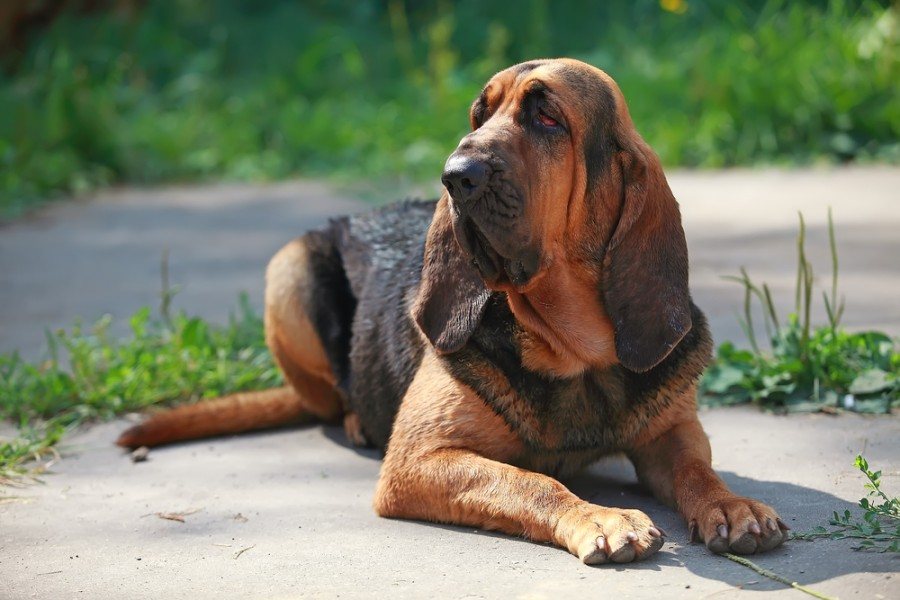
Get ready for a fun and fact-filled journey with one of the most distinctive dog breeds out there—the Bloodhound! With their long and droopy ears, expressive eyes, and powerful sniffing abilities, Bloodhounds have certainly etched their mark in the annals of canine history.
Whether you’re a seasoned Bloodhound owner or someone simply fascinated by dog breeds, this article is set to reveal the most remarkable facts about these gentle giants. We promise, by the end, you’ll be even more in love with these adorable creatures.

The 15 Bloodhound Facts
1. The Bloodhound’s Sniffing Abilities Are Unmatched
Bloodhounds are celebrated worldwide for their unrivaled sense of smell. A Bloodhound’s nose can lead them on an unerring path, even over great distances. This extraordinary sniffing capacity is due to approximately 230 million olfactory cells in their nose, compared to a human’s mere 5 million.
This breed can follow a scent trail that is over 300 hours old. They meticulously use each breath to sample the environment, distinguishing individual scents amidst a myriad of others. This “superpower” has earned them the reputation of being the best trailing dogs, making them indispensable in search and rescue missions or in tracking down criminals.

2. Bloodhounds are an Ancient Breed
Bloodhounds aren’t just your everyday dogs; they come with a rich historical lineage. They are an ancient breed, dating back over a thousand years. Their ancestry can be traced back to the St. Hubert Hound, a breed cultivated by monks in Belgium around the 8th century. They were highly valued and considered noble dogs, even kept and bred by royal households.
These regal dogs have undergone centuries of selective breeding to perfect their scenting abilities and gentle demeanor. Art and literature of various eras often depict Bloodhounds, indicating their prestige and popularity through the ages. Their enduring existence is a testament to their exceptional characteristics and enduring appeal.
3. They Have a Unique Appearance
Bloodhounds are instantly recognizable due to their distinctive appearance. Their most striking feature, their long ears, aren’t just for show; they actually help funnel scent particles to the dog’s nose, enhancing their tracking abilities.
They possess a sturdy and powerful build, suitable for enduring long hours of tracking. Their expressive eyes, usually in shades of hazel or brown, are deeply set and evoke a gentle, somewhat melancholic expression.
Despite their somewhat clumsy, lumbering appearance, Bloodhounds are capable of great speed and endurance. They are built for the long haul, not for sprinting. This endurance, combined with their relentless tracking instinct, makes them a formidable breed for trailing.

4. Bloodhounds Require Regular Exercise
While Bloodhounds may seem content to laze around the house, they are a breed that needs regular exercise to stay healthy and happy. Their ideal exercise involves following a scent trail, which keeps them mentally stimulated. However, regular walks and playtime can also keep them fit and satisfied.
Without sufficient exercise, Bloodhounds can become bored and resort to destructive behavior. Their large size and strength can make such behavior difficult to manage. Regular exercise also helps prevent obesity, a condition to which Bloodhounds are prone.
5. They Are Very Friendly Dogs
Despite their size and somewhat imposing appearance, Bloodhounds are very friendly dogs. They get along well with adults, children, and other pets. They are known for their gentle, patient, and tolerant nature. Their friendly disposition, however, does not make them good guard dogs. A Bloodhound is more likely to greet a stranger with a wagging tail than with a protective stance.
However, their size and strength mean that interactions with young children should be supervised to prevent accidental injury. Bloodhounds are also known to be stubborn, and early socialization and consistent, positive reinforcement training methods are important to shape them into well-behaved and sociable pets.

6. Bloodhounds Are Vocal
Bloodhounds are known for their unique vocalizations. They possess a deep, resonant bark, and they are not shy about using it. They will often “speak” to express a range of emotions or needs. However, one of the most charming and amusing vocalizations of a Bloodhound is their famous “baying” sound.
This melodious, prolonged howl can be heard over long distances and was historically used to alert hunters about the dog’s location during a hunt. Despite their usual easy-going demeanor, Bloodhounds can be quite noisy, making them less suitable for noise-sensitive environments.
7. They Have Been Featured in Pop Culture
Bloodhounds have a significant presence in popular culture. Given their distinctive appearance and scenting prowess, they have been featured in various movies, television shows, books, and even video games. One of the most iconic Bloodhounds in literature is the character of Trusty in Disney’s Lady and the Tramp. In Warner Bros’ Looney Tunes, the Bloodhound character named Barnyard Dawg often appears. These portrayals in pop culture have further cemented the Bloodhound’s status as an endearing and recognized breed.
8. Bloodhounds Have a Long Lifespan for Large Dogs
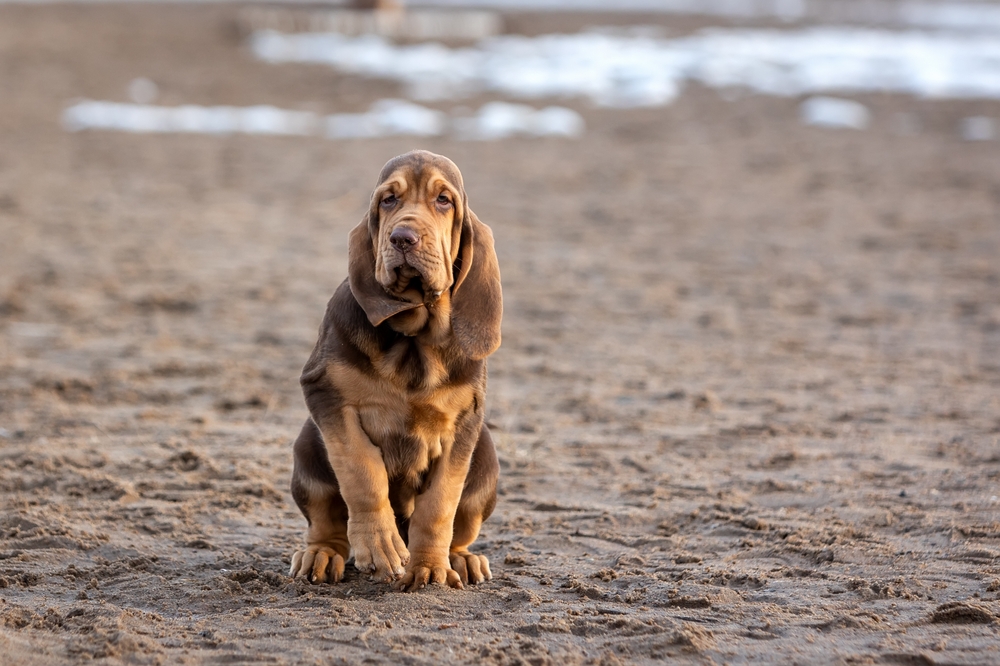
Bloodhounds, with their charming, saggy faces and large frames, are impressive not only for their famous tracking skills but also for their fairly long lives, especially when you take into account that they’re a large dog breed. They tend to keep us company for about 10 to 12 years on average. This is a pretty decent lifespan, considering that big dogs usually don’t live as long as the little guys.
However, that doesn’t mean they’re immune to health issues—no breed is. These lovable hounds can face their share of genetic health troubles. From hip and elbow dysplasia, which are common in many large breeds, to eye problems, and the scary-sounding bloat (a serious issue that can affect deep-chested dogs), Bloodhounds have their fair share of health concerns to watch out for.
9. They Love to Chew
Bloodhounds, especially when they are puppies, love to chew. This breed continues to enjoy chewing well into adulthood. Providing them with safe and durable chew toys can protect your furniture and shoes from their powerful jaws. Chewing also contributes to dental health by helping to keep their teeth clean. However, it’s essential to supervise your Bloodhound during chew time to ensure they don’t accidentally ingest non-edible parts.

10. Bloodhounds Have Exceptional Stamina
Bloodhounds have incredible stamina and endurance. They were bred for endurance, trailing scents over long distances and for extended periods. This makes them excellent hiking or jogging companions. However, due to their very sensitive noses, it’s important to always keep your Bloodhound leashed when exercising or walking outside in unsecured areas. They can easily get on a scent trail and become oblivious to their surroundings.
11. Bloodhounds Can Grow White Fur
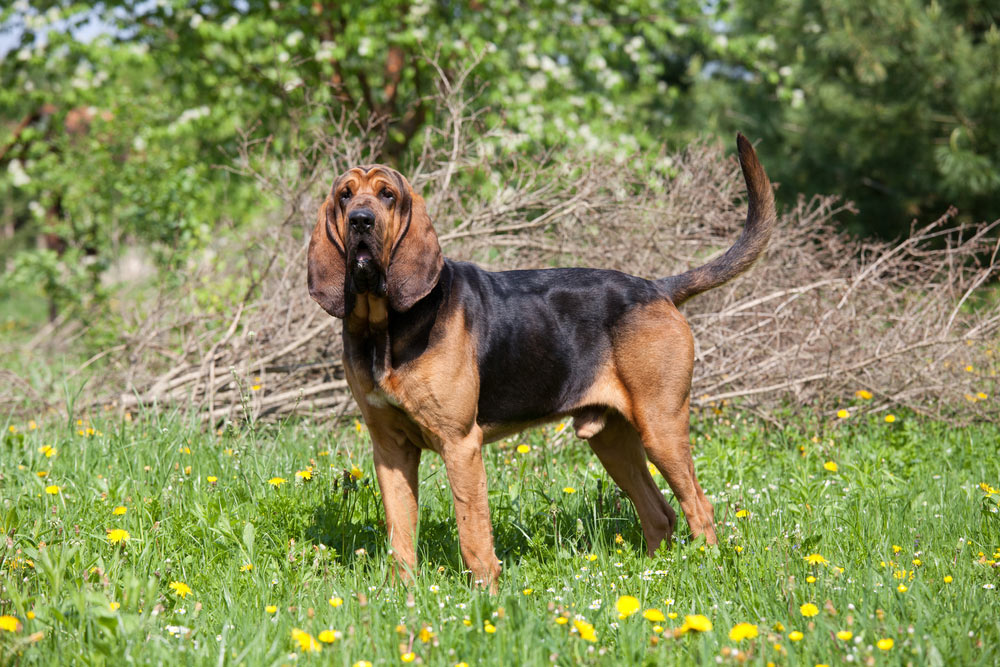
Despite their typical liver and tan or black and tan coat colors, Bloodhounds can also grow white fur on specific body parts, such as their chest, feet, and tail. This variety adds to their distinctive appearance.
It’s important to note, though, that the color or pattern of a Bloodhound’s coat has no impact on their scenting abilities or overall health. So, whether they have white patches or not, they are still the same great companions and exceptional scent trackers.

12. Their Droopy Features Serve a Purpose
Bloodhounds are easily recognizable for their droopy eyes, loose skin, and floppy ears. But did you know these characteristics aren’t just about aesthetics? These physical features serve a functional purpose, aiding the Bloodhound’s legendary tracking abilities.
Their long ears, for example, help to waft scent particles toward their nose, enhancing their ability to pick up and follow scent trails. Their loose, wrinkled skin helps to trap scent particles as they follow a trail, further aiding in their tracking endeavors.
13. They Require Regular Exercise
The Bloodhound is a breed that thrives with regular exercise. On average, they require 20–40 minutes of exercise a day. This could be a long walk, a vigorous game in the backyard, or a good run in a safe, enclosed space. They are also great companions for hikes or jogs. The exercise not only keeps them physically fit but also mentally stimulated, especially when they get a chance to follow interesting scent trails.
14. Bloodhounds Do Shed
In response to the question, “Do Bloodhounds shed?” The answer is a definitive yes. Some Bloodhounds shed once a year, others twice a year, while some seem to shed all year round. Due to their moderate-to-high shedding, regular grooming is essential for this breed. A weekly brush can help control shedding and keep their coat healthy. Despite the shedding, their coat is relatively easy to care for, requiring no fancy trimming or complex grooming routines.
15. Bloodhounds Love to Cuddle
Despite their sometimes formidable appearance, Bloodhounds are actually very gentle and love to cuddle. They are known to be affectionate with their families and enjoy the warmth and comfort of a good snuggle. They may be a large breed, but in their minds, they’re just the right size for a cuddle on the couch or bed.

In Summary
Through these interesting facts, we’ve traveled a journey that charts the Bloodhounds’ phenomenal sense of smell, noble history, unique appearance, exercise needs, and friendly disposition. Whether it’s their unparalleled scent-tracking abilities or their affable nature, Bloodhounds have shown us why they have been cherished companions for centuries.
- See also: How to Train a Bloodhound: Crucial Tips
Featured Image Credit: Degtyaryov Andrey, Shutterstock
 The 15 Bloodhound Facts