Are Poodles Good With Kids? Vet-Approved Family Dog Guide


In this article
When you're considering adding a new puppy to the family, it can be impossible to know which breed will seamlessly complement your lifestyle, especially if you have kids.
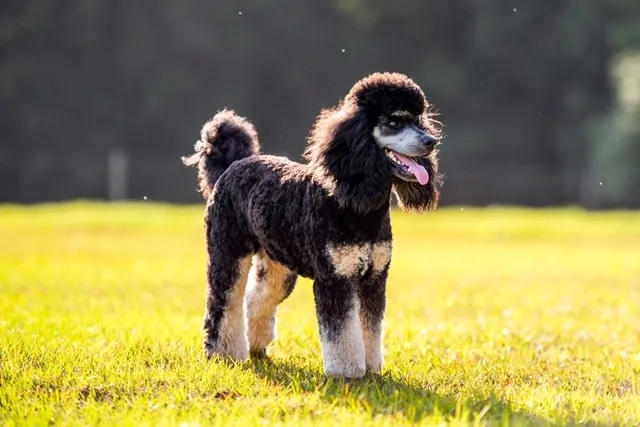
Poodles are one of America's most beloved dogs, ranking number five on the American Kennel Club's list of most popular dog breeds in 2023.1 It's certainly not hard to see why they're so well-liked given their playful, friendly, fun, and lively temperament. But are these former water-hunting dogs a good fit for homes with children?
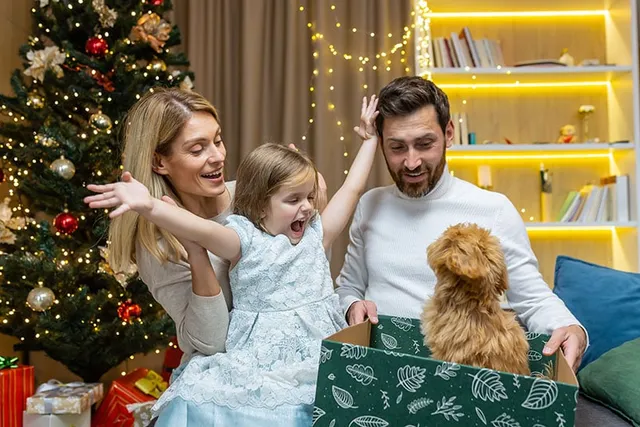
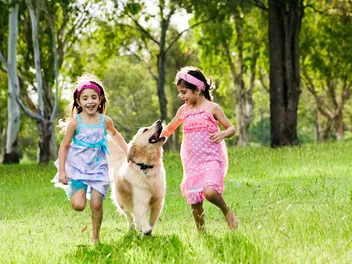
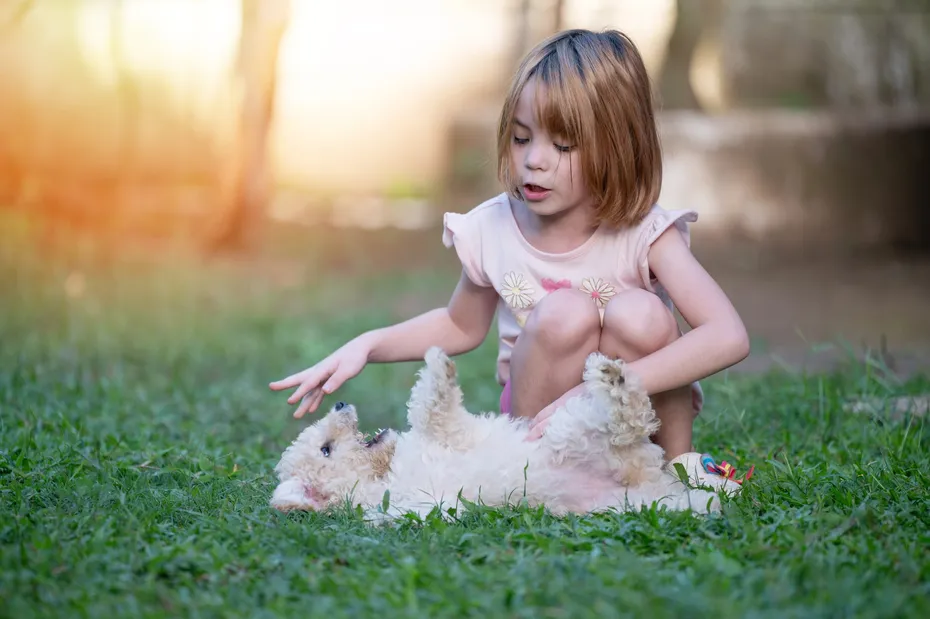
Poodles are generally fantastic with children, especially if they've been socialized during the early stages of their development. However, their suitability for your family may depend upon the age of your children and the size of the Poodle. Read on to learn more.

What Makes Poodles Great for Kids?
They Have a Great Personality
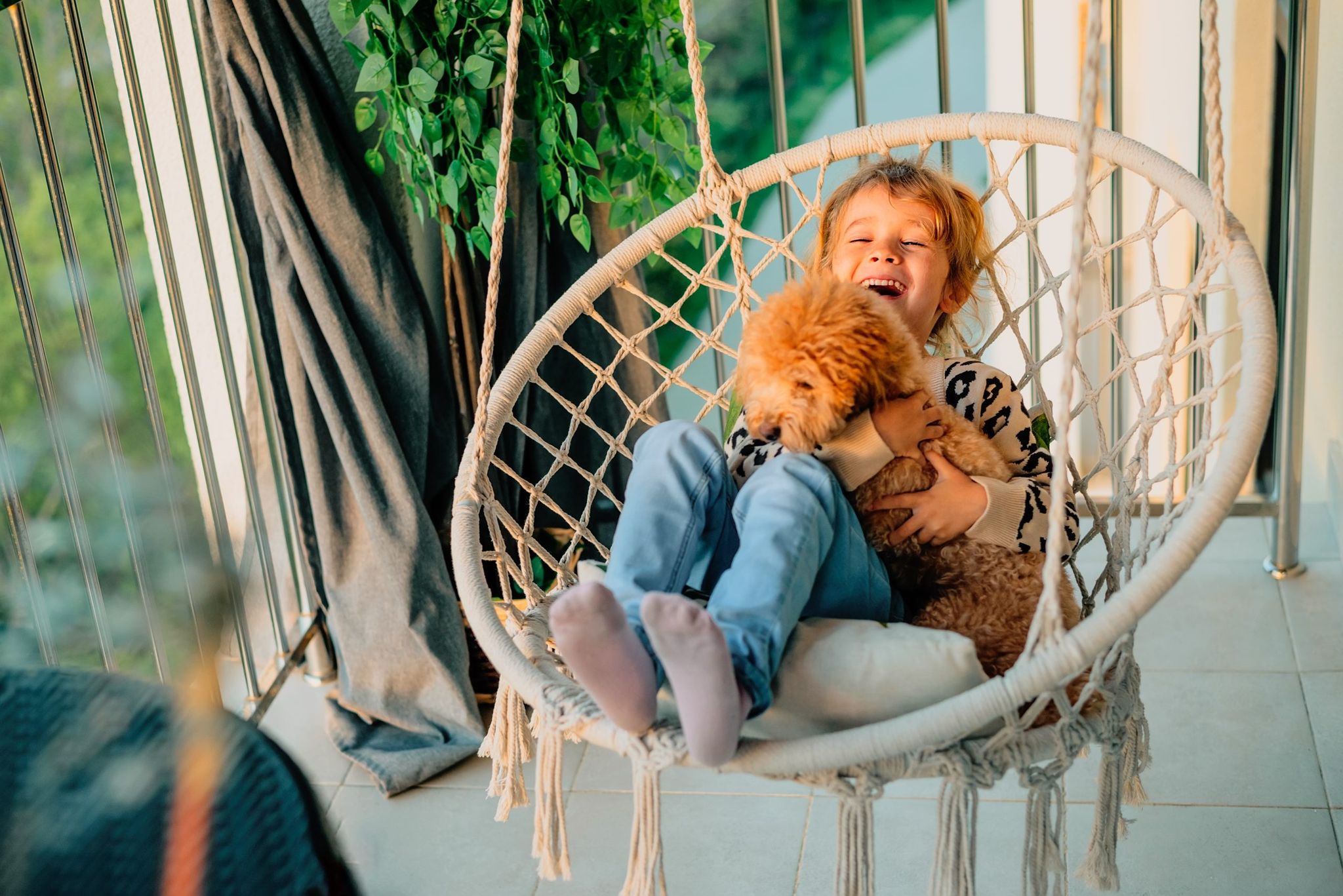
Poodles are generally goofy and entertaining, providing infinite smiles for their human caretakers. They tend to be very gentle and confident. The Poodles' bursts of energy, friendly temperament, and loyal nature make them wonderful companions for children and adults alike.
It is important to note, however, that Poodle size can affect temperament a little bit. We'll touch more on this later.
They're High Intelligence
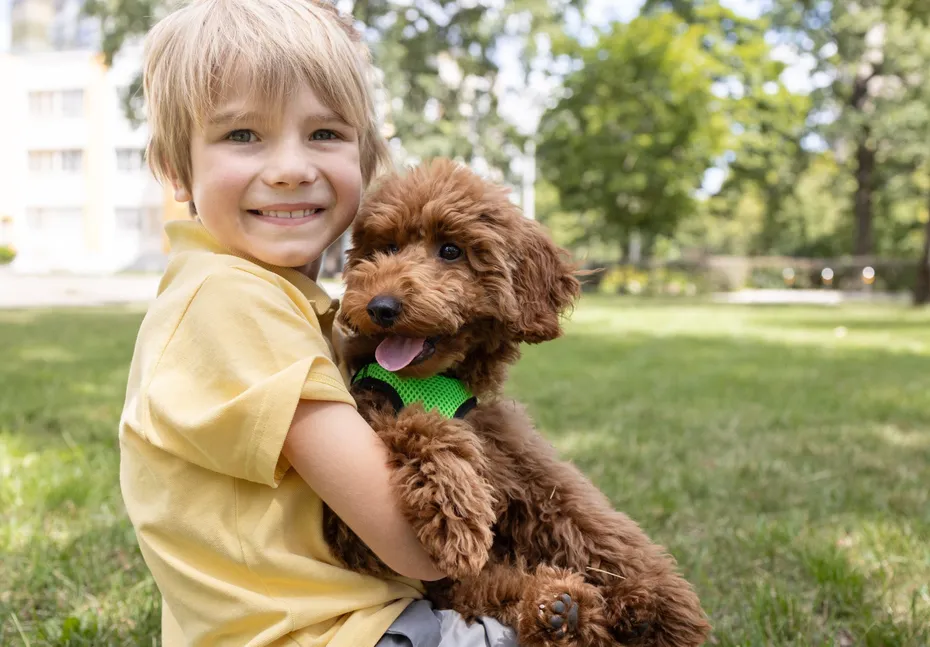
Poodles are brilliant dogs, coming in second place on the list of the most intelligent dog breeds. This means that they typically catch onto new commands after fewer than five repetitions and will obey the first command 95% of the time or better. This high intelligence lends itself well to families as Poodles will learn quickly what behaviors you want them to do and which you don't want them to do. Additionally, they're naturally eager to please, which can make training a breeze.
They Make Good Watchdogs
Poodles of any size can be fabulous for families as they make good watchdogs that will alert their families. However, they don't make excellent guard dogs due to their naturally friendly and sociable nature. They can certainly exhibit protective behaviors toward their families and their property, though. And, yes, this also applies to Toy Poodles, who don't let their small stature hold them back from protecting their humans.

What Makes Poodles Unsuitable for Kids?
Stubborn
As mentioned above, Poodles are smart dogs, but this high intelligence can also make them stubborn and aloof. They're often described as being "too smart for their own good." While adults can understand why their dog is being stubborn and know how to deal with it, small children may not have the capacity to understand such behaviors. This can make your kids frustrated with their pets if their Poodle is not cooperating the way they expect them to.
High Strung
Miniature and Toy Poodles can be more highly strung, potentially making them more prone to nervousness and excitability which can lead to snappiness. This is especially true of younger Poodles of any size, as they're prone to be mouthy for the first year or so of their lives. They will require consistent work and training to shape them into well-rounded dogs.

Poodle Sizing
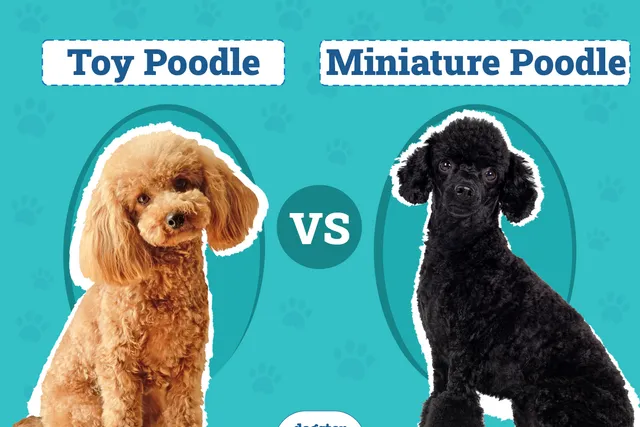
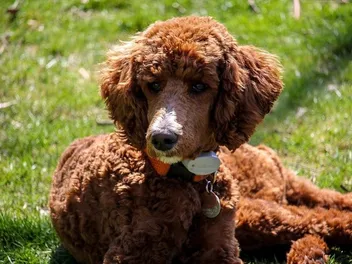
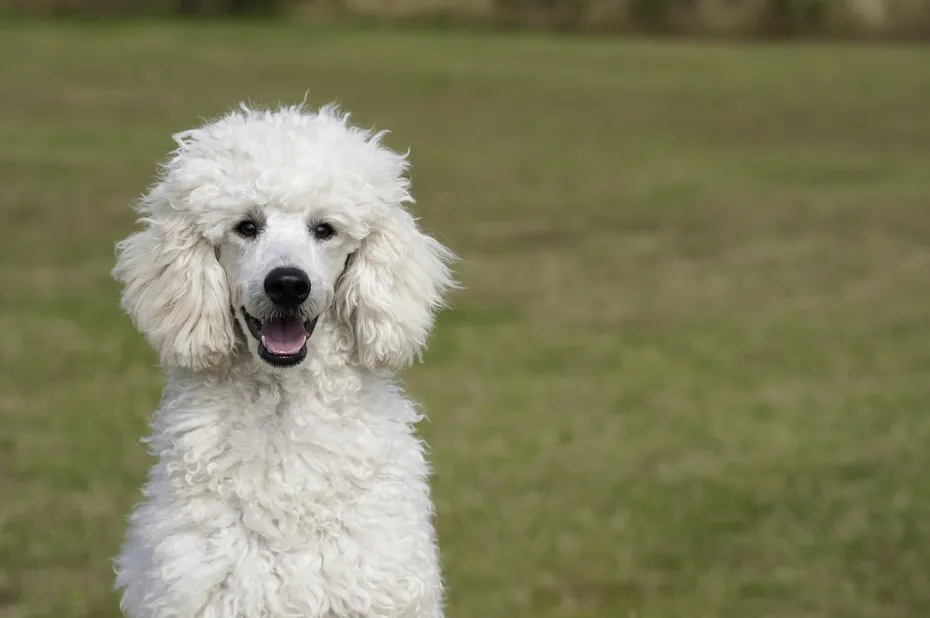
Poodles come in three sizes. This is important to be familiar with as you begin searching for the right pup to adopt, as not all three sizes will be appropriate for all children’s age ranges.
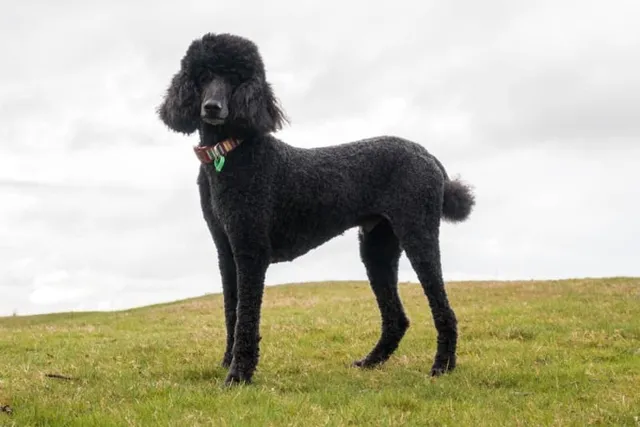
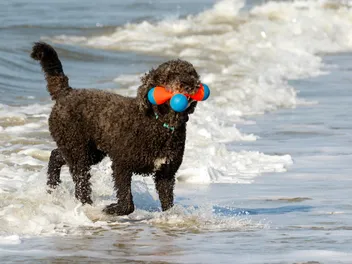
Standard Poodle
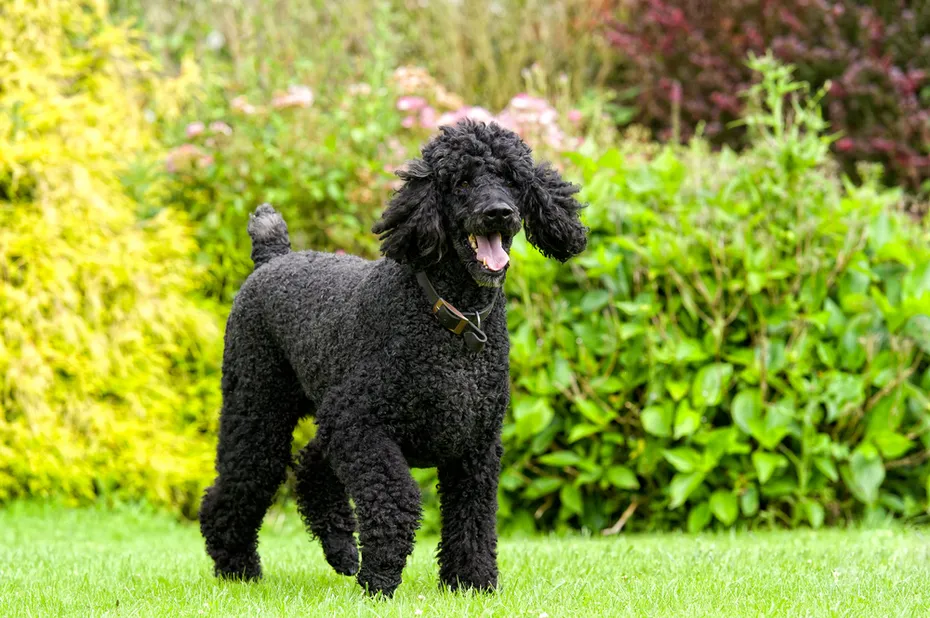
| Weight Range: | 44–71 pounds |
| Height Range: | 15–24 inches |
Standard Poodles have a kind and friendly personality, but they have a lot of energy and require regular exercise and training. Owners should expect to commit to one to two hours of exercise daily. They make excellent walking, running, and hiking companions and enjoy a good swimming session, too. They're intelligent, attentive, and sensitive to their humans' body language and expressions.
Standard Poodles are, however, big dogs. They can be exuberant in their activity, jumping and bounding about, especially when they're younger. This rowdiness may make them inappropriate for households with really young children. Their excitability may lead to accidental injuries if they knock your child over in a fit of excitement, so socialization is key so that your Poodle learns manners.
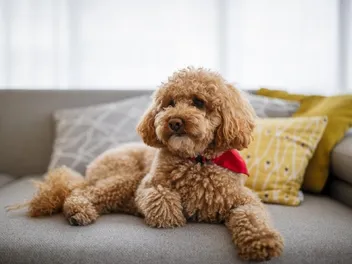
Miniature Poodle
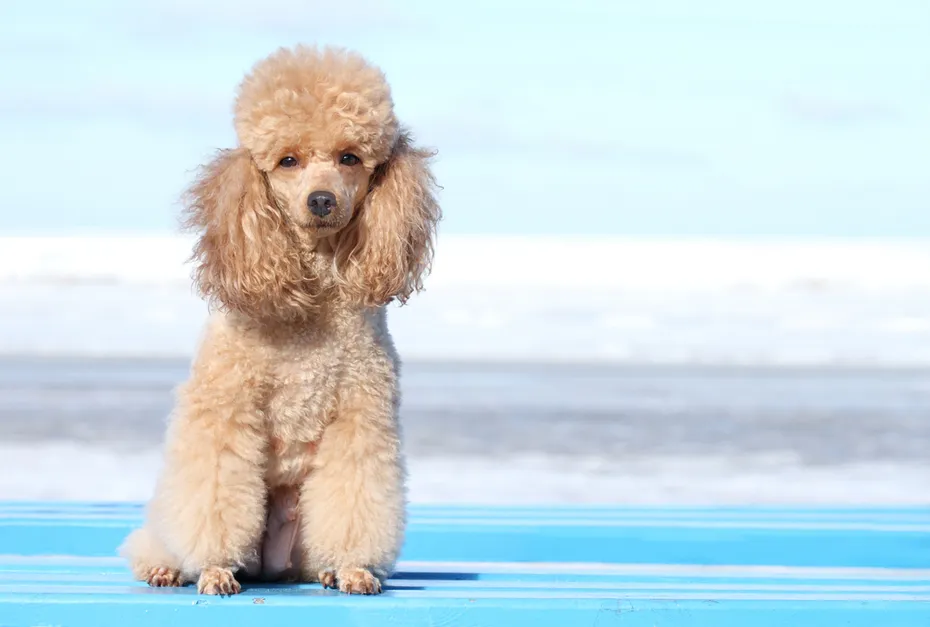
| Weight Range: | 10-20 pounds |
| Height Range: | 10–15 inches |
Miniature Poodles offer families a happy medium in both size and temperament. They are much more "conveniently" sized than their Standard counterparts, making them ideal for apartments or smaller spaces. However, they do tend to bark more than Standard Poodles, but this can be addressed through proper training.
Miniature Poodles are less exuberant than Standards, but they still genuinely enjoy being active and playful. They'll need around 30 to 60 minutes of daily exercise. They won't make fantastic hiking partners, but they'll gladly join you and the kids for a walk and enjoy playing fetch and participating in obstacle courses.
Miniature Poodles aren't tiny dogs, so they're less fragile than their toy counterparts. However, that doesn't mean they'll put up with rough play that some children may partake in.
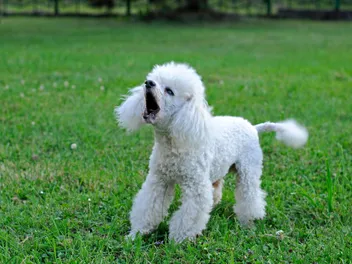
Toy Poodle
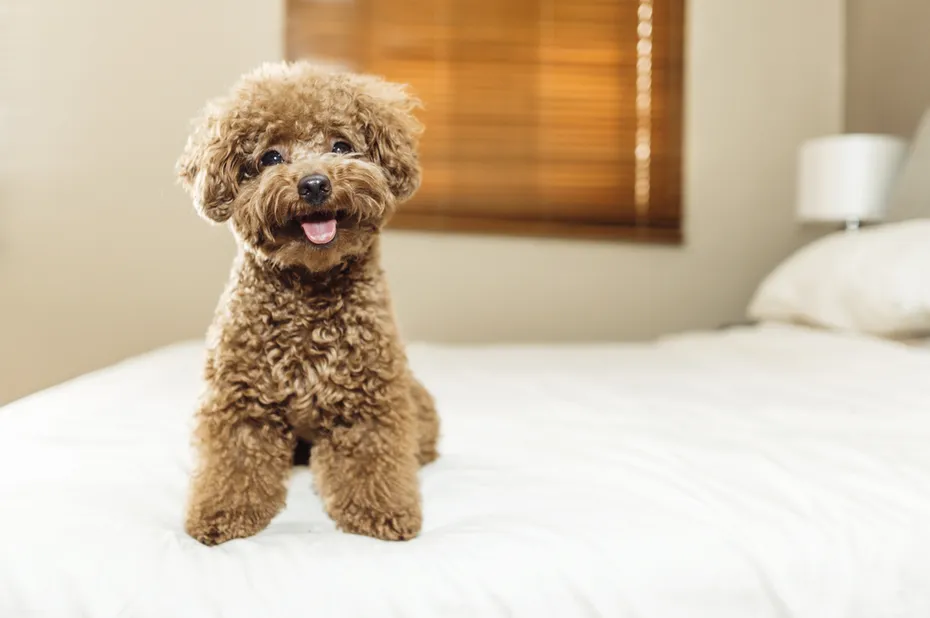
| Weight Range: | 4–10 pounds |
| Height Range: | 5–10 inches |
Toy Poodles share many of the same personality traits as their Miniature and Standard versions, but they may be more standoffish, which may make them more prone to nippiness, especially around children who don't yet understand (or respect) boundaries.
Don't let their small size fool you; Toy Poodles still need up to 45 minutes of daily exercise and mental stimulation. Activities will be more laid-back and can include things like walking, playing fetch, and swimming.
Small dogs, in general, can develop feelings of jealousy or exhibit attention-seeking behaviors like begging. Like their Miniature counterparts, these pups may be prone to barking. Of course, these issues can be avoided with proper parenting, training, and socialization.
Toy Poodles are tiny dogs, which may make them inappropriate for homes with children who are not yet old enough to understand how to handle their pets. Their small size makes them quite vulnerable, and even something like being dropped from a short height can severely injure them.

What Size Is Right for My Family?
Since the Poodle temperament is more or less the same between sizes, your decision about which type to adopt will come down to which size fits your needs best. You should take into account your children's age and maturity level as well as your family's lifestyle and dwelling.
Ask yourself the following questions before adopting a Poodle of any size:
- How much time do I have to commit to exercising my dog every day?
- How old are my children?
- How mature are my children?
- Is my living situation more suitable for larger, highly active dogs or smaller, less active pups?
- What activities do I look forward to doing with my dog?
Standard Poodles are ideal for families with large yards and a reasonably active lifestyle. They thrive in environments where they can spend a lot of time outside being physically active. Their larger size makes them much less vulnerable to injuries than their smaller counterparts, but they are still at risk of hurting small children due to their size.
Miniature Poodles are great for families who genuinely enjoy being together. They don't necessarily need a big backyard to play in, though they still do love being outside. Because they're considered a small breed, they generally won't do much damage if they get a little over-exuberant during playtimes with your kids.
Toy Poodles are more suitable for less active homes, but don't let that fool you into thinking they don't need any exercise at all. They're still active, though the activity they need is far less demanding than that of their Standard Poodle counterparts. They can fit in just fine with families that live in apartments. However, they may be less suitable for homes with small children due to their fragility and potential tendency to nip.
Final Thoughts
Poodles, regardless of size, can make great family pets. They're brilliant, loyal, affectionate, and genuinely fun, all traits that make them excellent for homes with children.
However, it is essential to realize that not every Poodle size will be suitable for every family. If your kids are young, we recommend waiting until they're a bit older and more responsible before adopting a fragile Toy Poodle. The same applies to Standard Poodles, whose size could cause unintentional injuries to young children.
We can't tell you which Poodle size will be best for you, but we hope this has shed some light on the essential things potential owners need to consider before welcoming a Poodle into their family.
Featured Image Credit: Streltsova Anna, Shutterstock
Expert dog care, straight to your inbox
News, insights, expert advice, and everything dog.

No spam — unsubscribe anytime.
By signing up, you agree to our Terms & Conditions and Privacy & Cookies Policy.
How useful was this post?
Click a star to rate. You can leave written feedback afterwards. (We read all feedback.)
Chantelle is passionate about two things in her life – writing and animals. She grew up on the prairies of Canada surrounded by animals and as an adult, she choose to share her home with five cats, two guinea pigs, and a bearded dragon. Chantelle, her husband, and their child take great pride in being great animal parents- the ones who spend a thousand dollars on wall-mounted cat shelves so that their cats can have an indoor jungle gym all year round. When Chantelle isn’t snuggling her cats on the couch or taking pictures of them being funny, she’s outside exploring in the Rocky Mountains, binging the same shows on Netflix over and over, and reading about whatever random topic pops into her brain.