Get

In Your Inbox

Dogster is reader-supported. When you buy via links on our site, we may earn an affiliate commission at no cost to you. Learn more.

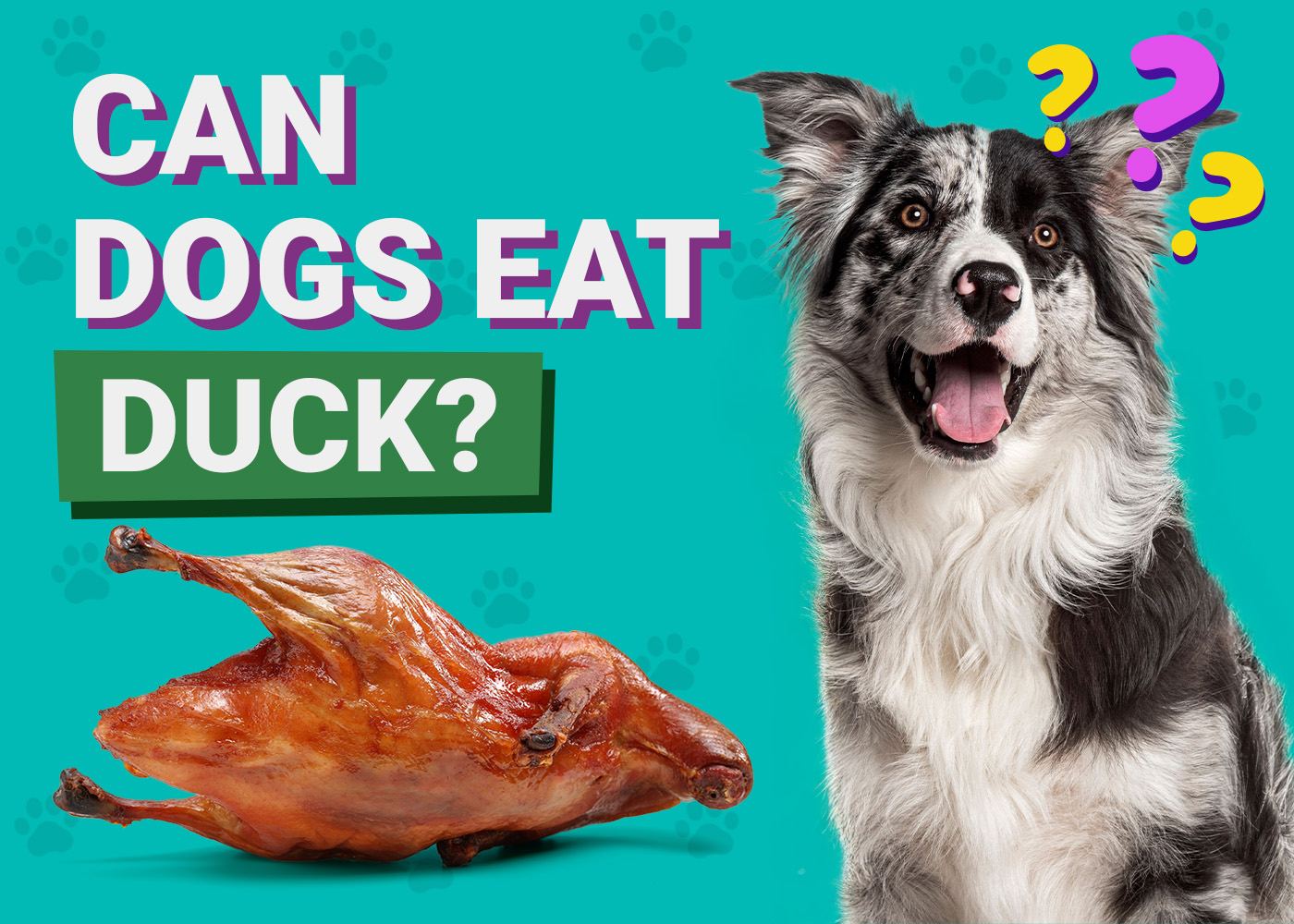
Can Dogs Eat Duck? Vet-Verified Health Benefits

Share

Can Dogs Eat_Duck

It’s hard to resist when your dog is begging for a scrap or two from your dinner plate. But before giving your pet any people food, you should be sure that it’s safe to do so. Some human foods are okay to give your dog as an occasional treat, but others are harmful and sometimes toxic.

What about duck? Can dogs eat it, and is it safe? Dogs can eat duck, though it needs to be prepared properly! Duck isn’t a common ingredient in dog food, but it provides several nutritional benefits, and a few high-end pet food producers include it in their formulas. Here’s everything you should know before feeding duck to your dog.

divider dog paws 4 oct 2024

Health Benefits of Duck for Canines

Duck is an excellent source of protein, vitamins, and minerals. It’s also ideal for dogs with food allergies.1 The most common food allergy in canines is protein sources, such as beef and chicken, which can make finding suitable dog food for pups with food allergies a challenge. However, duck isn’t a protein source our four-legged friends are often allergic to, so it’s a much safer option.

What else can duck offer your pet?2 Well, it is an excellent source of lean protein, low in saturated fat, and more easily digested. It has fewer calories than chicken or beef, less fat, and a reduced risk of an upset stomach.

Duck also provides your pup with essential vitamins and minerals. It’s high in iron and calcium and contains quite a bit of selenium (which supports the thyroid) and phosphorus (required for healthy teeth and bones). Plus, it has plenty of B vitamins, which help convert carbs and fat to energy, so your pup can play all day. The vitamins also aid in keeping red blood cells working as they should.

Finally, duck meat contains several beneficial amino acids and antioxidants. Amino acids keep muscles strong, while omega-3 fatty acids help your dog’s coat and skin stay healthy. Antioxidants, such as zinc, boost your pet’s immune system, resulting in a healthier pup.

So, duck has a lot to offer your favorite canine companion! And there’s not much risk when serving the meat to your pup—at least, as long as you prepare it correctly.

close up of a dog eating from the bowl
Image Credit: Dmytro Zinkevych, Shutterstock

How to Feed Duck to Your Dog

To ensure your dog’s safety when serving duck, you must ensure it has been safely prepared. You must cook it thoroughly since raw duck can contain bacteria, such as salmonella or E. coli, that will make your dog incredibly ill. Plus, uncooked meat is more difficult to digest than cooked meat. Although seasoning appeals to humans, it’s also best to keep your dog’s portion plain.

Then, there’s the issue of duck bones. The bones can splinter, snap, or fragment while your pup is chewing them. The pieces can result in blockages in the gastrointestinal system or cut up your pet’s throat, mouth, tongue, and intestines! So, removing the bones before serving the meat to your pup is vital.

Finally, don’t overdo it when you feed your dog duck. Duck might provide nutrients your pet needs, but it’s still a treat. So, stick with the 10% rule (treats for dogs should only make up 10% of their diets) when feeding your pet a piece of duck meat.

If you think your dog might be better off eating duck as the primary protein instead of chicken or beef, and your vet agrees, you can find dog foods with duck that provide all the nutrition your pet needs.3

If you need to speak with a vet but can't get to one, head over to PangoVet. It's our online service where you can talk to a vet online and get the advice you need for your pet — all at an affordable price!

PangoVet_Mention-in-Content Savings V1

divider dog paws 4 oct 2024

Final Thoughts

Feeding your dog a piece of cooked duck occasionally is perfectly safe and provides them with a tasty, nutritional treat. Duck meat contains protein, minerals, vitamins, and amino acids that benefit your pup. Plus, it is a fabulous alternate protein source for dogs with food allergies!

However, only feed your pet pieces of duck cooked without seasoning, and avoid letting them chew on the duck bones. Raw duck can make your dog sick since it can contain harmful bacteria, while duck bones run the risk of splintering and causing damage to your dog’s mouth, throat, and gastrointestinal system. But as long as the duck is cooked plain and given sparingly, your dog can safely enjoy the yummy treat!

See also:


Featured Image Credit: Kit Leong, Shutterstock

Want content like this delivered to you?

Sign Up For Our Newsletter

News, insights, expert advice, and everything dog

* By submitting, you agree to our Terms & Conditions and Privacy & Cookies Policy.



How useful was this post?

Click on a star to rate (you can leave written feedback after clicking submit)

Help us improve Dogster for pet parents!

Your feedback really matters.

What did you like about this post? Also how can we improve it?

Join the conversation

Leave a Reply

You’re very welcome to leave a comment or question. Please know that all comments must meet our community guidelines, and your email address will NOT be published. Let’s have a positive and constructive conversation.


Dogster's Digital Magazine is Back!​

Dogster Magazine Cover June 2026

Vet-approved health & behavior advice

Real dog stories & community features

The Organization Helping Pets Feel Safer, Happier, and ‘Fear Free’ – Heroes of the Pet World

For many pet owners, stress during veterinary visits, grooming appointments, travel, or even routine handling can feel like an unavoidable part of life...

Why Some Dogs Treat Mealtime Like Playtime – And When to Pay Attention

Most dogs are reliable eaters. Bowl goes down, food disappears. So when a dog starts batting kibble across the kitchen floor, tossing pieces...

Major Win for Dogs: Ontario Becomes the Final Province to Ban Ear Cropping and Debarking

​​Ontario has approved new animal welfare regulations that will prohibit elective ear cropping and devocalization (debarking) procedures in dogs from January 1, 2027....

Dogster’s Weekly Photo Contest Winners: Most Adorable Puppy (June 8, 2026)

Every week our team gets the privilege of sorting through our readers photos to choose what dogs will win this weeks contest! See...

More related

Mastitis in Dogs: Our Vet Explains the Causes, Signs, Diagnosis & Treatment

A dog’s mammary glands function to produce milk to nurture her offspring. Dogs usually have five pairs of mammary glands along their belly...

Dogster Photo Contest: Dogs of the Week Winners (November 1, 2024)

This Week’s Winner Cutest Most Dignified Most Expressive Sleepiest Enter Your Dog Submit your doggie for a chance to be featured! Click here...

Can I Give My Dog Aspirin for Arthritis? Vet-Reviewed Safety Guide

If you’ve recently found out your dog has arthritis or you suspect this condition in your dog, you may be wondering how you...

What Is a Normal Dog Respiration Rate? Vet-Reviewed Facts

Dogs can have a very wide range of respiration rates. Some dogs sleep so deeply that they can look dead because their respiration...

Keep reading

5 Vet-Approved Carob Dog Treat Recipes to Make at Home

You know chocolate is toxic to canines, so giving it to your pup is out of the question. But sometimes those begging eyes are so hard to resist! However, while you can’t feed your dog real chocolate, you can feed...

Carob chocolates for dogs

Can Dogs Eat Relish? Vet-Reviewed Facts & FAQ

Most dogs are not picky when it comes to what they are eating. They’ll scarf down almost anything that a human companion offers them, and they love rummaging through the garbage for scraps or snatching a piece of food found...

Can Dogs Eat Relish

Can Dogs Eat Jam? Vet-Reviewed Potential Health Risks

Perhaps your furry friend got into a jar of this sweet spread, which is why you’re wondering if jam is safe for dogs to eat. If jam is safe for humans, can dogs also eat this thick, sugary food? The...

Can Dogs Eat_Jam

Can Dogs Eat Turkey Necks? Vet-Verified Nutrition Facts & FAQ

Unless you’re using the turkey neck in a tasty gravy, stock, or soup, many of us can’t think of anywhere else to put them besides the trash. It might seem wasteful, but if giblets aren’t your specialty, what’s the point...

Can Dogs Eat Turkey Necks

Can Dogs Eat Walnuts? Vet-Verified Facts & Safety Tips

Dogs can eat many foods that humans eat, and you can enjoy sharing a variety of snacks with your dog. However, in most cases, dogs should refrain from eating nuts and seeds, including walnuts. While walnuts in themselves aren’t toxic...

Can Dogs Eat Walnuts

9 Best Dog Foods for a Yorkie Poo in 2026 – Reviews & Top Picks

If you are the lucky owner of a Yorkie Poo, you are familiar with how such a large personality can come in a tiny package. There is no doubt you will be in search of the best dog food to...

Brown Yorkie Poo standing in the grass

Can Dogs Eat Bugs? What the Science Says

Any dog owner has probably seen their dog eat a bug here and there, as dogs love to snoop and sniff outdoors. Dogs are curious beings and love to investigate the world around them, which can mean playing with a...

Can Dogs Eat_bugs

Can Dogs Eat Pickles? Vet-Verified Nutrition Facts & FAQ

If your dog is begging for a taste of a pickle, it can be tempting to give in to your pup’s adorable charms. But don’t unscrew the lid of your jar just yet—although pickles are not often toxic to dogs,...

Can Dogs Eat_Pickles

Love Dogs? So Do We! Join the Dogster Community

Stay informed with expert pet care insights delivered straight to your inbox! Discover professional guidance on animal behavior, feeding tips, trusted product picks, and much more.


Sign up for the Dogster Email Newsletter