How To Keep A House Clean With Dogs: 10 Tips To Consider


While there are many joys to living with dogs, there are some extra chores and responsibilities that come with taking care of them. It's challenging for dog owners to keep their homes tidy due to the additional messes that dogs can bring, including shedding, mud tracks, and drool.
Maintaining a clean house with dogs can be overwhelming, but if you approach it strategically, you can cut down the amount of time you spend on cleaning. Our tips and tricks will help make cleaning your house faster and easier.

Our Favorite Pet Products
If you're looking for an effective yet gentle set of products, here are a few of our favorites. Hepper aims to eliminate odors at the source and get your pup smelling fresh the first time. Their versatile line is all-natural, lightly scented, and geared towards cats and dogs, perfect for multi-pet homes. Hepper's range will help manage smells on your pet, in your home, and while you're on the go.
| Image | Product | Details | |
|---|---|---|---|
|
Hepper Advanced Bio-Enzyme Pet Stain & Odor Eliminator Spray |
|
Check Price |
|
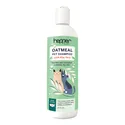
Hepper Oatmeal Pet Shampoo |
|
Check Price |
|
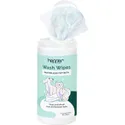
Hepper Wash Wipes |
|
Check Price |
At Dogster, we’ve admired Hepper for many years, and decided to take a controlling ownership interest so that we could benefit from the outstanding products of this cool pet company!
The 10 Tips to Keep a House Clean with Dogs
1. Have the Right Cleaning Supplies
Living with dogs means you have to clean more frequently. However, you can reduce the amount of time you spend on cleaning by investing in the right cleaning supplies. When it comes to cleaning up after your dog, you will want to invest in products that trap dog hair well and clean up stains quickly.
Using a fur removal tool will help you save a ton of time by enabling you to pick up and dispose of dog hair that gets stuck on your furniture and clothes. It is also important to keep a pet enzymatic stain remover spray and deodorizer in your cleaning supply cabinet at all times. Drool, vomit, diarrhea, and mud tracks all come with the territory of living with dogs.
Having a reliable enzymatic pet stain remover will help you scrub stains more quickly and help break down odor-causing compounds that may encourage repeated elimination in the same area.
2. Bathe Your Dog Regularly
Bathing your dog can be tricky because overbathing can cause their skin and coat to dry out. Most dogs can be bathed every 3 to 4 weeks. Along with smelling fresh and clean, bathing your dog can help remove dirt and dead hair from your dog’s coat.
Some dog shampoos are formulated to help manage shedding by improving coat condition.
3. Brush Your Dog Regularly

Brushing your dog will help remove any loose or dead hair from their coat. This means more hair on your brush and less hair on your clothes and furniture. Since dogs have different coat types, it's important to find the right type of brush for your dog. In general, dogs with short coats will benefit from getting brushed with a bristle brush.
Dogs with longer coats may need a set of different brushes, including a pin brush, slicker brush, and fine-tooth comb. Brushing your dog regularly can also help maintain their skin and coat health. A healthy skin and coat support normal hair growth and reduce hair breakage, which may result in fewer broken hair fragments around the home.
4. Set Up a Paw Washing Station
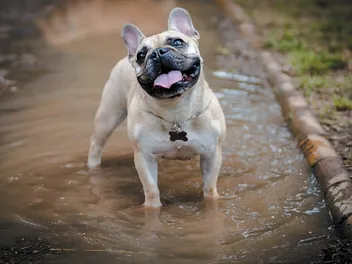
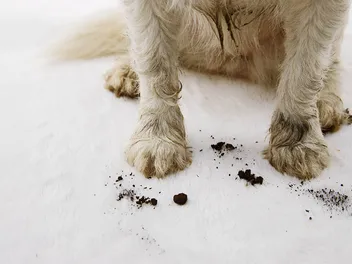
Set up a paw washing station near the entrance you use to take your dog out on walks. You can stock up the station with a set of paw wipes, microfiber towels, and a paw cleaner. Keeping a paw washing station by your door will enable you to clean your dog’s paws right away and prevent your dog from tracking mud into the house.
5. Double Down on Potty Training

Potty training can be one of the most challenging parts of puppyhood, but it’s important to stick with it. Dog urine and feces don’t just smell. They can contribute to poor indoor air quality, and accumulated urine, especially in enclosed or poorly ventilated spaces, can release ammonia that may irritate the respiratory tract.
Sticking to a consistent potty schedule and using plenty of treats and other rewards can help dogs get potty trained faster. Doing crate training in tandem with potty training can help reduce the number of incidents and make potty training easier.
6. Keep Dogs Off Your Furniture
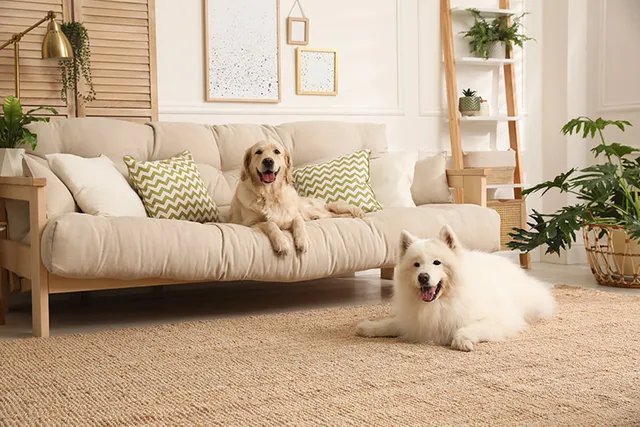
Most dogs like to sit and lie with their humans on their furniture. While it is nice to cuddle with dogs, the payoff is drool stains and pet hair getting left on your sofa, bed, and chairs. It’s often helpful to have certain pieces of furniture that are off-limits for your dog.
You can train your dog not to sit on certain types of furniture, such as the ones where you usually seat your guests. Sometimes, it helps to place dog beds and other pet furniture in a room and use positive reinforcement to encourage your dog to choose those resting areas instead of getting on your furniture.
7. Use Dog Blankets

Furniture protectors can help keep your furniture clean, but they’re often uncomfortable or cover up your furniture’s design. If your dog is adamant about lying on your furniture, consider using dog blankets. Lining your furniture with a dog blanket can prevent moisture from seeping into the fabric and cushions.
It traps dog hair and reduces the amount of time you spend picking up and removing hair from your furniture. It also makes cleaning up easy, as most dog blankets are machine-washable.
8. Clean and Maintain Dog Toys
Dog toys usually spread drool all over your floors and on your furniture. So, it’s helpful to have a designated spot, like a pet bed, where your dog can play with a plush toy. Make sure to pick up toys right after your dog has finished playing with them so that you don’t have any wet and slobbery toys sitting on your floors and carpets.
It’s also important to wash your dog’s toys regularly. They usually pick up dirt easily and can contribute to spreading dirt and microorganisms around your house if they’re not cleaned, maintained, or replaced.
9. Vacuum Regularly

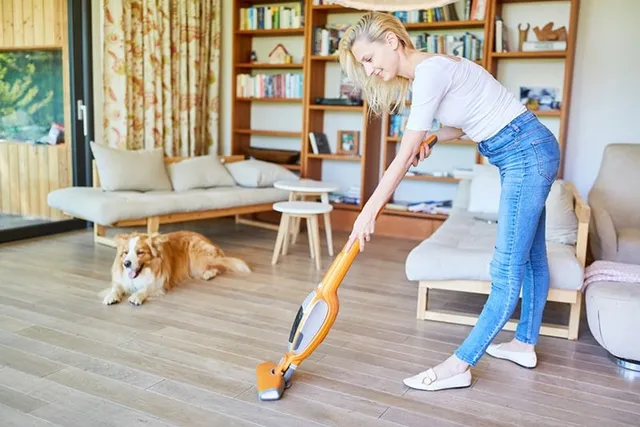
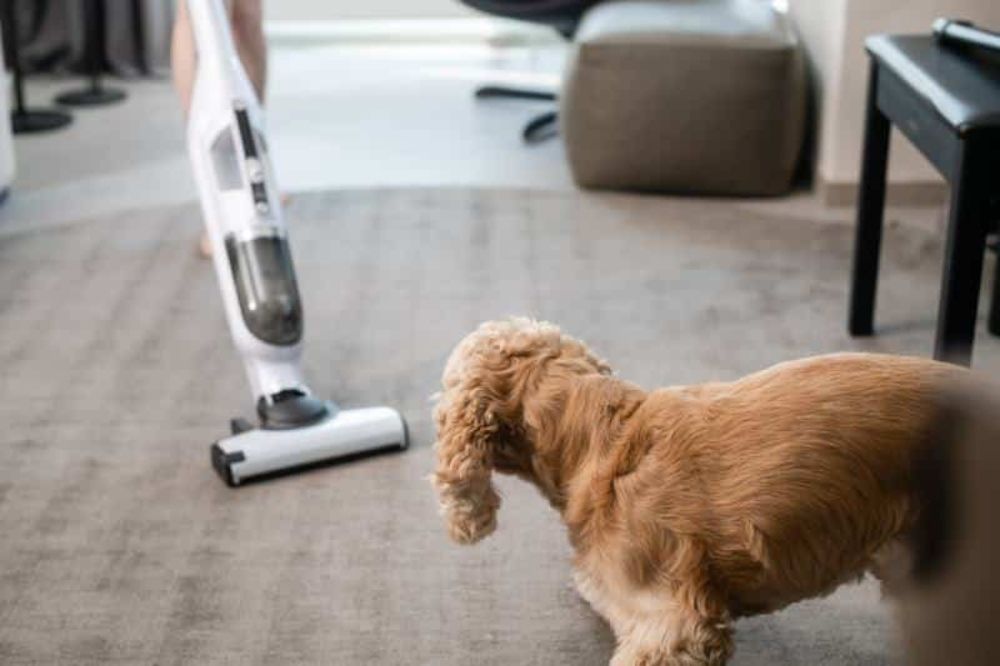
Vacuuming regularly becomes the norm for dog owners. No matter how little your dog sheds, you can still expect to spend more time vacuuming and cleaning your floors. It is common for dog owners to clean their floors at least once a week.
This will include vacuuming and wiping down any drool and dirty paw tracks. It’s also helpful to hire someone to deep-clean your floors every few months to ensure that hard-to-reach areas are also cleaned thoroughly.
10. Use High-Quality Air Fresheners
No matter how adorable our dogs are, we still have to acknowledge that living with them can get smelly. Most dog owners become nose-blind to their dog’s odors, but this certainly doesn’t mean that the smells have disappeared. So, make sure to invest in some high-quality odor-neutralizing products that are labeled as safe for pets.
Deodorizing ingredients make sure that odors are actually getting neutralized or removed from a space. Cheaply-made air fresheners often use strong fragrances to simply mask or overpower smells, and some fragrances and aerosolized products can be irritating to dogs and may contribute to respiratory or skin sensitivity in susceptible individuals.
Final Thoughts
You can do several different things to keep your home clean while living with dogs. Use cleaning products specifically designed for pets to speed up clean-up and reduce odors. It’s also helpful to keep your dog well-groomed, as this can help reduce the amount of loose hair that accumulates in your home.
By making a few of these kinds of adjustments, you’ll establish an effective and efficient cleaning routine that will keep your house clean and minimize odors.
Featured Image Credit: O_Lypa, Shutterstock
Expert dog care, straight to your inbox
News, insights, expert advice, and everything dog.

No spam — unsubscribe anytime.
By signing up, you agree to our Terms & Conditions and Privacy & Cookies Policy.
How useful was this post?
Click a star to rate. You can leave written feedback afterwards. (We read all feedback.)
Jessica is a freelance writer who spends bigger part of her day researching and writing while her furry companion Cavapoo, Nora, snoozes beside her. She loves dogs, pets and animals because there’s so much to learn from them, and they do so much for us. As a dog mom, she understands the strong connection that pet parents have with their pets. So, she loves sharing helpful information that pet owners can use to better understand their beloved pets. When she isn't writing, you may find her walking dogs, tending to her plants, or drinking her nth cup of coffee.