How Is a Drug Detection Dog Trained? Types of Training, Pros & Cons (Vet-Reviewed)


In this article
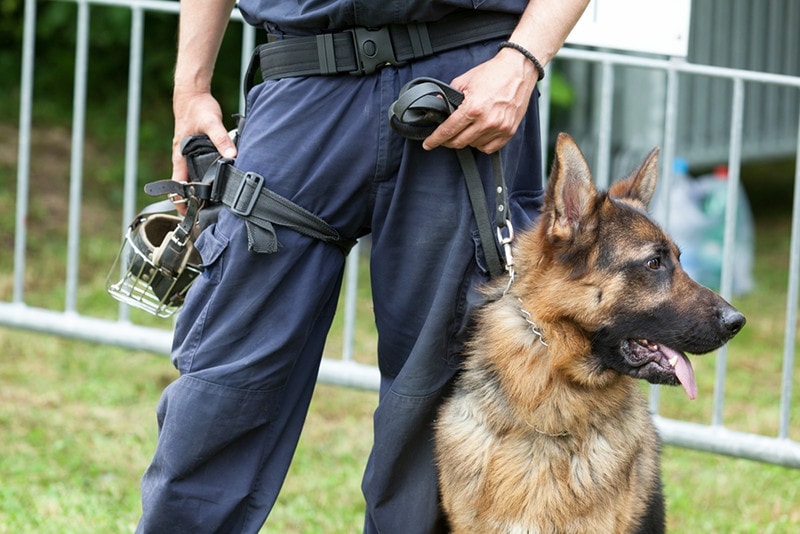
Dogs have long been known for their keen sense of smell, and this has made them useful in a variety of workplace settings. Drug detection dogs are trained to use their phenomenal senses of smell to detect the presence of illegal substances. These dogs are often used by law enforcement agencies to help find narcotics that are being smuggled or have been stashed away. Drug detection dogs can also be used in schools and other public places to help deter drug use.
While there are many different types of sniffer dogs, some of the most popular are drawn from working dog breeds such as German Shepherds, Labrador Retrievers, and Golden Retrievers. The keys to training a successful drug-detection dog are to create a strong bond between the dog and its handler and to continually reinforce the dog’s detection skills. Additionally, as well as undergoing detection training, drug detection dogs must be prepared for working in high-stress situations among a sometimes unpredictable general public.
For this reason, obedience training, agility training, and handler protection training are also crucial to a drug detection dog’s education. Check out this article to learn everything you need to know about training a drug-detection dog.

How Does Dog Drug Detection Work?
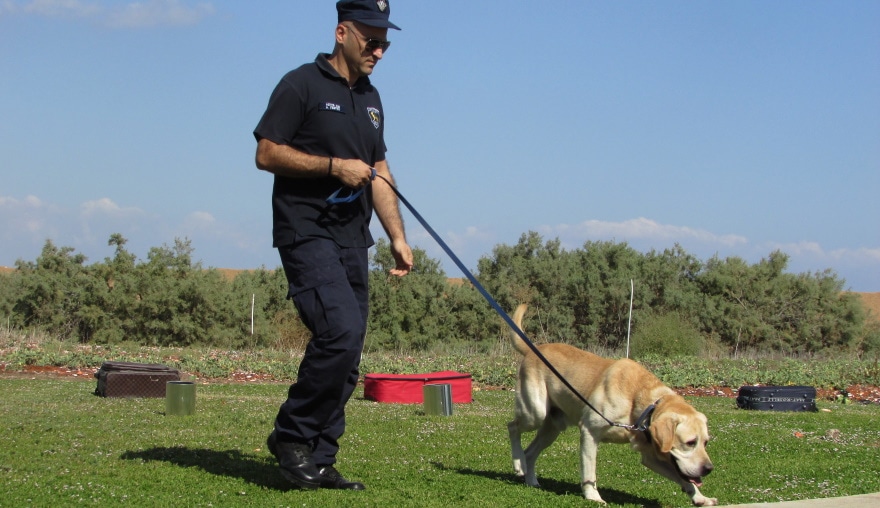
If you’ve ever seen a drug dog in action—for example at an airport or train station—you may have wondered how they’re able to sniff out illegal substances. It turns out that these dogs have an incredible sense of smell that allows them to detect even trace amounts of drugs. Dogs can be trained to use their highly developed sense of smell to detect a wide range of substances.
Here’s how it works: dogs have many times more olfactory receptors than humans, which means they can smell things that we can’t even imagine. When a dog smells something, it’s not just smelling with its nose. The olfactory system extends all the way to the brain, where special receptors allow dogs to process smells in a way that we can’t. A dog’s olfactory receptors are up to 100,000 times more sensitive than a human’s, making them the perfect tool for drug detection. This makes them perfect for finding drugs that are hidden in luggage or on people. And while they might not be 100% accurate all the time, they’re usually pretty good at finding what they’re looking for.
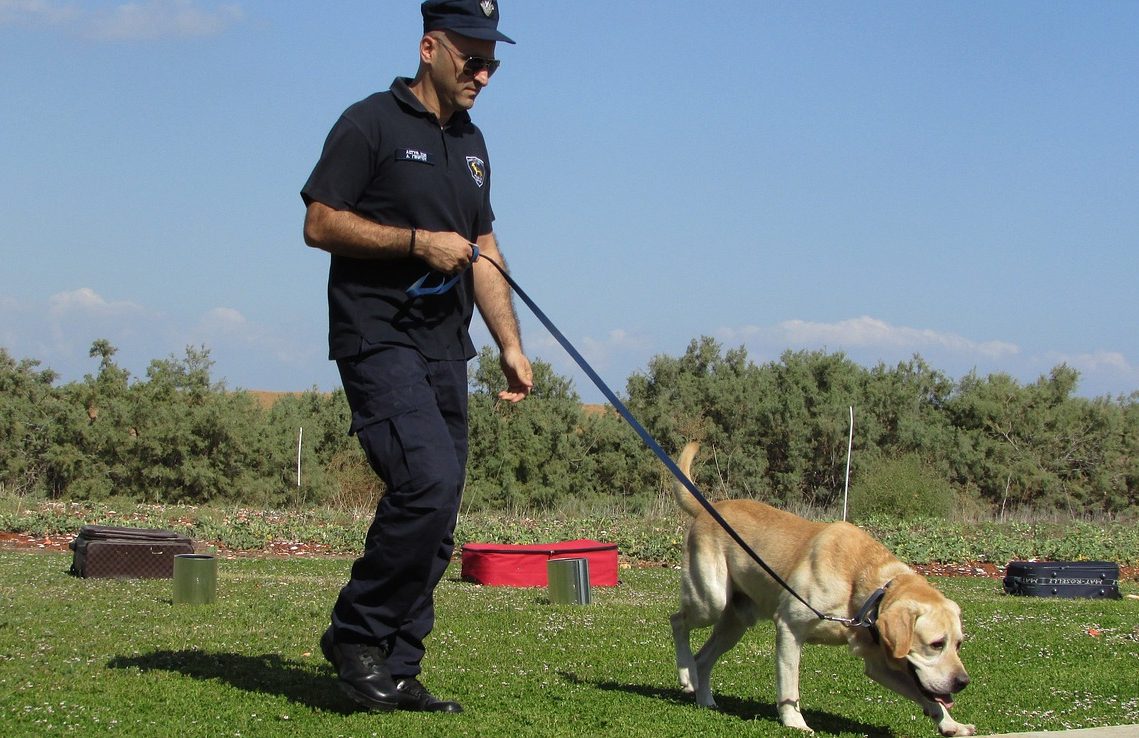
Dogs can be trained to detect a wide variety of drugs, including marijuana, cocaine, methamphetamine, and heroin. They can also be trained to detect prescription drugs that are being used illegally. When a trained drug dog sniffs around an area, they are actually taking in a sample of the air and analyzing it for traces of drugs. If there are drugs present, the dog will alert their handler by sitting or lying down or by barking. This signal lets the handler know that there are drugs in the area and allows them to take appropriate action, such as conducting a search and seizing the illegal substances.


The 4 Types of Training for Drug Detection Dogs
There are several key areas of training for drug detection dogs, including scent detection, obedience, working in real-world environments, agility, and handler protection.
1. Smell Recognition Training

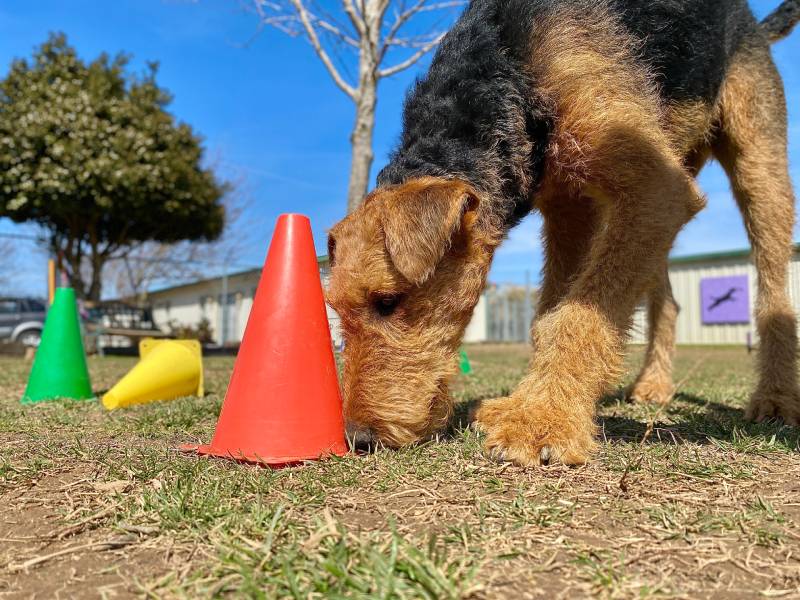
Smell recognition training is the most important type of training for these dogs, as it is what allows them to perform their job effectively. Drug detection dogs typically undergo extensive training before they are certified for duty. This training usually involves positive reinforcement, which helps the dog to associate the desired behavior with a reward.
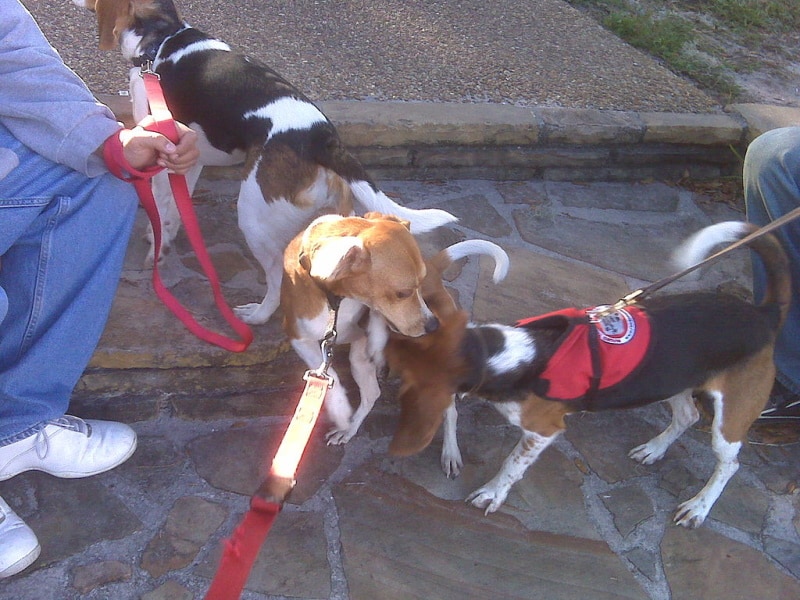
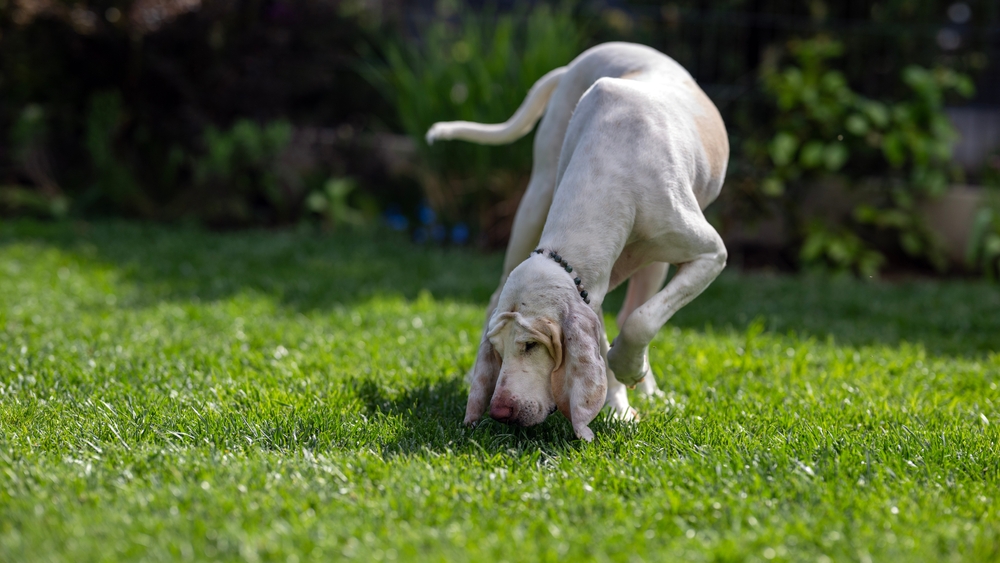
During smell recognition training, the dog is exposed to a variety of smells, both inside and outside of their working environment. They must learn to identify the scent of the substance they are looking for and ignore all other smells. This can be a difficult task for some dogs, but with patience and consistent training, many dogs are able to master it. Over time, these dogs are successfully trained to associate the odor of the target substance with positive reinforcement, such as a toy or food treat.
Once the dog has learned to identify the scent of the substance they are looking for, they must then learn how to alert their handler when they find it. Dogs can be trained to sit or stand when they detect drugs, which is a passive indication. Alternatively, dogs may give an aggressive indication at a location, such as barking, digging, or pawing.
2. Obedience Training

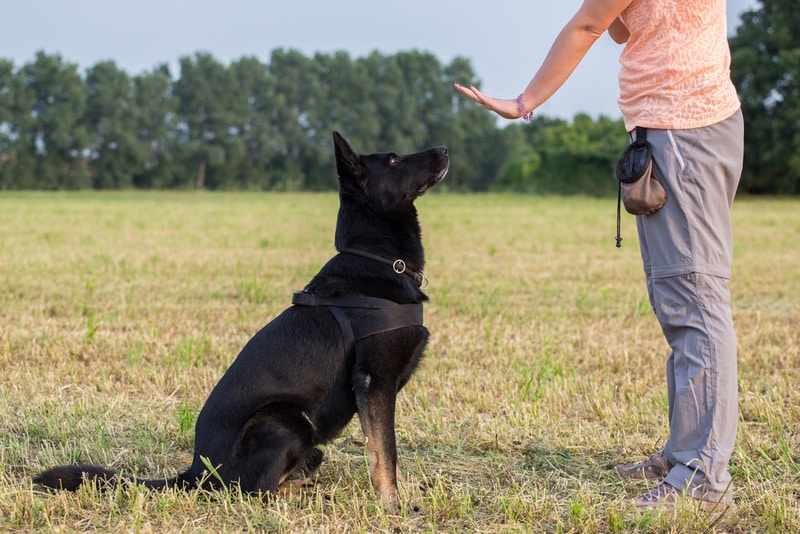
General obedience training is vital for all dogs working in law enforcement, as it helps them to follow commands and stay focused while working. Obedience training is one of the most important aspects of a dog's law enforcement career. Dogs that are obedient to their handlers are less likely to be involved in incidents that could result in injury or death.
Obedience training teaches a dog to respond to commands from their handler, and this response can be critical in dangerous situations. A dog that is trained to obey commands is more likely to listen to their handler's commands and stay out of harm's way.
Positive reinforcement is an important part of obedience training, and it can help a dog learn to respond quickly and correctly to commands. Dogs that are rewarded for obeying commands are more likely to continue obeying those commands, even in difficult or dangerous situations.
3. Agility Training

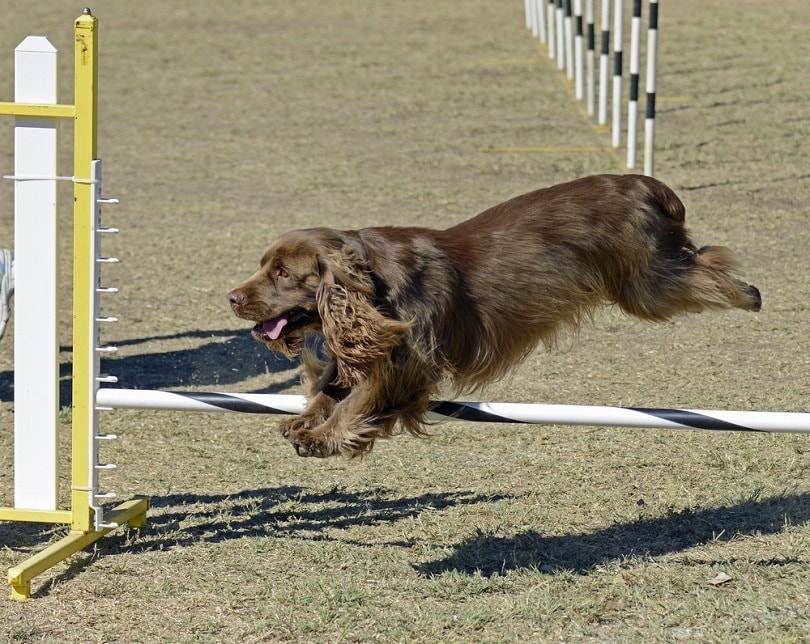
Agility training is an important part of a drug detection dog's education. The ability to move quickly and effortlessly through tight spaces is crucial for these dogs, as they may need to enter small places in order to search for drugs. Agility training helps them to develop these skills and also teaches them how to respond positively to their handler's commands. This type of training is essential for drug detection dogs, as it allows them to perform their job effectively and efficiently.
4. Protection Training

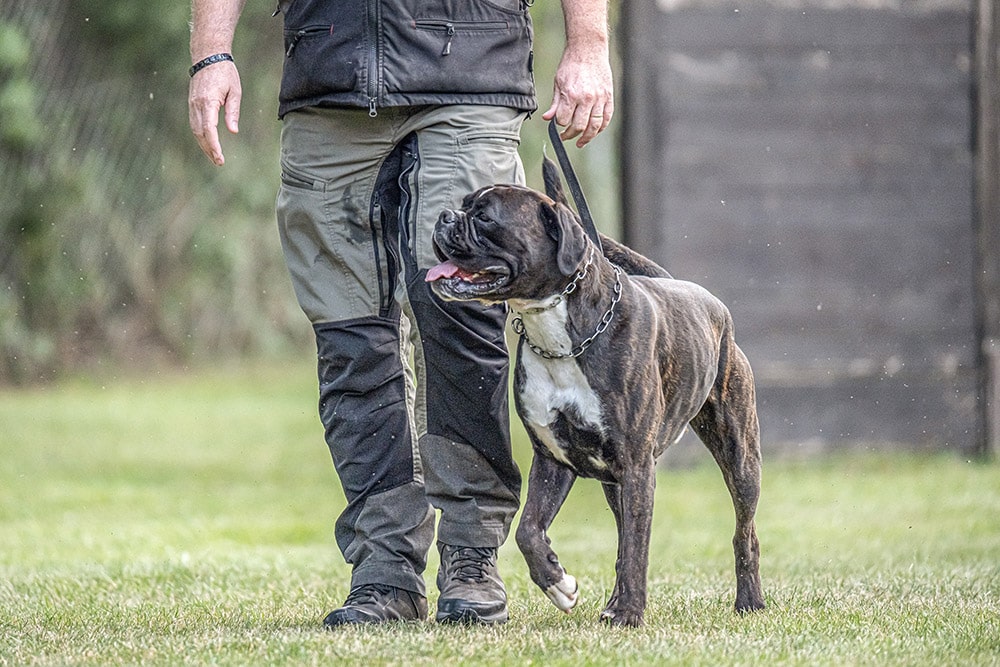
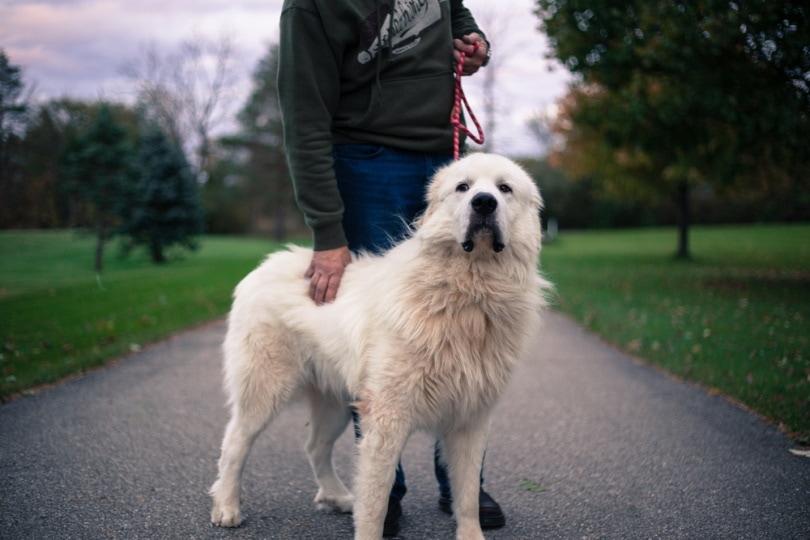
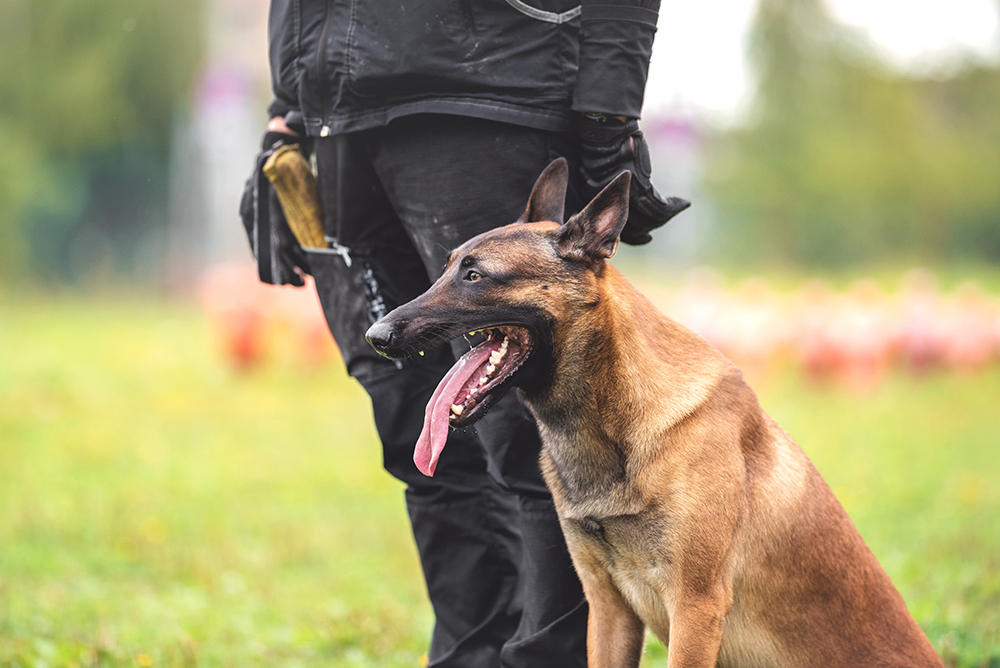
In addition, a strong bond between the handler and the dog, plus handler protection training, are both a must for those who work with these dogs. Drug detection dogs face many dangers on the job. They may be exposed to drugs and chemicals that can be harmful or even deadly. They may also be attacked by people who do not want them to locate their drugs or escape arrest. Handler protection training helps dogs and dog handlers learn how to protect themselves and their dogs from these dangers. It also helps them learn how to properly handle and care for their dogs.
Where Are Drug Detection Dogs Used?
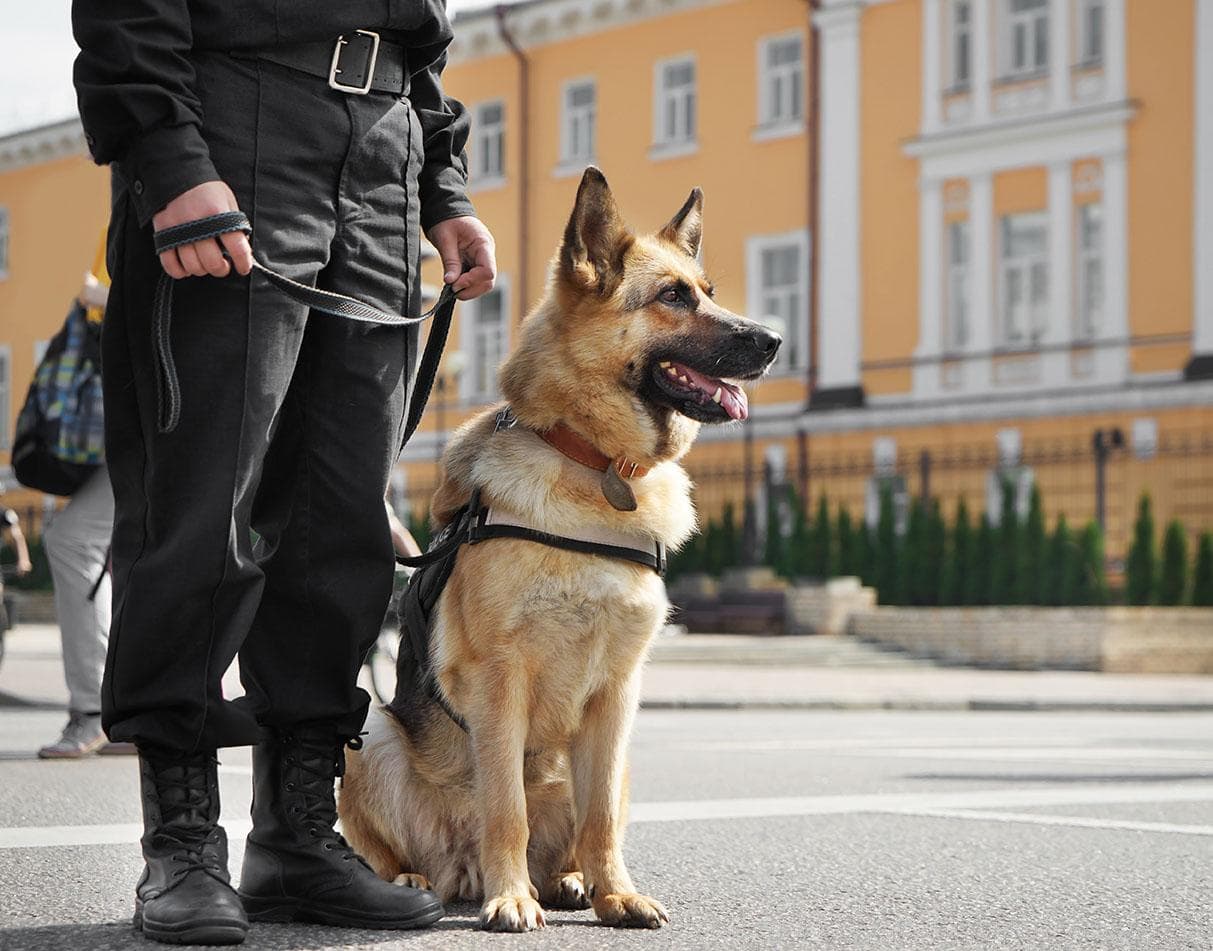
In the United States, drug detection dogs are used in a variety of settings, including airports, schools, and prisons. Drug detection dogs are also used in many other countries, such as Australia, Canada, and the United Kingdom. In some of these countries, drug dogs are also used in public places, such as music festivals, nightclubs, and bars. Drug dogs are also sometimes used to inspect private homes.
Advantages of Drug Detection Dogs
Drug detection dogs have become increasingly popular in the war against drugs because of their many positive attributes. One advantage is that they can cover a large area quickly. A single dog can search an entire building in a matter of minutes. This is much faster than a team of humans could ever hope to search. Another factor is that dogs have a keen sense of smell. They can detect even tiny amounts of drugs that might be hidden away. This makes them very effective at finding illegal drugs before they can be used.
Dogs can reduce the need for manual searches, but their presence can still be considered intrusive in some contexts. They do not need to search through personal belongings or body cavities. This means that they can be used without violating people’s privacy rights. Criminals often avoid any sites or businesses with canine patrols, preferring to target the more vulnerable settings with weaker security instead. In this way, drug detection dogs often become a deterrent in themselves.

Disadvantages of Drug Detection Dogs
Although drug detection dogs are widely used in the United States, there are some disadvantages to using them. One of the main problems with drug detection dogs is that they sometimes give false positives. This means that they may indicate that drugs are present even when they are not. Handler interference can also be a problem. This is when the handler of the dog influences the dog to give a positive indication, even if there are no drugs present. For these reasons, some people argue that using drug-detection dogs is a violation of human rights.
Frequently Asked Questions (FAQ)
The use of drug detection dogs is becoming increasingly popular as a way to deter drug use and trafficking. But how do these dogs work? And are they effective? Let's look at some frequently asked questions about drug detection dogs.
How Accurate Are Drug Detection Dogs?
Drug detection dogs generally demonstrate high accuracy under controlled conditions; however, success and error rates tend to be impacted by the specific study design, with the results of studies conducted in real-world scenarios even more varied, with a higher rate of false positives. Factors like breed, environmental conditions, and how ‘success’ is measured have all been found to impact results, making it virtually impossible for researchers to objectively assess the accuracy of this particular canine accomplishment.
So, what is the truth? It seems that drug detection dogs may be somewhat accurate, but they are certainly not perfect, and handler interference and influence, training, and conditions may impact performance.

Can Any Dog Be Trained to Be a Drug Detection Dog?
In theory, many dogs can learn scent detection work, but not all are suitable for professional drug detection roles. The most important thing is that the dog has a strong desire to work and please its handler. Drug detection dogs must have a high level of energy and be able to concentrate for long periods of time. The dog must also be able to discriminate between different odors and ignore distractions.
In practice, German Shepherd dogs, Border Collies, English Springer Spaniels, Labrador Retrievers, Golden Retrievers, Belgian Malinois, and Labrador Retrievers are more commonly used for drug detection work.
How Long Does It Take to Train a Sniffer Dog?
Sniffer dogs are trained to use their keen sense of smell to detect various substances, including explosives, drugs, and blood. The training process is lengthy and requires a great deal of patience and repetition. The first few months are spent teaching the dog basic obedience commands and socialization skills. Once the dog has a good foundation, the trainer can begin working on specific detection tasks.
Training timelines vary, but it can take several months to a year or more for a dog to be fully trained and certified in specific detection tasks. It may take anywhere between 2 and 6 months or more to train a sniffer dog for each type of substance they need to detect. This process is repeated over and over again until the dog is able to consistently locate the desired substance. Sniffer dogs must be recertified regularly to ensure that they remain sharp and accurate in their detection abilities.

Are Drug Detection Dogs Addicted to the Substances They Find?
There is a common misconception that drug detection dogs can become addicted to the substances they detect. This is not true, as drug detection dogs never actually consume any drugs. The dogs are trained to alert their handlers when they smell certain drug odors, using controlled training samples. This means that it’s impossible for these dogs to become addicted to these controlled substances. The dogs are merely doing their jobs and are never ingesting drugs.

Conclusion
In conclusion, drug detection dogs are a valuable tool in the fight against drugs. They are highly trained and effective at using their keen sense of smell to detect illegal drugs. With proper training and care, these dogs can be a great asset in keeping communities safe and help act as a deterrent to criminals.
Related Read: How to Train a Guard Dog: 5 Vet Reviewed Steps & Tips
Featured Image Credit: Pexels, Pixabay
Expert dog care, straight to your inbox
Vet-reviewed advice, training tips, and the best of Dogster. Free, and you can unsubscribe anytime.
By signing up, you agree to our Terms & Conditions and Privacy & Cookies Policy.
Nicole has loved animals of all sizes her whole life so it's no wonder she has dedicated her career to helping them through what she loves best: learning, writing, and sharing knowledge with others. She’s the proud mom of two dogs, a cat, and a human. With a degree in Education and 15+ years of writing experience, Nicole wants to help pet parents and pets around the planet to live happy, safe, and healthy lives.
Join the conversation
Ask a question, share your story, or send private feedback.