Why Does My Dog Eat My Hair? 10 Possible Reasons (Vet-Reviewed)


In this article
Ever caught your canine companion munching on your hair and wondered why? It's not a gourmet meal, after all. This behavior, while strange to us, is anecdotally quite common and can be attributed to various causes. From their inherent grooming instincts to anxiety issues, dogs eat hair for a myriad of reasons, which we’ll explore in this article.

The 10 Reasons Why Dogs Eat Your Hair
1. Pica
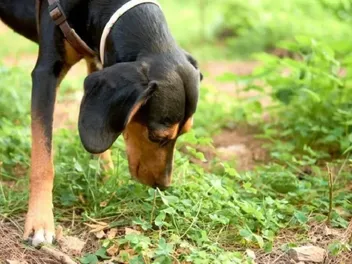
Pica is a condition where dogs ingest non-nutritive items, such as rocks, leaves, and sometimes, hair. If your dog constantly eats hair, they might have pica. Pica is thought to be caused by nutritional deficiencies. However, the exact mechanism of why it leads to the ingestion of non-nutritive items is still not fully understood.
The ingestion of hair isn’t considered immediately life-threatening for dogs. Dogs may consume their own hair/fur when they groom themselves; this usually passes through their digestive system without any issue.
The definitive diagnosis of pica can only be done by a veterinarian. It’s also often identified as a compulsive behavior disorder in dogs, which we’ll discuss shortly.

2. Grooming Instinct
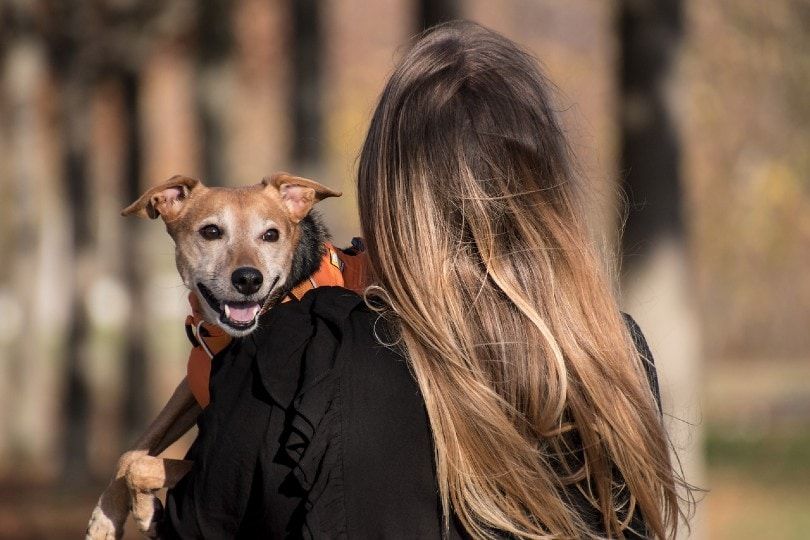
Dogs groom each other as a social bonding activity. They may extend this behavior to their human family members, which can include chewing on your hair. This is anecdotally more common in dogs that are particularly close to their owners. However, if your dog is ingesting large amounts of hair, it could lead to health issues.
Female dogs also often lick the hair of their puppies as part of their grooming and cleaning process, which can give the appearance that the mama dog is eating the hair. This behavior is instinctual and helps keep their puppies clean and free from parasites. If your female dog doesn't have puppies but is exhibiting this behavior on you, it could possibly mean that your dog is trying to take care of and groom you.
3. Abnormal/Compulsive Behavior
Dogs often resort to unusual and compulsive behaviors when they are anxious or stressed. Eating hair could be one of these stress-induced behaviors. Hair eating might provide some comfort to an anxious dog, much like how some humans might bite their nails when nervous. If your dog displays other signs of anxiety, it would be good to consult a vet or a pet behaviorist.
4. Boredom
Dogs need mental and physical stimulation. If they are bored, they may start eating your hair as a way to entertain themselves. This could also be a cry for attention, signaling that they need more interaction or activity. Providing them with toys or engaging them in games can help alleviate their boredom.

5. Your Hair Smells “Good”
Shampoos come in many formulations, and some shampoos have ingredients that make your hair smell differently. Many of these ingredients try to elicit a rather “natural” aroma. For example, shampoo with coconut oil in it might make your hair smell somewhat different (akin to coconut oil).
Your dog might pick up on these scents and decide to sample your hair simply because of the way it smells.
6. Attention Seeking
Eating hair can be a way for your dog to get your attention, especially if it elicits a strong reaction from you. Dogs are clever and can quickly learn what actions get them attention, even if that attention is negative. Ignoring the behavior and rewarding them when they stop can help break this habit.
7. Curiosity
Dogs sometimes explore the world with their mouths. This is more commonly seen in puppies (especially when they’re teething). Your dog might just be curious about the texture or taste of your hair.

8. Playfulness
Sometimes, dogs might eat your hair during play. They don't understand that it's not a toy! While it's all fun and games for your dog, it's essential to provide suitable toys for playtime and keep your hair out of reach.
9. Comfort
Dogs have a strong sense of smell. They might be attracted to the smell of your hair products (or just your scalp). The scent of their owner can be comforting to them. Eating your hair might be a way for them to feel close to you. Some dogs might just like the taste of your hair. Providing them with a piece of clothing or a blanket that smells like you can offer the same comfort in some circumstances.
10. Mimicking Behavior
Dogs often mimic the behavior of their owners. If they see you brushing or touching your hair often, they might try to do the same. This copycat behavior is seen by some as a testament to your bond with your dog, but it's also important to discourage them from eating hair.


Tips for Keeping Your Dog Safe & Preventing Them from Eating Hair
1. Monitor Your Dog
Don't leave your dog unattended in areas where they might find hair to eat. This includes bathrooms and bedrooms, where loose hair is likely to accumulate.

2. Provide Plenty of Physical and Mental Stimulation
Dogs require regular exercise and mental stimulation to keep them healthy and happy. Without these, they can become bored and resort to destructive behaviors such as eating hair. Activities such as walks, playtime, puzzle toys, and training sessions can help keep your dog mentally and physically stimulated.
3. Maintain a Consistent Feeding Schedule
A consistent feeding schedule ensures that your dog's nutritional needs are being met. This may prevent them from seeking out non-food items like hair to eat. Make sure your dog is getting a complete & balanced diet suitable for their age, breed, and health status.

4. Keep Your Hair Out of Reach
If your dog has a tendency to eat hair, try to keep your hair tied up and out of their reach. Also, make sure to clean up any loose hair from your floor and furniture.
5. Use Dog-Safe Toys
Dog-safe toys can provide a distraction for your dog and discourage them from eating hair. Chew toys, in particular, can satisfy your dog's natural urge to chew and keep them occupied.
6. Regular Vet Check-Ups
Regular vet check-ups can help detect any health issues that might be causing your dog to eat hair. If your dog's hair-eating habit is accompanied by other concerning behaviors, it's especially important to seek veterinary care.
7. Reinforce Positive Behavior
Positive reinforcement can be an effective strategy in curbing unwanted behaviors. When your dog refrains from eating hair, reward them with treats, praise, or extra playtime. This will encourage them to repeat the positive behavior.

8. Be Patient and Persistent
Changing a dog's behavior takes time and consistency. Be patient with your dog and persist in your efforts to discourage hair eating. Remember, every dog is unique and what works for one might not work for another. It may take some time to figure out what strategy works best for your furry friend.
9. Seek Professional Help if Necessary
If your dog is eating hair due to anxiety, it might be beneficial to seek help from a professional dog trainer or behaviorist. They can provide strategies and techniques to help manage your dog's anxiety and curb unwanted behaviors.
Other FAQs About Dogs Eating Hair

Why does my dog eat other dogs' hair?
This could be due to grooming instinct, curiosity, or even dominance.
What should I do if my dog has eaten a large amount of hair?
If your dog has ingested a large amount of hair, it's best to contact a veterinarian for advice.
Will my dog grow out of this behavior?
Some dogs may grow out of this behavior, while others might need training or medical intervention.
Can a change in diet help?
If the behavior is due to nutritional deficiencies or hunger, a change in diet might help.
Can I use a muzzle to stop my dog from eating hair?
While a muzzle can physically prevent your dog from eating hair, it's not a long-term solution and does not address the root cause of the behavior.
Summary
Our furry friends can sometimes engage in behaviors that leave us scratching our heads. The key to understanding these behaviors lies in observing and understanding their unique personalities and instincts. So, the next time your dog decides to snack on your hair, remember, it's just another day in the life of a pet parent.
See also:
Featured Image Credit: Rebecca Scholz, Pixabay
Expert dog care, straight to your inbox
News, insights, expert advice, and everything dog.

No spam — unsubscribe anytime.
By signing up, you agree to our Terms & Conditions and Privacy & Cookies Policy.
How useful was this post?
Click a star to rate. You can leave written feedback afterwards. (We read all feedback.)
Nicole has loved animals of all sizes her whole life so it's no wonder she has dedicated her career to helping them through what she loves best: learning, writing, and sharing knowledge with others. She’s the proud mom of two dogs, a cat, and a human. With a degree in Education and 15+ years of writing experience, Nicole wants to help pet parents and pets around the planet to live happy, safe, and healthy lives.