In this article
We all know how much dogs enjoy mealtimes and will happily eat whatever you give them. You might mistake their hearty appetite as a sign they need more food or perhaps believe the recommended feeding guidelines are inappropriate for your dog. Regardless, did you know that you could be overfeeding your dog despite having good intentions?
Overfeeding isn’t only topping up your dog’s food bowl fuller than you’re supposed to. It’s also giving them another meal after they beg or too many extra treats.
According to a 2018 international survey, about 54% of cat and dog owners give their pets more food if they beg. Furthermore, about 22% of cat and dog owners sometimes overfeed their pets to keep them happy.1
With this in mind, it’s important to watch out for signs that we could be overfeeding our dogs.

The 6 Signs of Overfeeding Your Dog
1. Weight Gain
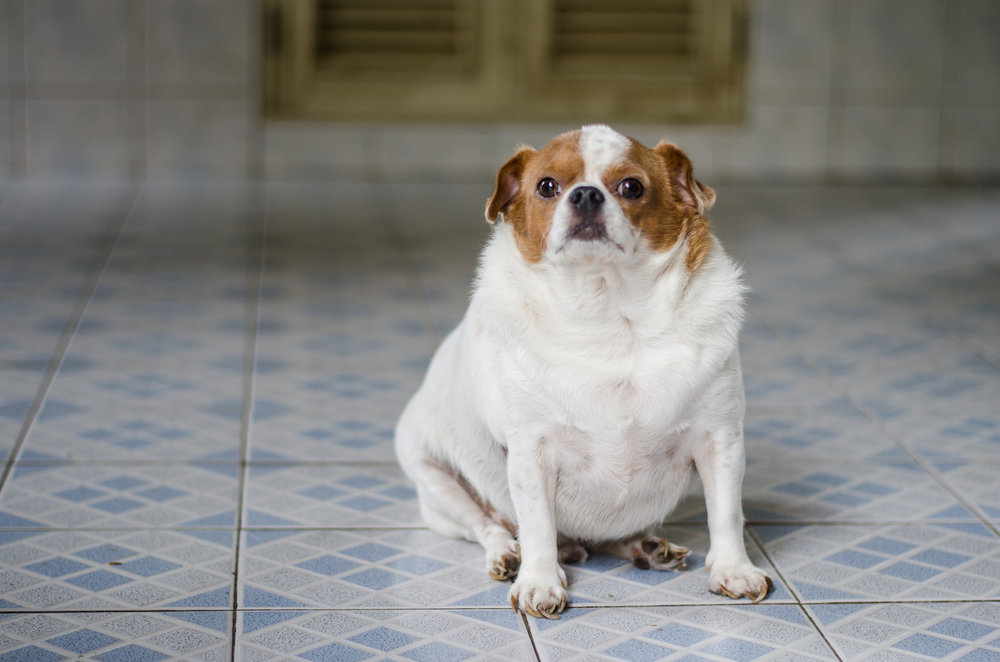
Overfeeding a dog could lead to excessive weight gain, contributing to obesity. According to a 2022 pet obesity prevalence survey, around 59% of dogs are overweight or obese.2 Many veterinary professionals recognize obesity as a prevalent disease and it’s become the norm to see overweight dogs in the exam room.
A dog is classified as overweight when they weigh 10% to 20% above their ideal body weight and obese when they weigh over 20% of their ideal body weight. A dog’s ideal body weight can vary according to their breed, age, and size. Some dog breeds are more prone to excessive weight gain. A healthy diet and balanced portion sizes are important for weight management.
You could also contribute to your dog’s unhealthy weight gain by overfeeding the wrong types of foods. This could be an unbalanced diet, table scraps, or unhealthy treats. If dogs consume more calories than they need, you can expect them to start gaining weight.
2. Not Finishing Their Food
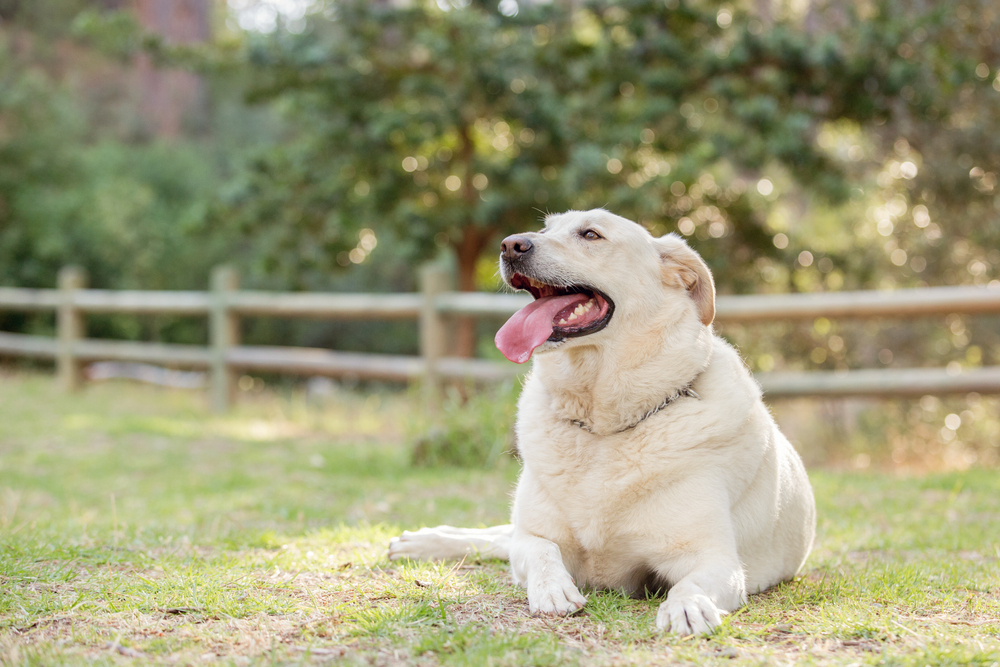
One of the most telltale signs you could be overfeeding your dog is if they seem unable to finish their meals. You may notice that they seem to slow down when the last few bites are left and don’t finish it with much enthusiasm. Some dogs may abandon their bowls completely and leave the rest of the food for another dog to eat.
This could mean that you have been filling up their bowl more than you are supposed to or perhaps gave them too many extra treats before mealtime. You may need to adjust the amount of food they eat and hold off on all the extra treats before mealtime. Rather than offering your dog a large amount of food in one sitting, feed them appropriate portions of food two to three times a day.
3. Decreased Energy
Many of us are probably familiar with the lethargy that follows after eating a large meal. Dogs may experience a similar lethargic feeling after eating a large meal. The feeling of fullness after a large meal could also cause your dog to feel drowsy and nap shortly after. Dogs carrying extra pounds can also have a harder time getting around and exercising, reducing their energy levels.
4. Struggling to Lose Weight
If a veterinarian has advised you to start your dog’s weight loss journey because they are overweight or obese, overfeeding can make it difficult no matter how much you exercise your dog. This is because they are consuming more calories than they need and could be one of the reasons they are overweight in the first place.
Dietary changes are usually necessary if you want your dog to lose weight. This might include changing the food they are eating to a more weight-friendly option or reducing the amount of food they are eating if you have been overfeeding them. It’s best to discuss your dog’s diet and whether any changes are necessary with a veterinarian.
If you need to speak with a vet but can't get to one, head over to PangoVet. It's our online service where you can talk to a vet online and get the personalized advice you need for your pet — all at an affordable price!

5. Digestive Issues
Overfeeding your dog could put strain on their digestive system, leading to uncomfortable digestive issues such as vomiting, diarrhea, bloating, abdominal pain, indigestion, and flatulence. Their digestive issues may worsen if they are being overfed the wrong foods such as table scraps, fatty treats, or low-quality commercial dog foods. These digestive issues are uncomfortable and sometimes even painful for dogs.
It’s not uncommon for dogs to get diarrhea shortly after eating too much food, especially if it is fatty or contains ingredients that are difficult to digest. Large amounts of food could make your dog bloated and gassy.
Eating a large meal may put your dog at risk of a serious condition known as gastric dilation and volvulus (GDV), which is commonly seen in large deep-chested dogs.
6. You Always Keep Their Bowl Full
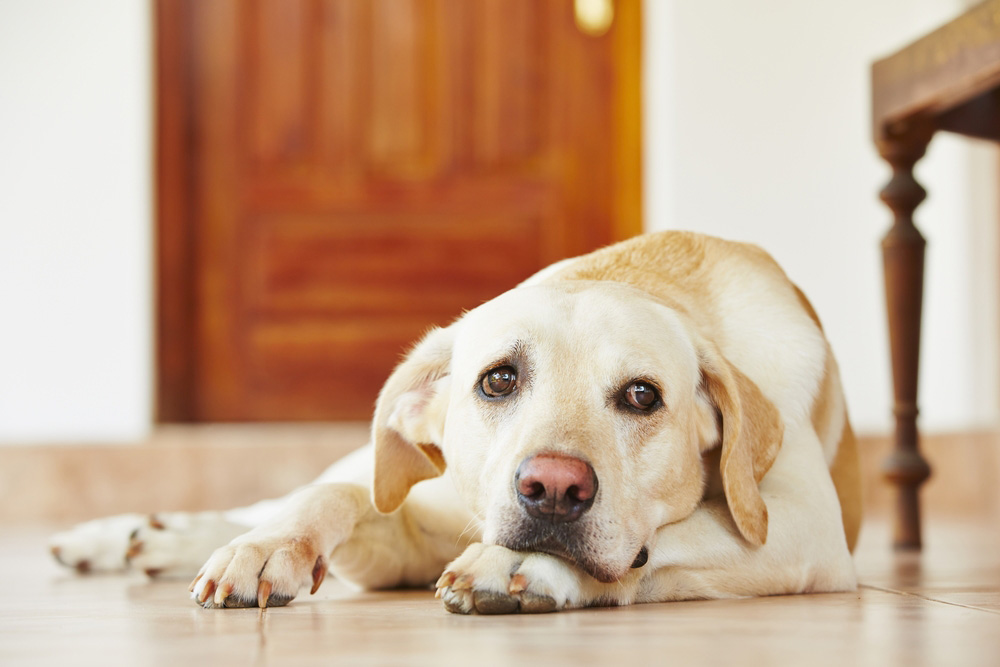
Keeping your dog’s bowl constantly filled with food throughout the day is known as free feeding. This feeding method is usually used to allow your dog access to food whenever they want. However, free feeding is not recommended for most dogs because it can lead to overeating. Furthermore, the food is left to stand out all day and could become contaminated with pathogens or pests which could be a health risk.
Dogs only need a specific number of calories per day which they should get from scheduled feeding times. If you free-feed your dog, you might be overfeeding them so it’s a good idea to switch to scheduled feeding times instead.

How Much Food Should a Dog Eat?
The amount of food a dog should eat depends on several factors, such as their breed, age, lifestyle, weight, and food type. Puppies generally need more calories for their body weight, than adults and senior dogs of the same size. They also need and more frequent meals throughout the day. Most adult dogs should eat at least twice a day. Toy and small breeds will eat much less food than large breeds like Great Danes.
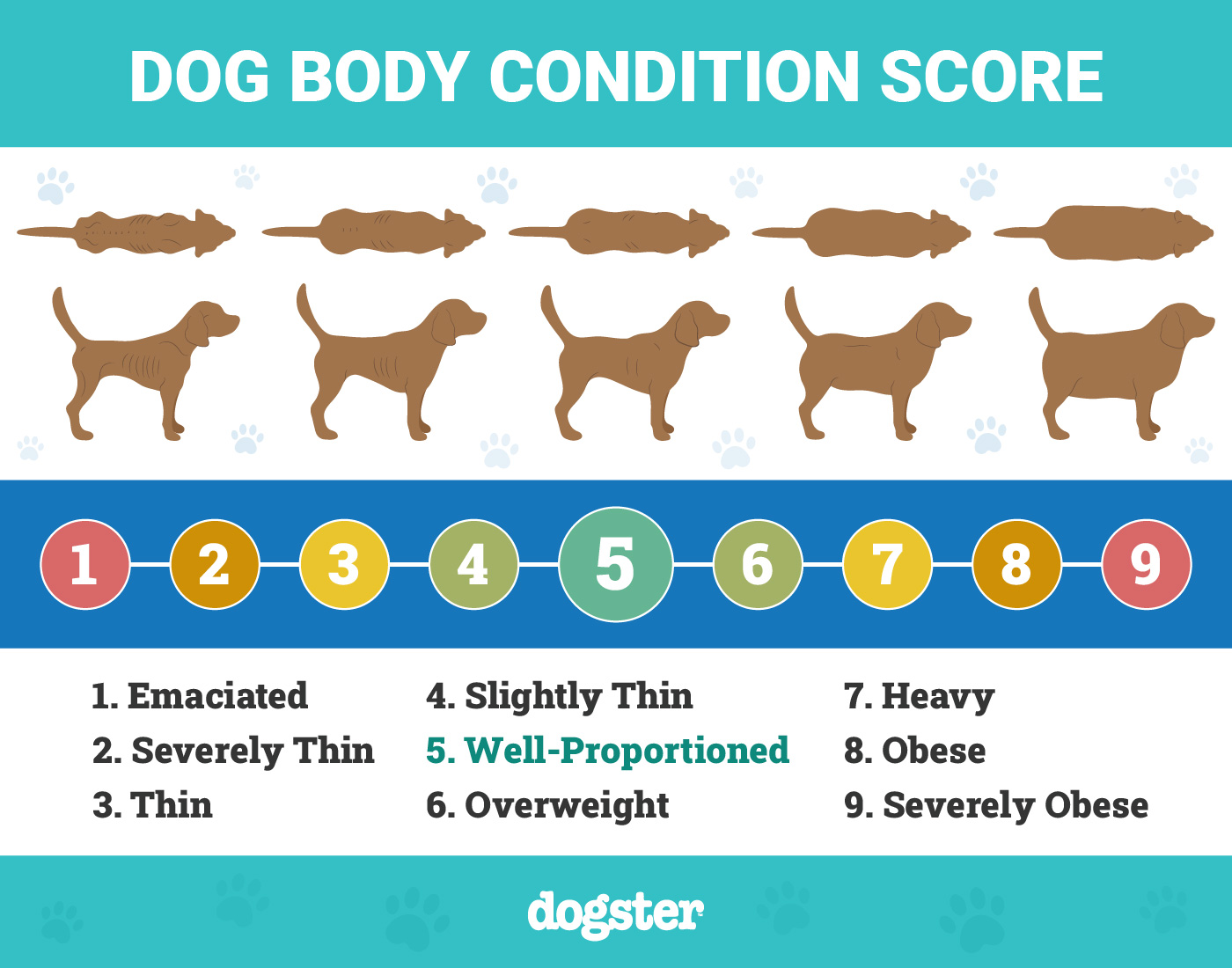
Most commercial pet foods will have a feeding guideline on their packaging or a link to their website with a calculator to determine how much food your dog needs daily. However, this is only a rough guide and varies a lot between individuals of the same size. Using a body condition score is a good way to determine if you are feeding too much or too little. A reliable way to determine how much food your dog should be eating is to consult with a veterinarian.
Conclusion
Many dog owners might be unintentionally overfeeding their dogs despite having good intentions. Dogs who are overfed usually experience weight gain or struggle to lose weight if they need to. They might experience digestive issues related to overeating or the quality of the food.
Furthermore, the way you feed your dog could be a sign you are overfeeding them. If their bowl is always kept full throughout the day so that they can eat whenever they want, then you might be overfeeding them. Dogs only need a specific amount of food per day which should be calculated with the help of a veterinarian.
Featured Image Credit: AYO Production, Shutterstock