Get

In Your Inbox

Dogster is reader-supported. When you buy via links on our site, we may earn an affiliate commission at no cost to you. Learn more.

Pros & Cons of Grain-Free Dog Food: Benefits, Risks, & More

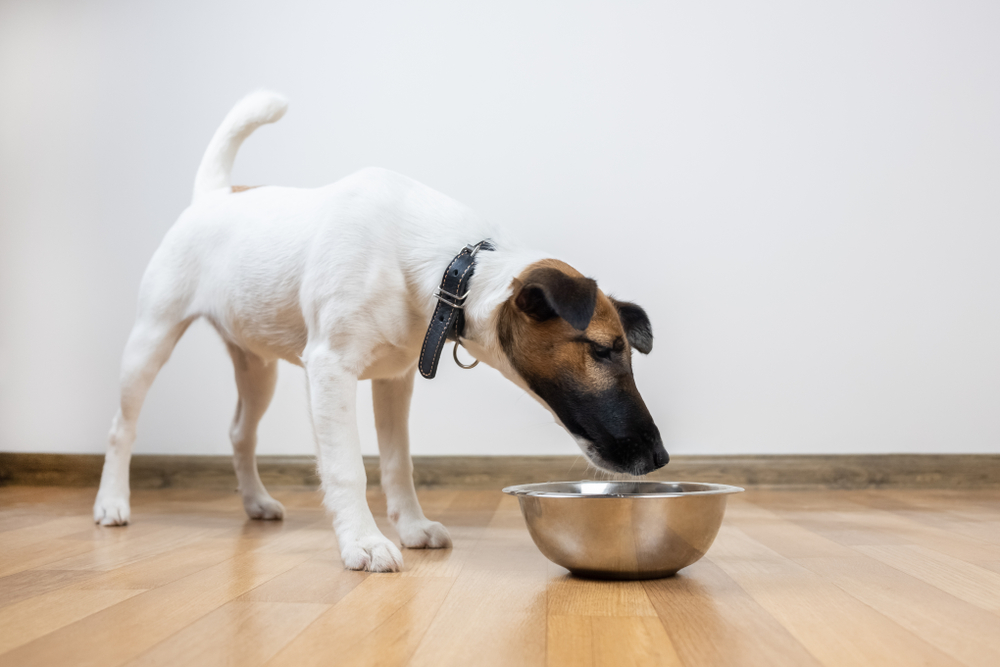
a dog eating from metal bowl

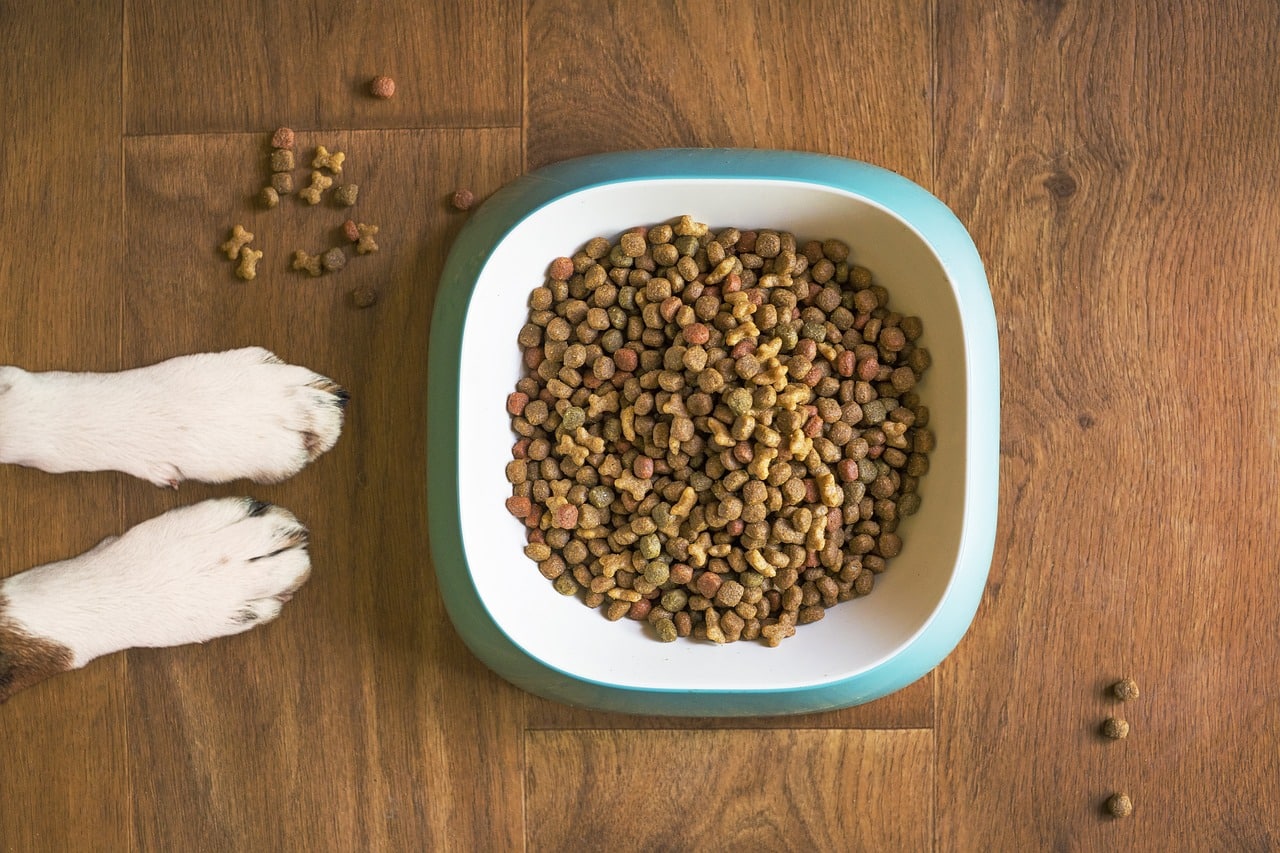
Grain-free dog food has been gaining in popularity over the past few years. And while grain-free diets may have some benefits, there are also some potential risks associated with them as well.

In this article, we’ll take a look at the pros and cons of grain-free dog food to help you decide if it’s right for your pup.

dogster paw divider

Before We Begin

It’s important to note that while grain-free diets may potentially have benefits for a few dogs, they are not recommended for all, nor should they be fed without a good reason. Talk to your veterinarian before making any changes to your dog’s diet.

Why Grain-Free Dog Food?

Although the most common food allergens in dogs are protein ingredients such as chicken or beef, some dogs may be allergic to grains as well. Since grain-free dog food doesn’t contain grains, it should be less likely to cause allergies or skin irritations in dogs with sensitivities to those ingredients. However, it may be beneficial to identify which specific grains your dog is allergic to. For example, your dog may be allergic to wheat but not allergic to oatmeal, quinoa, rice, or other grains. There’s no need to deprive your dog of grains altogether if they are allergic to only one or two grains.

Some people see grain-free dog food as part of a more “biologically appropriate” or “natural” diet for dogs. We personally don’t support these views for a few reasons. The first is that wolves eat grain in the digestive tracts of their prey. The second is that wolves have been a distinct species from dogs for more than 27,000 years1. During the domestication process, dogs have evolved the ability to digest more carbohydrates and less protein than wolves2.

close up of a dog eating from the bowl
Image By: Dmytro Zinkevych, Shutterstock

dogster paw divider

The 2 Cons of Grain-Free Dog Food

There are also potential risks associated with grain-free diets. Here are some things to consider:

Senior dog eating dog food
Image By: Ayla Verschueren, Unsplash

1. Cost

Grain-free dog foods can often be more expensive than traditional kibble. This may be a concern for pet parents on a budget.


2. Heart Disease

We don’t know much about the long-term effects of grain-free diets in dogs. For instance, dilated cardiomyopathy (DCM) has only recently been noted as a serious consequence of grain-free feeding, although more research needs to be done. This can potentially occur in any breed, but especially large breeds that are already prone to DCM, like the Labrador Retriever, Great Dane, and Doberman Pinscher. This is why you should talk to your veterinarian before making any changes to your pup’s diet.

dogster paw divider

Grain-Free Diet Buying Guide

Before switching to a grain-free diet, here are some tips for choosing the best food for your pup:

  • Consult a Vet – Talk to your veterinarian about any specific dietary needs or concerns you have for your pup before making the switch.
  • Check the Label – Look for high-quality ingredients such as meat and vegetables. Avoid foods that contain fillers, by-products, or artificial ingredients. Ensure the food clearly states it is nutritionally complete.
  • Research Sources – Read reviews of different brands and look for companies with good reputations.

Grain-Free Diet FAQ

What is the idea behind grain-free diets?

This type of diet is based on the unproven theory that grains are not a natural or necessary part of a canine’s diet. The idea behind this is that it may improve your pet’s overall health by reducing inflammation and improving digestion.

Is grain-free food better for my dog?

No research currently exists to show that it is. Some dogs may benefit from a grain-free diet in specific instances, while others may do just fine with traditional kibble. Talk to your veterinarian to decide which food is best for your pet.

Do grain-free foods help with allergies?

It’s possible that grain-free foods can help reduce the signsof certain allergies, but this is not always the case. Depending on the cause of your pup’s allergy, switching to a grain-free diet may or may not be beneficial.

Talk to your veterinarian about any allergies your pup may have and if it’s recommended for them to switch to a grain-free diet.

Veterinarian performing cleaning hearing a dog Golden Retriever
Image By: 135pixels, Shutterstock

Are grain-free diets more expensive?

Yes, generally speaking, grain-free diets tend to be more expensive than traditional kibble. However, the cost can vary depending on the brand and type of food you choose. If you want to save a little money, be sure to compare prices and check for any discounts or promotions that may be available.

Are there alternative diets for dogs who cannot have grain-free food?

Yes, several types of diets can be suitable for your pup, like those with alternative grain sources. Talk to your vet about which formula best suits your pup’s needs and preferences.

dogster paw divider

Conclusion

With the right food, your pup will be your best friend for longer! Grain-free dog food may offer some benefits for certain dogs, but it’s not for every dog. It’s important to weigh the pros and cons before making any changes to your pet’s diet.

Talk to your veterinarian if you have any questions. Your dog’s diet is one of the single most important factors in their overall health. A little research now has the potential to add years to your pup’s life!

See Also:


Featured Image Credit: Aleksey Boyko, Shutterstock

Want content like this delivered to you?

Sign Up For Our Newsletter

News, insights, expert advice, and everything dog

* By submitting, you agree to our Terms & Conditions and Privacy & Cookies Policy.

How useful was this post?

Click on a star to rate (you can leave written feedback after clicking submit)

Help us improve Dogster for pet parents!

Your feedback really matters.

What did you like about this post? Also how can we improve it?

Join the conversation

Leave a Reply

You’re very welcome to leave a comment or question. Please know that all comments must meet our community guidelines, and your email address will NOT be published. Let’s have a positive and constructive conversation.

Talk With A Vet Online

Peace of mind,
anywhere, anytime

Affordable vet advice

6 Benefits of Eye Supplements for Dogs: Our Vet Explains

Vision is crucial to your dog’s health and quality of life. With advances in both veterinary and owner care, dogs are living longer...

Defensive Aggression in Dogs: Vet-Verified Triggers and FAQ

Aggression is one of the biggest reasons pet owners seek the help of animal behaviorists or dog trainers. There are many different types...

Do Dogs Like Eye Contact? Vet-Verified Facts & Tips

There are many moments when you and your canine companion will catch each other’s gaze and have a connection. Much like humans, dogs...

Wag vs Blue Buffalo Dog Food: 2026 Comparison, Pros & Cons

Great dog food leads to happy dogs but picking out the right food for your dog can be hard. With hundreds of different...

More related

How to Cook Chicken Liver for Dogs: Vet-Approved Recipes & FAQ

Chicken liver is commonly used in many dog treats and dog food formulas. This delicious organ meat is a great way to add...

10 Best Waterproof Dog Beds in 2026 — Reviews & Top Picks

Whether your dog is old or a puppy, accidents happen. They can also be caused by either physical or emotional distress. It is...

Bichon Frise Golden Retriever Mix (Goldichon): Info, Pictures & Traits

The Bichon Frise Golden Retriever mix, also known as the Goldichon, is a rare breed of dog due to the substantial sizing difference...

Why Does My Dog Throw Up When I Leave the House? Vet-Approved Explanation

It can be worrying if you have noticed that each time you leave the house your beloved dog throws up, not to mention...

Keep reading

What Are Tocopherols in Dog Food? Vet-Verified Nutritional Facts

Commercial dog food is what most owners feed their dogs because it’s convenient, and affordable compared to homemade food, and typically offers all the nutrients that a dog needs to thrive and enjoy a high quality of life. Many different...

dog eating dog food

What to Do With Leftover Dog Food? 6 Great Ideas

No one wants to deal with leftover dog food. Perhaps your dog has passed away, or maybe your pet just doesn’t like the type of food you bought. Most people don’t buy more food than their dogs can typically eat,...

Open canned pet food

Can Dogs Eat Brie? Vet-Reviewed Facts & FAQ

It can be hard to resist when our canines give us those puppy-dog eyes at the dinner table or while we’re having a snack. Just a small bite of our food won’t hurt them, right? Well, that depends on exactly...

Can Dogs Eat Brie

10 Best Dog Foods in the UK in 2026 – Reviews & Top Picks

Gone are the days of limited dog food choices. As owners have become more attuned to canine nutritional requirements and have access to a wealth of information on ingredients, both good and bad, the range of dog food has expanded...

shih tzu dog getting wet food from owner at kitchen

How to Add Grain to a Grain-Free Dog Food: 5 Vet Approved Tips

Over the last decade or so, grain-free and gluten-free diets have become increasingly popular for humans, and by extension, that popularity has trickled down into canine diets, too. However, as with the human population, provided the balance of nutrients is...

Weimaraner eating dog food

Can Dogs Eat Salsa? Vet Approved Facts & FAQs

Salsa is a spicy relish composed of tomatoes, peppers, herbs, limes, onions, and spices. It’s usually paired with tortilla chips as an appetizer, but it can also be used as a topping or filling for tacos, enchiladas, or burritos. Salsa...

Can Dogs Eat Salsa

Can Dogs Eat Apricots? Vet-Verified Nutrition Facts & Precautions

Dogs are facultative carnivores, meaning that like omnivores, they can eat some plant matter as well as meat. Many like eating sweet foods and can be found eating windfall fruit. If your dog has a sweet tooth, consider feeding them...

fresh apricots

How to Get My Dog to Chew Their Food: 5 Vet-Reviewed Tips

Some dogs are simply fast eaters, and sometimes, they want to eat their food so quickly that they forget to chew! Instead, they basically inhale their food. While this doesn’t always cause problems, it can lead to some unsightly consequences....

labrador retriever dog eating its food from a bowl