Can Dogs Eat Curry? Vet-Verified Facts & FAQ



In this article
Generally, dogs should never have curry because, in addition to being spicy and potentially causing stomach upset, it is also made with ingredients like garlic and onion that can be toxic to dogs. If your dog has eaten a small amount of curry, they should be fine, but you will need to monitor them to look for signs of gastrointestinal issues and possibly toxicity to certain ingredients.
Many curries contain ingredients like cumin and turmeric, which are known to have anti-inflammatory and other benefits for humans, but feeding them to dogs in large enough quantities will likely lead to adverse reactions. Stick to commercial dog foods and follow your vet’s advice when providing supplements or supplemental foods to meet any specific dietary or health requirements of your dog.

Why Can’t Dogs Eat Curry?
Curry includes a range of dishes that contain meat and vegetables combined with a sauce seasoned with aromatic herbs, and spices. It is typically a spicy hot dish from South Asia, with Indian curries being especially popular worldwide.
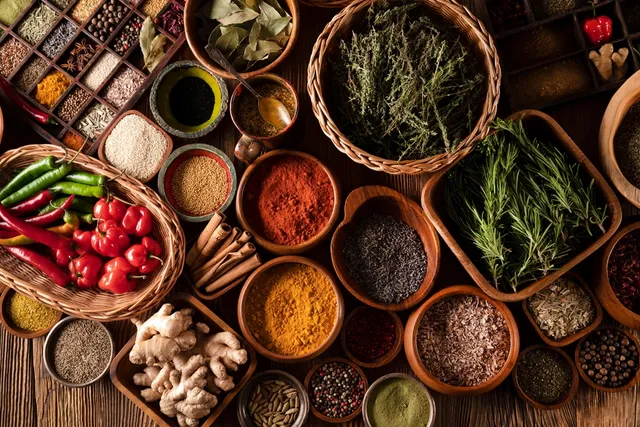
Most dishes use garlic, chili peppers, onion, and spices like turmeric, cumin, and coriander. Some of these herbs and other ingredients can be safe and even have some health benefits for dogs, but several are dangerous.

Dangers of Feeding Curry to Dogs
Curry is widely eaten around the world in various forms. Some of the most common types of curry include Indian curries, Thai curries, and Malay curry dishes. Curry dishes are favored for their highly spiced flavor, with heat levels varying from mild Kormas to much spicier dishes. Some elements of curry dishes can be very good for people.
Several of the spices used in typical curry dishes are known to have anti-inflammatory properties. Dog owners might, therefore, be tempted to feed their dogs curry for its flavorsome taste and its potential to help ease the inflammation associated with conditions like arthritis. However, dogs should not eat curry as it poses several hazards to their health and must be avoided.
1. Spicy Chili
Although some do not contain it, one of the key ingredients in a lot of curry dishes is chili. Chili is one of the ingredients that give the dish heat, and even milder curry dishes can include chili for its natural, spicy flavor. A substance called capsaicin found in chilies is responsible for the burning sensation we feel and usually enjoy after eating spicy foods. However, this sensation will be unpleasant for your dog andis likely to cause them distress after eating spicy foods. Pups can also end up with an upset stomach, vomiting and diarrhea from consuming chili.
2. Onion
Onions are toxic to dogs, as well as irritating the GI tract, they contain sulfoxides and sulfides which can damage red blood cells and lead to dangerous hemolytic anemia. This risk comes from all forms of onion- dried, cooked and raw.
Consumption of 15 to 30 grams of onion per kilogram of body weight can cause onion toxicity with significant hematologic changes. Onion toxicosis has been consistently seen in animals that ingest more than 0.5% of their body weight in one go, but high amounts spread over a few days can also damage red blood cells. Signs of toxicity include vomiting, diarrhea, loss of appetite, lethargy, breathing difficulties and rapid heart rate. These signs aren’t always apparent until several days after ingestion.
To put this into context a 4 pound chihuahua would suffer from toxic effects after ingesting only about 0.3 ounces of onion, while an 80 pound Labrador would need to eat most of a whole medium onion. If your dog has ingested onion you should speak to your vet or the Pet Poison Line for advice and not wait to see if signs develop.

3. Garlic
Garlic is also in the Allium family and can have the same toxic effects as onions. It is a gastrointestinal irritant and can cause vomiting and diarrhea, while ingestion of larger amounts damages red blood cells. Bear in mind that garlic powder can increase the risk of toxicity with one teaspoon of garlic powder being equivalent to eight cloves of fresh garlic.
4. Dairy
Many dogs are lactose intolerant, and consuming dairy products can cause gas, diarrhea, and other stomach complaints. Some curries traditionally use coconut milk, which does not contain lactose, but many cooks use dairy milk instead.
Ghee, a clarified butter frequently used in Indian cuisine, is low in lactose but still contains some. Similarly, paneer is a common ingredient in some curries, and while it has lower lactose levels than other cheeses, it could still cause side effects in your lactose-intolerant pup and is best avoided.
5. Fattening
It is also worth noting that curries can be very high in calories and contain a lot of salt, sugar, and fat. If your dog licks a small amount of curry from your plate, it shouldn’t cause a problem, but if you feed regular curry leftovers to your pup, it will likely cause weight gain. Weight gain in dogs can be very damaging, and you should ensure that your four-legged friend has a high quality, balanced diet and good exercise levels to avoid these problems.

Frequently Asked Questions (FAQ)
Can Dogs Eat Curry Leaves?
Curry leaves are fragrant, and the plants are grown in gardens around the world, but they struggle with frost and do better in hot, arid climates. Curry leaves are not considered toxic to dogs, but they can lead to adverse effects especially on the digestive tract if eaten.
These leaves can cause an upset stomach, especially if your dog has a sensitive stomach. Monitor for signs of vomiting and diarrhea, and speak to a vet if you have any concerns.
Which Spices Are Toxic To Dogs?
As well as garlic, onion, and chili, you should avoid feeding the following spices to your pup:
- Allspice
- Bay Leaf
- Chives
- Cloves
- Mace
- Mustard Seed
- Nutmeg
All of these have the potential to cause stomach issues, and some, such as nutmeg, can cause hallucinations and other health problems. When considering feeding spices or foods to your dog, check that they are not toxic and won’t cause any ill effects. Not all human-safe foods are safe for dogs to consume.

Can Dogs Eat Bread?
Plain bread is not toxic to dogs, and it should be safe for your dog to have a small amount occasionally. However, it can contain a lot of salt, and the butter and other additives can make it an unhealthy option.
Flatbreads, like naan, which are often served as an accompaniment to curry dishes, can also contain ingredients like onion and garlic in whole and powdered form. As we’ve already established above, these ingredients can be toxic to dogs if eaten in large enough quantities.
What Spices Can Dogs Eat?
Although dogs need to avoid most spices, some are safe for dogs but may provide a few health benefits.
- Turmeric has anti-inflammatory benefits which may be beneficial to certain dogs.
- Ginger is not only an anti-inflammatory but also contains antioxidants. It may help settle upset stomachs and combat nausea but should only be given in small amounts.
- Rosemary in the right form and quantity is also safe for dogs.
When feeding your dog any new food, consult with your vet first to make sure it is suitable for your dog and any health issues they may have.
Conclusion
Curry is a popular dish worldwide, but while it can take many forms, some of which do not use chili peppers, it typically contains ingredients that can be toxic to dogs. Garlic and onion, for example, can be dangerous if your dog eats too much of either. While it can take quite a lot of fresh garlic to reach toxic levels, some curries contain larger amounts or the more concentrated dried, powdered form, and smaller dogs require much less of the ingredient to face the real danger of toxicity.
The high levels of fat, sugar, and salt are also unhealthy for dogs, but these dangers are more long-term and result in your dog putting on excess weight and may lead to other health problems. It is best to avoid feeding curry to dogs altogether, but if your dog has stolen a small amount off your plate, it doesn’t necessarily mean that it will cause significant problems. Contact your veterinarian if you have any concerns about something your dog has eaten, it's always better to err on the side of caution.
Sources
https://vetmeds.org/pet-poison-control-list/onions-garlic-and-chives/#!form/PPCDonations
https://www.akc.org/expert-advice/health/can-dogs-eat-onions/
https://www.akc.org/expert-advice/nutrition/can-dogs-eat-garlic
https://www.thedogbakery.com/blogs/news/never-give-your-dog-these-13-spices-seasonings-they-re-toxic
https://www.spicewallabrand.com/blogs/recipes/spicewagga-spices
Expert dog care, straight to your inbox
News, insights, expert advice, and everything dog.

No spam — unsubscribe anytime.
By signing up, you agree to our Terms & Conditions and Privacy & Cookies Policy.
How useful was this post?
Click a star to rate. You can leave written feedback afterwards. (We read all feedback.)
Matt is a freelance writer from the UK. He lives with his partner and daughter, as well as two cats and one dog. A data analyst by profession, Matt moved from numbers to words more than 15 years ago and has been writing ever since. Having volunteered at a local animal sanctuary, he has a lot of experience with dogs, cats, and horses. Matt has also kept bearded dragons, a variety of birds, fish, guinea pigs, hamsters, mice, and rats. His daughter has adopted the same passion for animals, keeping and breeding snakes. A geek at heart, Matt is a member of a local board gaming group and regularly forces his family to “enjoy” board games with him at home.