Get

In Your Inbox

Dogster is reader-supported. When you buy via links on our site, we may earn an affiliate commission at no cost to you. Learn more.

Why Is My Dog’s Poop Dry & Powdery? 12 Vet-Reviewed Causes (With Pictures)

Share

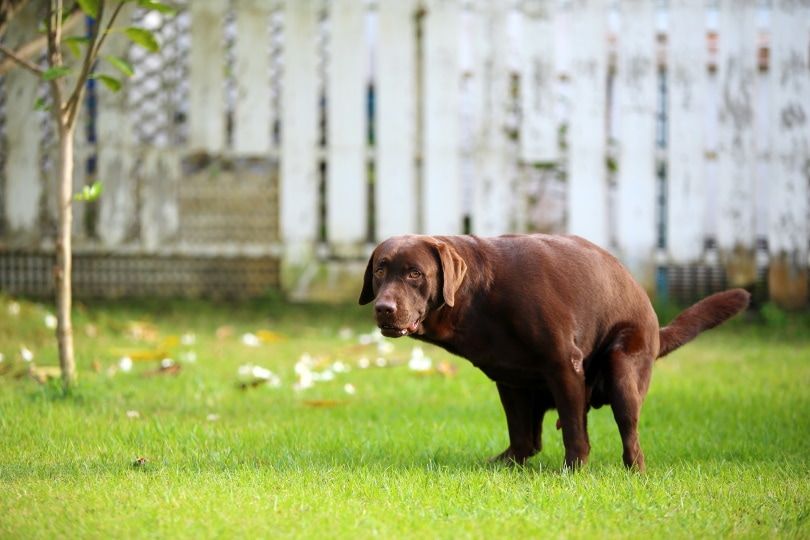
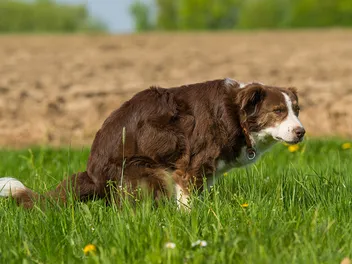
labrador retriever pooping on the grass

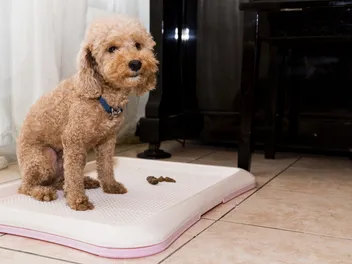
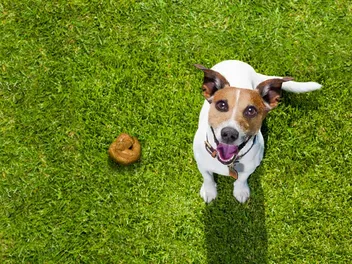
As gross as it may sound, your dog’s poop can tell you a lot about its health. Healthy dog stools should be moist and solid. You shouldn’t have any issues picking it up. At some point though, you may notice your dog’s poop looking less healthy than usual.

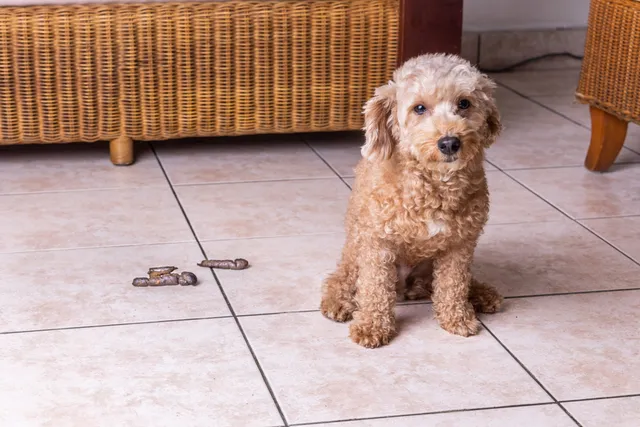
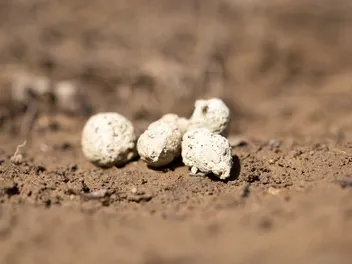
Some people notice that their dog’s stool is dry, crumbly, or powdery. Dry, crumbly dog poop is a sign of constipation, dehydration, or blockage.

A dog becomes constipated for different reasons. Your dog may simply need more water or fiber. But there are other causes of constipation and blockage that you should address right away.

We’re going to take a look at 12 potential causes and share how you can help your dog.

Dogster_Website dividers_v1_Jan 18 2024-01-TEST

The 12 Reasons Why Your Dogs Poop Is Dry & Powdery

1. Dehydration

dog poop consistency chart
You are free to use this image but we do require you to link back to Dogster.com for credit

Dehydration is when a dog loses more water than it consumes. Dehydration is the most common reason why dogs have dry and powdery poop. Water helps lubricate the digestive tract and keeps your colon smooth and flexible. It gives the intestines an extra push to help “get things moving.” Without water, dogs won’t have regular bowel movements.

Like humans, dogs need to drink water daily, or they experience medical concerns that can turn into serious issues.

How to Treat It
  • Offer water in small amounts. Sometimes dogs drink too much water too fast and vomit. You can leave small amounts of water in bowls throughout the house to encourage water consumption.
  • If you notice your dog is not drinking water, you need to contact your veterinarian. There could be something else making your dog sick.

2. Too Much or Not Enough Fiber

dog eating from bowl in kitchen
Image Credit: Pixel-Shot, Shutterstock

We don’t often think about our dog’s fiber intake. But if your dog has dry, crumbly stool, it may be the time to start thinking about it.

Fiber is a carbohydrate that passes through the body partially digested or undigested.

Fiber can help the body function in many ways. One of those ways is by providing nutrients to bacteria that live in the lower intestine. Different types of fiber fall into the category of soluble fiber or insoluble fiber. Your dog needs both.

How to Treat It
  • The key for your dog is to get the right amount and the right kind of fiber. It’s hard to determine what kind of fiber is in commercial pet food. Many list fiber as “crude fiber” and don’t differentiate between soluble and insoluble. Ideally, selecting pet food with ingredients like psyllium husk, oats, barley, beet pulp, guar gum, and pectins can help.

3. Collected Hair in Stool

dog lick paw
Image Credit: Julia Serdiuk, Shutterstock

Dogs who excessively groom or lick themselves may have too much hair in their stool. This could be the case for longhaired dogs like Collies, Shih Tzus, and English Setters. Hair is difficult to digest and can build up in a dog’s colon over time. This collection of hair can cause constipation, resulting in dry stool that may have clumps of hair in it or appear dry and crumbly.

How to Treat It
  • Help your dog with grooming by brushing them daily and bathing regularly. The kind of brush you use makes a difference. Try using the Furminator or a traditional metal comb for long-haired dogs needing deep brushing. A professional groomer can help with deep cleansing baths, de-shedding, and thorough brushing.

4. Matted Hair and Feces

close up matted dog hair
Image by: munalin, Shutterstock

Matted hair and feces around the dog’s backside result from poor grooming. Sometimes if a dog has prolonged diarrhea, feces can build up around the anus and cause a blockage. The clinical term for this is called pseudocoprostasis.

Over time, it can become difficult for a dog to defecate if a collection of dried feces and fur block the exit. Longhaired dogs especially can develop this issue. Dogs suffering from hypothyroidism who shed a lot can also develop pseudocoprostasis.

How to Treat It
  • Groom your dog’s backside carefully with dog clippers. You’ll need to gently bathe the area with warm water and dog shampoo and carefully pat dry. If your dog is experiencing chronic diarrhea, call your veterinarian to help determine what treatments may be needed.

If you are looking for the perfect, pet-friendly shampoo and conditioner combo, we highly recommend the products by Hepper. With a soothing oatmeal shampoo, free of soaps and other harsh chemicals, and a cucumber and aloe scented conditioner, your pet's skin and coat will be smooth, hydrated, and irritation-free. 

Image Product Details
Hepper Oatmeal Pet Shampoo Hepper Oatmeal Pet Shampoo
  • Safe for Dogs & Cats
  • Lightly Scented
  • Soothing Oatmeal
  • Hepper Pet Conditioner Hepper Pet Conditioner
  • Detangles and reduces friction
  • Nourishing, coconut-based formula
  • pH balanced
  • At Dogster, we’ve admired Hepper for many years, and decided to take a controlling ownership interest so that we could benefit from the outstanding products of this cool pet company!


    5. Eating Non-Food Related Items

    american eskimo puppy chewing a stick
    Image Credit: Cristina Anne Costello, Unsplash

    As dog owners, we know that some dogs eat anything and everything. It’s normal dog behavior. But it can be detrimental if they eat the wrong thing. One of the most common causes of constipation is a dog eating a foreign object, like plastic or a dry bone. Foreign objects are not easily digested and result in blockage. Overall, blockage leads to other health concerns and must be addressed immediately.

    How to Treat It
    • A veterinarian must diagnose a blockage with radiographs, abdominal ultrasounds, and some blood work. Treatment varies depending on the degree of blockage. Some cases require fluids and meds, and others require surgery.

    6. Not Enough Exercise

    french bulldog lying down on the floor
    Image Credit: Mylene2401, Pixabay

    Exercise gets the blood pumping and the GI tract moving, and dogs are no exception. A sedentary dog could experience dry and crumbly stools if he’s not moving and drinking enough water.

    How to Treat It
    • Regular walks and play sessions with your dog encourage movement and help them have better bowel movements. More activity results in more water intake, helping your dog stay hydrated and lean.

    7. Medications

    pet owner giving pill medication to dog
    Image Credit: Jus_Ol, Shutterstock

    A medication may be causing your dog to have dry and powdery stools. Medicines can have side effects, and some may cause constipation. Drugs like antihistamines, opioids, and diuretics have constipation as a possible side effect.

    How to Treat It
    • If you have concerns regarding a prescription your dog is taking, contact your veterinarian to discuss if a change is needed.

    If you need to speak with a vet but can't get to one, head over to PangoVet. It's our online service where you can talk to a vet online and get the advice you need for your pet — all at an affordable price!

    PangoVet_Mention-in-Content Savings V1


    8. Enlarged Prostate

    The prostate is a small reproductive gland located above the bladder, just below the colon. Intact male dogs could experience an enlarged prostate at some point, which is a reason why veterinarians recommend neutering your dog.

    An enlarged prostate puts pressure on the colon, making it difficult for a dog to defecate. This can result in constipation.

    How to Treat It
    • Different diseases affect the prostate, so treatment varies based on a dog’s symptoms. Typically, a dog with prostatic disease has difficulty urinating. Still, if your dog is intact and you notice possible constipation, you need to have your dog examined.

    9. Orthopedic Issues

    Dogs are very active creatures and sometimes hurt themselves in the process of running, playing with other dogs, or playing with their owners. Some dog breeds are prone to orthopedic issues, and some dogs may have come from a bad breeding situation.

    Orthopedic problems can involve hip dysplasia, ligament tears, luxating patellas, and arthritis. Pain can discourage a dog from getting up to use the bathroom, resulting in constipation or elimination around inappropriate areas.

    How to Treat It
    • Treatment varies based on the type of orthopedic diagnosis. Some orthopedic issues can be handled with pain medication and others require surgery. The only way to know for sure is to have your veterinarian examine your dog and create a treatment plan.

    10. Pelvic and Spinal Issues

    Dogs that have experienced pelvic and spinal injuries are prone to bowel movement changes. When a dog experiences pelvic or spinal trauma such as a slipped disc or old age, it can cause gastrointestinal dysfunction. The pain alone can cause a dog not to use the bathroom.

    How to Treat It
    • If you suspect your dog is experiencing pelvic discomfort, you need to have your dog examined as soon as possible. Typical signs of pain may include your dog defecating in abnormal areas because it can’t walk to its usual spot. Your veterinarian may want to perform radiographs to determine the cause of the issue.

    11. Anal Gland Issues

    Anal glands are two glands located inside the anus that help lubricate the dog’s stool and release pheromones to communicate with other animals. The liquid inside these sacs express naturally when a dog defecates. However, dogs experience anal gland issues like impaction or infection when things are awry.

    Infected anal glands can become swollen, making it difficult for a dog to pass stool. This inevitably leads to constipation and dry stool.

    How to Treat It
    • Some dogs have recurring anal gland issues, particularly small breeds. Anal gland issues range from mild to severe. Regardless, they serve an important function and shouldn’t be ignored. Regular anal gland expressions from your veterinarian can help prevent infection or impaction.

    12. Neurologic Issues

    Not many people realize that neurologic issues can play a role in how their dog defecates. What it comes down to is how the nerves in the GI tract are responding to signals. Dogs have sensory neurons and motor neurons that carry information and responses from the brain to other parts of the body. When dogs experience neurologic dysfunction, basic abilities like defecation and urination can be affected.

    Dogs with neurologic issues and spinal injuries typically have problems with bowel movements. Spinal injuries can affect the spinal nervous system resulting in fecal incontinence or retention. In either case, it’s common to see wet stool instead of dry stool.

    How to Treat It
    • Neurologic issues vary greatly and so does treatment. Ultimately, your veterinarian will have to create a treatment plan best for your dog’s situation.

    Dogster_Website dividers_v1_Jan 18 2024-03

    Final Thoughts

    Although it is gross to talk about our dogs’ poop, we gain a lot of information about its health just through observation. If you suspect your dog has a more serious condition linked to its dry stool, call your veterinarian to schedule an examination. They can help determine the root cause and get your pooch the help it needs.

    For most dogs, dry, crumbly, or powdery stool is an irregular problem that can be fixed with hydration, a simple change in diet, and plenty of exercise.

    See Also:


    Featured Image Credit: Wasitt Hemwarapornchai, Shutterstock

    Want content like this delivered to you?

    Sign Up For Our Newsletter

    News, insights, expert advice, and everything dog

    * By submitting, you agree to our Terms & Conditions and Privacy & Cookies Policy.


    How useful was this post?

    Click on a star to rate (you can leave written feedback after clicking submit)

    Help us improve Dogster for pet parents!

    Your feedback really matters.

    What did you like about this post? Also how can we improve it?

    Join the conversation

    Leave a Reply

    You’re very welcome to leave a comment or question. Please know that all comments must meet our community guidelines, and your email address will NOT be published. Let’s have a positive and constructive conversation.


    Talk With A Vet Online

    Peace of mind,
    anywhere, anytime

    Affordable vet advice

    Ask Dr. Paola- Help! My Dog’s Sleeping Habits Have Changed! (May 18, 2026)

    Welcome to our “Ask Dr. Paola” series, where every Monday we bring expert advice straight from Dr. Paola Cuevas (MVZ) to help our...

    The Crate Setup Most Dog Owners Get Wrong (And How To Fix It!)

    Most people assume that if their dog hates the crate, the crate is the problem. So they try a bigger one, a different...

    1,500 Beagles Rescued from Wisconsin Lab Farm – Here’s Where They’re Going

    You may remember that a few weeks ago, we reported on a tense situation at Ridglan Farms, Wisconsin, a facility infamous for housing...

    Dogster’s Weekly Photo Contest Winners: Window Watchers (May 11, 2026)

    Every week our team gets the privilege of sorting through our readers photos to choose what dogs will win this weeks contest! See...

    More related

    Do All Dogs Have Webbed Feet? 8 Breeds That Do

    When you think about animals with webbed feet, dogs aren’t likely the first species to come to mind. Believe it or not, all...

    Royal Canin Dog Food vs Hill’s Science Diet: 2026 Comparison, Pros & Cons

    There are dozens of dog food brands, and each offers several varieties. This leads to many products to sort through, a great deal...

    Pitbull Mastiff Mix Dog Breed Guide: Info, Pictures, Traits & Care

    If there were a dog prison, stereotypes would dictate that the Pitbull and Mastiff mix would rule the roost. After all, who in...

    Havanese vs. Maltese: The Key Differences (With Info & Pictures)

    The Havanese and Maltese are small breeds, and both are affectionate, loyal, and intelligent. They even look alike! But while there are similarities...

    Keep reading

    11 Best Dog Foods for Chow Chows in 2026 – Reviews & Top Picks

    Who doesn’t love the adorable Chow Chow dog breed? Chow Chows are medium-sized and sturdy, with thick bearish fur and short pointed ears. This dog breed is believed to have come from Siberia or China and has a close DNA...

    chow-chow-dog-lying-on-the-floor

    Eukanuba Dog Food Review 2026: Pros, Cons & Recalls

    Eukanuba Dog Food Review Summary Giving your dog all the nutrients that they need for a healthy and active life is the number-one goal of any dog owner. There are countless dog food brands on the market, making finding the...

    Dogster_Eukanuba Dog Food Review

    What Is Powdered Cellulose in Dog Food? Vet-Approved Safety Facts & FAQ

    Choosing the best food for our furry companions is no easy task. With more options and specialized diets available than ever, pet parents are often left in the dark about what goes into their pet’s food. Cellulose is a fiber...

    Powdered cellulose in a wooden bowl

    Can Dogs Eat Crickets? Vet-Verified Facts & FAQ

    Crickets are insects that belong to the Grylloidea family.1 They typically have long bodies, segmented legs, and large antennae. A tough exoskeleton covers their bodies and provides protection from predators. They can be found almost everywhere in the world except...

    Can Dogs Eat_Crickets

    Can Dogs Eat Marshmallows? Vet-Verified Risks & FAQ

    We all love to indulge in a treat from time to time, and marshmallows are as indulgent as they come. Roasted over an open flame or mixed in with Rice Krispies, they are delicious and super-sugary snacks. But is it...

    Can Dogs Eat Marshmallows

    Can Dogs Eat Pop-Tarts? Vet-Verified Risks & Alternatives

    If your dog is like most, they are not discerning when it comes to what they eat. They may not go after those pieces of lettuce that you accidentally drop on the kitchen floor while making a salad, but they...

    Can Dogs Eat_Pop Tarts

    Are Greenies Good for Dogs? Vet-Approved Nutrition Guide

    Dental disease is one of the most common canine health problems. Dental problems can be painful and make it difficult for dogs to eat. Severe periodontal disease can make dogs more vulnerable to tooth root abscesses and organ disease. That’s...

    Greenies bites out of package

    Can Dogs Eat Enchiladas? Vet Approved Nutrition Facts & FAQ

    Enchiladas are a popular and delicious Mexican dish that many people worldwide adore. Most people love this dish and your pets may also want to get a taste. The smell of meat and seasonings may cause your dog to beg...

    Can Dogs Eat Enchiladas

    Love Dogs? So Do We! Join the Dogster Community

    Stay informed with expert pet care insights delivered straight to your inbox! Discover professional guidance on animal behavior, feeding tips, trusted product picks, and much more.


    Sign up for the Dogster Email Newsletter