Why Is My Dachshund Coughing? 12 Vet-Reviewed Reasons



In this article
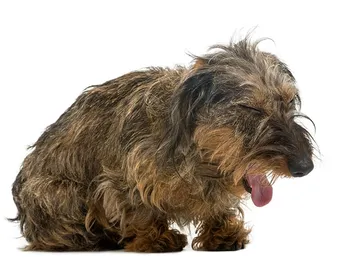
If your Dachshund is coughing, there are a long list of possible causes, some of which are relatively mild, while others are more sinister, such as heart disease, pneumonia, heartworm, or even cancer. If your dog’s cough persists for more than 24 hours,, you should consult a vet so they can diagnose the cause and provide treatment. If your dog’s cough is severe, or you are worried they are struggling to breathe, seek immediate veterinary assistance.
Below, we look at 12 possible causes of your Dachshund’s cough.

The 12 Reasons That Your Dachshund is Coughing
1. Kennel Cough
Kennel cough is one of the most common causes of coughing in dogs. It is a highly contagious, viral infection of the upper airways, more accurately called viral infectious tracheitis. It gets its name from how quickly it spreads between dogs that go to daycare or have stayed in kennels, but it can also affect dogs that have no direct contact with other dogs. In dogs that are otherwise fit and well, this infection is usually self-limiting, but in very young, elderly, or immunocompromised dogs, it can lead to pneumonia and other complications.
If the vet suspects your dog has kennel cough, they may prescribe an anti-inflammatory medication and/or a cough suppressant. If they are concerned about secondary bacterial infection, they may also prescribe antibiotics.
There is a vaccine to help protect against the condition, but it is not 100% protective against infection.
2. Collapsing Trachea
One condition that can affect Dachshunds and causes coughing is tracheal collapse. This occurs when the cartilaginous rings of the windpipe (trachea) are not rigid enough to keep the airway completely open during respiration. It causes considerable coughing and will likely lead to anxiety and panic in affected dogs. It can be triggered or exacerbated by pulling on the leash, and is more common in small dog breeds like the Dachshund, leading to the suspicion that there is a genetic component to the condition.
Steroids, bronchodilators, cough suppressants or antibiotics might be prescribed, and most dogs do well with medical management. In rare cases, a surgery may be performed to place a stent to hold the trachea open, but it is a procedure that carries significant risks.

3. Heart Disease
A cough can also be caused by heart disease. In this case, it will usually be accompanied by other signs, such as lethargy, increased respiration rate, reduced appetite, and exercise intolerance..
Dachshunds are predisposed to mitral valve disease, which is where one of the heart valves is leaking, causing pressure to build up in the vessels leading to the heart. This pressure causes fluid to build up in the lungs, which is what causes a cough, in a condition called congestive heart failure. This type of cough is often worse after rest or sleep, and seems to improve as your dog starts moving around. This is because the fluid that accumulates when your dog is lying down starts to shift and be absorbed once they get moving.
4. Pneumonia
Pneumonia is a serious condition that involves the inflammation of the lung tissue and small airways. It has a variety of associated signs including coughing, lethargy, fever, inappetence, and increased expiratory effort (breathing out is more difficult). Pneumonia has a number of different forms and causes, including bacterial, fugal, or viral infection, parasites, or aspiration. Aspiration pneumonia is most commonly seen in very young puppies, particularly brachycephalic breeds, and occurs when fluid is inhaled into the lungs.

5. Something’s Stuck
If your dog is the type that picks up and chews anything it finds, there is a chance that their coughing could be caused by a foreign object getting lodged in, or damaging, the throat. Objects like hair, string, or blades of grass can also get stuck and cause irritation.
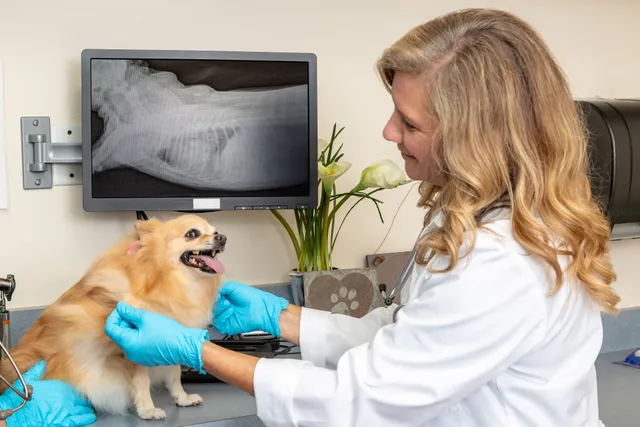
The object may become dislodged with enough coughing, but it may need to be removed by a vet, who will assess your dog and take x-rays to determine the best course of action.
6. Heartworm Disease
Heartworm might be the cause of a dog’s cough if you live or are visiting an area with mosquitos. Mosquitos can pick up the larvae of the worm by biting an infected host, which may be a dog, wolf, coyote, fox, racoon or seal, and they then pass this on when biting another dog. The worm causes inflammation of the pulmonary blood vessels and heart which presents as coughing as well as weight loss and lethargy. Many dogs can be infected with heartworm without showing clinical signs for years, with the age, lifestyle, and health status of the individual dog being a significant factor in how or when the disease may present. If left untreated, heartworm disease can be fatal, so regular preventive treatment is recommended for dogs living or visiting areas where heartworm is prevalent.

7. Bronchitis
Bronchitis is inflammation of the airways and this is usually diagnosed based on your dog’s clinical signs, history, and x-rays. Like pneumonia, there are several infectious causes of bronchitis, but in older dogs, age can often lead to thickening of the small airways (bronchioles) that can cause a chronic cough, and make them more susceptible to infection. The signs of bronchitis are quite similar to that of asthma (cough, wheezing, increased respiratory effort), but asthma is very rare in dogs.
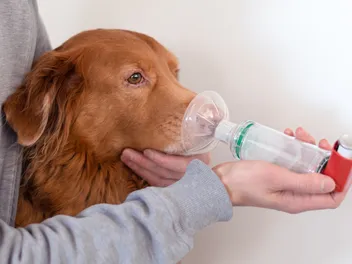
Treatment will depend on the underlying cause, but in older dogs, often consist of anti-inflammatory medications, bronchodilators, and cough suppressants.
8. Allergies
Allergies can cause a variety of symptoms ranging from dermatitis to coughing and sneezing. The most common types of allergies in dogs are environmental, rather than food-based allergies, so their clinical signs will tend to be seasonal..
Treatment usually involves avoiding the allergen but may also include antihistamines or other medications, depending on the severity of their signs.
9. Reverse Sneezing
A reverse sneeze can look and sound similar to a cough because a dog will usually have several reverse sneezes at once, rather than one at a time. They are usually caused when something irritates the back of the nasal passage, and unless they are persistent and regular, reverse sneezes aren’t necessarily anything to be too concerned about. They are more common in brachycephalic breeds like Pugs or French Bulldogs, but even long-nosed Dachshunds can be affected.
Keep an eye on your dog to ensure that they aren’t regularly suffering regular bouts of reverse sneezes, and contact a vet if you have any concerns.

10. Pulmonary Hypertension
Pulmonary hypertension is increased blood pressure in the vessels of the lungs, usually as the result of a problem with the heart like valve disease or septal defects. It can also be caused by heartworm disease, pneumonia, bronchitis, and abnormal immune function. The high blood pressure inhibits oxygen exchange in the lungs, and can result in damage to the lung tissue, causing signs such as shortness of breath, collapse, and coughing. Left untreated, it will often lead to heart failure and death, so early diagnosis and intervention is essential.
11. Cancer
Some cancers, especially those of the lungs, can cause coughing, and this may be the first sign that your dog is suffering. In this case, the cough will be persistent and may be accompanied by a loss of appetite and lethargy. Treatment will depend on the type and severity of the cancer. Several cancers, such as bone cancer (osteosarcoma) or splenic tumors (hemangiosarcoma), will spread to other organs (metastasize), and the lungs are often the first to be affected.
A vet, or a specialist, will be able to discuss the treatment options available and advise you on the best course of action for your dog.

12. Poisoning
Certain poisons, especially rat poisons, can cause coughing because rodenticide inhibits clotting function, resulting in spontaneous bleeding in the body, including the lungs. If you suspect your dog has eaten or been given rat poison, you should get treatment immediately. The signs of rodenticide poisoning take several days to appear, so do not wait for signs that your dog has been affected. Time is of the essence but even with treatment, rat poisoning can prove fatal.

When to Contact a Vet
If your dog has developed a cough after being at doggy daycare, and the cough is brand new, keep an eye on them. Look for other signs such as lethargy and a change in appetite, and if the cough persists, gets worse, or is accompanied by other signs, consult a vet straight away. They will want more information and may be able to advise you over the phone. They may want to see you and your dog to have a better chance of identifying the cause of the cough.
Any cough that is causing distress should be seen by a vet immediately. If the cough is intermittent, try taking a video to show your vet as this may help with their diagnosis.
Treatment
Treatment for a dog cough will depend on its cause and the type of cough. You should never give human cough medicine to a dog, and your vet will advise on the best course of treatment. This can vary from medication and fluids to a possible stay in an animal hospital and further tests.

Conclusion
Coughs can be caused by anything from a foreign object being stuck in the throat to cancer; context is important. If your dog has just eaten, it might be struggling to get a piece of food down its throat. If they go to doggy daycare, they might have picked up something contagious like kennel cough.
If the cough is bad, accompanied by other signs, or is persistent, you should speak to a vet to help identify the likely cause and determine the best course of action to help ensure your dog’s best health. Treatment will depend on the cause and severity of the problem.
Sources
https://www.hillspet.com/dog-care/healthcare/why-is-my-dog-is-coughing?lightboxfired=true#
https://www.purina.co.uk/articles/dogs/health/symptoms/coughing-in-dogs
https://www.pdsa.org.uk/pet-help-and-advice/pet-health-hub/conditions/coughing-in-dogs
https://vcahospitals.com/know-your-pet/pulmonary-hypertension-in-dogs
https://vcahospitals.com/know-your-pet/congestive-heart-failure-in-dogs
https://www.msdvetmanual.com/respiratory-system/respiratory-diseases-of-small-animals/kennel-cough
Featured Image Credit By: Michael E Hall, Shutterstock
Expert dog care, straight to your inbox
News, insights, expert advice, and everything dog.

No spam — unsubscribe anytime.
By signing up, you agree to our Terms & Conditions and Privacy & Cookies Policy.
How useful was this post?
Click a star to rate. You can leave written feedback afterwards. (We read all feedback.)
Matt is a freelance writer from the UK. He lives with his partner and daughter, as well as two cats and one dog. A data analyst by profession, Matt moved from numbers to words more than 15 years ago and has been writing ever since. Having volunteered at a local animal sanctuary, he has a lot of experience with dogs, cats, and horses. Matt has also kept bearded dragons, a variety of birds, fish, guinea pigs, hamsters, mice, and rats. His daughter has adopted the same passion for animals, keeping and breeding snakes. A geek at heart, Matt is a member of a local board gaming group and regularly forces his family to “enjoy” board games with him at home.