Get

In Your Inbox

Dogster is reader-supported. When you buy via links on our site, we may earn an affiliate commission at no cost to you. Learn more.

Is Peppermint Essential Oil Safe for Dogs? Vet-Reviewed Facts

Dogster_Is Peppermint Essential Oil Safe for Dogs

Whether to treat fleas or manage a skin problem, it’s natural to wonder if peppermint essential oil can help your canine companion. It’s commonly mentioned by “alternative care” providers and pet owners from various walks of life. However, just because something is “natural” does not mean that it is healthy and safe.

Peppermint essential oil is not recommended for dogs for various reasons, but in short, there is clinical evidence of many negative effects, including toxicity, and very little scientific evidence of any benefits.

Let’s discuss what peppermint essential oil is and why you shouldn’t use it on your dog.

dogster paw divider

What Exactly Is Peppermint Essential Oil?

This substance is made by concentrating the peppermint plant with either mechanical processing or distillation until it becomes a potent oil. The point is to extract the compounds from the peppermint plant and concentrate them into a different form, which is pure oil.

This “essential” oil is combined with a carrier oil during preparation for sale. Peppermint oil has a unique makeup of compounds and chemicals, which affects how it is smelled, absorbed, and metabolized by the body. While this essential oil is effective for various uses, it is not a good option for use on dogs or cats.

Essential oil of peppermint in a small brown bottle with fresh green mint on an old wooden background
Image By: 5PH, Shutterstock

Why Peppermint Oil Is Not Safe for Dogs

We don’t support the use of essential oils with pets, and that includes the use of peppermint oil on dogs—or any animal, for that matter. To start with, dog’s noses are much more sensitive than ours and strong smells such as peppermint oil can cause them distress. When inhaled it can also affect their breathing and respiratory system. Peppermint oil exposure can cause toxicity and result in clinical signs like weakness, lethargy, vomiting, and diarrhea. If a dog is exposed to a large amount of peppermint oil, it can even be fatal.

Certain alternative practitioners promote the use of limited essential oils, but there have not been enough published studies to determine their efficacy or safety. However, we do know that there are inherent risks to exposing your pet dog to essential oils. For example, applying peppermint essential oil to your dog’s coat can irritate their skin and cause serious discomfort.

Essential oils are quickly absorbed into the body orally or through the skin and must be metabolized by the liver. This can be problematic for dogs, especially those that are young or old or suffer from liver disease. Consuming peppermint oil, even by licking it off the skin or coat, can result in problems like gastrointestinal distress. It is even thought that the use of essential oils can cause behavioral changes and problems with the central nervous system. Serious respiratory problems can also be a result of improper essential oil use.

dogster paw divider

Peppermint Essential Oil as Flea & Insect Repellent

It seems to be true that peppermint oil can help repel fleas, ticks, and other pests like mosquitoes and even flies. However, it is not worth the risk to apply peppermint oil directly on your dog. It is best to hang sachets dipped in peppermint oil near the entrances of your home, where your pets cannot reach them. Alternatively, you can grow peppermint plants outside in areas where your pets do not go. You can also diffuse peppermint oil in rooms where you want to get rid of fleas or pests when your dog is not spending time in there. Let the space thoroughly air out before letting your dog back in.
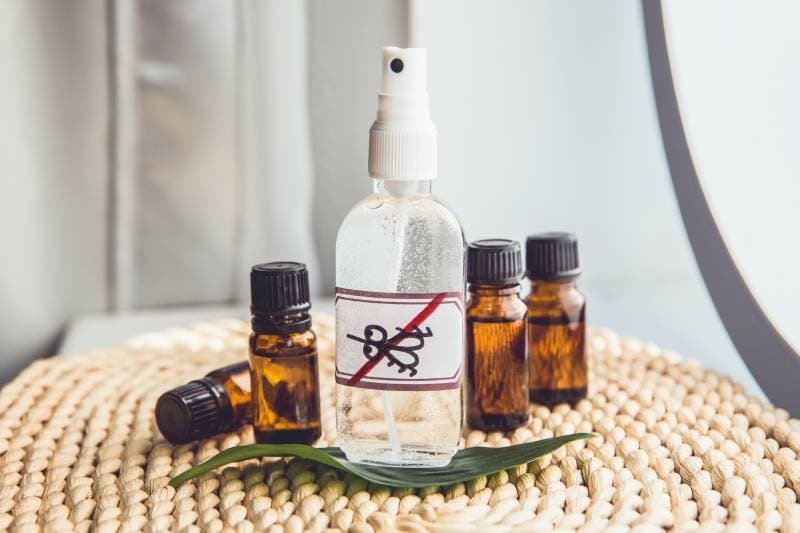
Homemade essential oil based mosquito repellent
Image Credit: FotoHelin, Shutterstock

Signs of Peppermint Essential Oil Poisoning in Your Dog

If your dog inhales or ingests peppermint oil and it causes a poisonous effect, they will display signs of illness and distress.

These can be mild or severe depending on how much peppermint oil they have been exposed to:
  • Vomiting
  • Diarrhea
  • Wheezing
  • Difficulty breathing
  • Drooling
  • Facial redness
  • Lethargy

Even if your dog does not show signs of illness after you witness them being exposed to a large amount of peppermint essential oil, you should still contact a veterinarian for consultation and recommendations.

If you need to speak with a vet but can't get to one, head over to PangoVet. It's an online service where you can talk to a vet online and get the personalized advice you need for your pet — all at an affordable price!

PangoVet_Mention-in-Content Savings V1

dogster paw divider

In Conclusion

Dogs should not be treated with peppermint essential oil—or any other kind of essential oil, for that matter—due to the potential for a toxic reaction. However, that is not to say that peppermint essential oil should be banned from your household. There are ways that you can use the oil without directly affecting your dog, including to help with pest control.


Featured Image Credit: Halil ibrahim mescioglu, Shutterstock

Want content like this delivered to you?

Sign Up For Our Newsletter

News, insights, expert advice, and everything dog

* By submitting, you agree to our Terms & Conditions and Privacy & Cookies Policy.

How useful was this post?

Click on a star to rate (you can leave written feedback after clicking submit)

Help us improve Dogster for pet parents!

Your feedback really matters.

What did you like about this post? Also how can we improve it?

Join the conversation

Leave a Reply

You’re very welcome to leave a comment or question. Please know that all comments must meet our community guidelines, and your email address will NOT be published. Let’s have a positive and constructive conversation.

Talk With A Vet Online

Peace of mind,
anywhere, anytime

Affordable vet advice

Why Is My Weimaraner So Clingy? Facts & FAQ

Is your Weimaraner displaying clingy behavior? Do they follow you from room to room, seek constant attention, or become anxious when separated? You’re...

Wagz Freedom Smart Dog Collar Review 2025: Our Expert’s Opinion

Review Summary What Is the Wagz Freedom Smart Dog Collar? How Does It Work? The Wagz Freedom Smart Dog Collar is a GPS-invisible...

What to Give a Dog for an Upset Stomach: 10 Vet-Approved Options

If you own a dog, you’ve probably realized that the “five-second rule” for dropped food no longer applies. Before you can even blink,...

5 Best Calming Collars for Dogs in 2025 – Reviews & Top Picks

It isn’t uncommon for dogs to have anxiety problems. Many dogs suffer from anxiety, whether it comes from being alone or loud noises....

More related

Do Pugs Bark a Lot? How Much & How to Stop It

What’s not to love about a Pug? These quirky little dogs bring great joy to their family’s lives, not least due to being...

Polish Lowland Sheepdog (Polski Owczarek Nizinny): Info, Pictures, Facts & Traits

Polish Lowland Sheepdogs hail from Poland. They are often called “PONs,” which is a shorter and easier way to pronounce their name based...

Doxie Poo (Dachshund & Poodle Mix): Info, Pictures, Care & More

Doxie Poos are bright and playful dogs that were bred to be companion dogs. They’re not an officially recognized breed and don’t have...

9 Best Dog Water Bottles in 2025 – Reviews & Top Picks

You wouldn’t head out for a hike without ensuring you have enough snacks and water to get you through. The same rule applies...

Keep reading

Can You Put Bacon Grease on Dog Food? Vet-Approved Facts & FAQ

While your dog probably works up a pool of drool every time you start frying some bacon, do not add the grease from the pan to your dog’s food. Bacon grease is rich, fatty, and salty—all things that should be...

bacon grease in hot pan

Can Dogs Eat Tamarind? Vet-Verified Nutrition Facts & Info

Tamarind is a pod-like fruit with a tangy and sweet flavor. It’s native to tropical Africa, though it can grow in some places in the United States (namely Southern Florida). Though it is not as easy to find in most...

Dogster-Can-Dogs-Eat-Tamarind

Can Dogs Eat Gravy? Vet-Reviewed Facts & Alternatives

Gravy can seem like a treat that many dogs can enjoy. Gravies are often meat-based, and many dogs lap them up enthusiastically. However, it’s generally not recommended for dogs to eat gravy because it can contain harmful ingredients, and it...

Can Dogs Eat Gravy

10 Best Puppy Foods for Goldendoodles in 2025 – Reviews & Top Picks

Welcoming a Goldendoodle puppy into your home is fun and exciting! The right toys, beds, leashes, bowls, and food are all important things to acquire when you get a new dog. When it comes to puppies, they need different nutrition...

female goldendoodle puppy

4 Turmeric Recipes for Dogs – Quick, Safe & Healthy (Vet Approved)

Turmeric is a root that is related to ginger, and its scientific name is Curcuma longa. Turmeric has been appreciated in traditional medicine for centuries, as it is known to have many benefits for people and their animals, including dogs....

Turmeric Recipes for Dogs

Can Dogs Eat Avocado? Vet-Reviewed Health Concerns

Avocados are one of the most popular foods in modern America. Avocados have appeared everywhere, from being eaten raw for breakfast to appearing on toast, being added to hamburgers, and continuing to be a feature of guacamole. Many people love...

Can Dogs Eat Avocado

What to Do When Your Dog Won’t Eat: Possible Causes & Solutions (Vet Reviewed)

It can be stressful if your dog suddenly stops eating, especially if they’re typically a big eater. There are a few reasons that some dogs stop eating, and sometimes, it can be difficult to identify the cause, so it’s always...

white dog refuses to eat his food in the bowl

Can Dogs Eat Waffles? Vet-Verified Nutrition Facts & Risks

It’s nice to spend time with your pet in the morning and share a good breakfast with them, which has many people wondering if it is safe to feed waffles to dogs. It might be fine for your dog to...

Can Dogs Eat_waffles