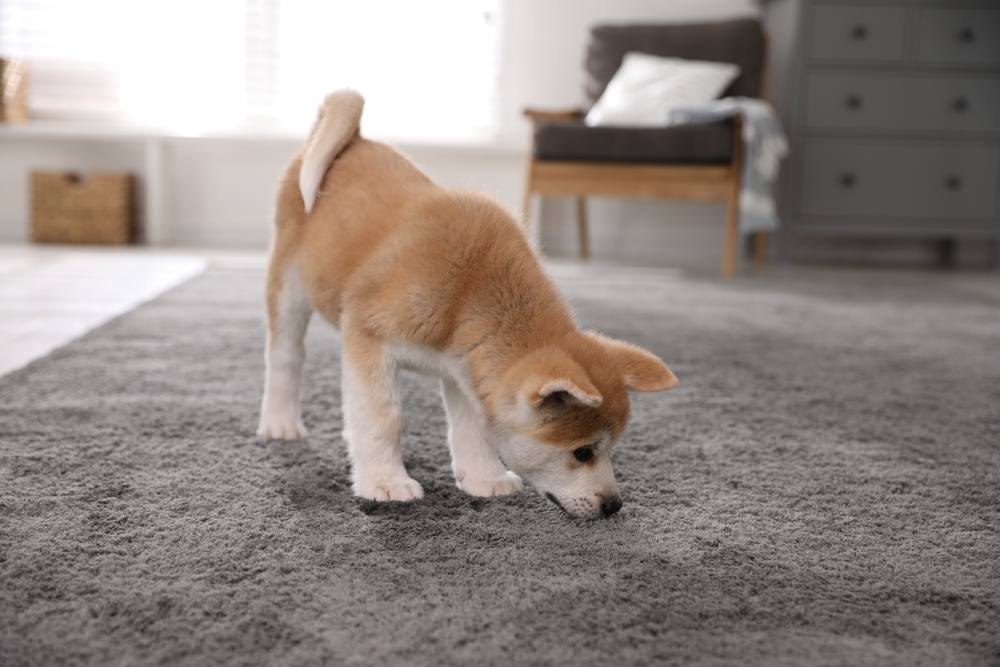
Many behaviors we consider unacceptable, like aggression, are instinctive for dogs. Even if they are unacceptable, they still do them because of a lack of training. Scratching the floor is one of them. It is an indoor version of digging that usually happens outside. The problem is that it can damage the carpeting or hardwood floors.
Understanding canine behavior can offer ways to stop it, especially if something is triggering it. If you remove the stimulus, you can usually solve the problem. However, there are quite a few reasons why dogs do this. Let’s get into them!

The 10 Possible Reasons Dogs Scratch the Floor
1. Scent Marking
It may not be the first thing that comes to mind with scratching the floor. However, remember that it’s essentially the ground, as far as your dog is concerned. It’s also your pet’s turf. Canines routinely mark their territories with their scent to ward off would-be interlopers that the space is occupied. Your dog might scratch the floor if something has changed that triggered this instinct.
Canines have a keen sense of smell, with over 16 times the receptors humans have. Therefore, olfactory communication is a vital part of how they perceive their world, even if it eludes us. They have scent glands on the bottoms of their feet that allow them to leave their mark when scratching or digging.
2. Visual Communication
Dogs don’t just leave an olfactory calling card when they scratch; they also make a visual statement about their territory. Conflicts are costly for animals. Even if one isn’t killed, an injury could sideline them and make survival challenging. Scratching and leaving a mark tells other canids that this place is taken.
Again, the triggers are similar to scent marking. Something may make your pet feel insecure, causing this behavior. It could be another pet, person, or a baby in the household.
3. Prey Detection
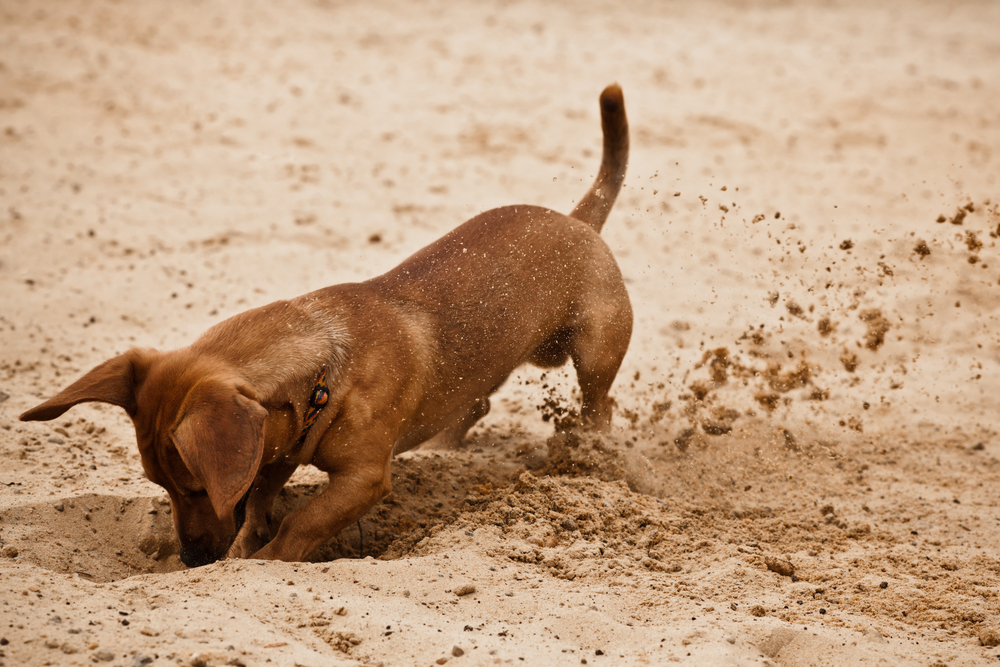
Some breeds, such as Dachshunds, Beagles, and terriers, are notorious diggers. People selectively bred these animals to hunt, which usually involved digging to get to the prey. It’s hardwired in their DNA, even if the end game is different. A roll in a rug may resemble a burrow. Likewise, a ball under the sofa just out of reach may spark this instinct.
4. Prey Location
Our canine companions diverged from a common ancestor with wolves roughly 27,000 years ago. Nevertheless, our pets may still act instinctively without any environmental pressure to change their ways. Wolves—and our dogs—may roll on the ground and scratch to pick up the scent of their prey. They would then share the intel with the pack. Again, survival is at the root of this behavior to communicate the location of prey.
5. Toileting Behavior
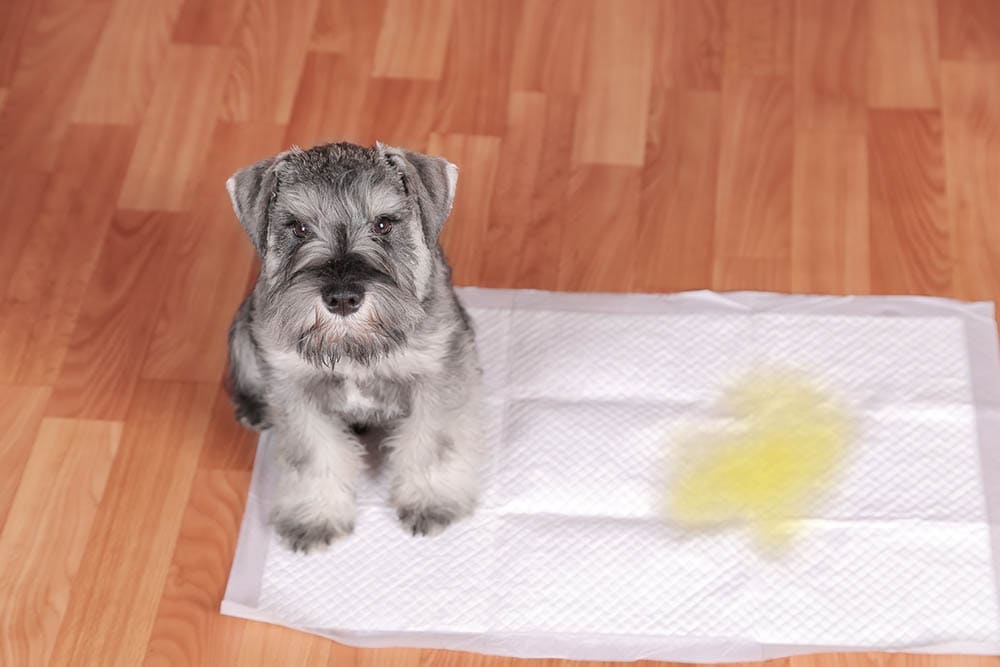
You may notice your dog scratching the ground after you take them potty. Scientists theorize it may have a role in scent marking.1 Interestingly, it isn’t unique to our pets. Lions, wolves, and coyotes also do it, perhaps for similar reasons. You may see this behavior with your pooch if you use pee pads indoors. Remember that your dog doesn’t know the difference between the ground outside and the floor in the living room.
6. Boredom
Dogs are intelligent animals that need mental stimulation and enrichment to thrive. Living indoors doesn’t always provide enough for their needs. Some dogs find other ways to entertain themselves with unwanted behaviors like scratching the floor. They may also chew moldings and trim to work off excess energy and relieve their boredom.
7. Anxiety
Digging is a common occurrence in adopted dogs and cats, suggesting an association with stress or anxiety. Research found it happened with 25% of rehomed pets. Being alone was a factor in many cases. It was also more likely in pets under 1 year old than older animals. The scientists hypothesized that anxiety caused these issues.

8. Attention-Seeking Behavior
It doesn’t take a dog long to learn what gets them attention, even if it’s negative. They figure out what behaviors will push your buttons and put the spotlight on them. They may do it when begging for a treat or going outside. Unfortunately, some pet owners reinforce the pattern when they capitulate and give the pup what they want.
9. Instinct
Some dogs scratch the floor to prepare their sleeping area. They may paw at a throw rug or anything else on the floor that would make a comfy bed. Your pet may circle a few times until they plop on the floor and curl up to stay warm. It goes back to denning behavior, where a wild canid would make someplace to rest and avoid predators.

10. Redirected Behavior
One study examined the responses of dogs petted by someone familiar to the animal. They observed appeasement gestures and redirected behaviors, which included closing their eyes, lying down, and digging at the floor. It occurred most often when the individuals petted the dogs on their heads.
If you’re concerned about your pet’s well-being, we recommend consulting a veterinarian.
If you need to speak with a vet but can't get to one, head over to PangoVet. It's our online service where you can talk to a vet online and get the advice you need for your dog — all at an affordable price!

Tips for Controlling Inappropriate Digging
Controlling a dog scratching the floor depends on what causes it. Providing mental stimulation can stem many issues with boredom and attention-getting behavior. You can redirect their actions to something more appropriate with an interactive toy, like a Kong filled with xylitol-free peanut butter, but be careful not to create an association between the two events.
Walks and playtime can alleviate boredom to prevent your dog from engaging in anything destructive. We also recommend trimming your pet’s nails to minimize the damage to your floors. We suggest discussing the issue with your vet, particularly if you suspect anxiety is the cause. They can refer you to a behaviorist who can help you manage this condition.

Conclusion
We often compare owning a dog to having a toddler in the home. They sometimes engage in undesirable behaviors that require modification. You can control unwanted scratching on the floor by determining the trigger and mitigating it. Redirecting your pet’s actions with positive reinforcement is an excellent way to solve the problem with long-lasting results.
Featured Image Credit: Elena Arkadova, Shutterstock
 The 10 Possible Reasons Dogs Scratch the Floor