In this article
One of the most intimidating tools in diagnostic medicine is blood work. It sounds daunting, especially when it comes to our pets, but it is indispensable for ensuring that they stay healthy. Blood work should be done by a licensed veterinarian, as they will explain more about the process and the costs involved.
It is hard to estimate how much a blood test can cost in dogs, since it will depend on several factors. Your dog may need anything from a basic test for a routine health check to more complex blood work to look for specific diseases. However, on average, blood work can cost between $100 and $200.

The Importance of Blood Work for Your Dog
Blood work can sound a little drastic for a routine checkup on your dog, but nothing could be further from the truth. Blood work is an incredibly useful way to make sure your pup is healthy; it helps detect early signs of disease that would otherwise go unnoticed. Usually, the samples for blood work are a combination of a complete blood count (CBC) and a blood chemical analysis.
Veterinarians use blood work for several things. It helps them diagnose health conditions and decide on the right treatment, monitor the response to therapy, and detect organ damage caused by certain medications. Combined with routine physical exams, blood work can even help your veterinarian catch health issues before they become bigger risks.
Depending on your dog, particularly their health and age, the number of blood tests that your veterinarian might want to run can differ. Older dogs, for example, are more likely to be taking medication or be susceptible to age-related health issues, so more regular blood work is recommended. Dogs of any age can benefit from a blood test, though, especially if they are not feeling well.
Upcoming surgery is another reason that your dog might need blood work, both to determine whether your dog is healthy enough for the procedure and to decide on the best anesthesia.

How Much Does Professional Blood Work for a Dog Cost?
On average, blood work can cost between $100 and $200. This range includes the basic tests for routine physicals or for suitable anesthesia options. A more comprehensive panel with other tests included can cost up to $1,500—if not more—depending on what other tests need to be done at the same time.
Several other factors also contribute to how much you will spend on blood work.
Senior Dogs
Growing old is unavoidable and a natural part of life. Senior dogs can be more susceptible to developing age-related illnesses and are more likely to be taking medication. Your veterinarian is therefore more likely to suggest blood work for your older pup.
Location
Where you live can also play a part in how much you spend on blood work. Not only do you have to take into account the veterinarian’s costs, but rural clinics are also generally cheaper than ones located within cities. For example, a clinic in downtown Los Angeles is likely to cost more than a clinic in a far-out suburb.
- See Also: Can You Register a Dog With a DNA Test?
Additional Costs to Anticipate
For the most accurate diagnosis, your veterinarian might partner your dog’s blood work with additional tests. All these things can change the cost of blood work alone.

Medication
Blood work is a diagnostic tool, and while sometimes it comes back clean, other times, it doesn’t. In these moments, the blood work will have additions. Medication, surgery, and follow-up visits will all increase the cost.
Surgery Preparation
If the blood work isn’t being done as part of a routine physical exam, your veterinarian might use it to prepare for an upcoming surgery. In this case, the cost of the blood work is added to the bill for a physical exam and any other tests run to ensure that your dog is healthy enough for the surgery.
Some clinics may include blood work in the pre-anesthetic tests package, along with other tests, such as radiographs and an electrocardiogram. These extra tests can include urinalysis, hormone testing (such as thyroid), and imaging (ultrasound or radiographs).
Travel
Health care isn’t cheap, and if you live in an expensive area, sometimes traveling farther can help save your wallet. You still have to take into account the costs of traveling, though, such as fuel, food, and pet-friendly hotels.
- See Also: How Accurate Are Dog DNA Tests?
How Long Does Blood Work for a Dog Take?
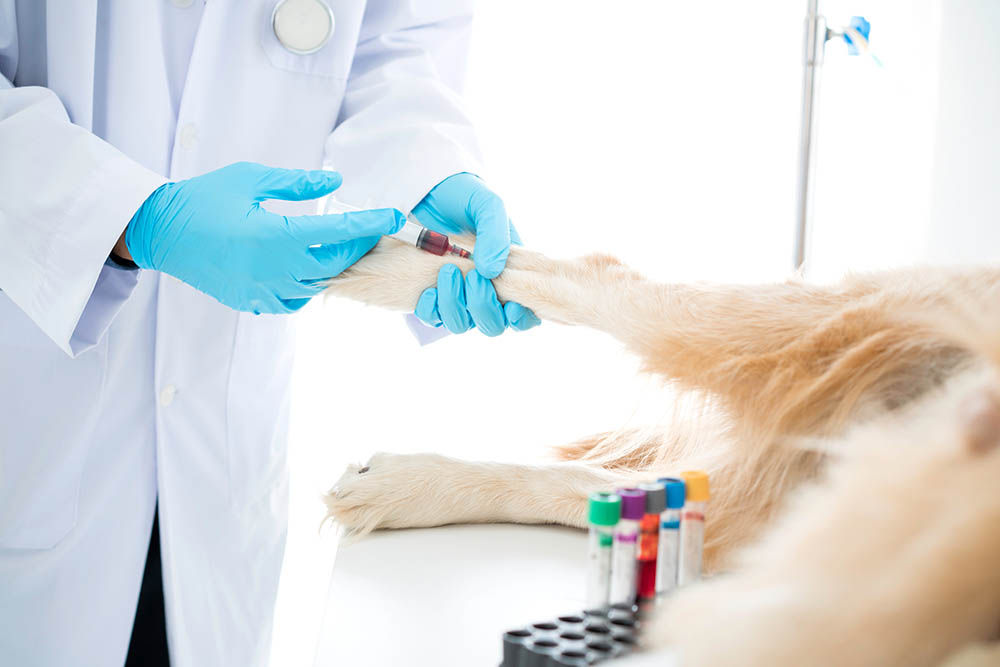
The initial drawing of your dog’s blood takes a few seconds, while the testing itself can take anywhere from a few minutes to a few days, depending on where the blood sample will be run.. Most veterinary clinics have in-house testing equipment that enables your veterinarian to discuss the results immediately. Simple CBC chemistry and urinalysis can both be handled within about 30 minutes. This in-house blood testing also enables you to be more involved in the care of your dog.
However, more in-depth blood panels aren’t usually handled in-house. Tests that include hormone assessment, such as thyroid panels, might be sent to outside labs for further testing. In these cases, it depends on the type of test to figure out the length of time that it takes. Some tests only take 24 hours, while others can take up to 3 to 5 days.
Does Pet Insurance Cover Blood Work for Dogs?
Like health insurance for humans, pet insurance helps cover the cost of unexpected veterinary bills due to accidents and sudden illnesses. What your pet insurance covers depends on the provider and the plan that you choose. Whether the plan covers blood work is a good thing to look into when you’re choosing which insurance provider to sign up with.
Most plans, like the ASPCA pet health insurance plan, cover blood work needed for treating your dog after an accident. Outside such treatments, however, you may find that you have to pay more for a preventive care add-on. This covers wellness exams (including any blood work done during them), vaccines, flea and tick medications, and other services that you use regularly.
Unfortunately, pet insurance doesn’t cover treatments for preexisting conditions, so the blood work for them also isn’t covered, but it is always worth asking the company directly.

Is Blood Work Painful for Dogs?
While blood work isn’t an invasive technique, it can cause a bit of discomfort, just like with humans. Your veterinarian has to hold your dog in place while they take the sample, but the process isn’t intended to cause pain or distress. Vets and technicians know how to do this so your dog sometimes doesn’t even notice! When it comes down to it, though, the process of drawing blood from your dog only takes a few seconds at most. It’s the actual testing of the sample that takes longer.
How your dog reacts to getting their blood taken depends on their temperament and how well they handle uncomfortable situations. Some canines barely blink, while more timid animals are more likely to struggle and act out.
Summary
The cost of blood work for your dog depends on several factors: the type of blood test, the number of parameters to be checked, and whether the blood work is paired with other diagnostic tests.
Generally, a simple blood work panel can cost between $100 and $200 and can take anywhere from 30 minutes to a few days to complete. Blood work done during the treatment for accidents is usually covered by pet insurance to help you with the cost. Services for pre-existing medical conditions, though, aren’t normally covered.
- See Also: How Much Is a Dog DNA Test?
Featured Image Credit: thirawatana phaisalratana, Shutterstock