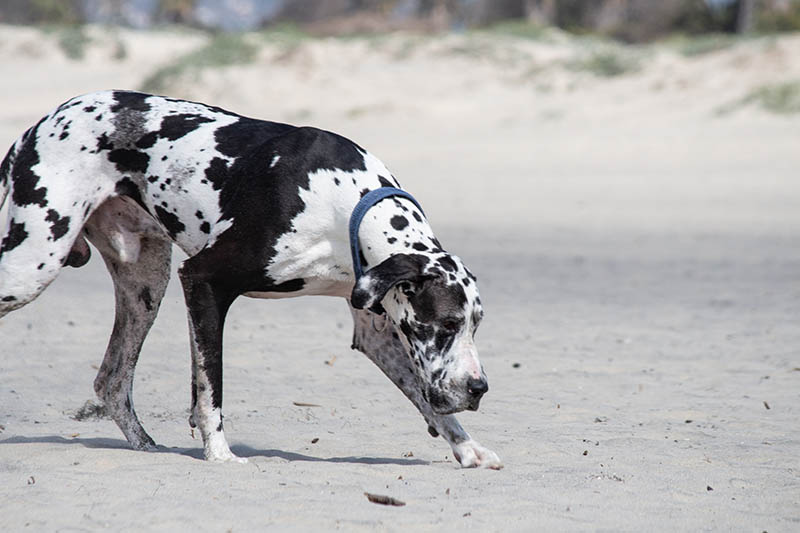
Just like people, dogs can get a sunburn if they are out in the sun for long periods.1 The most common affected areas are their ears, noses, eyelids, and bellies. If your dog has a short, thin, or light-colored coat, they are at an increased risk for sunburns.
Fortunately, mild cases usually heal by themselves within a few days. In this article, we look at symptoms of sunburn in dogs so you know how to identify it. Then, we will show you five ways to treat mild cases of sunburn at home. We also look at what you can do to prevent it from happening again.

Symptoms of Sunburn in Dogs
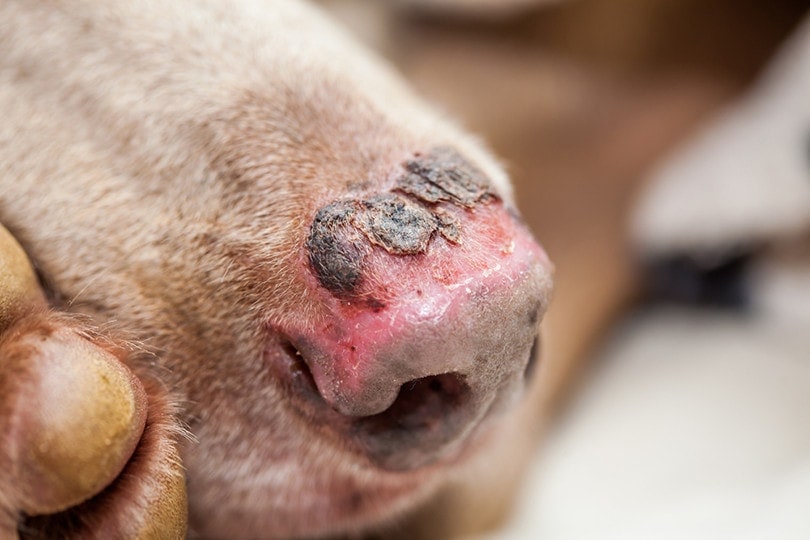
Symptoms of mild sunburn in dogs appear between 1 hour and 3 days after exposure. You’ll notice one or several of the following signs:
- Pink or reddened skin
- Flaking or peeling skin
- The dog reacting in pain to being touched
Severe sunburn has the following symptoms:
- Skin inflammation
- Hair loss
- Fever
- Skin infections
- Blisters
In cases of severe sunburn, it’s best to contact a veterinarian for treatment. It’s also important to watch for symptoms of heat exhaustion after your dog has been out in the sun. In addition to sunburn, these include weakness, fainting, excessive panting, vomiting, and uncoordinated movements and can be fatal. Heat exhaustion is more common than sunburn and skin lesions should be checked by a vet before you treat at home.
Did you know you can speak to a veterinarian without having to travel? Just head over to PangoVet. It's our online service where you can talk to a vet online and get the advice you need for your pet — all at an affordable price!


How to Treat Mild Sunburn in Dogs
If your dog’s sunburn is mild, you can treat it at home using one or several of the following methods after checking with a vet.
1. Cool Water & Compresses
Cool water can be soothing on a dog’s sunburned skin. Soak a washcloth or towel in cool water, and use it as a compress, applying it to the affected areas. This can be repeated until your dog is showing signs of relief.
You can also keep cool water in a spray bottle and use it to lightly mist the sunburned areas as necessary.
Avoid ice packs or extremely cold water. It should only be cool to the touch. Replace the water in the spray bottle with cool tap water when it gets too warm.

2. Oatmeal Soak
Oatmeal baths can soothe skin by reducing inflammation and providing moisture. If you don’t have an oatmeal dog shampoo, you can make your own. Blend 1 cup of whole oats into a powder, and add it to a bathtub part filled with cool water.
Let your dog soak in this mixture for at least 10 minutes. Gently pour the oatmeal water over your dog during this time, paying special attention to the burned areas. After the bath, use a towel to pat your dog dry instead of rubbing. You don’t want to further irritate the skin.
3. Aloe Vera
Aloe vera gel can help your dog’s sunburned skin feel better and heal faster, just like it does for people. It’s important to not let your dog lick the aloe vera, though. Aloe is considered toxic to dogs and can cause vomiting and diarrhea if ingested.
If you can’t apply the aloe to your dog’s skin without risking them being able to lick it, you can choose to use an aloe spray made for dogs instead. This can provide a closer application without any excess product being left on the coat.

4. Zinc cream
Sudocrem is a readily available zinc based nappy rash cream you may have at home. This is soothing, mildly antiseptic and calms irritation. Mild enough for babies and great for soothing skin irritation on dogs too. Zinc creams then to be thick and may rub off onto your furniture so best to keep your dog somewhere easy to clean whilst using it. Pet specific zinc products are also available.

5. Colloidal Silver
Colloidal silver sprays and creams are used to treat sunburn as they are soothing and anti-microbial. The skin is more susceptible to secondary infections when damaged by the sun and so it is important to protect it. Several of the creams also contain healing honey which is also great for burns.
Protecting Your Dog From the Sun
Now that you know how to treat your dog’s sunburn, it’s important to do what you can to prevent it from happening again. Sunburns can cause skin cancer in dogs and aggravate autoimmune diseases. Increased sun exposure can increase the risk of cataracts too. Prevention is much better than cure.
It’s easier to prevent your dog from getting a sunburn than to treat them for one, along with any other potential side effects and illnesses that can come from sun exposure.
Dogs can still enjoy the outdoors on sunny days, but keep these tips in mind to protect them.
1. Stay in the shade.
Hours of sun exposure are dangerous for anyone, including animals. Dogs should always have access to the shade whenever they want it. If you’re going to an area that doesn’t have any natural shade, bring an umbrella or tent to set up. In addition to preventing sunburn, this also gives your dog a place to cool off.

2. Use sunscreen.
You can use sunscreen on your dog, but only one that is made for them. Don’t apply sunscreen for humans on your pup. Dog sunscreen comes in sprays and balms. You may need both to ensure proper coverage.
Balms work well on the nose and paw pads. You can spray sunscreen on other areas, like the legs, back, and belly. Don’t forget the top of the head. Be careful to avoid contact with your dog’s eyes. The balm can provide more precise coverage on the face, or you can spray the sunscreen into your hands and apply it to the face with your fingers.
Once you’ve applied a thin, even layer of sunscreen to your dog, wait 20 minutes before heading out in the sun. If your dog will be engaging in a great deal of activity, especially swimming, bring the sunscreen with you to reapply as necessary.
3. Use clothing.
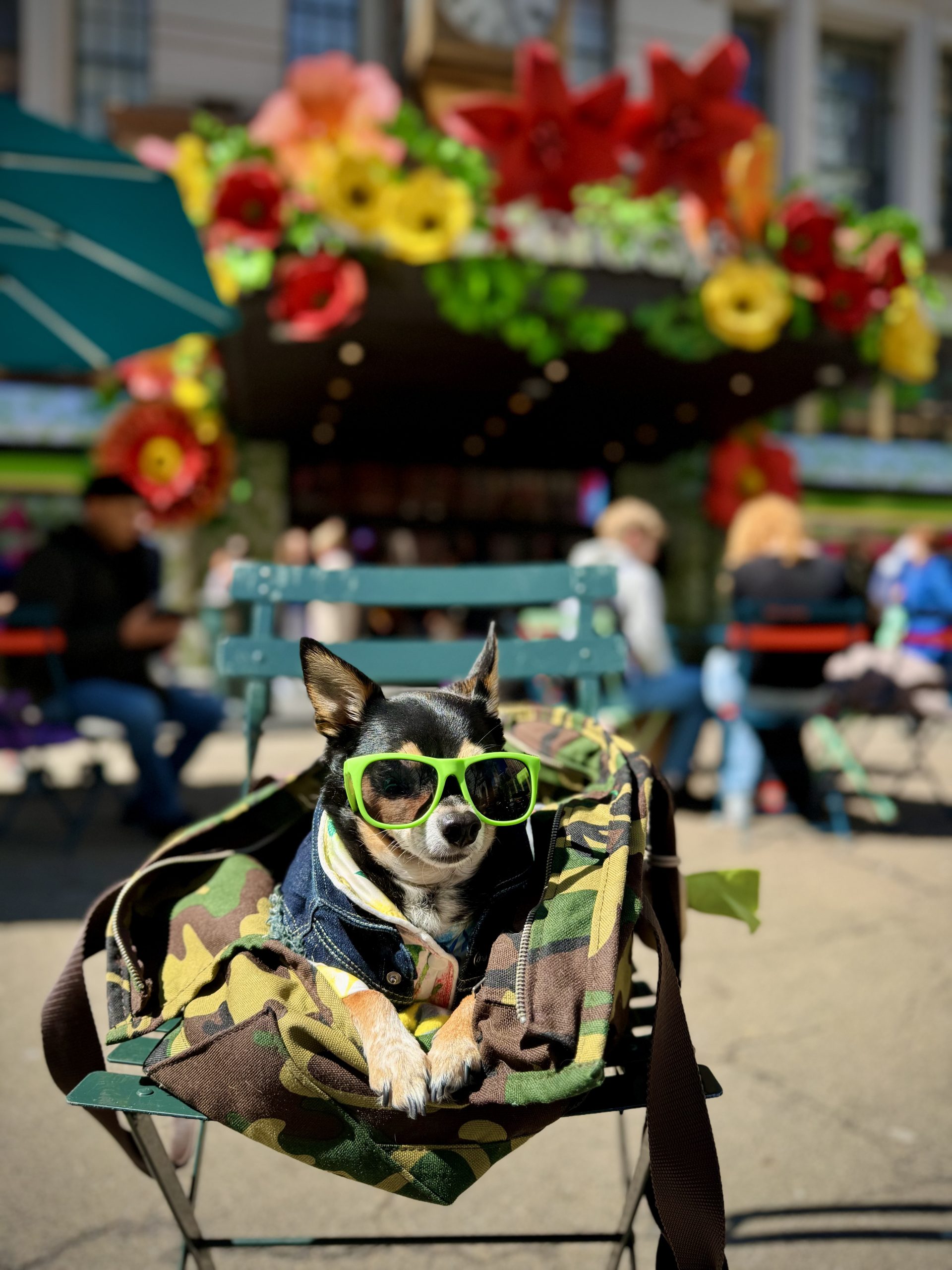
If you can’t use sunscreen on your dog, consider protective clothing. Hats, sunglasses, shirts, and shoes can prevent burns on your dog’s skin and paws. Paws can get burned from walking on hot asphalt. A good rule to follow is if the ground is too hot for you to walk on barefoot, it’s too hot for your dog’s paws.

4. Leave your dog’s hair longer.
If you have a dog that requires haircuts, leave the hair a little longer if they are going to be out in the sun. Longer hair on the back and top of the head can help prevent burns if they are outside for short periods.
5. Avoid the sun when it’s the strongest.
If possible, avoid taking your dog outside between the hours of 10 a.m. and 4 p.m., especially during the summer. This is peak sun time, when its harmful rays are at their strongest.


Conclusion
If dogs are out in the sun, they are at risk for sunburn. Usually, these burns are mild and go away on their own. If you notice severe symptoms, contact a vet right away for professional treatment.
We hope that you’ve learned new ways to treat your dog at home if they happen to get sunburned. Preventing sunburn is easier than treating it, so remember these tips for protecting your pup the next time that you both head out for fun in the sun.
Featured Image Credit: Anamaria Mejia, Shutterstock
 Symptoms of Sunburn in Dogs