How to Help Your Restless & Pacing Dog at Night: 10 Vet-Approved Tips


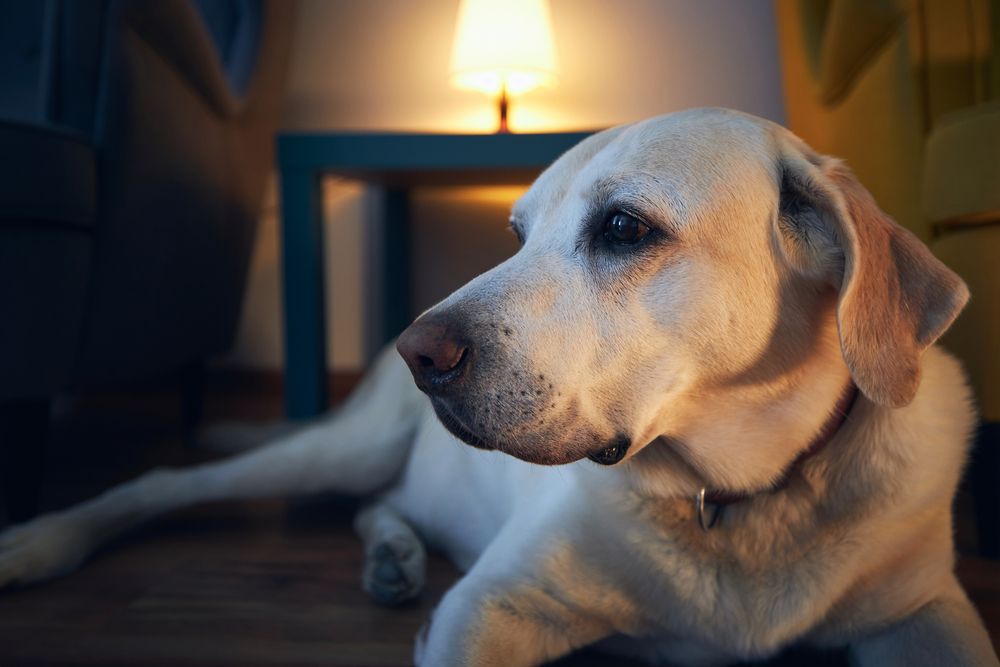
As pet owners, we like to provide the best lives for our pets, and it can be upsetting when they start to act strange, especially if it prevents everyone from getting the sleep that they need. If you've found yourself asking “Why is my dog restless at night all of a sudden?” then read on for several ways that you can help stop your dog pacing at night and you can both relax.

The 10 Tips for Helping Your Restless & Pacing Dog at Night
1. Create a Comfortable Sleeping Environment

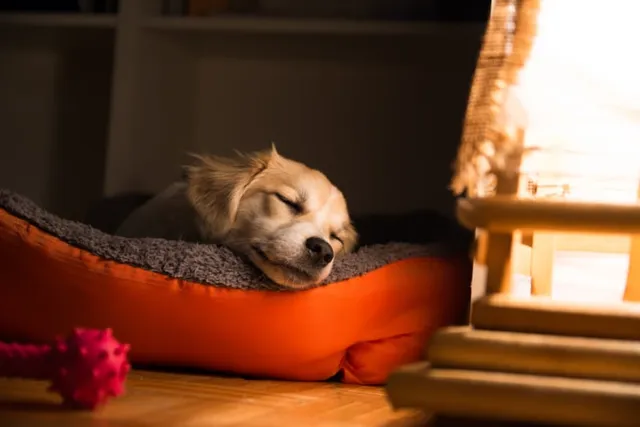
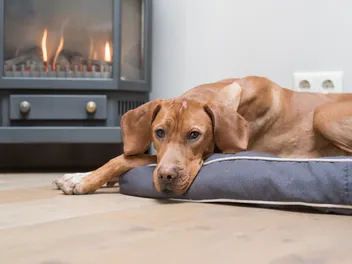
Like humans, dogs need a comfortable, dedicated space for sleep, if you notice that your dog keeps moving around and can’t get comfortable then they may need some help. Create a space that’s quiet, cozy, and away from high-traffic areas in the home. If your dog seems to prefer a particular room or spot, consider placing their bed there. The room’s temperature should also be comfortable for your dog. Make sure their bed is big enough to comfortably accommodate them and that the room is at an agreeable temperature.
2. Establish a Consistent Routine
In many cases, a break in routine can be behind your dog not sleeping at night and pacing. Dogs are creatures of habit, and a consistent daily routine is essential for reducing anxiety and restlessness at night. Try to feed, walk, and play with your dog at the same time each day, with a short play session right before bed to tire them out and help them understand when it’s time to wind down and sleep.
Did you know that you can speak with a real vet online about your dog's behavior?
3. Do Evening Exercise

Adequate physical activity is essential for your dog’s overall well-being and can greatly impact their nighttime behavior. An evening walk or play session helps burn off excess energy, making your dog more likely to be tired and ready for sleep at bedtime. It can also help fight obesity and give you a chance to bond with your pet, which might further reduce anxiety and their need to pace while you sleep.
4. Limit Evening Feeding
Feeding a large meal to your dog right before bedtime can cause discomfort and restlessness, which might cause them to get up and pace. Some dogs get a burst of energy after eating, which might cause them to get into mischief. Try to schedule your dog’s dinner time early in the evening to allow time for the food to start to digest before sleep, and if they get hungry at night, consider a small, light snack instead of a full meal.
5. Manage Their Anxiety and Stress

Anxiety and stress are common reasons for restlessness and dogs pacing at night. Establish a calm, quiet environment in the evening to help your dog relax and try playing soft music, using pheromone diffusers, or talking softly to your pet to help make them feel more comfortable.
6. Check for Medical Issues
Restlessness and pacing can sometimes be due to an underlying health issue, such as joint pain, gastrointestinal discomfort, or a urinary tract infection. If your dog is restless at night all of a sudden then there could be a health issue with your pet, schedule a vet appointment as soon as possible to have them looked over.
7. Provide Mental Stimulation

Mental stimulation is as vital as physical exercise, and boredom can lead to restlessness at night. Interactive toys, puzzle feeders, or scent games during the day can provide a healthy mental workout. Training sessions are also ideal for engaging your dog’s mind and strengthening your bond.
8. Avoid Nighttime Disturbances
A quiet and consistent environment can help your dog settle down at night and understand that it’s time for bed. Try to minimize noise and light disruptions that might keep them up. Moving the bed to another, quieter location can also help. Some pet owners have found success with white noise machines that help drown out background noises.
9. Train Them

If the restlessness is behavioral, training techniques can be effective. A professional dog trainer or behaviorist can provide personalized guidance and strategies that you can use with your pet to get them back to sleep at night.
10. Comfort Them
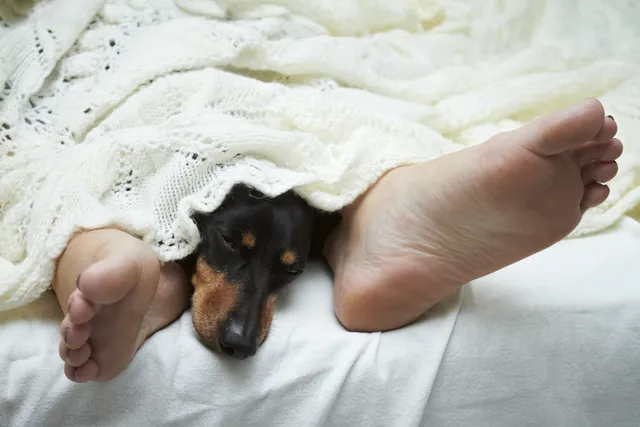
Some dogs may need extra reassurance and comfort, especially during changes in their environment or routine. Many dogs may also find themselves frightened if a noise wakes them suddenly. Spending time with your dog, talking to them softly, giving them gentle pets, or even allowing them to sleep in the same room can provide the comfort that they need to go back to bed.

Frequently Asked Questions
Can Diet Affect My Dog’s Sleep Patterns?
Yes, diet can impact a dog’s sleep. Overeating, being fed too close to bedtime, or having a diet that doesn’t suit your dog’s age, size, or breed can cause discomfort and disrupt sleep. Consult a vet if you need help creating a meal plan for your pet.
How Can I Tell if My Dog’s Restlessness Is Due to a Medical Issue?
To determine if your dog’s restlessness is a medical issue, look for other signs, such as changes in appetite, weight loss or gain, signs of pain, changes in urination, or unusual behavior. If you notice anything strange, contact your vet immediately to have your pet looked over.
Is It Normal for Older Dogs to Become More Restless at Night?
Older dogs may experience changes in sleep patterns due to age-related issues like arthritis pain or cognitive dysfunction. It’s best to discuss any significant changes in behavior with your vet.
Should I Let My Dog Sleep in My Bedroom?
Letting your dog sleep in your room is a personal preference. Some dogs and owners sleep better when in the same room, while others find it disruptive. Observe how your dog’s presence affects your sleep and decide accordingly.
Summary
It can be frustrating to have your dog pacing around at night, but following the tips on this list can help you get things back to normal. We recommend creating a comfortable sleeping environment and establishing a consistent routine to help your pet feel more at ease and likely to understand that it’s bedtime.
Limit feeding and help your pet burn calories by playing with them before bed to help tire them out. If you think that your pet’s late-night roaming is due to a health issue, schedule an appointment with your vet immediately to have them checked out.
Sources
Featured Image By: Jaromir Chalabala, Shutterstock
Expert dog care, straight to your inbox
News, insights, expert advice, and everything dog.

No spam — unsubscribe anytime.
By signing up, you agree to our Terms & Conditions and Privacy & Cookies Policy.
How useful was this post?
Click a star to rate. You can leave written feedback afterwards. (We read all feedback.)
Ed Malaker is a seasoned writer who has contributed to a wide range of blogs covering everything from tools to guitars, and pets to fitness. When Ed isn't writing, he is usually making DIY projects around the house or working in the garden.