In this article
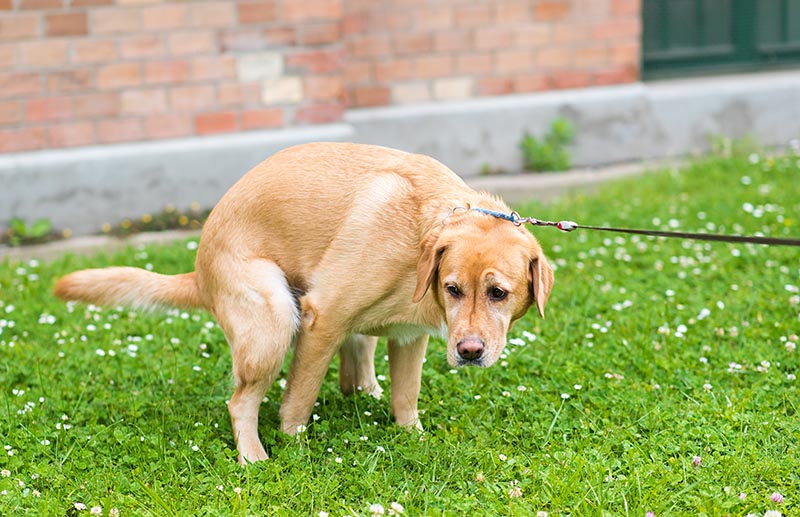
View 2 More +Usually, our pups don’t have any problem whatsoever using the potty. But when issues like constipation crop up, it can cause our dog to stop eliminating for several hours or even days. But if that is what is happening, how long is too long in between bathroom visits?
This answer varies slightly, but we highly recommend that if your pup has been constipated for longer than 48 hours, you need to get them to your veterinarian immediately to uncover the underlying cause.

Disclaimer: When to See a Vet
Before we begin, we want to clarify that no information in this article is a substitute for veterinary guidance. If you are concerned that your dog is showing any signs of being unwell or in discomfort and has not pooped in a while, your first action plan should be to contact your vet immediately.
It could be something simple, but it could also be a lot more complicated or potentially life-threatening. So don’t hesitate to contact a trusted professional so your dog can get the help that they need.

A Normal Pooping Schedule
You’re probably pretty used to your dog going to the bathroom once to multiple times a day. Most dogs stay pretty regular. However, this can depend on the diet, food intake, fiber, and other aspects of daily life.
Your dog’s pooping schedule can differ slightly. It is occasionally ordinary for a dog to go a full day without defecating at all. However, it might signal a bigger issue if your dog goes longer than 48 hours without a bowel movement.
Below, we’re going to discuss the common reasons why your dog might be showing signs of constipation.

 The 12 Causes of Constipation in Dogs
Constipation can come from so many areas relating to your dog’s lifestyle and overall health. So here are potential reasons why your dog might be constipated. Keep in mind that even though these issues are possible, this list alone cannot help you determine the actual cause of the delay.
1. Foreign Objects
One of the issues of constipation in dogs includes foreign bodies in the intestinal tract. If something is lodged in your pet’s digestive system, it can cause the inability to pass poop as well as other signs such as vomiting and abdominal pain. Intestinal blockages can range from mild to severe.
This condition is diagnosed based on clinical exam and imaging. Depending on the size of the obstruction, your vet will determine the best course of action to help your dog.
Some smaller objects can pass through the system, while sharp or large objects must undergo an operation. Intestinal blockages can be extremely dangerous and sometimes fatal.

2. Dehydration
Dehydration is the single most common reason why dogs are constipated. During bouts of dehydration, the colon absorbs more fluid from the waste, causing the stool to slow down as it moves through the intestines.
So, if your dog is not getting enough water in their daily diet, it can severely slow up their intestinal tract. Staying hydrated is what helps the body move food through the gastrointestinal system. So without it, you’re going to notice a lot of slowing up.
3. Insufficient Fiber
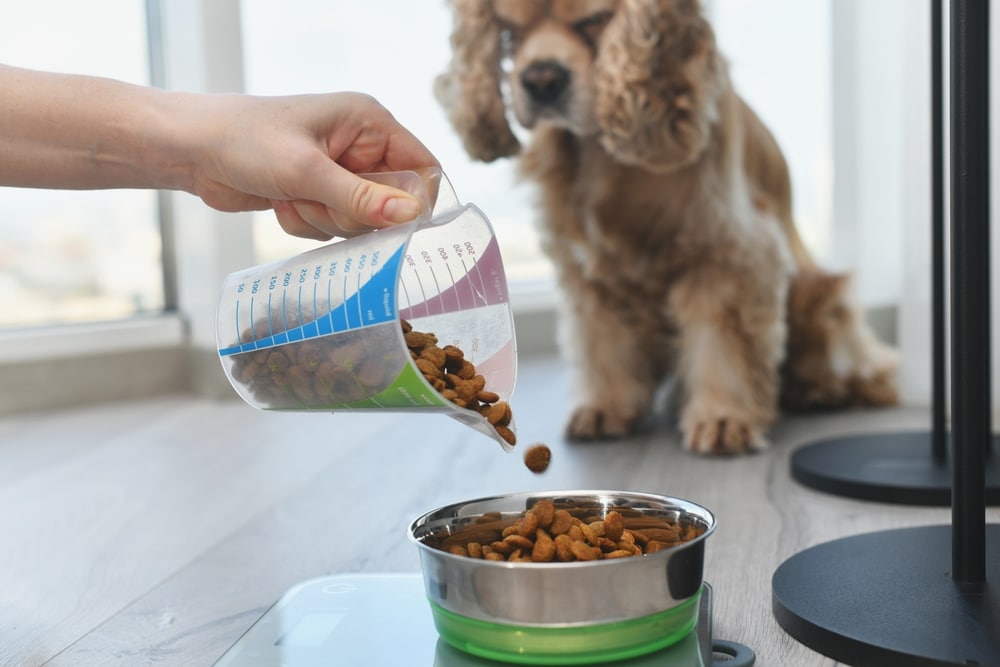
Insufficient fiber in the diet is one of the less troubling but frequently seen causes of constipation in dogs. If your dog is not getting enough fiber, it can slow the digestive tract, leading to longer times in between.
Your vet can advise you on any diet changes or fiber supplements that may help.

4. Lack of Proper Exercise
If your dog is being a couch potato and not getting the amount of exercise they need, it can lead to bouts of constipation. Dogs who lead a sedentary lifestyle are much more at risk of having episodes of constipation.
When your dog is more active, the movement allows the waste to move freely through the intestines more easily. So if your dog has been taking a more relaxed approach to life lately, get them out of the house to be more active if they are able!
5. Anal Gland Issues
If your dog has swollen anal glands on either side of their anus, it can cause painful bowel movements. This swelling and pain might lead to your dog avoiding or struggling to use the bathroom.
The anal glands may just be blocked or they can become infected and form abscesses.

6. Enlarged Prostate Gland
If you have a male dog, frequent constipation can indicate prostate problems. The colon is located just above the prostate. If the prostate is enlarged it can press on the colon making it difficult for dogs to pass bowel movements.
In combination with constipation, you might notice that a dog with prostate problems has trouble passing urine and there may be blood in their urine. Some dogs may have a painful abdomen and a fever in severe cases.
If you notice that your dog is straining to go to the bathroom, it is certainly something that you should contact your veterinarian about. The earlier you can detect this problem, the more promising the outcome.
7. Side Effects of Medication
Constipation can be a direct side effect because of how certain medications react with the body. If your dog has recently started a new medication or treatment, constipation may be a result of the body’s adjustment. Speak to your vet for advice.
If you need to speak with a vet but can't get to one, head over to PangoVet. It's our online service where you can talk to a vet online and get the advice you need for your pet — all at an affordable price!
8. Tumors or Masses
Having tumors or masses in the body that press against the intestinal walls, can cause constipation. It will narrow the passageways, leading to waste getting stuck.
Dogs can have non-cancerous polyps, benign adenomas, anal sac tumors, and malignant epithelial tumors in the intestinal tract, but problems can also exist outside of that. If a mass or tumor is growing close to the intestines, it can press against the bowels.
9. Sudden Dietary Change
If your dog’s diet suddenly changes, we’re aware that it can cause diarrhea. Similarly, it can also cause constipation. So, if you’ve recently changed your dog food recipe, it might take a few days for their system to adjust fully.

10. Pelvic Trauma
Keep in mind that if your pet has recently had any pelvic trauma, it can cause issues with going to the bathroom. Pelvic trauma can lead to pain and swelling, making bowel movements very painful.
Your pet might not be able to push as hard as it could before, especially during the healing process.
11. Pain
Painful conditions such as arthritis can make it uncomfortable for dogs to get in the position to pass poops.
12. Age
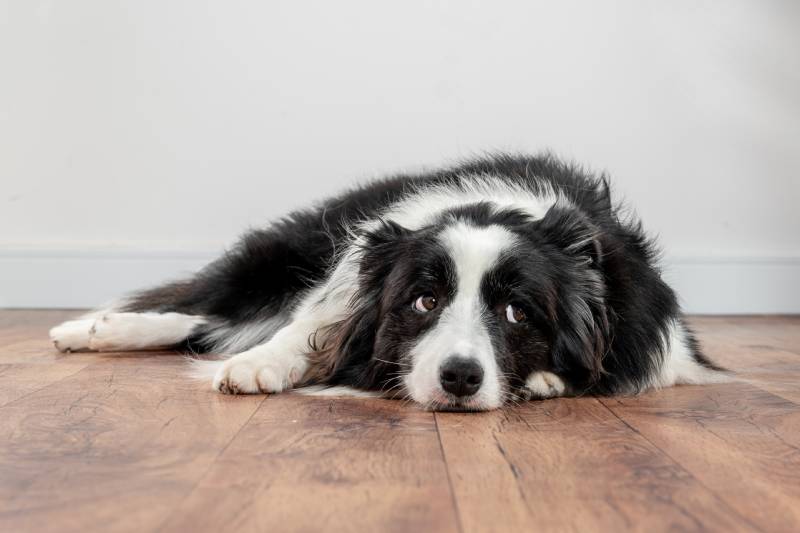
We’ve already mentioned that lack of activity and arthritis can play a part in constipation. As your dog gets older, their activity levels naturally decrease, which can cause the gastrointestinal system to slow up a bit as well as them being more prone to painful conditions like osteoarthritis.
When to Worry
Typically, a dog can refrain from a bowel movement for up to 48 hours or longer. However, if it’s been slightly longer than the 48-hour window, immediately make an appointment with your vet.
It could be as simple as needing a fiber enhancement in the diet. However, since it is linked to many more significant issues, it’s best to have them seen, especially when some are so time-sensitive.

Final Thoughts
So, if your dog is experiencing lengthy constipation, take note of other signs your dog might be displaying. It could be something relatively simple—like mild dehydration. Make a vet appointment to check potential underlying causes.
But, of course, there can always be a more significant underlying factor that needs attention. So, if it’s been longer than 48 hours, or your dog is showing any other concerning signs such as pain, call your vet immediately.
Featured Image Credit: SasaStock, Shutterstock