How Long Can a Bichon Frise Be Left Alone: Vet-Verified Time Limits & Considerations

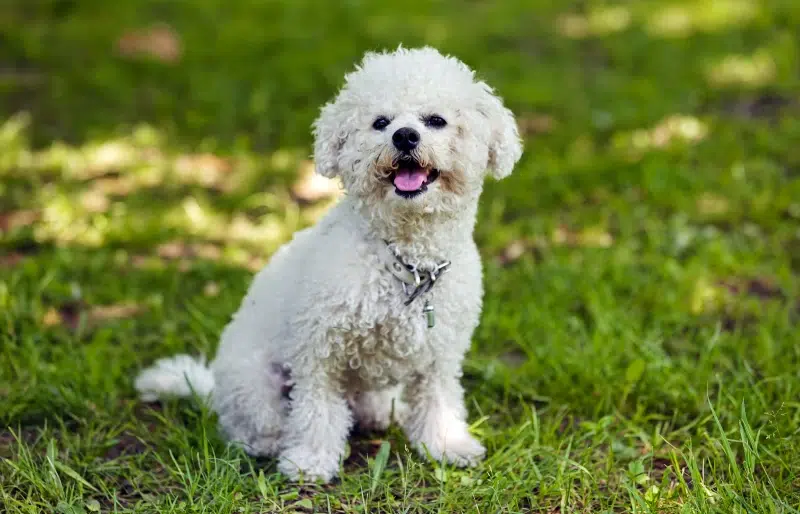
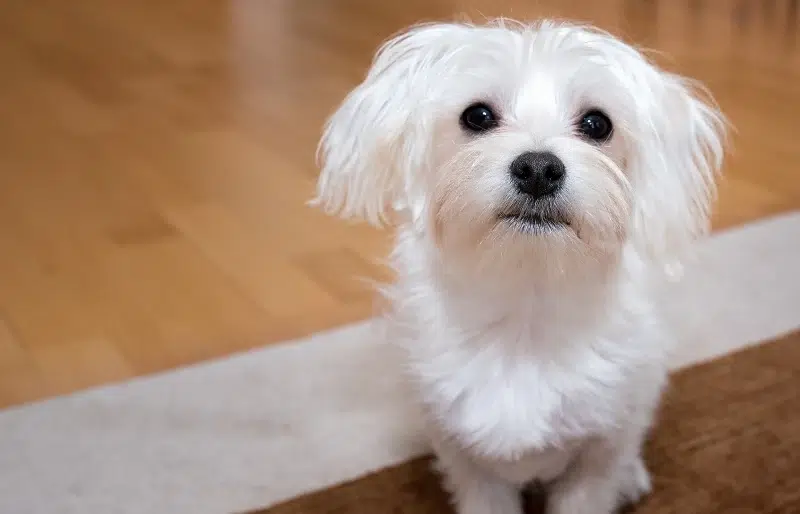
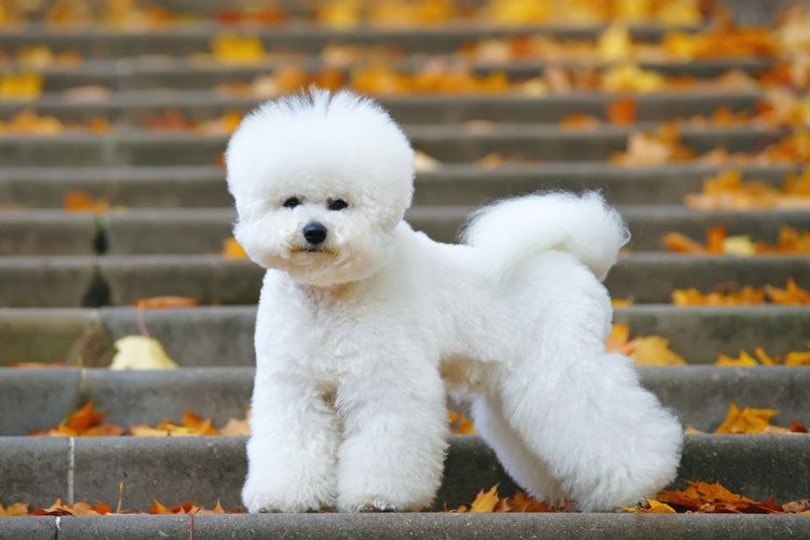
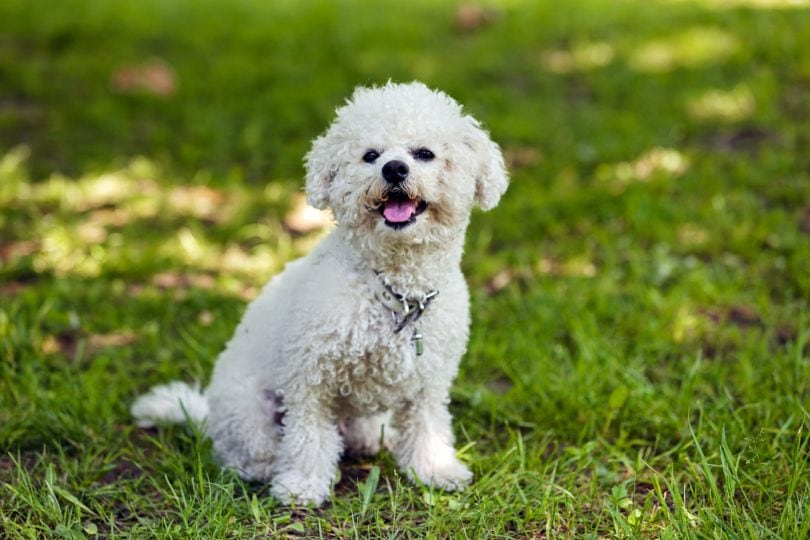
The Bichon Frise is a lovely, sociable breed with plenty of personality. They are generally easy to train, highly adaptable, and very people-oriented. They tend to form strong bonds with their owners and usually get along well with people of all ages, making them great family dogs.
As a breed, they are used to close human contact. How long they can cope on their own will depend on the individual dog, their training, and their routine. As a general guideline, dogs may be left alone for about 6–8 hours at most. It’s important to consider your lifestyle carefully. If you feel you may not have enough time to meet a dog’s social and emotional needs, it may not be the right time to have one.

Do Bichon Frise Get Separation Anxiety?
Bichon Frise are happy and affectionate dogs that love their owners. This adoration of people can lead to separation-related behaviours for some individuals; however, not all Bichon Frises will suffer from separation anxiety. Spotting the signs early enough and addressing the problem on time will be key to helping them.
Undesirable behavior associated with separation anxiety can still occur if your Bichon is left home alone for long periods, such as excessive barking, scratching, inside toileting, and destructive behavior. By making their time home alone easier, you can avoid separation anxiety and help your Bichon relax while waiting for your return.
What Might Happen if My Bichon Is Left Alone?

If you leave your Bichon Frise (or any breed of dog) home alone for an extended period, they might get anxious about where you are. They can display undesirable and destructive behavior due to stress, which is also associated with separation anxiety. Here are a few of the behaviors you might see if you leave your Bichon alone for too long:
Barking
The Bichon Frise isn't an overly vocal breed, but barking is the primary method of communication a dog can use to get attention. If your Bichon is scared, anxious, or lonely, they may bark to try to get your attention. They don't know where you are and can bark out of frustration or fear that they can't get to you.
As anxiety levels rise, you may find that your Bichon barks at things they normally wouldn't, such as people passing by outside. That is because they can begin to feel threatened when they're alone. Barking can be stressful for your dog and the people around you; it's best to limit the time you're away from home and help your dog express themselves in a calmer, less noisy way.

Destructive Chewing
Being left alone can cause all sorts of emotions to build in your Bichon Frise. Frustration, fear, sadness, and loneliness are all felt by dogs, and your Bichon can feel all of these emotions when they've been left at home and don't know when you're coming back.
Their emotions need a release, and many dogs use chewing as a coping behavior to reduce stress. Chewing can also help combat boredom, so your Bichon might be chewing a table leg, couch, or themselves just to have something to do when you're away.
Toilet Accidents
Bichon Frise are known to be a stubborn breed to housebreak, even when you're home. Inappropriate urination and defecation can be a sign of separation anxiety, as fear or anxiousness can cause your dog to need the bathroom urgently. Simply being unable to hold it in for a long time can also be the cause; dogs generally can hold their pee or poop for 6 to 8 hours, but that is still a long time to ask them to hold it!
How Can I Help My Bichon Frise Be Home Alone?

Distraction and entertainment are the key points to focus on when your Bichon must be home alone. You can also slowly increase the time your Bichon is home alone and assess how well they do, as each dog will have their limits regarding the length of time alone.
Provide Interactive Toys
To begin with, supplying boredom breakers like puzzle feeders and interactive toys can greatly affect how well your Bichon fares alone. Teaching your Bichon to relax when you're around and encouraging them to lie down and interact with their toy is a great way to show them that being calm is a good thing. By teaching them to lie down rather than follow you around (as Bichons love to do), you're showing them that distance between you isn't bad. You can also teach relaxation and calm by introducing a crate.
Gradually Increase the Time You’re Away
To help your pet cope with your absence, you can gradually increase the time you're away from them. Remember to leave them with a boredom breaker like a food toy or a long-lasting treat. A chew toy is also great for Bichons that chew if they're anxious. Next, leave the house for short periods, and take each trip a little further each time. Monitor how your Bichon does, and ensure they're relaxed and using the treats and toys you leave for them. If they get anxious, take a step back and reduce the time you’re away.
The goal is to get your Bichon comfortable with being home alone and encourage them to interact with their toys to distract them. When it comes to time to leave, you can also:
- Take them on a long walk beforehand to burn off energy
- Leave the radio on a talk show or put some "doggy" calming music on
- Use a pheromone diffuser such as Adaptil to reduce anxiety
- Have someone pop in and check on them for you throughout the day
If you have any concerns about your dog or their health, we recommend you contact your vet or board-certified behaviourist directly.
Conclusion
Bichons are dogs that thrive on human interaction and love. They are loving and loyal, but can't be left alone for too long without getting anxious or frustrated. The amount of time a Bichon Frise can be left alone is around 4–8 hours. All dogs are different, but dogs of any breed shouldn’t be alone for more than 6 to 8 hours a day. There are steps you can take to help combat separation anxiety for your Bichon and help them enjoy their time alone without being anxious.
Related Read: How Much Does a Bichon Frise Cost?
Sources
https://www.akc.org/expert-advice/puppy-information/leave-puppy-alone/
https://www.akc.org/expert-advice/training/alone-time-dogs-much-much/
https://www.aspca.org/pet-care/dog-care/common-dog-behavior-issues/destructive-chewing
https://www.aspca.org/pet-care/dog-care/common-dog-behavior-issues/separation-anxiety
Featured Image Credit: Vladimir Nenezic, Shutterstock
Expert dog care, straight to your inbox
Vet-reviewed advice, training tips, and the best of Dogster. Free, and you can unsubscribe anytime.
By signing up, you agree to our Terms & Conditions and Privacy & Cookies Policy.
Beth is a mom to two kids: one with four legs, one with two. Beth has years of practical experience as a veterinary care assistant , working in both the consult and in operating room, expanding her knowledge to gain certification in her favorite subject: feline behavior and welfare! When she's not writing about her favorite topics (cats and creature comforts), she's looking after her daughter and her mischievous Nebelung, Kiba. When she gets a moment to herself, Beth loves to delve into fiction books. Horror is her favorite genre, with fantasy and rich history being her second go-to's.
Join the conversation
Ask a question, share your story, or send private feedback.