Do Dogs Shed More When in Heat? Vet-Approved Possible Reasons & Tips


In this article
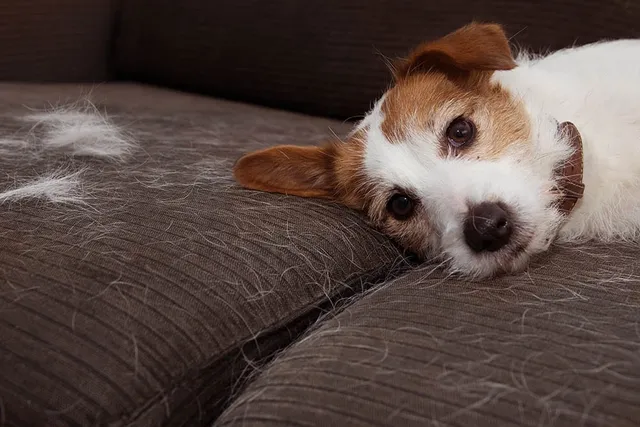
Dogs tend to live by their own rules, especially when it comes to grooming. They shed their coats wherever they please, leaving a mess behind for us humans to take care of. But are dogs more susceptible to shedding when they are in heat? The short answer is that research doesn’t directly support it, though it’s possible other factors may be causing the issue. Here’s what you should know about this topic.

Hormones Shift When Dogs Are in Heat
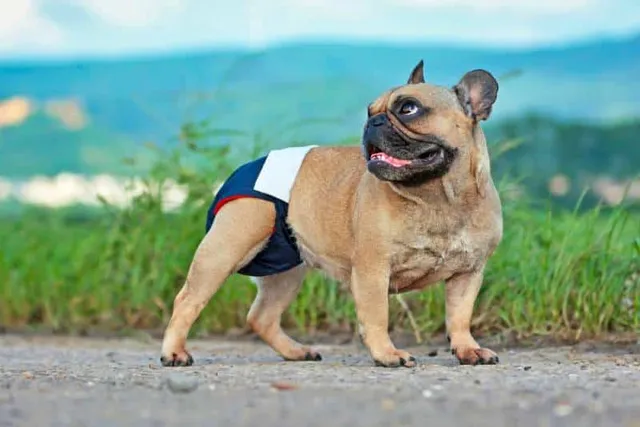
A dog’s heat cycle affects the way that hormones flow in their body. When a female dog reaches the estrus phase of her heat cycle (meaning she’s ready to mate), her progesterone levels shoot up and her estrogen levels dip low. These changes are what make the female dog receptive to mating for reproductive purposes. Some people may think this can also be responsible for excess shedding, though we aren’t aware of any data to support this statement.
Higher progesterone levels stay constant throughout both the estrus and diestrus cycles. The diestrus cycle is when the female’s body is preparing to maintain a pregnancy, which is one thing that progesterone helps to do. The diestrus stage ends when progesterone levels return to their baseline levels, which takes approximately 2–4 weeks.


Other Reasons That Your Dog May Be Shedding More
However, there are many other reasons that your dog may be shedding more than usual. Here are other causes for excess shedding to consider if hormonal changes are not to blame.
1. Parasites
The job of parasites is to consume nutrients to stay alive and multiply. Many types of parasites do this by latching onto animals like dogs and leaching nutrients from their bodies. Exterior parasites suck nutrients from the skin and often cause itching, which damages the hair and can result in hair loss.

2. Trauma
If your dog is licking, itching, or nibbling at their skin frequently, these actions can result in the skin becoming irritated and the hair falling out. They could be attacking themselves due to health problems, such as allergies, pain, or even anxiety. If you notice that your dog’s body has bald patches, it’s a good idea to schedule a checkup appointment with your veterinarian.
3. Thyroid Problems
Thyroid problems can create hormonal imbalances that will persist until they are addressed and properly treated. If excessive shedding is a side effect of hormonal imbalances due to thyroid problems, the shedding will remain in excess until the thyroid is in good health again.

4. Stress
Changes in a dog's daily routine, moving them to a new home, expecting them to welcome a new human (or pet) family member, and making diet adjustments can all cause stress. When a dog gets stressed out, they are at risk of excessive shedding, though the physiology of this phenomenon is not entirely understood. Taking steps to reduce your dog’s stress levels can help reduce the amount of hair that they are shedding.
5. Cancer
This disease can put a dog’s body through significant stress, which can result in problems like excessive shedding. The immune system is typically compromised, and the dog is susceptible to more illnesses, parasites, and other problems that will affect their coat health. If a serious issue like cancer is causing your pet's excessive shedding, other signs are likely to be present. These may include lethargy, nausea, changing bathroom habits, and disinterest in food, walks, and/or playing.
Cancer is a complex topic, if you'd like advice or support we suggest booking a call with an online vet.
What to Do About the Excess Shedding

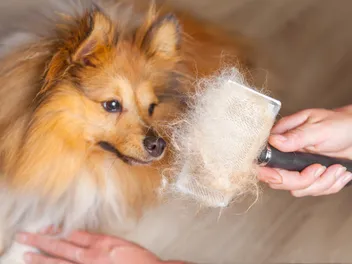
Not much can be done to stop the excessive shedding until the reason for it is addressed. Still, there are a few things that you can do at home to make the excess shedding less inconvenient:
- Vacuum your home more often. If you do it once a week now, try doing it twice a week. If you already vacuum daily now, there likely isn’t a need to do it more often.
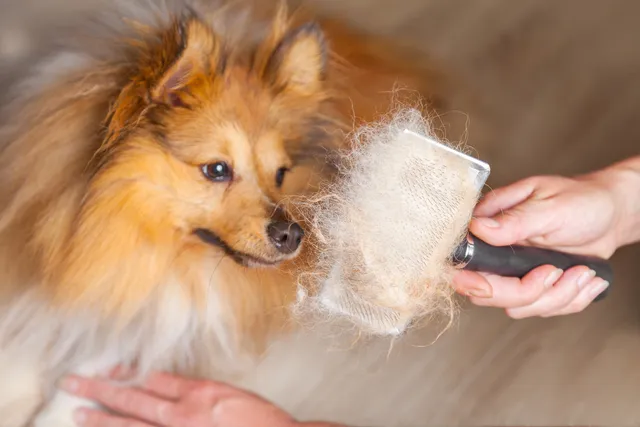
- Brush your pup outdoors, where their hair can get blown away by the wind and won’t end up in the carpets and corners of your home.
- Make sure your dog always has access to fresh, clean water, as this will help keep the skin healthy and supple so it remains a great host for hair.
- Ensure that your dog’s stress levels stay low through plenty of exercise, attention, a regular schedule, and proper nutrition.

Conclusion
There is no data to show that dogs coming into their heat cycle shed more, though other factors may influence this, including parasites and other diseases. If you’re in doubt, reach out to your veterinarian for advice and treatment if necessary. Excessive shedding isn’t normal and is worth investigating further.
Sources
Featured Image Credit: MrClips, Shutterstock
Expert dog care, straight to your inbox
News, insights, expert advice, and everything dog.

No spam — unsubscribe anytime.
By signing up, you agree to our Terms & Conditions and Privacy & Cookies Policy.
How useful was this post?
Click a star to rate. You can leave written feedback afterwards. (We read all feedback.)
Rachael has been a freelance writer since 2000. In this time she has had an opportunity to research and write about many different topics while working to master the art of fusing high-quality content with effective content marketing strategies. She is an artist at heart and loves to read, paint, and make jewelry. As a vegan, Rachael is obsessed with helping animals in need, both in her community and anywhere in the world where she feels she can make a difference. Animals also happen to be her favorite topic to write about! She lives off the grid in Hawaii with her husband, her garden, and her rescue animals including 5 dogs, a cat, a goat, and flock of chickens.