DL-Methionine for Dogs: Vet-Verified Benefits, Uses & Side Effects


In this article
DL-Methionine, a form of the amino acid methionine, is found in many commercial dog foods and other dog treats and supplements. Methionine is vital to the proper functioning of the body, and DL-Methionine is a synthetic version of this amino acid.
In this article, we cover the following questions: Is DL-Methionine for dogs beneficial? Does it need to be in dog food? As a dog owner, should you be taking action to ensure that your dog has more of it in their daily diet? Let’s get to it!

What Is DL-Methionine?
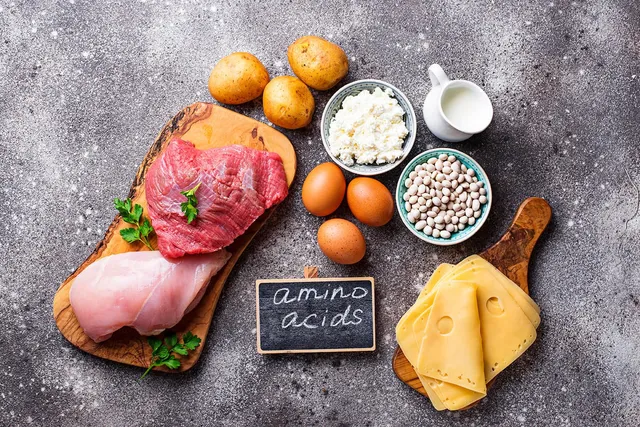
DL-Methionine is the synthetic equivalent of methionine, which is an amino acid that is found in highest concentrations in meat and meat-based dog foods. It may also have the name L-2-Amino-4 butyric acid, or L-Methionine.
It is an essential amino acid, which means it must come from your dog’s diet because it is not naturally created within the body. There are 10 essential amino acids for dogs. While it is ideal for your dog to get these from natural ingredients, synthetic versions can be cheaper.

Benefits
DL-Methionine has a host of benefits for dogs:
- Acidifies Urine: One of the main reasons to give DL-Methionine to dogs is to acidify the urine, which aids in prevention and treatment of struvite urinary stones. Dogs that are prone to this type of urinary stone may benefit from the supplementation of DL-Methionine.
- Antioxidant: This amino acid works as an antioxidant. Antioxidants protect cells against free radicals, which can cause heart disease and may lead to cancer and other diseases. Methionine is also known to detoxify chemicals within the body. Besides preventing potentially fatal diseases, antioxidants can keep a dog looking healthy and young.
- Amino Acid: Amino acids are compounds that are made up of nitrogen, carbon, hydrogen, and oxygen. They are used to form proteins, which can perform any of several roles within the body. Methionine amino acids are specifically known to aid in liver repair.
- Histamine Reduction: Histamine is used by the body to trigger an immune response. This is an important role in the body, but if your dog suffers from allergies, they are essentially producing histamine when it is not needed. This is why dogs with allergies may be prescribed antihistamines, as these prevent the allergic response of the immune system. Methionine plays a role in how histamine is metabolised, potentially having an effect on the amount of histamine in your dog’s system, which can alleviate allergic reactions.
Uses
As one of the essential amino acids, methionine is considered a vital component in a dog’s diet. It is found in meat and is one of the reasons that dogs are ideally fed a diet that is high in meat protein. While it is present in some plant proteins, it is in much lower quantities.

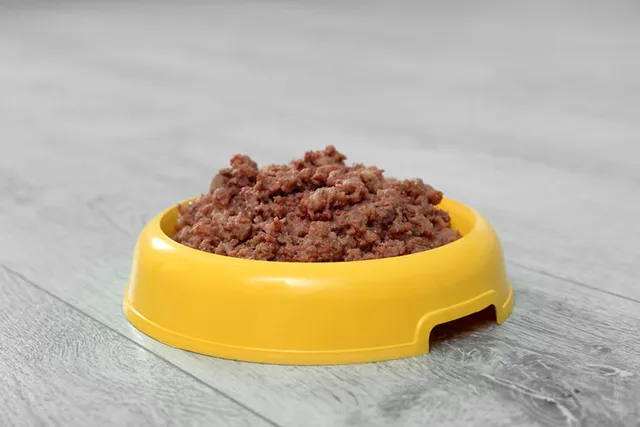
Certain foods that are low in meat protein but high in vegetable protein will supplement methionine levels with the synthetic DL-Methionine equivalent, whereas foods that are sufficiently high in meat and fish proteins do not need this additional supplementation.
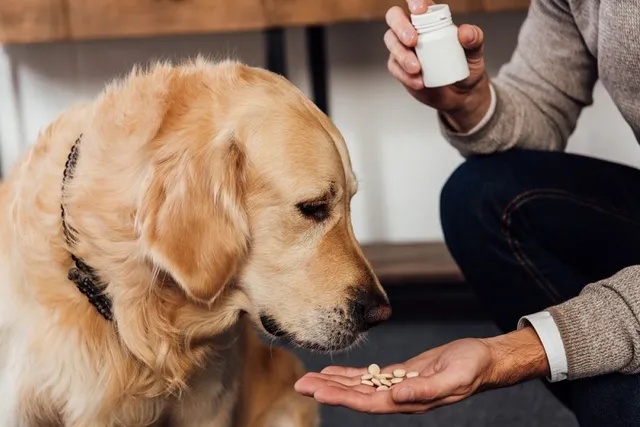
You may also find supplements containing DL-Methionine to aid in treatment of struvite urinary stones or as part of a urinary diet to help acidify the urine.
Side Effects
Although methionine is an essential amino acid, you need to ensure that you do not feed too high levels of it to your dog. Excessive levels can cause acidification of the body, which can exacerbate issues such as kidney, liver, or pancreatic disease. It doesn’t do anything to treat other types of urinary stones, such as oxalate or urate stones, so only give extra DL-Methionine under the direction of a veterinarian.
How to Take It
Natural methionine is better for dogs than synthetic. Their bodies are better able to ingest and use the amino acid, but since it is found in low quantities in vegetables, food manufacturers must add the DL-Methionine synthetic equivalent to foods with low animal protein. It typically isn’t necessary if your dog has adequate levels of meat or fish in their diet unless you need to supplement it for health reasons.
Before giving any new medication to your dog, we recommend you consult a veterinarian for the best advice on which would be the best treatment for your pup.
Conclusion
So what's the verdict when it comes to DL-Methionine for dogs? Methionine is an essential amino acid, which means your dog is unable to produce it naturally and must get the required amounts from their diet. DL-Methionine is the synthetic equivalent and is found in many commercial dog foods, especially those that are low in meat protein and high in plant-based protein. DL-Methionine supplementation is most commonly used as part of the treatment for struvite urinary stones to acidify the urine.
See Also:
Featured Image Credit: Maximilian100, Shutterstock
Expert dog care, straight to your inbox
News, insights, expert advice, and everything dog.

No spam — unsubscribe anytime.
By signing up, you agree to our Terms & Conditions and Privacy & Cookies Policy.
How useful was this post?
Click a star to rate. You can leave written feedback afterwards. (We read all feedback.)
Nicole has loved animals of all sizes her whole life so it's no wonder she has dedicated her career to helping them through what she loves best: learning, writing, and sharing knowledge with others. She’s the proud mom of two dogs, a cat, and a human. With a degree in Education and 15+ years of writing experience, Nicole wants to help pet parents and pets around the planet to live happy, safe, and healthy lives.